People of all ages are susceptible to fungal infections, which are among the most prevalent skin conditions nowadays. These infections, which range from athlete’s foot and ringworm to candida overgrowth, can cause discomfort and itchiness. Ayurvedic and Siddha medicine concentrate on root-cause healing, whereas contemporary creams offer momentary respite. This guide will help you understand how traditional healing methods can provide long-lasting solutions, whether you are seeking Ayurvedic treatment for a fungal infection, natural herbal antifungal remedies, or specialized care at a Siddha hospital in Bangalore.
Understanding Fungal Infections from an Ayurvedic Perspective
Fungal infections, according to Ayurveda, are caused by an imbalance in the body’s doshas (Pitta, Kapha, and Vata). The skin is susceptible to fungal overgrowth when these energies are disrupted by excessive moisture, poor digestion, or weakened immunity.
Ayurvedic treatment for common fungal infections:
- Dadru, or ringworm
- The foot of an athlete
- Candida yeast infection
- Fungal overgrowth is causing persistent skin rashes
Ayurvedic treatment functions by cleansing the blood, boosting immunity, and balancing doshas rather than merely reducing symptoms. For long-term relief, this makes the strategy comprehensive and successful.
Ayurvedic Medicine for Fungal Infection
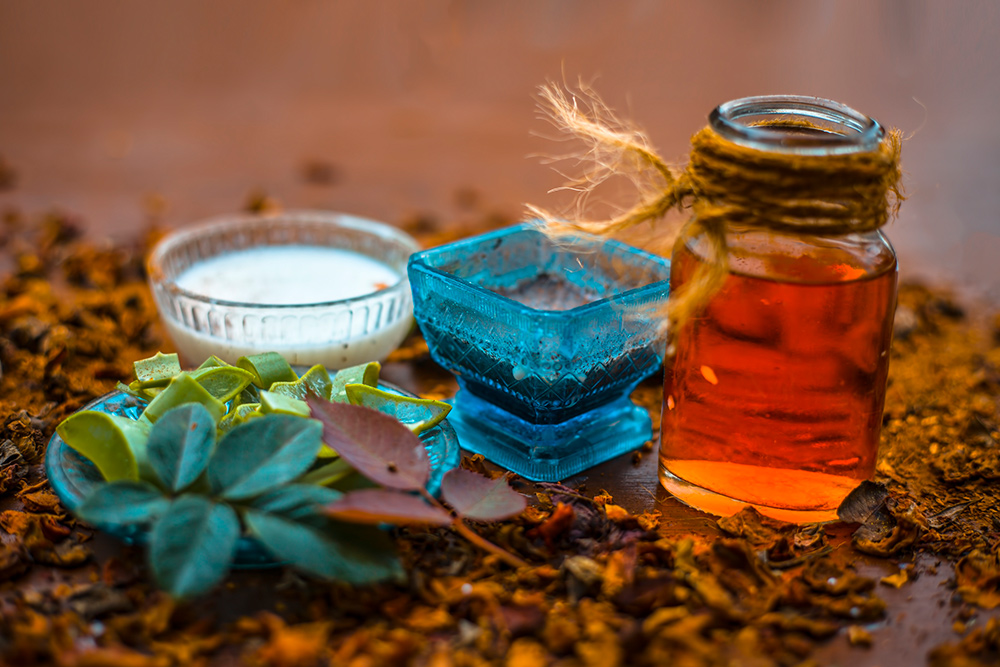
To combat fungal infections, Ayurvedic practitioners apply external treatments and herbal remedies. The following are a few of the best Ayurvedic herbs for fungal infections:
- Azadirachta indica, or neem: a potent natural blood purifier and antifungal.
- Curcuma longa, or turmeric, inhibits the growth of fungi and reduces inflammation.
- Holy basil, or tulsi, strengthens immunity and cleanses the body.
- Aloe Vera: Reduces itching and promotes quicker skin repair.
- Triphala: Prevents recurring infections by cleansing the gut and enhancing digestion.
As herbal antifungal treatments for skin infections, neem, turmeric, or aloe vera extracts are frequently found in Ayurvedic creams for fungal infections.
Natural Cure for Skin Fungal Infection
Warm, humid conditions are typically ideal for fungal infections. For quicker results, Ayurveda advises combining external applications with internal medicine.
Among the successful Ayurvedic techniques are:
- On the afflicted area, apply turmeric or neem paste.
- utilizing herbal oils, such as camphor-infused coconut oil.
- Consuming herbal teas that contain turmeric, ginger, and tulsi to aid in detoxification.
- Consuming more leafy greens, bitter vegetables, and spices like coriander and cumin as part of a diet that balances Pitta and Kapha.
Without the use of harsh chemicals, these treatments offer a natural solution for fungal infections of the skin.
Siddha Hospital Care: Advanced Healing for Fungal Infections
A trip to a specialty Ayurvedic or Siddha hospital can have a significant impact on persistent or chronic fungal infections. For instance, a Siddha hospital in Bangalore offers individualized treatment by fusing traditional knowledge with contemporary diagnosis.
Herbal decoctions for internal detoxification are common forms of treatment.
- Ayurvedic treatments for yeast infections and candida.
- external treatments, such as massages with medicated oil.
- Panchakarma for skin conditions, particularly when deep cleansing of toxins is required.
After receiving treatments at reputable Siddha hospitals, where the underlying cause of the infection is addressed rather than just the outward symptoms, many patients report experiencing long-lasting relief.
Panchakarma for Skin Diseases
Ayurveda suggests Panchakarma therapy, a deep detox treatment, when fungal infections recur. The removal of accumulated toxins (Ama) that cause infections is aided by panchakarma.
For fungal infections of the skin, panchakarma may consist of:
- Vamana (therapeutic vomiting): To eliminate toxins associated with Kapha.
- Purgation, or virechana, is used to purify blood and balance Pitta.
- Bloodletting, or Raktamokshana: For persistent skin conditions.
- Swedana (herbal steam) and Abhyanga (oil massage): To boost immunity and circulation.
This method not only cures the existing infection but also stops fungal infections from coming back.
Ayurveda for Candida, Ringworm, and Athlete’s Foot
Certain Ayurvedic treatments are necessary for various fungal infections:
- Ringworm Treatment with Ayurveda: External applications include neem oil, turmeric paste, and antifungal herbs.
- Ayurveda for Athlete’s Foot: Herbal powders and warm water soaks containing neem leaves reduce itching.
- Ayurvedic Treatments for Candida: Herbal concoctions containing guduchi, turmeric, and triphala fortify the digestive tract and inhibit the growth of yeast.
Ayurveda prevents recurring fungal infections by addressing the underlying cause.
Ayurvedic Lifestyle and Nutrition Advice
The following lifestyle adjustments are crucial for improving the efficacy of Ayurvedic treatment for fungal infections:
- To prevent perspiration, dress in loose, cotton clothing.
- Keep your skin clean and dry.
- Steer clear of dairy and too much sugar, as they exacerbate fungal growth.
- Consume bitter foods such as methi, karela (bitter gourd), and neem leaves.
- To increase immunity, do pranayama and yoga.
These minor adjustments speed up the effectiveness of herbal remedies and stop reinfection.
Why Treat Fungal Infections with Ayurveda and Siddha?
Holistic healing addresses the underlying cause rather than just the symptoms.
- Natural Remedies: Herbal antifungal treatments that are safe and have no negative effects.
- Long-Term Relief: Prevents recurrence and boosts immunity.
- Personalized Care: Siddha hospitals offer treatments that are appropriate for your condition and body type.
In contrast to chemical creams that only offer short-term respite, Ayurvedic and Siddha hospitals in Bangalore and throughout India prioritize long-term outcomes.
Conclusion
Although fungal infections may appear to be minor, they can develop into chronic and recurrent infections if treatment is not received. Ayurvedic treatment for fungal infections offers a natural cure with herbal remedies, lifestyle changes, and therapies like Panchakarma for skin diseases, as opposed to relying solely on transient chemical creams. Ayurvedic and Siddha medicine offer safe, efficient, and long-lasting treatment for conditions like ringworm, athlete’s foot, and candida.
Seeing a reputable Siddha hospital in Bangalore or speaking with an accomplished Ayurvedic physician can help you recover holistically if you are dealing with fungal infections on your skin.
FAQs
How effective is Ayurvedic treatment for fungal infection?
Ayurveda uses herbal medicines, detox therapies, and diet changes, making it highly effective for chronic and recurring fungal infections.
Can Ayurvedic cream for fungal infection replace chemical creams?
Yes, many herbal antifungal creams with neem, turmeric, and aloe vera are equally effective and safer for long-term use.
Is Panchakarma necessary for fungal infections?
Not always, but for chronic fungal infections, Panchakarma provides deep detox and prevents recurrence.
Can Ayurveda cure candida naturally?
Yes, Ayurvedic remedies for candida include Triphala, turmeric, and gut-healing herbs that balance yeast growth naturally.
Where can I get treatment for fungal infections in Bangalore?
A Siddha hospital in Bangalore offers specialized care with authentic Ayurvedic and Siddha treatments for fungal and other skin infections.