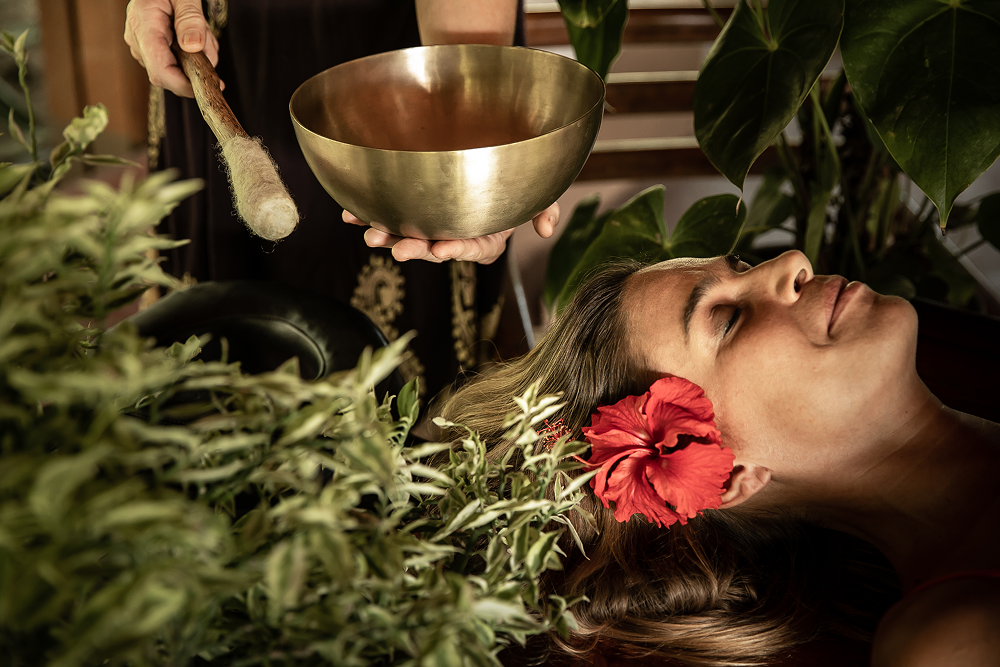
In the world of holistic healing, few therapies are as soothing and spiritually enriching as Shirodhara. Rooted in the ancient science of Ayurveda, Shirodhara is a powerful mind-body therapy designed to bring deep mental clarity, emotional balance, and inner peace. Known for its gentle flow of warm herbal oil over the forehead, Shirodhara is often referred to as “the therapy of third-eye awakening.”
As people globally seek relief from chronic stress, anxiety, insomnia, and burnout, AyurHealing therapies like Shirodhara are becoming increasingly relevant. More than just a luxurious it is a deeply meditative experience with lasting effects on mental and emotional health.
In this blog, we explore the origins, science, benefits, procedure, and modern-day applications of Shirodhara Therapy, and how it fits into the wider approach of Ayurvedic wellness through ayurhealing.
What is Shirodhara?
The word Shirodhara is derived from two Sanskrit terms:
- Shiro = Head
- Dhara = Flow
Shirodhara is a therapeutic technique where a steady stream of warm medicated oil (or other liquids like milk, buttermilk, or decoctions) is poured onto the forehead, particularly the area between the eyebrows (the Ajna Chakra or Third Eye).
The continuous flow stimulates the marma points in the forehead, calming the nervous system and inducing a deep state of relaxation and awareness.
It is a key therapy offered in ayurhealing practices for patients suffering from psychosomatic disorders, sleep disturbances, and hormonal imbalance.
The Ayurvedic Connection: A Powerful Mind-Body Practice
According to Ayurveda, the mind (manas) plays a pivotal role in health. Imbalances in the doshas—especially Vata and Pitta—can lead to anxiety, restlessness, irritability, and sleep disorders.
Shirodhara works by:
- Balancing Vata – which governs movement, including thoughts and nerve impulses.
- Pacifying Pitta – which governs metabolism, anger, and ambition.
By calming these doshas, ayurhealing through Shirodhara restores mental harmony, enhancing both Sattva (clarity) and Ojas (vitality).
Types of Shirodhara Therapies
Depending on the ailment and body constitution (prakriti), different substances are used in Shirodhara:
- 1. Taila Dhara (Oil Shirodhara) – Most common; uses medicated oils.
- 2. Takra Dhara – Buttermilk is used; excellent for skin conditions and high Pitta.
- 3. Ksheera Dhara – Warm milk used; calming and nourishing for Vata.
- 4. Jala Dhara – Decoctions or coconut water used for very high body heat.
Each variant contributes to the ayurhealing goal of customized, dosha-specific treatment.
The Procedure of Shirodhara Therapy
A typical Shirodhara session follows these steps:
1. Preparation
The patient lies on a special wooden Ayurvedic therapy table. The environment is quiet, dimly lit, and infused with calming aromas.
2. Abhyanga (Oil Massage)
A full-body massage using herbal oils (like Ksheerabala or Brahmi oil) is performed to relax the body and prepare it for therapy.
3. Main Shirodhara Process
- A dhara pot suspended above the forehead contains warm oil.
- A fine stream is allowed to gently pour onto the third eye region in rhythmic motions.
- This continues for 30–45 minutes, while the oil is reheated and reused to maintain consistent warmth.
4. Post-Therapy Rest
After the session, the patient rests for about 30 minutes, often covered in a warm cloth, followed by a warm herbal bath or steam.
Scientific and Psychological Benefits of Shirodhara
Modern research now validates what Ayurveda has known for millennia: Shirodhara enhances brain function and regulates stress hormones.
1. Deep Relaxation and Mental Clarity
Shirodhara activates the parasympathetic nervous system, shifting the body from “fight or flight” mode to “rest and digest.” It produces effects similar to meditative states or deep hypnosis.
2. Relief from Insomnia and Sleep Disorders
The therapy synchronizes brain waves to theta and delta frequencies, promoting deep sleep. Many patients experience peaceful sleep immediately after sessions.
3. Treatment for Anxiety and Depression
Shirodhara reduces levels of cortisol, the stress hormone, and boosts serotonin and dopamine, offering natural support for depression and emotional fatigue.
4. Improves Cognitive Function
Studies suggest that ayurhealing therapies like Shirodhara enhance memory, attention span, and learning capacity by calming the nervous system.
5. Hormonal Balance
By influencing the hypothalamus and pituitary glands, it supports endocrine function, making it beneficial for PCOS, menopause, and thyroid imbalances
Conditions Treated with Shirodhara
Shirodhara is not just a relaxation ritual—it is prescribed as part of Ayurvedic treatment for:
- Insomnia
- Hypertension
- Depression
- Migraines and headaches
- Hormonal imbalances
- Chronic fatigue syndrome
- PTSD (Post-Traumatic Stress Disorder)
- Premature graying and hair loss
- Psoriasis and scalp conditions
As part of ayurhealing, it is often combined with herbal medications and diet modifications for more comprehensive healing.
Shirodhara in Panchakarma and Detox Programs
Shirodhara is often a part of Panchakarma, the Ayurvedic detoxification regimen. It serves as a purification of the mind, just as Vamana or Virechana cleanse the body.
In modern AyurHealing centers, Panchakarma packages include:
- Swedana (Steam therapy)
- Shirodhara
- Nasya (Nasal therapy)
- Rasayana (Rejuvenation)
The goal is to eliminate toxins (Ama), balance the doshas, and restore full vitality—making Shirodhara a key step in total rejuvenation.
Shirodhara vs. Modern Mental Health Therapies
Shirodhara is a time-honored Ayurvedic therapy that works on balancing the mind, body, and subtle energy systems, while most modern mental health therapies focus primarily on adjusting chemical neurotransmitters in the brain through medication or behavioral techniques.
The tools used in Shirodhara are non-invasive and natural — primarily warm herbal oils, rhythmic pouring over the forehead, and gentle touch. These elements work together to induce a deeply meditative state. In contrast, modern therapy typically involves pharmaceutical medications, talk therapy, and counseling sessions guided by clinical psychology protocols.
One of the biggest advantages of Shirodhara is that it has minimal to no side effects, making it safe for most individuals. On the other hand, modern psychiatric treatments often come with potential side effects, ranging from drowsiness and mood swings to dependency or withdrawal symptoms.
Shirodhara is widely accessible through Ayurhealing centers, and sessions can be personalized based on the patient’s dosha and nervous system needs. In contrast, modern therapy may require formal prescriptions, psychiatrist evaluations, or long wait times, depending on the condition and location.
Perhaps the most notable difference is in the holistic impact. While modern therapy usually addresses mental symptoms, Shirodhara supports emotional, psychological, and even spiritual healing, offering a more integrative wellness experience.
This comparison reveals how ayurhealing therapies like Shirodhara offer complementary support to modern mental health systems.
Incorporating Shirodhara Into Your AyurHealing Routine
You don’t have to wait until burnout to experience this rejuvenating therapy. Here’s how to include it as part of your wellness routine:
- 1. Book Monthly Sessions – Regular treatments help manage stress and prevent neurological decline.
- 2. Pair with Meditation – Practice stillness after your session to deepen the effects.
- 3. Use Herbal Oils at Home – Brahmi, Jatamansi, or Ashwagandha-infused oils can be used for mild head massage before sleep.
- 4. Detox Annually – Combine Shirodhara with Panchakarma for a full mental and physical reset.
Who Should Avoid Shirodhara?
While it’s safe for most people, avoid Shirodhara if:
- You are in the first trimester of pregnancy.
- You have a cold, sinusitis, or fever.
- You’re allergic to herbal oils.
- You have recent neck/head injuries.
Consulting an experienced Ayurvedic practitioner is essential before starting any ayurhealing therapy.
Testimonials: How Shirodhara Changed Lives
“After five sessions of Shirodhara, my migraines reduced dramatically. More than that, I sleep better and feel lighter mentally.” – Priya, IT Professional
“I was skeptical at first, but the calm I felt after just one Shirodhara session was unlike anything before. It’s now my monthly therapy for mental reset.” – Amit, Entrepreneur
These experiences reflect the profound healing potential that Shirodhara holds when practiced as part of a complete ayurhealing approach.
Where to Experience Authentic Shirodhara
If you’re ready to experience the benefits of Shirodhara, look for:
- Certified Ayurvedic centers offering Panchakarma.
- Clinics using authentic, cold-pressed herbal oils.
- Ayurhealing wellness brands that focus on customization and purity.
For reliable therapies, you can visit AyurHealing to consult experts and explore genuine Ayurvedic treatments.
Conclusion: Rediscovering Balance Through Ancient Wisdom
In a world filled with digital noise, stress, and relentless pressure, Shirodhara is a sanctuary for the soul. It is not merely a treatment—it is an invitation to slow down, reconnect with yourself, and heal from within.
Whether you’re navigating insomnia, emotional turbulence, or just longing for inner peace, Shirodhara through ayurhealing offers a gentle yet powerful solution. Rooted in centuries of tradition and supported by modern science, it’s a therapy that reminds us: true health is a harmonious balance of body, mind, and spirit.