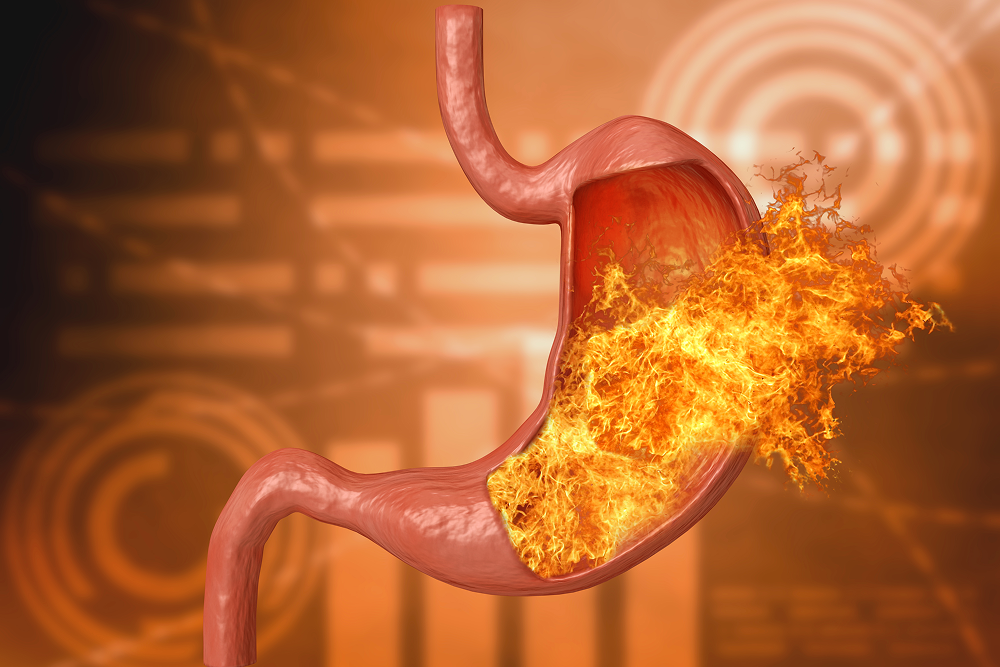
Acidity is a common digestive concern that can cause burning discomfort, sour taste, bloating, belching, and indigestion. Ayurvedic treatment for acidity focuses on understanding digestive imbalance, food habits, daily routines, and individual symptoms rather than treating everyone in the same way. In Ayurveda, acidity-related complaints are traditionally discussed under concepts such as Amlapitta, which is associated with an aggravated Pitta dosha and impaired digestion. Modern medicine, meanwhile, may describe recurring symptoms as acid reflux, heartburn, gastritis, or GERD depending on the underlying cause. This article explains how Ayurveda approaches acidity, dietary habits that may support digestive comfort, and when professional evaluation is important.
What Is Acidity?
Acidity is commonly used to describe symptoms associated with excess stomach discomfort, burning, acid reflux, or indigestion. Heartburn can occur when stomach contents move back into the esophagus, producing a burning sensation behind the breastbone. Acid reflux that occurs repeatedly and causes troublesome symptoms may be classified as gastroesophageal reflux disease, or GERD.
People may experience acidity differently. Some notice burning after meals, while others experience sour belching, bloating, nausea, heaviness, or discomfort in the upper abdomen. Persistent symptoms should not automatically be assumed to be simple acidity because similar complaints can occur with GERD, gastritis, ulcers, medication-related irritation, or other digestive conditions.
Acidity and Ayurveda: Understanding the Traditional Perspective
In Ayurveda, digestion is closely connected with Agni, the body’s digestive fire. Traditional Ayurvedic thinking considers balanced digestion important for overall well-being. Acidity-related symptoms are commonly associated with an imbalance involving Pitta, particularly when factors such as irregular eating, very spicy foods, excessive sour foods, stress, inadequate rest, or unsuitable eating patterns are present.
The Ayurvedic approach therefore looks beyond the immediate sensation of burning. An Ayurvedic practitioner may consider the person’s appetite, bowel habits, food preferences, sleep, daily routine, stress levels, and other digestive symptoms before suggesting an individualized plan.
It is important to understand that Ayurvedic concepts and modern medical diagnoses are not identical. For example, the traditional Ayurvedic concept of Amlapitta should not automatically be considered equivalent to GERD or gastritis. A person with persistent reflux or stomach symptoms may need medical assessment to determine the actual cause.
Common Causes and Triggers of Acidity
Acidity symptoms can be influenced by eating habits and lifestyle factors. Eating very large meals, lying down soon after eating, consuming foods that personally trigger reflux, and irregular meal timing may contribute to symptoms in some people. For individuals with GERD, commonly reported food and drink triggers include spicy foods, high-fat foods, coffee and other caffeine sources, chocolate, mint, alcohol, tomatoes, and citrus foods. However, triggers can vary from person to person.
Other factors can also contribute to reflux. Being overweight or obese, smoking, pregnancy, certain medicines, and conditions such as hiatal hernia can increase the likelihood of GERD or worsen symptoms.
From an Ayurvedic perspective, maintaining regular meals and avoiding habits that disturb digestion are important parts of supporting digestive balance.
Ayurvedic Treatment for Acidity
Ayurvedic treatment for acidity is generally individualized according to symptoms, digestive patterns, diet, lifestyle, and the practitioner’s assessment. Rather than recommending the same remedy for everyone, Ayurveda traditionally aims to identify factors that may be contributing to digestive imbalance.
An Ayurvedic practitioner may focus on improving meal timing, modifying foods that aggravate symptoms, supporting appropriate digestion, and establishing a consistent daily routine. Depending on the individual’s condition, an Ayurvedic practitioner may also consider traditional herbal preparations or other therapies.
Because Ayurvedic medicines can interact with medicines or may not be appropriate for everyone, they should be selected and used under qualified professional guidance. The U.S. National Center for Complementary and Integrative Health also notes that some Ayurvedic preparations have contained potentially toxic levels of heavy metals, highlighting the importance of using appropriately sourced products and professional supervision.
Ayurvedic Medicine for Acidity
People searching for Ayurvedic medicine for acidity may find many products marketed for digestive discomfort. However, the right preparation depends on the individual’s symptoms and overall health. Self-prescribing multiple herbal products simply because they are described as natural is not recommended.
A qualified Ayurvedic doctor can assess whether the symptoms are more consistent with occasional acidity, digestive discomfort, reflux, or another concern and can determine whether an Ayurvedic formulation is appropriate.
The same principle applies to searches for Ayurvedic medicine for GERD. GERD is a medical condition that can require diagnosis and ongoing management. Ayurveda may be considered as a complementary approach, but persistent or severe reflux should be medically evaluated rather than treated solely through self-medication.
Ayurvedic Treatment for Hyperacidity
Hyperacidity is commonly used to describe frequent or pronounced acidity symptoms. From an Ayurvedic perspective, dietary habits, digestion, and Pitta-related factors may be considered when developing a wellness plan.
An Ayurvedic treatment for hyperacidity may therefore involve dietary adjustments, regular meal timing, appropriate lifestyle changes, and practitioner-guided traditional medicines when suitable. The objective should be to support healthy digestion while identifying and reducing individual triggers.
If symptoms occur frequently, interfere with sleep, or continue despite lifestyle changes, professional assessment is important because recurring reflux may indicate GERD or another digestive condition.
Ayurvedic Treatment for Gastritis
Gastritis involves inflammation of the stomach lining, while gastropathy refers to damage to the stomach lining with little or no inflammation. These conditions can have several causes, including H. pylori infection, long-term use of certain pain-relieving medicines, alcohol, bile reflux, and autoimmune conditions.
Therefore, Ayurvedic treatment for gastritis should not be approached as a one-size-fits-all solution. If gastritis is suspected, identifying the underlying cause is important. Depending on the situation, doctors may use medical history, laboratory testing, endoscopy, or other investigations to determine the cause.
Ayurvedic care may be discussed as part of an individualized wellness approach, but it should not replace appropriate diagnosis or treatment for conditions such as H. pylori infection, ulcers, or gastrointestinal bleeding.
Ayurvedic Treatment for Acidity and Gas
Acidity and gas can occur together, particularly when digestive discomfort is associated with bloating, belching, or irregular bowel habits. An Ayurvedic treatment for acidity and gas may focus on eating habits, meal timing, food tolerance, hydration, and lifestyle routines.
Instead of eliminating large numbers of foods unnecessarily, it can be more useful to identify foods that consistently worsen symptoms. Eating slowly, avoiding very large meals, and maintaining a regular eating schedule may support digestive comfort.
Persistent bloating or abdominal discomfort should also be discussed with a healthcare professional because gas and acidity can occur alongside several digestive conditions.
Ayurvedic Treatment for Heartburn
Heartburn is a burning sensation that commonly occurs when stomach contents reflux into the esophagus. Recurrent heartburn can be a symptom of GERD.
An Ayurvedic treatment for heartburn may include individualized dietary and lifestyle recommendations designed to reduce digestive triggers. However, frequent heartburn should not simply be assumed to be a minor digestive issue. If symptoms are persistent or worsening, medical evaluation can help determine whether GERD or another condition is responsible.
Ayurvedic Diet for Acidity
Diet is an important part of managing digestive comfort, but there is no single acidity diet that works for every individual. Foods that trigger symptoms for one person may be tolerated by another.
A practical approach is to focus on moderate portions, regular meals, adequate hydration, and foods that are comfortable for your digestion. People with reflux may need to identify and reduce foods that consistently trigger their symptoms.
Commonly reported GERD triggers include:
- Spicy foods and high-fat meals
- Coffee and other caffeinated drinks
- Chocolate and mint
- Alcohol
- Tomatoes and citrus foods, when they trigger symptoms
These foods do not necessarily need to be permanently eliminated by everyone. Keeping a simple food-and-symptom record can help identify personal triggers.
What Foods Should You Avoid for Acidity?
There is no universal list of foods that every person with acidity must avoid. However, if certain foods repeatedly cause burning, reflux, or discomfort, reducing them may be helpful.
Large meals can also aggravate reflux in some people. If symptoms are worse at night, eating at least three hours before lying down or going to bed may help reduce nighttime symptoms.
Rather than following an extremely restrictive diet, aim for balanced meals and observe how your body responds to different foods.
Lifestyle Tips to Support Better Digestion
Diet is only one part of digestive wellness. Consistent daily habits can also make a difference.
Try to maintain regular meal times and avoid eating very large meals late at night. Eat slowly and give yourself enough time to finish your meal comfortably. If you experience nighttime reflux, avoid lying down immediately after eating. Maintaining a healthy weight, avoiding smoking, and identifying personal food triggers may also help manage GERD symptoms.
Stress management and adequate sleep can also support a healthier daily routine. From an Ayurvedic perspective, maintaining consistency in meals, sleep, and daily activities is considered an important part of supporting digestive balance.
When Should You See an Ayurvedic Doctor in Bangalore?
If acidity occurs occasionally, simple dietary and lifestyle adjustments may help. However, persistent symptoms deserve professional attention.
People searching for Ayurvedic treatment for acidity near me or an Ayurvedic doctor in Bangalore should look for a qualified practitioner who can assess their symptoms rather than relying only on over-the-counter or online remedies.
Professional evaluation is particularly important when symptoms continue despite lifestyle changes, occur frequently, interfere with sleep, or require repeated use of medicines. Persistent reflux may need proper diagnosis and a coordinated treatment approach.
If you experience chest pain, difficulty or pain while swallowing, persistent vomiting, unexplained weight loss, loss of appetite, vomiting blood, or black/tarry stools, seek prompt medical attention. These symptoms can indicate complications or another serious condition and should not be managed through home remedies alone.
Ayurvedic Treatment for Acidity in Bangalore
For people looking for Ayurvedic treatment in Bangalore, Ayurhealing provides an opportunity to explore Ayurveda-based approaches to digestive wellness with professional guidance. A personalized consultation can help understand the individual’s digestive complaints, dietary habits, lifestyle, and overall health before suggesting an appropriate approach.
The goal should be to address contributing habits and support digestive wellbeing while recognizing when conventional medical diagnosis or treatment is necessary.
Conclusion
Acidity treatment with Ayurveda takes a personalized approach to digestive wellness by considering food habits, meal timing, lifestyle, digestion, and individual symptoms. Dietary adjustments and consistent daily routines may help support digestive comfort, while practitioner-guided Ayurvedic care can provide an individualized plan.
At the same time, recurring acidity, heartburn, reflux, or stomach pain should not be ignored. Conditions such as GERD and gastritis can have different causes and may require proper medical evaluation. For individuals seeking Ayurvedic treatment for acidity in Bangalore, working with a qualified Ayurvedic practitioner can help ensure that traditional care is approached responsibly and appropriately alongside necessary medical assessment.