Key Takeaways
- Vitiligo causes patches of skin to lose their natural colour because pigment-producing cells are affected.
- The condition is not contagious and is not caused by poor hygiene.
- Ayurveda offers a traditional framework for personalised care, but its effectiveness for restoring pigmentation has not been established by strong clinical evidence.
- A dermatologist can assess the condition and discuss suitable options, such as topical medicines, phototherapy or other treatments when appropriate.
- Before trying herbal preparations, oils or cleansing therapies, check their ingredients, risks and possible interactions with a qualified healthcare professional.
- People in Bangalore can compare providers by checking qualifications, transparency, hygiene standards and willingness to coordinate care with dermatology services.
Can Ayurveda Help With Vitiligo?
Ayurveda may be considered as a complementary approach to wellbeing for people with vitiligo, but there is insufficient scientific evidence that it can cure vitiligo or reliably restore skin pigmentation. Consult a dermatologist for diagnosis and evidence-based treatment options, and discuss any Ayurvedic therapies with your healthcare professional before starting them.
What Is Vitiligo?
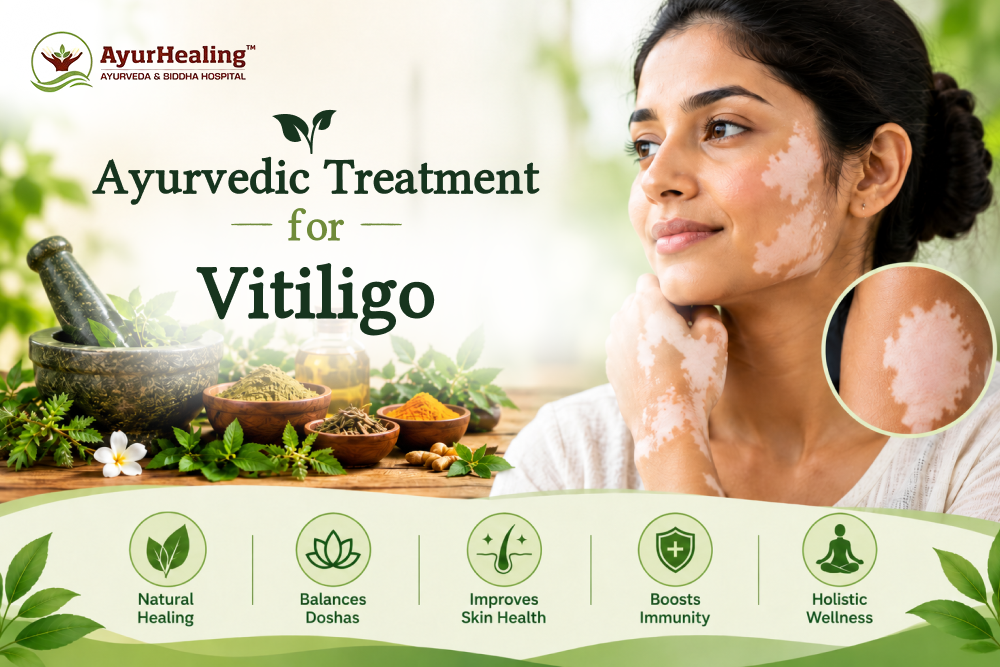
Vitiligo is a skin condition that causes patches of skin to become lighter or completely white. It develops when melanocytes-the cells responsible for producing melanin, the pigment that gives skin its colour-are lost or stop functioning in affected areas.
The patches may appear on the face, hands, arms, feet, around the eyes or mouth, and other parts of the body. Their size, location and rate of progression vary from person to person. Some people experience only a few small patches, while others develop more widespread changes.
Vitiligo can affect people of any skin tone. Although the patches may be more noticeable on darker skin, the condition is not limited to any particular complexion, age group or background.
What Causes Vitiligo?
The exact causes are not fully understood. Research indicates that vitiligo is commonly associated with an autoimmune process in which the body’s immune system affects melanocytes. Genetic factors may also contribute.
Some people notice new patches after skin injury or irritation, a phenomenon known as the Koebner phenomenon. However, not every case has an identifiable trigger.
Vitiligo is not contagious. It cannot be passed from one person to another through touching, sharing food, using the same towels or being physically close to someone.
How Is Vitiligo Understood in Ayurveda?
Ayurveda has a traditional framework for understanding skin conditions, including disorders involving changes in skin colour. Classical Ayurvedic literature describes several skin conditions under broader categories, and some traditional discussions of discoloration may be considered when an Ayurvedic practitioner assesses vitiligo.
The practitioner may consider a person’s symptoms, health history, digestion, daily habits and general wellbeing when planning care. This approach is different from modern dermatology, which uses clinical examination and, where necessary, additional tests to assess pigment loss and rule out other skin conditions.
It is important to distinguish these perspectives. Traditional Ayurvedic explanations are part of an established medical tradition, but they do not independently demonstrate the biological cause of vitiligo or prove that a particular therapy restores pigmentation.
For this reason, anyone exploring Ayurvedic treatment for vitiligo in Bangalore should look for an approach that respects traditional practice while acknowledging the limits of current evidence.
Vitiligo treatment options compared
| Treatment approach | Purpose | Important consideration |
| Dermatologist-recommended treatment | May help manage vitiligo and support repigmentation, depending on the case | Suitability depends on the individual |
| Ayurvedic approaches | May focus on traditional health practices and general wellbeing | Evidence for treating vitiligo is limited; safety varies by treatment |
| Lifestyle and skin care | Helps protect the skin and support general wellbeing | Does not cure vitiligo |
| Follow-up care | Tracks changes and treatment response | Progress and results vary between individuals |
What Does Ayurvedic Treatment for Vitiligo in Bangalore Involve?
There is no single Ayurvedic treatment plan suitable for everyone with vitiligo. The options discussed will depend on the person’s medical history, skin condition, other health concerns and the practitioner’s assessment.
1. Individual Assessment
A qualified practitioner may ask when the patches first appeared, whether they have changed, which areas are affected and whether the person has other symptoms or medical conditions.
A skin examination by a dermatologist is important because several conditions can cause lighter patches. Correct diagnosis should come before starting a treatment plan.
2. Diet and Daily Routine Guidance
An Ayurvedic consultation may include discussion of food habits, sleep, physical activity and daily routines. These recommendations may help a person establish consistent wellness habits, but there is no established diet that cures vitiligo or reliably restores pigmentation.
Avoid restrictive diets or eliminating major food groups without appropriate advice. A balanced diet supports general health, but it should not be presented as a substitute for medical treatment.
3. Herbal Preparations and Oils
Some Ayurvedic practitioners may discuss herbal formulations or topical preparations. Their ingredients, quality, potential benefits and risks can differ considerably.
Do not assume that a product is safe simply because it is labelled natural. Some preparations may contain contaminants, undisclosed ingredients or substances that can cause skin irritation or interact with medicines. Certain substances may also increase sensitivity to sunlight.
Before applying a product to depigmented skin or taking an oral formulation, ask a qualified healthcare professional to review its ingredients and safety. Avoid unverified products that promise permanent repigmentation or guaranteed results.
4. Traditional Therapies
Depending on the practitioner’s assessment, traditional therapies may be discussed as part of broader Ayurvedic care. These should not be assumed to be necessary or effective for vitiligo itself.
Therapies such as Basti or Virechanam are specialised procedures within Ayurveda. They are not established cures for vitiligo, and there is insufficient evidence to recommend them specifically for restoring skin pigment. They may carry risks, particularly when performed without proper screening or supervision.
Never begin a cleansing procedure or intensive treatment solely because it is advertised for vitiligo. Ask what the procedure involves, why it is being recommended, what the risks are and whether it could interfere with other treatments.
Architectural Workflow
Notice white patches on your skin
Consult a dermatologist for diagnosis
Discuss suitable treatment options
Monitor changes and attend follow-up appointments
What Does Modern Medicine Say About Vitiligo Treatment?
Modern dermatology offers several options that may help manage vitiligo. The most suitable approach depends on the extent and location of the patches, how quickly the condition is progressing, the person’s age and other individual factors.
Options a dermatologist may discuss include:
- Topical treatments: Certain prescription creams may help manage selected areas of vitiligo.
- Phototherapy: Medical ultraviolet light treatment may be considered for suitable cases.
- Other specialist treatments: Some people may be candidates for additional prescription treatments or procedures, depending on the type and extent of vitiligo.
- Camouflage and skin protection: Cosmetic products may help even out the appearance of skin tone, while sun protection helps reduce sunburn risk on depigmented areas.
Results vary, and repigmentation may be partial, take time or not occur. New patches can also develop. A dermatologist can explain realistic expectations, side effects and follow-up requirements.
Ayurvedic care, if chosen, should be discussed with the treating dermatologist so that complementary practices do not delay or interfere with appropriate treatment.
Choosing Safe Care for Vitiligo
Use this straightforward decision guide before choosing a treatment provider in Bangalore.
Notice the Skin Changes
Consult a Dermatologist for Diagnosis
Discuss Suitable Evidence-Based Treatment Options
Interested in Complementary Ayurvedic Care?
Check the Practitioner’s Qualifications, Treatment Rationale, Ingredients and Safety Precautions
Coordinate Care and Monitor Changes with Qualified Healthcare Professionals
This process helps you make an informed choice without relying on promises of a quick or permanent cure.
How to Choose an Ayurvedic Hospital in Bangalore for Vitiligo Care
If you are searching online for the best Ayurvedic hospital in Bangalore, focus on the quality and transparency of care rather than promotional claims alone.
Check Qualifications and Registration
Confirm the practitioner’s recognised qualifications, relevant registration and experience. Ask who will assess your condition and supervise any proposed therapy.
Look for Individualised Advice
A responsible practitioner should consider your medical history, current medicines, symptoms and treatment preferences. Be cautious of providers who recommend exactly the same plan to every patient.
Ask About Evidence and Expected Results
Ask what a proposed treatment is intended to achieve, what evidence supports it and how progress will be assessed. Avoid anyone guaranteeing a cure or promising that pigmentation will return within a fixed period.
Review Hygiene and Treatment Safety
If a clinic proposes a procedure, ask about preparation, hygiene, possible adverse effects and aftercare. Herbal products should have clear ingredient information and appropriate quality controls.
Understand Costs and Follow-Up
Request clear information about consultation fees, therapies, medicines and follow-up visits. A transparent provider should explain the expected costs before treatment begins.
Ayurhealing is a starting point for learning about the organisation. Contact the clinic directly to confirm its current services, practitioner credentials and whether it is suitable for your particular concerns. Do not assume that every therapy mentioned in general Ayurvedic literature is offered by the clinic.
Can Lifestyle Habits Support People Living With Vitiligo?
Daily habits cannot be relied upon to reverse vitiligo, but practical self-care may support general wellbeing and help protect affected skin.
Protect Your Skin From Sunburn
Areas with less pigment may burn more easily. Use appropriate broad-spectrum sunscreen, protective clothing and shade, especially during prolonged outdoor activities.
Avoid Unnecessary Skin Irritation
Cuts, burns, friction and certain skin injuries may trigger new patches in some people. Choose gentle skin-care products and discuss recurring irritation with a dermatologist.
Maintain a Balanced Routine
Regular sleep, balanced meals and manageable physical activity support overall health. There is no need to follow an extreme routine or restrictive diet specifically to treat vitiligo.
Look After Emotional Wellbeing
Visible skin changes can affect confidence, relationships and social comfort. If vitiligo is causing distress, consider speaking with a counsellor or joining a supportive community. Emotional support is a valid part of care.
Conclusion
Vitiligo can affect more than skin colour it may also influence confidence and everyday life. Understanding the condition, getting an accurate diagnosis and choosing safe, realistic care are important first steps.
For people exploring Ayurvedic treatment for vitiligo in Bangalore, traditional approaches may be of interest as complementary care. However, current evidence does not establish Ayurveda as a cure for vitiligo, and no treatment should be presented as guaranteeing permanent repigmentation.
Start with a dermatologist, ask informed questions about any complementary therapy and keep your healthcare professionals updated about the products or procedures you use. To learn more about Ayurhealing and confirm its current services, Contact Ayurhealing. Choose care that prioritises your safety, respects your preferences and sets realistic expectations.