Ayurveda for Weight Loss: Natural Approaches to Healthy Fat Loss

Ayurveda weight loss approaches healthy weight management by looking beyond calories and exercise alone. It considers food habits, digestion, daily routines, sleep, activity, stress, and an individual’s overall constitution. For people exploring Ayurveda fat loss, the goal is not simply to lose weight quickly, but to develop sustainable habits that support a healthier lifestyle.

Modern weight management can be challenging because factors such as irregular meals, sedentary routines, poor sleep, stress, and highly processed foods can all influence weight. Ayurveda offers a traditional framework for addressing these lifestyle patterns through personalised diet and daily-routine guidance.

At Ayurhealing, Ayurvedic care can be tailored to an individual’s needs, helping them understand how traditional Ayurvedic principles may complement a healthy approach to weight management.

Why Is Losing Weight Sometimes Difficult?

Weight gain is rarely caused by just one factor. Eating patterns, physical activity, sleep, stress, medications, genetics, age, and certain medical conditions can all influence body weight.

Many people try restrictive diets and short-term programmes, only to return to previous eating habits once the programme ends. This cycle can make sustainable weight management difficult.

A more practical approach is to gradually improve everyday habits.

Healthy weight loss is generally about creating sustainable lifestyle changes rather than searching for a quick solution.

This is where people interested in Ayurveda to reduce weight may find value in a personalised approach.

What Does Ayurveda Say About Weight Management?

Traditional Ayurveda describes body composition and metabolism through concepts such as Agni (digestive and metabolic capacity), Ahara (food), Vihara (lifestyle), and the balance of the Doshas.

Ayurvedic practitioners may consider factors such as appetite, digestion, food preferences, activity levels, sleep patterns, stress, and individual constitution when developing a plan.

This means an Ayurvedic treatment for weight loss does not necessarily look the same for every person.

One individual may need to focus primarily on meal timing and portion awareness, while another may benefit from improving physical activity, sleep consistency, or dietary quality.

Personalisation is one of the key principles of traditional Ayurvedic care.

Ayurveda Fat Loss: A Sustainable Perspective

The phrase Ayurveda fat loss is often associated with rapid weight reduction. However, a responsible Ayurvedic approach should focus on overall health and sustainable weight management rather than promising dramatic results in a short period.

Healthy fat loss typically involves creating appropriate changes in food intake and physical activity while considering an individual’s health status.

Ayurveda may complement these efforts by encouraging structured daily routines, mindful eating, appropriate food choices, and attention to digestion and lifestyle.

It is important to remember that Ayurveda should not replace evidence-based medical evaluation when weight gain is associated with an underlying medical condition.

Ayurvedic Diet Plan for Weight Loss

Food is an important part of traditional Ayurvedic lifestyle guidance. An Ayurvedic diet plan for weight loss should ideally be personalised instead of copied from a generic online diet chart.

A practitioner may consider your usual eating schedule, appetite, digestion, activity level, food preferences, and health needs before making recommendations.

Rather than focusing only on eliminating particular foods, the emphasis can be placed on improving the overall quality and consistency of meals.

Choosing Better Foods

When planning meals, nutrient-dense foods can form the foundation of a healthy eating pattern. Depending on individual dietary requirements, this may include vegetables, fruits, whole grains, legumes, pulses, nuts, seeds, and appropriate sources of protein.

People often search for the best foods for weight loss, but there is no single food that causes weight loss by itself.

A better question is: Which foods can help me maintain balanced, satisfying meals while supporting my overall health?

For many people, reducing frequent consumption of highly processed foods, sugary drinks, and excessive portions can be more practical than following an unnecessarily restrictive diet.

Ayurvedic Medicine for Weight Loss: What You Should Know

Searches for ayurvedic medicine for weight loss are common, particularly among people looking for a natural alternative to conventional weight-loss products.

However, “natural” does not automatically mean safe or appropriate for everyone. Herbal preparations can have active ingredients and may interact with medicines or be unsuitable for people with certain health conditions.

Ayurvedic medicines should be selected and used under the guidance of a qualified Ayurvedic practitioner.

A professional assessment is particularly important if you are pregnant, taking prescription medicines, have a chronic health condition, or are considering multiple supplements at the same time.

Avoid products that promise extremely rapid weight loss or guaranteed fat burning.

Ayurveda Therapy for Weight Loss

Depending on the individual’s assessment, traditional Ayurvedic care may incorporate selected therapies alongside dietary and lifestyle recommendations.

The purpose should be to support an individual’s broader health and weight-management plan rather than treating a therapy as a standalone solution for fat loss.

An Ayurveda therapy for weight loss plan should therefore be personalised and professionally supervised.

The specific approach can vary according to the individual’s constitution, health status, lifestyle, and treatment goals.

Lifestyle Habits That Support Healthy Weight Management

Ayurveda places considerable importance on daily routine. This can be particularly relevant for people whose eating and sleeping patterns have become irregular.

Instead of making many changes at once, start with a few realistic habits.

Make Meals More Consistent

Try to maintain reasonably consistent meal timings and avoid routinely skipping meals and then overeating later.

Eating slowly and paying attention to hunger and fullness can also support mindful eating.

Prioritise Movement

Regular physical activity is an important component of healthy weight management. Walking, strength exercises, yoga, or other forms of activity can be selected according to fitness level and medical suitability.

Improve Sleep

Poor sleep can make healthy eating and weight management more difficult. Establishing a regular sleep schedule and reducing unnecessary screen exposure before bedtime may support better sleep habits.

Manage Everyday Stress

Stress can influence eating behaviour, sleep, and daily routines. Breathing exercises, meditation, appropriate physical activity, and other relaxation practices may help support overall wellbeing.

Small, consistent improvements are often more sustainable than extreme short-term changes.

Ayurvedic Fat Loss Treatment: Who May Benefit?

People considering Ayurvedic fat loss treatment may include those who want professional guidance on diet, lifestyle, traditional Ayurvedic principles, and healthy weight management.

However, weight gain can sometimes be associated with conditions such as thyroid disorders, polycystic ovary syndrome, certain medications, sleep disorders, or other health issues.

For this reason, unexplained or significant weight gain should not simply be attributed to lifestyle or treated with self-prescribed herbal products.

A qualified practitioner can help determine whether an Ayurvedic approach is appropriate and whether further medical evaluation may be necessary.

Ayurvedic Weight Loss Treatment in Bangalore

For people searching for Ayurvedic weight loss treatment locally, choosing the right practitioner is important.

If you are looking for the Best Ayurvedic Doctor in Bangalore, consider professional qualifications, relevant experience, personalised consultation, transparency about treatment recommendations, and responsible communication about expected outcomes.

An Ayurvedic clinic in Bangalore should ideally provide clear information about the proposed treatment approach rather than making unrealistic promises about rapid weight loss.

At Ayurhealing, the emphasis can be placed on understanding the individual’s needs and creating a personalised approach that combines Ayurvedic principles with practical lifestyle guidance.

Ayurveda to Reduce Weight: What Results Can You Expect?

There is no universal timeline for healthy weight loss. Results can differ according to starting weight, diet, activity, sleep, age, health conditions, medications, and consistency with lifestyle changes.

It is therefore better to focus on measurable improvements in habits and overall health rather than expecting a specific number of kilograms to disappear within a fixed period.

A sustainable weight-management plan should be realistic, personalised, and focused on long-term health.

Begin Your Weight-Management Journey with Ayurhealing

Healthy weight management is not simply about reducing the number on a weighing scale. It involves building eating habits, activity patterns, sleep routines, and lifestyle practices that can be maintained over time.

Ayurveda weight loss focuses on understanding the individual rather than prescribing exactly the same approach to everyone.

If you are considering Ayurvedic treatment for weight loss, professional guidance can help you choose an approach that is appropriate for your individual needs. Ayurhealing provides Ayurvedic care with an emphasis on personalised assessment, traditional principles, and practical lifestyle guidance.

For individuals searching for the Best Ayurvedic doctor in Bangalore or an Ayurvedic clinic in Bangalore, a personalised consultation can be a useful first step toward understanding your options for healthy weight management.
FAQs

Ayurveda may support healthy weight management through personalised dietary, lifestyle, and traditional treatment approaches. However, individual results vary, and it should not be presented as a guaranteed method for rapid weight loss.

An Ayurvedic treatment for weight loss may include personalised dietary advice, lifestyle recommendations, physical activity guidance, herbal preparations, and selected traditional therapies, depending on an individual's assessment.

Some Ayurvedic medicines and herbal preparations are traditionally used in Ayurvedic practice, but they are not suitable for everyone. Use them only with guidance from a qualified practitioner, particularly if you take other medicines or have an existing health condition.

There is no single “best” food for weight loss. A balanced diet containing vegetables, fruits, whole grains, legumes, pulses, healthy sources of protein, and appropriate portions can support a healthy eating pattern.

People looking for Ayurvedic weight loss treatment in Bangalore should choose a qualified Ayurvedic practitioner or established Ayurvedic clinic that provides personalised assessment and avoids unrealistic weight-loss claims.

Ayurvedic Treatment for Skin Whitening: Herbs, Benefits & Skin Care Tips

Ayurvedic skin whitening treatment in Bangalore is increasingly searched by people looking for natural approaches to dullness, pigmentation, tanning, dark spots, and uneven skin tone. Ayurveda traditionally focuses on supporting healthy skin through personalised care, appropriate diet, lifestyle habits, herbal preparations, and external therapies. Rather than promising to change your natural complexion, Ayurvedic skin care aims to support clearer, healthier-looking, and more even-toned skin. If pigmentation or skin discolouration is persistent, understanding its underlying cause is important before choosing any treatment. At Ayurhealing, Ayurvedic skin care is approached according to individual needs and overall health.

Understanding Skin Tone, Pigmentation and Skin Health

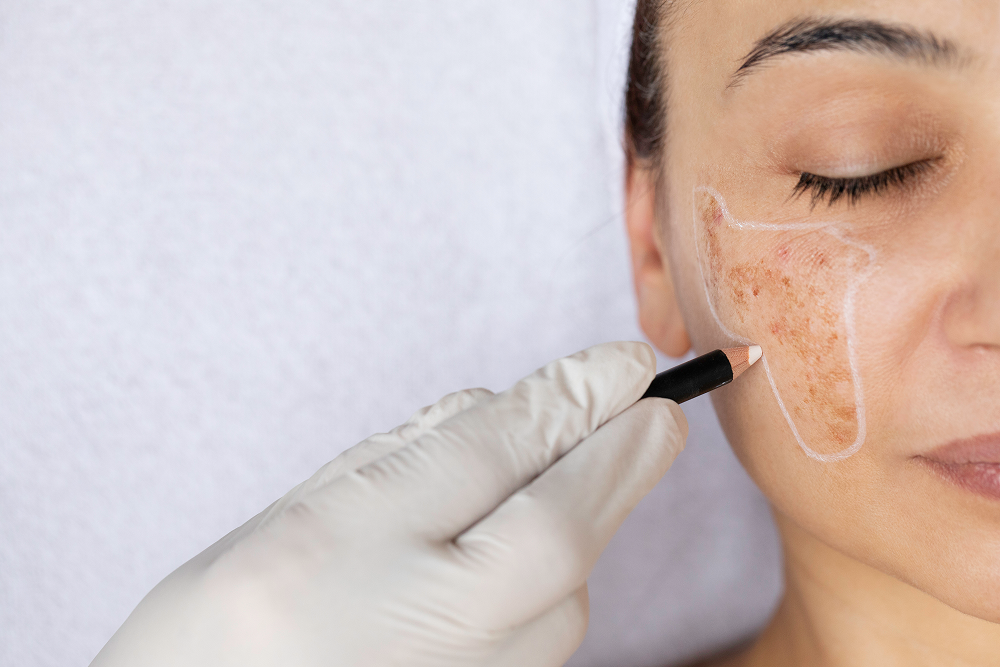
Skin colour is naturally influenced by genetics and melanin, the pigment responsible for the colour of the skin, hair, and eyes. Uneven pigmentation can develop for several reasons, including sun exposure, hormonal changes, acne, inflammation, ageing, and certain medications.

This is why Ayurvedic skin whitening treatment should not be understood as a method for changing someone’s natural skin colour. A more realistic goal is to support healthy skin and address concerns such as tanning, dullness, pigmentation, and uneven appearance.

For example, someone experiencing dark marks after acne may need a different approach from someone whose main concern is sun-related tanning. Similarly, facial pigmentation associated with hormonal changes may require professional evaluation.

Healthy skin is not defined by how fair it is. The focus should be on skin health, an even appearance, and addressing the factors contributing to pigmentation.

How Ayurveda Approaches Skin Care

Ayurveda views the skin as an important reflection of overall health. Traditional Ayurvedic care considers factors such as digestion, diet, sleep, daily routine, stress, environment, and individual constitution.

An Ayurvedic practitioner may therefore look beyond the skin itself when developing a treatment plan. Your food habits, lifestyle, existing health concerns, and skin history can all be relevant.

This holistic approach may include Ayurvedic skin care, dietary recommendations, lifestyle changes, herbal preparations, and suitable external therapies.

The exact treatment should be personalised rather than based on a generic home remedy or a single herbal product.

Ayurvedic Lifestyle for Healthier-Looking Skin

Daily habits can have an important role in maintaining healthy skin. Adequate sleep, balanced nutrition, regular physical activity, stress management, and appropriate sun protection can all support general skin health.

An Ayurvedic lifestyle may encourage regular routines and freshly prepared, balanced meals suited to individual requirements.

Hydration is also important, although simply drinking excessive amounts of water does not automatically improve pigmentation. Skin care should be approached as part of overall health rather than relying on one particular habit.

Ayurvedic Herbs for Healthy, Glowing Skin

Interest in Ayurvedic herbs for skin care has grown considerably. Traditional Ayurvedic practice uses a variety of herbs and plant-based ingredients in external preparations and formulations.

Depending on the individual’s needs, Ayurvedic practitioners may consider ingredients traditionally associated with skin care, such as turmeric, neem, sandalwood, aloe vera, and manjistha.

However, an herb being natural does not automatically make it suitable for every person or every skin type. Concentrated extracts can cause irritation or allergic reactions, particularly when applied directly to sensitive skin.

It is therefore better to use professionally recommended preparations rather than experimenting with strong herbal mixtures at home.

Turmeric

Turmeric is traditionally used in Indian skin-care practices and is valued for its antioxidant and anti-inflammatory properties. It is commonly incorporated into various traditional external preparations.

However, turmeric-based preparations can stain the skin temporarily and may irritate sensitive individuals.

Neem

Neem has a long history of traditional use in skin care. It is commonly associated with cleansing and maintaining healthy-looking skin.

Its suitability depends on the formulation and the individual’s skin sensitivity.

Manjistha

Manjistha is traditionally used in Ayurveda in formulations associated with skin health. Ayurvedic practitioners may consider it when developing personalised herbal care.

The appropriate formulation and method of use should be determined according to individual requirements.

Ayurvedic Remedy for Pigmentation

People often search for an Ayurvedic remedy for pigmentation, especially when dealing with dark patches, acne marks, or uneven skin tone.

There is no single Ayurvedic remedy that is appropriate for every type of pigmentation. The underlying cause should be considered first.

For example, pigmentation following acne may require an approach that also addresses acne and inflammation. Sun-related tanning requires consistent sun protection, while persistent or unusual pigmentation may require assessment by a dermatologist.

Ayurvedic care may complement a broader skin-care routine through appropriate diet, lifestyle recommendations, herbal preparations, and traditional therapies.

The most effective skin-care plan is one that addresses the cause of the concern rather than simply attempting to lighten the visible mark.

Ayurvedic Treatment for Tanning

Sun exposure can increase melanin production and lead to tanning. People searching for Ayurvedic treatment for tanning may be interested in traditional herbal skin-care methods.

Ayurvedic external therapies and herbal preparations may be incorporated into a personalised skin-care programme. However, preventing repeated sun exposure is equally important.

Using broad-spectrum sunscreen, wearing protective clothing, seeking shade, and limiting prolonged direct sun exposure can help reduce further tanning.

An Ayurvedic approach can therefore focus on supporting healthy skin while conventional sun-protection practices remain an essential part of care.

Ayurvedic Treatment for Dark Spots

Ayurvedic treatment for dark spots may involve a combination of external skin care and lifestyle guidance, depending on the reason for the pigmentation.

Dark spots can develop after acne, inflammation, sun exposure, insect bites, or other skin injuries. Because the cause varies, treatment should also vary.

At Ayurhealing, an Ayurvedic practitioner can assess the individual’s skin concerns and determine whether an Ayurvedic skin therapy or herbal preparation is appropriate.

Persistent, rapidly changing, painful, bleeding, or unusual dark spots should be evaluated by a dermatologist rather than treated solely with home remedies.

Mukha Lepam in Ayurvedic Skin Care

Mukha Lepam is a traditional Ayurvedic external therapy involving the application of specially selected herbal pastes or preparations to the face.

Depending on the formulation, traditional Ayurvedic practitioners may use Mukha Lepam as part of facial skin care for concerns such as dullness, uneven appearance, and certain pigmentation-related concerns.

The ingredients and preparation should be selected according to the person’s skin type and treatment requirements.

Mukha Lepam should not be confused with a cosmetic facial. It is a traditional Ayurvedic procedure that should be performed using appropriate formulations and professional guidance.

Ayurvedic Face Treatment and Skin Therapy

An Ayurvedic face treatment may combine traditional external applications with personalised lifestyle and dietary recommendations.

Similarly, Ayurvedic facial treatment can be considered when a practitioner believes that external Ayurvedic care is appropriate for the individual’s skin concerns.

The purpose should be to support healthy-looking skin rather than promise permanent fairness.

An Ayurvedic skin therapy programme may include different approaches depending on whether the individual is concerned about pigmentation, tanning, dryness, acne-related marks, or general dullness.

Acne Treatment and Pigmentation

Acne and pigmentation are often connected. Inflammation from acne can leave darker marks after the original spot has healed. These marks may take time to fade.

Therefore, acne treatment and pigmentation care may need to be considered together.

Avoiding excessive scrubbing, picking, or squeezing acne, and using suitable skin-care products can help prevent additional irritation.

If acne is persistent, severe, painful, or leaving significant scars, professional dermatological evaluation may be appropriate alongside any complementary Ayurvedic care.

What About Ayurvedic Cream for Pigmentation?

Searches for ayurvedic cream for pigmentation are common, but consumers should be careful when choosing over-the-counter products.

A cream marketed as Ayurvedic may contain multiple herbal ingredients, and individual products can vary considerably in formulation and quality.

Before applying a new product to the face, check its ingredients and follow professional advice if you have sensitive skin, allergies, active acne, eczema, or another skin condition.

Avoid products that promise instant fairness or dramatic skin-lightening results.

A healthy skin-care programme should prioritise safety and long-term skin health.

Choosing an Ayurvedic Clinic in Bangalore

If you are searching for an Ayurvedic clinic in Bangalore for pigmentation or skin care, consider the practitioner’s qualifications and consultation process rather than choosing a clinic solely because it appears in search results.

A good consultation should involve understanding your skin history, lifestyle, existing conditions, medications, previous treatments, and specific concerns.

People looking for the Best Ayurvedic doctor for skin in Bangalore should also check whether the practitioner provides personalised recommendations rather than offering the same treatment to every patient.

For persistent or medically significant skin conditions, Ayurvedic care can be discussed alongside appropriate dermatological evaluation.

Ayurvedic Skin Care at Ayurhealing

At Ayurhealing, the approach to skin care focuses on individual requirements rather than a one-size-fits-all solution.

The treatment plan may consider lifestyle, diet, skin type, pigmentation concerns, acne history, and overall health before recommending suitable Ayurvedic care.

Traditional approaches such as Mukha Lepam or other Ayurvedic external therapies may be considered when appropriate.

The objective is to support healthy, clear, and balanced-looking skin while avoiding unrealistic promises about changing natural skin colour.

Ayurvedic skin care works best when it is personalised, consistent, and focused on long-term skin health.

Simple Ayurvedic-Inspired Skin Care Habits

You do not need a complicated routine to support healthier-looking skin. Simple habits can make a meaningful difference when followed consistently.

Choose a balanced diet containing a variety of vegetables, fruits, whole grains, legumes, nuts, and other nutrient-rich foods according to your dietary requirements. Maintain a regular sleep schedule and manage stress through appropriate activities such as yoga, breathing exercises, or meditation.

Most importantly, protect your skin from excessive sun exposure. Sunscreen and physical protection are particularly important if pigmentation or tanning is a concern.

Avoid repeatedly changing products or applying strong homemade mixtures to the face. Gentle, consistent skin care is generally preferable to aggressive attempts at rapid skin lightening.

Conclusion

Ayurvedic treatment for skin whitening is best approached as a broader programme for supporting healthy, clear, and even-looking skin rather than as a promise to change natural complexion.

Ayurvedic principles can be incorporated into skin care through personalised nutrition, healthy routines, appropriate herbal preparations, sun protection, and traditional therapies such as Mukha Lepam.

If you are experiencing pigmentation, tanning, dark spots, acne marks, or dullness, identifying the underlying cause is an important first step. A personalised consultation can help determine whether Ayurvedic skin care is suitable for your particular concern.

For people searching for Ayurvedic skin whitening treatment in Bangalore, Ayurvedic skin therapy, or an Ayurvedic face treatment, Ayurhealing provides an individualised approach focused on long-term skin health.

Healthy skin is about more than complexion-it is about caring for your skin safely, consistently, and holistically.

FAQs

There is no single Ayurvedic medicine that is proven to safely change a person's natural skin colour. Ayurvedic care may instead focus on pigmentation, tanning, dullness, and uneven skin tone through personalised herbal and lifestyle recommendations.

Ayurvedic skin care may support healthier-looking and more even-toned skin through personalised diet, lifestyle guidance, herbal preparations, and traditional external therapies. Results depend on the underlying cause of pigmentation and the individual's skin.

Turmeric, neem, sandalwood, aloe vera, and manjistha are among the ingredients traditionally used in Ayurvedic skin care. Their suitability depends on the formulation and the individual's skin type, so concentrated preparations should be used with appropriate guidance.

There is no single treatment that is best for every dark spot. The cause should first be identified. Depending on the concern, an Ayurvedic practitioner may recommend personalised skin care, herbal preparations, lifestyle changes, or traditional therapies such as Mukha Lepam.

Ayurvedic skin care may support healthier-looking skin after sun exposure, but no treatment should be expected to permanently change natural skin colour. Consistent sun protection is essential to prevent further tanning and pigmentation.

Shirodhara Treatment Near Me in Bangalore: Benefits & Procedure

If you are searching for Shirodhara treatment near me, you may be looking for a qualified Ayurvedic healthcare provider offering this traditional therapy under professional supervision. Shirodhara is a classical procedure in Ayurveda in which a carefully selected liquid is poured in a continuous stream over the forehead for a prescribed duration. People in Bangalore increasingly explore Shirodhara as part of personalised Ayurvedic care for concerns related to stress, disturbed sleep, mental fatigue, and overall wellbeing. However, a proper Shirodhara treatment should begin with an individual consultation rather than a standardised procedure.

What Is Shirodhara Treatment?

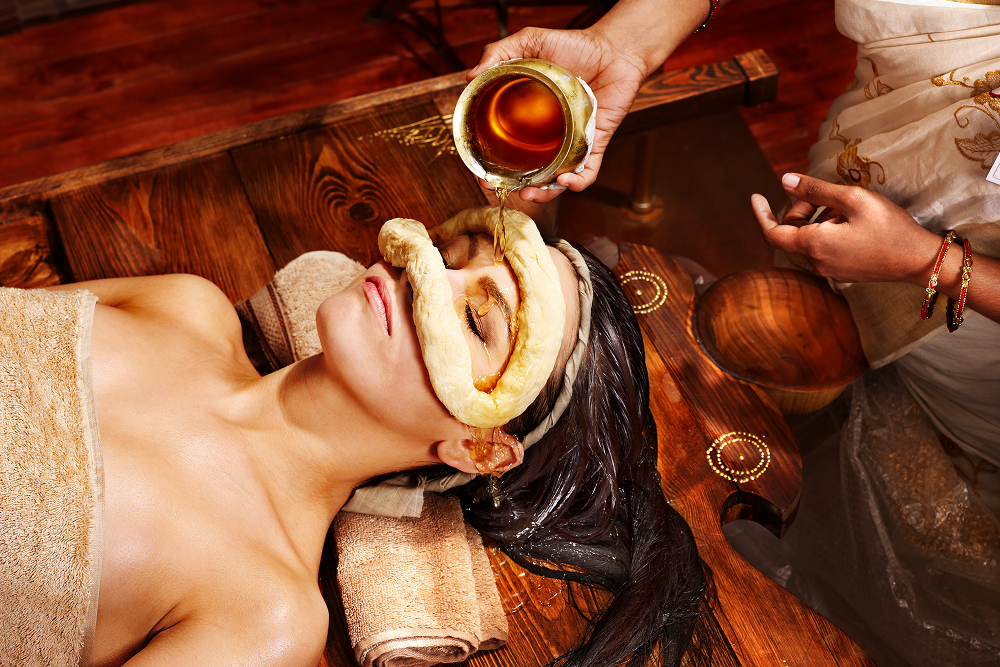
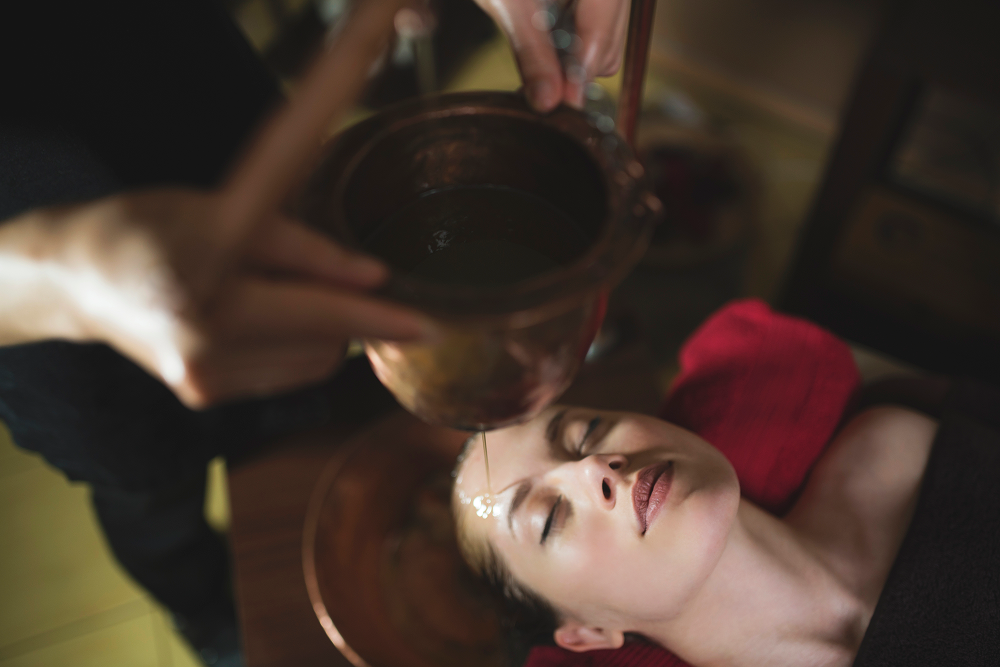
Shirodhara is a traditional Ayurvedic procedure in which a steady and controlled stream of a suitable liquid is poured over the forehead, particularly the area traditionally associated with the Ajna region.

The word “Shirodhara” comes from two Sanskrit words:

  • Shiro – referring to the head
  • Dhara – referring to a continuous flow

Depending on the individual’s condition and Ayurvedic assessment, the liquid used may include medicated oils, herbal decoctions, milk-based preparations, or other traditional formulations.

Shirodhara is not a one-size-fits-all treatment. The preparation, duration, frequency, and overall treatment plan should be selected by a qualified Ayurvedic physician.

Although some people refer to the procedure as a Shirodhara massage, Shirodhara itself is distinct from conventional massage. It is a therapeutic Ayurvedic procedure with a specific method and purpose.

Why Are People Searching for Shirodhara Near Me?

The growing number of people searching online for “Shirodhara near me” reflects increasing interest in traditional Ayurvedic healthcare. Bangalore’s demanding work culture, long commuting hours, screen exposure, irregular routines, and high levels of daily pressure can affect sleep patterns and overall well-being.

Many people explore Ayurveda as a complementary healthcare approach when they experience concerns such as:

  • Persistent mental fatigue
  • Difficulty relaxing
  • Disturbed sleep patterns
  • Stress-related discomfort
  • Head heaviness or tension
  • General exhaustion

However, these symptoms can have different causes. Persistent sleep problems, severe headaches, anxiety, depression, or other significant health concerns should be evaluated by an appropriate healthcare professional.

An Ayurvedic consultation can help determine whether Shirodhara is suitable as part of an individual’s broader treatment plan.

Traditional Benefits of Shirodhara Therapy

In classical Ayurveda, Shirodhara is traditionally used as part of a personalised therapeutic approach. The potential benefits depend on the individual’s health condition, constitution, and treatment plan.

May Support Relaxation and Mental Calmness

One of the most commonly discussed traditional benefits of Shirodhara therapy is its calming nature. The continuous and controlled flow used during the procedure is traditionally considered to support relaxation.

For individuals dealing with demanding routines and mental fatigue, Shirodhara may be incorporated into a broader Ayurvedic treatment programme when considered appropriate by the physician.

The goal should not be to promise an instant cure but to provide a personalised traditional therapeutic approach.

May Support Healthy Sleep Patterns

Sleep is an important part of overall health. In Ayurveda, disturbed sleep patterns may be assessed in relation to lifestyle, diet, mental state, and individual constitution.

Shirodhara is traditionally used in some Ayurvedic treatment plans involving sleep-related concerns. However, chronic insomnia or persistent sleep disturbances require proper medical evaluation to identify possible underlying causes.

May Help With Feelings of Mental Fatigue

Long hours of concentration, digital work, and continuous responsibilities can contribute to mental tiredness.

Shirodhara is traditionally regarded as a procedure that may support a sense of mental rest and comfort. Individual experiences may vary, and the therapy should not replace medical treatment for diagnosed neurological or mental health conditions.

Supports a Personalised Ayurvedic Approach

A major principle of Ayurveda is individualisation. Two people experiencing similar symptoms may receive different treatment recommendations based on their constitution and overall health assessment.

This is why consulting an Ayurvedic doctor near me should involve more than simply booking a procedure. The physician should understand your health history and determine whether Shirodhara is suitable.

How Is Shirodhara Treatment Performed?

A professional Shirodhara treatment generally begins with a consultation and assessment by an Ayurvedic physician.

The patient is positioned comfortably, and the selected liquid is prepared according to the treatment plan. The liquid is then poured in a controlled, continuous stream over the forehead for a specified duration.

The exact procedure may differ depending on:

  • The individual’s Ayurvedic assessment
  • The purpose of the treatment
  • The type of liquid selected
  • The duration recommended by the physician
  • Whether other Ayurvedic therapies are part of the treatment plan

Following the procedure, the patient may receive guidance regarding rest, diet, routine, or follow-up treatment.

The type and duration of Shirodhara should always be decided by a qualified Ayurvedic practitioner.

Different Types of Shirodhara in Ayurveda

Ayurveda includes different forms of Dhara therapy depending on the liquid used and the therapeutic purpose.

Taila Dhara

Taila Dhara uses suitable medicated oils. The specific oil and formulation are selected based on the individual’s assessment and treatment requirements.

Takra Dhara

Takra Dhara traditionally uses a buttermilk-based preparation. A physician may recommend it in specific Ayurvedic treatment contexts based on their evaluation.

Ksheera Dhara

Ksheera Dhara uses milk or a suitably prepared milk-based formulation. Like other forms of Dhara, its use depends on individual treatment requirements.

Kwatha Dhara

Kwatha Dhara involves herbal decoctions prepared according to traditional Ayurvedic principles.

Not every type of Shirodhara is suitable for every individual. A physician should determine the appropriate method after consultation.

Finding Authentic Shirodhara Treatment Near Me in Bangalore

When searching for Shirodhara treatment near me or Shirodhara therapy near me, location is important, but the quality of medical assessment should be equally important.

Before choosing a provider, consider whether the treatment is offered under the guidance of a qualified Ayurvedic physician. A professional healthcare setting should assess your condition before recommending a procedure.

It is also important to understand the treatment being recommended. You should be able to ask about the type of Shirodhara, the preparation being used, the expected treatment duration, and any precautions that may apply.

Be cautious of providers making unrealistic promises such as guaranteed cures for anxiety, insomnia, migraines, or neurological disorders.

Authentic Ayurvedic care should focus on appropriate assessment and personalised treatment rather than exaggerated claims.

Shirodhara Therapy Bangalore: Why Choose a Qualified Ayurvedic Doctor?

Bangalore has many clinics and centres offering Ayurvedic therapies. However, the availability of a procedure does not automatically mean that it is suitable for every person.

When considering Shirodhara therapy Bangalore, consulting a qualified Ayurvedic physician provides an opportunity for individual assessment.

A professional consultation may consider:

  • Your current health concerns
  • Medical history
  • Lifestyle and daily routine
  • Existing medications
  • Previous treatments
  • Whether Shirodhara is appropriate for you

This approach is particularly important for people with chronic health conditions or those already receiving medical treatment.

Ayurvedic Shirodhara Bangalore at AyurHealing

AyurHealing Ayurveda & Siddha Hospital in Koramangala provides traditional Ayurvedic healthcare with a focus on individual assessment and personalised treatment planning.

For people searching for Ayurvedic Shirodhara Bangalore, a consultation at AyurHealing can help determine whether Shirodhara is appropriate based on individual health needs.

The treatment approach at an Ayurvedic healthcare facility should consider more than one procedure. Depending on the assessment, a physician may recommend appropriate Ayurvedic medicines, dietary guidance, lifestyle modifications, or other traditional therapies as part of a broader care plan.

AyurHealing’s location in Koramangala also makes it accessible to people searching for Ayurvedic treatment in Bangalore from nearby areas.

Who Should Consult a Doctor Before Shirodhara?

Although Shirodhara is a traditional Ayurvedic procedure, professional consultation is important before beginning treatment.

People with existing medical conditions, recent surgeries, severe headaches, neurological symptoms, uncontrolled health conditions, or ongoing medications should discuss their situation with an appropriate healthcare professional.

Women who are pregnant and individuals with acute illnesses should also seek professional advice before undergoing any therapeutic procedure.

A qualified Ayurvedic physician can determine whether Shirodhara is suitable, needs modification, or should be avoided.

Shirodhara and a Holistic Ayurvedic Treatment Approach

Shirodhara is only one component of Ayurveda. Traditional Ayurvedic healthcare may also consider diet, sleep, daily routine, physical activity, medicines, and other therapeutic procedures.

For example, a person experiencing disturbed sleep may benefit from a broader assessment of their daily routine and health rather than relying on a single therapy.

Similarly, someone experiencing stress-related symptoms may require lifestyle changes alongside any recommended Ayurvedic treatment.

This is why a consultation-based approach is valuable. The most appropriate treatment plan is based on the individual rather than the popularity of a particular therapy.

Consult AyurHealing for Shirodhara Treatment in Bangalore

Searching for Shirodhara treatment near me is often the first step towards finding a suitable Ayurvedic healthcare provider. However, choosing the right place should involve more than proximity alone.

A proper Shirodhara programme begins with understanding the individual’s health, concerns, and suitability for treatment. At AyurHealing Ayurveda & Siddha Hospital, traditional Ayurvedic principles are applied through personalised assessment and physician-guided care.

If you are looking for Shirodhara therapy near me, Ayurvedic treatment Bangalore, or a qualified Ayurvedic doctor near me, a professional consultation can help you understand whether Shirodhara is appropriate for your individual health needs.

For persistent or serious health concerns, always seek appropriate medical evaluation. Ayurvedic treatment can be considered as part of an integrated and responsible approach to healthcare when clinically appropriate.

FAQs

Shirodhara is a traditional Ayurvedic procedure involving a continuous and controlled flow of a suitable liquid over the forehead for a prescribed period. The preparation and procedure are selected according to an individual's Ayurvedic assessment.

Shirodhara is traditionally associated with supporting relaxation, mental calmness, and healthy sleep patterns. Individual responses vary, and it should not be presented as a guaranteed cure for medical or mental health conditions.

The duration can vary depending on the individual's treatment plan and the physician's recommendation. A qualified Ayurvedic practitioner determines the appropriate duration and frequency.

No. Although some people search for Shirodhara massage, Shirodhara is a distinct Ayurvedic therapeutic procedure involving the controlled flow of a selected liquid over the forehead. It is not the same as a conventional body massage.

If you are searching for Shirodhara near me in Bangalore, consult a qualified Ayurvedic healthcare provider that offers an individual assessment before treatment. AyurHealing Ayurveda & Siddha Hospital in Koramangala provides Ayurvedic consultations and traditional treatment approaches.

Netra Tarpana Benefits: An Ayurvedic Therapy for Eye Health

Netra Tarpana benefits are increasingly being explored by people looking for traditional approaches to eye wellness, particularly those experiencing dryness, tiredness, or screen-related eye discomfort. In Ayurveda, Netra Tarpana is a traditional eye-care procedure in which suitably prepared medicated ghee is retained around the eyes for a prescribed period under professional supervision. As modern lifestyles involve prolonged screen exposure and demanding visual tasks, interest in Netra Tarpana Ayurvedic treatment has grown among people seeking complementary approaches to eye care. However, Netra Tarpana should be considered as a traditional supportive therapy and not a replacement for an eye examination or treatment recommended by an ophthalmologist.

What Is Netra Tarpana in Ayurveda?

Netra Tarpana, also referred to as Akshi Tarpana, is a classical Ayurvedic procedure associated with Netra Kriyakalpa, the traditional branch of Ayurvedic practices concerned with eye care.

The Sanskrit term “Netra” refers to the eyes, while “Tarpana” broadly relates to nourishment or satisfaction. During the traditional procedure, a specially prepared boundary is created around the eyes, and an appropriate medicated ghee preparation is gently retained within the area for a period determined by the Ayurvedic physician.

The exact substance, duration, preparation, and suitability can vary according to the person’s health status and the physician’s assessment.

Netra Tarpana should be performed only after an appropriate consultation and under the supervision of a qualified Ayurvedic professional.

It is important to distinguish Netra Tarpana from ordinary eye bathing or cosmetic eye treatments. It is a traditional therapeutic procedure that should be selected according to an individual’s needs rather than performed as a routine treatment for everyone.

Why Is Netra Tarpana Relevant to Modern Eye Care?

Modern lifestyles place considerable demands on our eyes. Working on computers, using smartphones, reading for extended periods, driving, and spending long hours focusing on nearby objects can contribute to visual fatigue and discomfort.

People may experience symptoms such as:

  • Dry or uncomfortable eyes
  • A feeling of tiredness around the eyes
  • Burning or irritation
  • Temporary visual discomfort after prolonged screen use
  • Difficulty maintaining comfortable focus

These symptoms can have many possible causes. Persistent or significant eye symptoms should always be evaluated by an eye-care professional, particularly when there is pain, sudden vision change, marked redness, discharge, flashes, or other concerning symptoms.

Within traditional Ayurveda, Netra Tarpana is considered one of the procedures used for supporting eye care. Its role should therefore be understood in the context of an individual’s overall assessment rather than as a universal solution for every eye complaint.

Netra Tarpana Benefits in Traditional Ayurvedic Eye Care

The potential Netra Tarpana benefits described in Ayurvedic practice are primarily associated with supporting comfort and maintaining eye health. The procedure is traditionally considered nourishing and soothing for the eyes.

1. Supports Eye Comfort

One of the reasons people explore Netra Tarpana therapy is to support comfortable eyes, especially when they feel tired or strained.

The gentle retention of the selected preparation around the eyes is traditionally used as part of Ayurvedic eye care. Some people may find this supportive when dealing with occasional eye discomfort, although individual responses can differ.

2. May Support Eyes Affected by Dryness

Dryness is a common complaint, particularly among people who spend extended periods looking at digital screens.

Ayurvedic treatment for dry eyes should always be personalised, because dryness can arise from several different factors, including environmental conditions, reduced blinking, medications, contact lens use, eyelid problems, or underlying eye conditions.

Netra Tarpana may be considered as a complementary Ayurvedic procedure in suitable cases, but it should not replace an ophthalmological assessment or prescribed treatment for clinically diagnosed dry-eye disease.

3. Traditionally Used for Eye Fatigue

Long periods of reading or screen use can make the eyes feel tired. This is commonly described as digital eye strain or visual fatigue.

Netra Tarpana is traditionally regarded as a supportive eye-care procedure that may help promote a feeling of relaxation and comfort around the eyes.

However, healthy screen habits remain important. Regular breaks, appropriate lighting, comfortable viewing distance, adequate blinking, and professional eye examinations when needed are all valuable parts of responsible Ayurvedic eye care and modern eye health.

4. Supports Traditional Eye Nourishment

In Ayurveda, Tarpana is traditionally associated with nourishment of the eyes. The procedure uses a suitable medicated preparation selected according to Ayurvedic principles.

The purpose is not simply to provide temporary comfort but to incorporate the eyes into a broader approach to individual health and wellbeing.

The choice of preparation should be made by a qualified Ayurvedic doctor rather than selected independently.

5. May Help Promote a Soothing Eye-Care Experience

The controlled application used during Netra Tarpana can provide a soothing experience for some individuals. Within Ayurvedic practice, this is considered part of the traditional therapeutic purpose of the procedure.

It is important, however, not to confuse a soothing sensation with treatment of an underlying eye disease. Comfort after a procedure does not necessarily mean that an eye condition has been treated or cured.

How Is Netra Tarpana Treatment Performed?

A typical Netra Tarpana treatment begins with a consultation. The Ayurvedic physician assesses the person’s symptoms, health history, constitution, and suitability for the procedure.

If Netra Tarpana is considered appropriate, the treatment area is prepared carefully. A dough-like boundary is traditionally placed around the eyes to create a controlled enclosure. A suitable medicated ghee preparation is then gently introduced into the enclosure so that it remains around the eyes for the prescribed duration.

The physician determines important factors such as:

  • The appropriate preparation
  • Duration of retention
  • Number and frequency of sessions
  • Whether preparatory or follow-up measures are required

After the procedure, the preparation is removed carefully, and the patient receives appropriate guidance.

The procedure should never be attempted at home using ordinary ghee, oils, or unverified products.

Who May Consider Netra Tarpana Therapy?

The suitability of Netra Tarpana therapy depends on the individual. People who experience occasional eye fatigue, dryness, or discomfort may wish to discuss traditional Ayurvedic eye care with a qualified practitioner.

However, symptoms involving the eyes should not automatically be attributed to lifestyle or “dosha imbalance.” Eye symptoms can sometimes indicate conditions requiring conventional ophthalmic evaluation.

People with persistent symptoms, diagnosed eye diseases, recent eye surgery, eye infections, injuries, sudden changes in vision, or unexplained eye pain should seek appropriate medical advice before considering an Ayurvedic procedure.

A qualified practitioner can help determine whether Netra Tarpana is suitable or whether another form of evaluation is more appropriate.

Netra Tarpana and Ayurvedic Eye Treatment

Ayurvedic eye treatment is broader than a single procedure. Ayurveda traditionally considers factors such as diet, daily routine, sleep, individual constitution, digestion, and lifestyle alongside therapeutic procedures.

This means that a consultation for eye-related concerns may involve more than simply recommending Netra Tarpana.

Depending on the individual’s condition, an Ayurvedic physician may consider dietary and lifestyle guidance, suitable Ayurvedic medicines, or other traditional procedures. The treatment plan should be personalised rather than based solely on a symptom or internet search.

This individualised approach is particularly relevant when searching for an Ayurvedic Doctor in Bangalore, where people have access to different forms of traditional and modern healthcare.

Choosing an Ayurvedic Hospital in Bangalore for Netra Tarpana

When looking for an Ayurvedic hospital in Bangalore for Netra Tarpana, consider the qualifications of the practitioner, the clinical assessment process, hygiene standards, and whether the facility provides appropriate follow-up care.

A reliable Ayurvedic healthcare provider should:

  • Conduct an individual consultation before treatment.
  • Explain why the procedure is being recommended.
  • Use appropriate preparations and hygienic procedures.
  • Discuss precautions and possible limitations.
  • Refer patients for ophthalmological evaluation when required.

A professional Ayurvedic approach should never promise guaranteed cures or instant improvement in vision.

Netra Tarpana at AyurHealing

AyurHealing Ayurveda & Siddha Hospital in Koramangala, Bengaluru, provides traditional Ayurvedic healthcare with an emphasis on personalised treatment. Its clinical approach includes Ayurvedic therapies and care for a range of health concerns.

For someone considering Netra Tarpana Ayurvedic treatment, a consultation is an appropriate first step. The Ayurvedic physician can assess the individual’s needs and determine whether Netra Tarpana or another approach is suitable.

AyurHealing’s broader approach to Ayurvedic eye care can be considered as part of its traditional healthcare services, while patients with persistent or serious eye symptoms should also receive appropriate ophthalmological care when indicated.

Tips for Supporting Eye Health Alongside Ayurvedic Care

Traditional treatment can be complemented by everyday habits that support comfortable vision.

If you work extensively with digital screens, consider following the 20-20-20 approach: approximately every 20 minutes, look at something around 20 feet away for about 20 seconds. Maintaining appropriate screen distance, taking regular breaks, getting adequate sleep, staying hydrated, and ensuring comfortable lighting can also help reduce everyday visual strain.

Most importantly, do not ignore persistent changes in vision or significant eye symptoms simply because you are exploring Ayurvedic treatment.

Regular eye examinations can help identify problems that may not produce obvious symptoms in their early stages.

Experience Traditional Ayurvedic Eye Care at AyurHealing

Netra Tarpana is a classical Ayurvedic eye-care procedure that has a place within traditional approaches to supporting eye comfort and wellness. For modern patients dealing with visual fatigue, dryness, or demanding screen-based routines, it may be worth discussing with a qualified Ayurvedic practitioner as part of an individualised care plan.

At AyurHealing Ayurveda & Siddha Hospital, the emphasis is on personalised traditional healthcare rather than a one-size-fits-all approach. If you are considering Netra Tarpana therapy in Bangalore, a professional consultation can help determine whether it is appropriate for you.

For persistent, severe, or sudden eye symptoms, seek evaluation from a qualified eye-care professional. Ayurvedic care and modern ophthalmological care can work alongside each other when clinically appropriate.

FAQs

Netra Tarpana is a traditional Ayurvedic eye-care procedure in which a suitable medicated ghee preparation is retained around the eyes for a prescribed period under professional supervision. It is traditionally used as part of Ayurvedic eye care.

Traditional Netra Tarpana benefits are associated with supporting eye comfort, nourishment, and relief from feelings of eye fatigue or dryness in suitable individuals. Scientific evidence for specific medical benefits remains limited, so it should not be presented as a cure for eye diseases.

Netra Tarpana may be considered as a complementary Ayurvedic approach for selected individuals experiencing dryness or discomfort. However, persistent dry-eye symptoms require proper eye evaluation, and prescribed treatments should not be discontinued without medical advice.

When appropriately selected and performed by a qualified practitioner, Netra Tarpana can be used as a traditional Ayurvedic procedure. However, it may not be appropriate for everyone. An assessment should be completed before treatment, particularly if a person has an existing eye condition.

People seeking Netra Tarpana treatment in Bangalore can consult a qualified Ayurvedic practitioner to determine whether the procedure is appropriate for their needs. AyurHealing Ayurveda & Siddha Hospital in Koramangala provides traditional Ayurvedic healthcare and consultations.

Authentic Ayurveda & Siddha Treatments in Bangalore

Authentic Ayurveda & Siddha Treatments in Bangalore offer a traditional approach to health that focuses on understanding the individual rather than treating every person in the same way. In a city with a fast-paced lifestyle, long working hours, changing food habits, and increasing lifestyle-related health concerns, many people are looking for personalised approaches to healthcare. Ayurveda and Siddha treatment in Bangalore can provide a structured path based on traditional medical principles, individual assessment, appropriate therapies, medicines, diet, and lifestyle guidance.

At AyurHealing Ayurveda & Siddha Hospital, the focus is on combining the strengths of these two traditional Indian systems under clinical supervision. Located in Koramangala, Bengaluru, AyurHealing provides Ayurvedic care for a range of concerns, including spine and joint conditions, digestive health, skin diseases, women’s wellness, lifestyle-related conditions, and Panchakarma.

Understanding Ayurveda and Siddha

What is Ayurveda?

Ayurveda is one of India’s traditional systems of medicine, built around the understanding that health depends on maintaining balance within the body and mind. It considers factors such as individual constitution, digestion, lifestyle, diet, daily routine, and environmental influences when developing a treatment approach.

Rather than following a single treatment plan for everyone, Ayurveda traditionally emphasises individual assessment. Depending on the person’s condition and constitution, an Ayurvedic physician may recommend a combination of medicines, therapeutic procedures, dietary changes, lifestyle modifications, and follow-up care.

This personalised approach is one reason people searching for authentic Ayurvedic treatment Bangalore increasingly look beyond generic therapies and seek qualified practitioners who can evaluate their individual needs.

What is Siddha medicine?

Siddha is another traditional Indian system of medicine with a particularly strong historical connection to Tamil medical traditions. It uses its own principles of diagnosis, medicines, dietary practices, and therapeutic approaches.

Ayurveda and Siddha have distinct theoretical foundations, but both place importance on maintaining health, supporting the body’s natural functions, and addressing the individual as a whole.

At AyurHealing, the combination of Ayurveda and Siddha is a distinctive part of the hospital’s approach. The hospital states that both systems are practised together, allowing treatment planning to consider whether Ayurveda, Siddha, or an integrated approach is appropriate for an individual patient.

Why Choose Authentic Ayurveda in Bangalore?

Bangalore has numerous healthcare options, and people searching online for an Ayurvedic clinic in Bangalore may encounter a wide variety of services. However, authentic Ayurvedic healthcare is different from a general massage or relaxation service.

A proper clinical approach begins with assessment and diagnosis. Treatment should then be selected according to the individual’s condition, constitution, medical history, and treatment requirements.

At AyurHealing, the emphasis is on physician-led care and personalised treatment. The hospital is headed by Dr. Mini Nair, Founder and Chief Physician, who has decades of clinical experience, according to the hospital’s website.

An authentic approach generally includes:

  • Individual assessment rather than one-size-fits-all treatment
  • Appropriate traditional Ayurvedic or Siddha medicines
  • Personalised therapeutic procedures when clinically suitable
  • Diet and lifestyle guidance
  • Ongoing evaluation of the patient’s response
  • Treatment under qualified medical supervision

This distinction is particularly important for people searching for an Ayurvedic doctor in Bangalore rather than simply looking for a place offering general therapies.

Ayurvedic Treatment in Bangalore for Different Health Concerns

One of the strengths of Ayurveda is its broad traditional clinical scope. At AyurHealing, treatment areas include spine health, joint care, skin diseases, digestive health, women’s wellness, pediatric care, lifestyle-related conditions, and post-stroke management. The hospital also lists conditions such as cervical and lumbar spondylitis, sciatica, arthritis, GERD, migraine, gastritis, sinusitis, constipation, and sleep disorders among its areas of care.

Ayurveda for Spine and Joint Health

Back pain, stiffness, joint discomfort, and mobility-related problems can affect daily activities and quality of life. Ayurvedic treatment may incorporate carefully selected medicines and therapeutic procedures depending on the individual’s condition.

AyurHealing specifically provides care related to back pain, spine health, joint care, cervical spondylitis, lumbar spondylitis, sciatica, frozen shoulder, and arthritis.

Ayurveda for Digestive Health

Digestive concerns are another area in which people often explore Ayurveda. Conditions listed by AyurHealing include GERD, gastritis, constipation, ulcers, and irritable bowel disease.

Ayurvedic assessment may consider digestion, dietary habits, daily routine, and individual constitution before developing a treatment plan.

Ayurveda for Skin and Lifestyle Concerns

AyurHealing also lists skin diseases, psoriasis, vitiligo, hair fall, and several lifestyle-related conditions among its clinical areas.

People considering treatment for a persistent health condition should receive an appropriate medical assessment rather than self-treating based solely on online information.

Panchakarma Treatment in Bangalore

Panchakarma treatment in Bangalore is one of the most commonly searched Ayurvedic therapies, but it is important to understand that Panchakarma is not simply a relaxation procedure.

In classical Ayurveda, Panchakarma refers to a group of therapeutic procedures selected according to the individual’s health status and treatment requirements. AyurHealing describes Panchakarma as a traditional detoxification and rejuvenation approach involving five cleansing procedures.

The procedures traditionally associated with Panchakarma include Vamana, Virechana, Basti, Nasya, and therapeutic bloodletting (Raktamokshana), although the exact treatment plan depends on the individual and the physician’s assessment.

Panchakarma should not be undertaken casually or without professional supervision. The suitability, preparation, procedures, duration, and post-treatment care should be determined by a qualified Ayurvedic physician.

For someone searching for panchakarma treatment in Bangalore, choosing a facility where the treatment is planned and supervised by a qualified physician is therefore an important consideration.

Ayurveda and Siddha Treatment in Bangalore at AyurHealing

The distinctive feature of AyurHealing is its focus on both Ayurveda and Siddha. The hospital states that it is among the facilities in India where the two systems are practised together.

This does not mean that every patient receives both forms of treatment. Instead, treatment should be based on an individual assessment and the clinical approach considered appropriate by the physician.

For patients looking for Ayurveda and Siddha treatment in Bangalore, this integrated setting can provide an opportunity to consult practitioners familiar with both traditional systems.

Personalised Treatment Rather Than a Standard Formula

Every person has different health circumstances. Age, lifestyle, diet, constitution, previous treatments, medications, and the nature of the condition can all influence treatment planning.

For this reason, a good Ayurvedic consultation should focus on understanding the person before recommending therapies or medicines.

At AyurHealing, the treatment philosophy emphasises personalised care and the integration of Ayurveda and Siddha according to the individual’s needs.

How to Choose an Ayurvedic Clinic in Bangalore

When searching for an Ayurvedic clinic in Bangalore, consider more than online rankings or promotional claims. A few practical factors can help you make a better-informed decision:

  • Check whether qualified Ayurvedic physicians are involved in diagnosis and treatment.
  • Ask how your condition will be assessed before treatment begins.
  • Understand which medicines or procedures are being recommended and why.
  • Check whether follow-up consultations are available.
  • Look for a facility that clearly explains its treatment approach.
  • Be cautious of guarantees of instant or permanent cures.

A genuine clinical environment should encourage informed decisions rather than promise unrealistic outcomes.

AyurHealing Ayurveda & Siddha Hospital in Bangalore

Its treatment portfolio includes traditional Ayurvedic procedures such as Abhyangam, Swedanam, Udwarthanam, Kizhi therapy, Shirodhara, Dhanyamladhara, Vasti, Nasyam, Vamanam, Virechanam, Pizhichil, Njavara Kizhi, and other procedures.

The hospital also provides specialised care across several areas, including spine health, joint care, skin conditions, digestive health, women’s wellness, Panchakarma, and lifestyle-related conditions.

For residents searching for Ayurvedic treatment in Bangalore, the Koramangala location makes AyurHealing accessible to patients from different parts of Bengaluru.

Begin Your Journey Towards Personalised Traditional Care

Finding the right Ayurveda hospital in Bangalore is about more than selecting a convenient location. It is about choosing a healthcare environment where your concerns are listened to, your health is assessed carefully, and your treatment is planned according to your individual needs.

At AyurHealing, the focus is on preserving the traditional principles of Ayurveda and Siddha while providing structured, physician-guided care for patients in Bengaluru. Whether you are exploring authentic Ayurvedic treatment in Bangalore, considering Panchakarma, or looking for an experienced Siddha doctor in Bangalore, a professional consultation is the right starting point.

FAQs

Authentic Ayurveda is a traditional system of medicine that uses individual assessment, classical principles, medicines, therapeutic procedures, diet, and lifestyle guidance according to the person's health needs. Treatment should be planned by a qualified Ayurvedic physician rather than applied as a standard formula.

Look for a qualified Ayurvedic physician with relevant clinical experience and a clear consultation process. Ask how diagnosis is performed, how treatment is personalised, and how follow-up is managed before beginning treatment.

No. Panchakarma is not automatically suitable for every person. A qualified Ayurvedic physician should assess the individual's health, age, condition, strength, and other relevant factors before recommending specific procedures.

Ayurveda and Siddha are distinct traditional Indian medical systems with their own principles, diagnostic approaches, and therapeutic practices. Both aim to support health through traditional approaches, but they should not be treated as identical systems.

AyurHealing Ayurveda & Siddha Hospital is located in Koramangala, Bengaluru, and provides both Ayurveda and Siddha care. Treatment is planned according to individual requirements and the physician's assessment.

How to Reduce Creatinine Naturally: Ayurvedic Tips for Better Kidney Health

Introduction

Kidney health plays a vital role in maintaining overall wellness, yet many people only begin paying attention to it when test results reveal elevated creatinine levels. If you are wondering how to Reduce Creatinine Naturally, it is important to understand that creatinine is a waste product produced by normal muscle metabolism and filtered by the kidneys. When kidney function becomes compromised, creatinine levels may rise. Many individuals today are exploring how to reduce creatinine naturally through Ayurveda because they want a holistic approach that supports kidney function, overall health, and long-term well-being. At Ayurhealing, personalized Ayurvedic care focuses on supporting kidney health through lifestyle guidance, dietary management, detoxification therapies, and traditional Ayurvedic principles.

Understanding Creatinine and Kidney Function

Creatinine is a waste product generated when muscles use energy. Healthy kidneys filter creatinine from the blood and remove it through urine. When kidney function declines, creatinine may accumulate in the bloodstream.

Higher creatinine levels can sometimes indicate that the kidneys are under stress or not functioning optimally.

Common factors associated with elevated creatinine may include:

  • Kidney-related conditions
  • Dehydration
  • Certain medications
  • High protein intake
  • Poor lifestyle habits
  • Chronic health concerns

Maintaining healthy kidney function is essential for overall health and wellness.

Why Is Kidney Health Important?

The kidneys perform several critical functions beyond filtering waste products.

They help:

  • Maintain fluid balance
  • Regulate blood pressure
  • Support electrolyte balance
  • Remove toxins from the body
  • Contribute to overall metabolic health

When kidney function becomes compromised, multiple body systems can be affected.

This is why many individuals seek Natural ways to improve kidney function and lower creatinine before complications develop.

How Ayurveda Views Kidney Health

According to Ayurveda, kidney health is closely connected to overall balance within the body. Proper digestion, circulation, hydration, and toxin elimination all contribute to healthy kidney function.

Ayurveda emphasizes:

Digestive Health

Efficient digestion helps prevent toxin accumulation.

Dosha Balance

Imbalances in Vata, Pitta, and Kapha may influence overall health and kidney function.

Lifestyle Management

Daily habits play a major role in maintaining wellness.

Detoxification

Removing accumulated toxins is considered important for supporting healthy bodily functions.

Ayurveda focuses on supporting the body’s natural healing mechanisms rather than addressing symptoms alone.

How to Reduce Creatinine Naturally Through Ayurveda

Many people searching for How to Reduce Creatinine Naturally are looking for long-term lifestyle solutions rather than quick fixes.

Ayurveda supports kidney wellness through a combination of:

  • Personalized nutrition
  • Herbal support
  • Lifestyle modifications
  • Detoxification therapies
  • Stress management

Each treatment plan is customized according to the individual’s constitution and health condition.

Ayurvedic Treatment for High Creatinine

An Ayurvedic Treatment for High Creatinine typically focuses on supporting kidney function while promoting overall wellness.

The primary goals may include:

Supporting Natural Detoxification

Helping the body eliminate waste efficiently.

Improving Digestive Function

Healthy digestion is considered essential for overall health.

Maintaining Fluid Balance

Proper hydration supports kidney performance.

Encouraging Healthy Lifestyle Habits

Daily routines significantly impact long-term wellness.

Rather than offering temporary solutions, Ayurveda seeks to promote sustainable health improvements.

Natural Ways to Lower Creatinine

When exploring Natural Ways to Lower Creatinine, several lifestyle factors can support kidney wellness.

Stay Properly Hydrated

Adequate hydration helps support the kidneys’ filtration process.

Follow a Balanced Diet

Nutrition plays a significant role in kidney health.

Avoid Excessive Processed Foods

Highly processed foods may place additional stress on the body.

Maintain Healthy Blood Pressure

Healthy circulation supports kidney function.

Engage in Regular Physical Activity

Moderate activity contributes to overall metabolic health.

These practices can complement professional healthcare recommendations.

Ayurvedic Remedies for Kidney Health and Creatinine Control

Traditional Ayurvedic care often incorporates herbal support to promote wellness.

Ayurvedic remedies for kidney health and creatinine control are selected based on individual needs and should always be used under professional guidance.

Ayurvedic practitioners evaluate:

  • Overall health status
  • Kidney function
  • Digestive health
  • Lifestyle factors
  • Existing medical conditions

Personalized recommendations help ensure safe and appropriate care.

Ayurvedic Treatment for Kidney Disease Bangalore

Many individuals seeking Ayurvedic Treatment for Kidney Disease in Bangalore are interested in holistic approaches that support overall kidney wellness.

Ayurvedic care focuses on:

Supporting Healthy Kidney Function

Maintaining balance within the body helps promote overall health.

Improving Lifestyle Habits

Daily routines influence long-term wellness outcomes.

Nutritional Guidance

Dietary recommendations are tailored to individual needs.

Wellness-Based Therapies

Therapies are selected according to health goals and constitution.

The emphasis is always on personalized and comprehensive care.

Panchakarma for Kidney Health

One of Ayurveda’s most recognized therapeutic approaches is Panchakarma for Kidney Health.

Panchakarma is a traditional Ayurvedic process designed to support the body’s natural cleansing and balancing mechanisms.

Potential benefits may include:

  • Supporting detoxification
  • Promoting digestive balance
  • Encouraging overall wellness
  • Supporting healthy metabolic function

Panchakarma programs are always customized according to individual health conditions.

Kidney Health Treatment Bangalore

People looking for Kidney Health Treatment Bangalore often seek healthcare providers who focus on long-term wellness rather than symptom management alone.

An effective kidney wellness program may include:

Health Assessment

Understanding the individual’s overall condition.

Personalized Care Plan

Recommendations based on unique health needs.

Lifestyle Guidance

Supporting healthy daily habits.

Nutritional Support

Encouraging kidney-friendly dietary choices.

Comprehensive care can help individuals take proactive steps toward maintaining kidney health.

Ayurvedic Kidney Care Bangalore

Ayurvedic Kidney Care Bangalore focuses on maintaining harmony within the body while supporting kidney function.

Ayurvedic care may address:

  • Digestive efficiency
  • Hydration habits
  • Stress levels
  • Sleep quality
  • Nutritional balance

Because kidney health is closely connected to overall wellness, Ayurveda considers multiple aspects of health simultaneously.

Best Ayurvedic Treatment for High Creatinine Levels

There is no universal treatment that works for everyone. The Best Ayurvedic treatment for high creatinine levels depends on the individual’s overall health profile.

Ayurvedic practitioners consider:

Body Constitution

Every person has a unique Ayurvedic constitution.

Health History

Existing conditions may influence treatment recommendations.

Lifestyle Factors

Daily habits affect kidney health.

Wellness Goals

Treatment plans are aligned with individual objectives.

This personalized approach is one of Ayurveda’s greatest strengths.

Ayurvedic Treatment for High Creatinine in Koramangala

Individuals seeking Ayurvedic treatment for high creatinine in Koramangala often prefer healthcare providers who combine traditional Ayurvedic wisdom with personalized care.

At Ayurhealing, treatment plans focus on:

  • Supporting kidney health
  • Encouraging healthy lifestyle habits
  • Providing nutritional guidance
  • Promoting overall wellness

The goal is to help individuals improve their quality of life through comprehensive care.

Kidney Health Clinic, Koramangala, Bangalore

When choosing a Kidney Health Clinic in Koramangala, Bangalore, it is important to look for experienced practitioners and a patient-centered approach.

A quality clinic should offer:

Individualized Consultations

Every patient’s health journey is unique.

Holistic Wellness Focus

Treatment should address the whole person.

Professional Guidance

Experienced practitioners can provide appropriate recommendations.

Long-Term Support

Wellness is an ongoing process rather than a one-time solution.

Best Ayurvedic Clinic in Koramangala for Kidney Care

Finding the Best Ayurvedic Clinic in Koramangala for Kidney Care involves considering several factors.

Look for:

  • Experienced Ayurvedic practitioners
  • Personalized treatment plans
  • Authentic Ayurvedic therapies
  • Comprehensive wellness programs
  • Strong patient support

Ayurhealing is committed to helping individuals achieve better health through traditional Ayurvedic principles and holistic care.

Lifestyle Habits That Support Kidney Wellness

Alongside professional care, healthy habits play an important role in maintaining kidney health.

Helpful practices include:

  • Drinking adequate water
  • Following a balanced diet
  • Managing stress effectively
  • Exercising regularly
  • Getting sufficient sleep
  • Avoiding unnecessary toxins

Consistent lifestyle improvements often contribute significantly to long-term wellness.

Conclusion

Understanding how to Reduce Creatinine Naturally involves more than focusing on a laboratory value. It requires supporting overall kidney health, improving lifestyle habits, maintaining proper nutrition, and addressing the root causes that may contribute to elevated creatinine levels.

For individuals exploring Ayurvedic Treatment for High Creatinine, Ayurvedic Kidney Care Bangalore, or Natural ways to improve kidney function and lower creatinine, Ayurveda offers a holistic approach that emphasizes balance, prevention, and long-term wellness. At Ayurhealing, personalized Ayurvedic care is designed to support kidney health while helping individuals move toward a healthier and more balanced life.

FAQs

Creatinine is a waste product produced during normal muscle metabolism and removed from the body by the kidneys.

Ayurveda focuses on supporting overall wellness, healthy digestion, balanced lifestyle habits, and natural body functions that contribute to kidney health.

Healthy hydration, balanced nutrition, stress management, regular physical activity, and professional healthcare guidance may support kidney wellness.

Panchakarma is a traditional Ayurvedic cleansing approach that supports overall balance and wellness.

Ayurveda recognizes that every individual has unique health needs, so treatment plans are customized according to body constitution and overall wellness goals.

Best Ayurvedic Hospital Near Me for Holistic Healing and Wellness

Introduction

When searching online for the Best Ayurvedic Hospital Near Me, most people are looking for more than just treatment. They are seeking a healthcare approach that addresses the root cause of health concerns while supporting long-term wellness. Ayurveda, one of the world’s oldest systems of natural healing, focuses on balancing the body, mind, and lifestyle to promote overall health. At Ayurhealing, a trusted Ayurveda and Siddha Hospital, patients receive personalized care based on traditional Ayurvedic principles and modern wellness needs. Whether you are looking for preventive healthcare, chronic disease management, Panchakarma therapies, or holistic wellness support, finding the right Ayurvedic hospital can make a meaningful difference in your health journey.

Why People Search for an Ayurvedic Hospital Near Me

Modern lifestyles often contribute to stress, digestive issues, joint discomfort, sleep disturbances, and lifestyle-related health concerns. While conventional healthcare plays an important role, many individuals seek complementary approaches that focus on long-term balance and overall well-being.

Searching for an Ayurvedic hospital near me often reflects a desire for:

  • Personalized healthcare
  • Natural treatment approaches
  • Holistic wellness support
  • Preventive health strategies
  • Lifestyle-based healing

Ayurveda focuses on understanding the individual rather than simply addressing symptoms.

Understanding the Ayurvedic Approach to Health

Ayurveda is based on the principle that every individual has a unique constitution known as Prakriti. Health is maintained when the body’s natural energies remain balanced.

The three doshas are:

Vata

Responsible for movement, communication, and nervous system functions.

Pitta

Governs digestion, metabolism, and transformation within the body.

Kapha

Provides structure, stability, and nourishment.

When these doshas become imbalanced, various health concerns may develop. Ayurvedic care focuses on restoring harmony through individualized treatment plans.

What Makes the Best Ayurvedic Hospital Near Me?

Not all healthcare facilities offer the same level of Ayurvedic care. Choosing the Best Ayurvedic hospital near me involves evaluating several important factors.

Experienced Practitioners

Qualified Ayurvedic doctors can assess your health condition and develop personalized treatment recommendations.

Authentic Therapies

Traditional therapies should follow established Ayurvedic principles.

Personalized Care

Every patient has different health needs, and treatment plans should reflect this individuality.

Holistic Wellness Focus

The best Ayurvedic hospitals consider nutrition, lifestyle, emotional well-being, and physical health together.

A comprehensive approach often leads to more meaningful and sustainable wellness outcomes.

Ayurveda and Siddha Hospital: A Holistic Healthcare Approach

An Ayurveda and Siddha Hospital combines traditional healing systems that have supported health and wellness for centuries.

These systems emphasize:

  • Natural healing principles
  • Personalized healthcare
  • Preventive wellness
  • Lifestyle management
  • Long-term health support

Rather than treating symptoms in isolation, Ayurveda and Siddha focus on understanding how various aspects of health are interconnected.

Benefits of Choosing an Ayurvedic Treatment Near Me

People searching for Ayurvedic treatment near me often appreciate the emphasis on natural and individualized care.

Benefits may include:

  • Better understanding of personal health patterns
  • Improved lifestyle awareness
  • Holistic wellness support
  • Personalized dietary guidance
  • Long-term health management

Ayurvedic care aims to empower individuals to take an active role in their health journey.

The Importance of an Ayurvedic Doctor Near Me

Finding an experienced Ayurvedic doctor near me can play an important role in achieving positive health outcomes.

An Ayurvedic doctor typically evaluates:

Body Constitution

Understanding an individual’s dosha balance helps guide treatment recommendations.

Digestive Health

Digestive function is considered fundamental to overall wellness.

Lifestyle Factors

Daily habits, stress levels, sleep quality, and physical activity all influence health.

Wellness Goals

Treatment plans are customized according to individual health priorities and concerns.

Ayurvedic Wellness Centre: Supporting Preventive Healthcare

A professional Ayurvedic wellness centre focuses not only on addressing existing concerns but also on preventing future health issues.

Preventive wellness strategies may include:

  • Personalized nutrition plans
  • Stress management techniques
  • Seasonal wellness guidance
  • Detoxification support
  • Lifestyle recommendations

Prevention is one of the most important principles in Ayurvedic healthcare.

Ayurvedic Wellness Centre Bangalore: Meeting Modern Health Needs

As awareness of holistic healthcare grows, many people are seeking an Ayurvedic wellness centre in Bangalore that combines traditional knowledge with personalized care.

Ayurvedic wellness programs often address:

  • Stress management
  • Digestive health
  • Joint and muscle wellness
  • Skin health
  • Weight management
  • General well-being

These programs are designed to support both immediate wellness goals and long-term health maintenance.

Panchakarma Treatment in Bangalore

One of Ayurveda’s most recognized therapeutic approaches is Panchakarma treatment in Bangalore.

Panchakarma consists of traditional cleansing and rejuvenation therapies designed to support balance within the body.

Benefits of Panchakarma

  • Supports detoxification
  • Encourages digestive balance
  • Promotes overall wellness
  • Helps restore harmony within the body
  • Supports healthy lifestyle transitions

Many individuals include Panchakarma as part of their broader wellness strategy.

Kerala Ayurvedic Treatment in Bangalore

Many patients specifically search for Kerala Ayurvedic treatment in Bangalore because of Kerala’s long-standing reputation for authentic Ayurvedic practices.

Kerala Ayurvedic traditions are known for:

  • Personalized therapies
  • Traditional herbal formulations
  • Wellness-focused treatment plans
  • Comprehensive health support

These therapies are often integrated into broader Ayurvedic care programs.

Best Ayurvedic Doctor in Bangalore: Why Expertise Matters

Choosing the Best Ayurvedic doctor in Bangalore involves more than selecting a clinic based on location.

A skilled practitioner will:

  • Conduct detailed health assessments
  • Understand individual constitutions
  • Develop customized treatment plans
  • Provide lifestyle recommendations
  • Monitor progress over time

Personalized care is one of the greatest strengths of Ayurvedic medicine.

Best Ayurvedic Clinic in Koramangala

People searching for the Best Ayurvedic clinic in Koramangala often prioritize convenience, expertise, and personalized attention.

Important qualities to consider include:

Professional Experience

Practitioners should have expertise across a range of health conditions.

Patient-Centered Care

Treatment plans should be tailored to individual needs.

Holistic Philosophy

The clinic should focus on overall wellness rather than isolated symptoms.

Authentic Practices

Traditional Ayurvedic principles should guide all therapies and recommendations.

Best Ayurvedic Hospital in Koramangala, Bangalore

For residents seeking the Best Ayurvedic hospital in Koramangala, Bangalore, access to comprehensive healthcare services is essential.

A quality Ayurvedic hospital typically provides:

  • Doctor consultations
  • Wellness programs
  • Panchakarma therapies
  • Dietary guidance
  • Lifestyle counselling
  • Preventive healthcare support

At Ayurhealing, the focus remains on helping individuals achieve lasting wellness through authentic Ayurvedic care.

Conditions Commonly Managed Through Ayurveda

Many people visit an Ayurveda hospital to support overall wellness and manage a variety of health concerns.

These may include:

Ayurvedic treatment plans are always customized according to the individual’s needs.

How to Choose the Right Ayurvedic Hospital

Selecting the right healthcare provider is an important decision.

Consider the following:

Reputation

Look for positive patient experiences and professional credibility.

Qualified Practitioners

Ensure doctors have proper training and experience.

Personalized Treatment Plans

Every patient deserves individualized care.

Comprehensive Services

A hospital should offer consultation, therapies, wellness guidance, and follow-up care.

Patient Education

Good healthcare providers help patients understand their health and treatment options.

Why More People Are Turning to Ayurveda

The growing popularity of Ayurveda reflects a broader shift toward preventive healthcare and holistic wellness.

People increasingly appreciate Ayurveda because it:

  • Supports natural healing
  • Encourages healthy habits
  • Promotes long-term wellness
  • Focuses on root causes
  • Provides personalized care

These principles continue to attract individuals seeking sustainable approaches to health.

Conclusion

Finding the Best Ayurvedic Hospital Near Me is about more than convenience-it’s about choosing a healthcare partner that supports your long-term wellness journey. Ayurveda offers a holistic approach that emphasizes balance, prevention, and individualized care. Whether you are searching for an Ayurvedic hospital near me, an experienced Ayurvedic doctor near me, a trusted Ayurvedic wellness centre in Bangalore, or the Best Ayurvedic hospital in Koramangala, Bangalore, choosing the right provider can help you take meaningful steps toward better health.

At Ayurhealing, an established Ayurveda and Siddha Hospital, personalized care, traditional Ayurvedic wisdom, and patient-centered wellness remain at the heart of every treatment plan.

FAQs

Ayurvedic hospitals typically provide consultations, wellness programs, Panchakarma therapies, lifestyle guidance, and personalized treatment plans.

Look for experienced practitioners, authentic therapies, personalized care, and a strong reputation for patient wellness.

Panchakarma is a traditional Ayurvedic cleansing and rejuvenation approach designed to support overall balance and wellness.

An Ayurvedic doctor can assess your individual constitution and recommend personalized strategies for maintaining health and wellness.

No. Ayurveda also focuses on preventive healthcare, lifestyle management, and long-term wellness support.

Ayurvedic Treatment of Body Fat Without Surgery: Natural Solutions for Healthy Weight Loss

Introduction

Excess body fat is more than just a cosmetic concern. It can affect energy levels, mobility, confidence, and overall health. Many people struggle with stubborn weight gain despite following diets and exercise routines. This has led to growing interest in Ayurvedic Treatment of Body Fat Without Surgery, a natural and holistic approach that focuses on addressing the root causes of weight gain rather than offering temporary solutions. At Ayurhealing, an established Ayurveda & Siddha Hospital, personalized Ayurvedic therapies help individuals achieve sustainable weight management through lifestyle modifications, herbal support, detoxification, and wellness-focused care. By understanding how Ayurveda views body fat accumulation, individuals can take meaningful steps toward healthier living and long-term wellness.

Understanding Weight Gain Through Ayurveda

According to Ayurveda, weight gain is often associated with an imbalance in Kapha Dosha. Kapha governs structure, stability, and nourishment within the body. When Kapha becomes excessive due to poor dietary habits, lack of physical activity, stress, or digestive imbalances, fat accumulation may occur.

Ayurveda believes that healthy weight management begins with improving digestion and metabolism. When digestion becomes sluggish, toxins can accumulate and contribute to unwanted body fat.

Rather than focusing solely on calorie restriction, Ayurveda emphasizes restoring balance throughout the body.

Why Choose Ayurvedic Treatment of Body Fat Without Surgery?

Many individuals prefer natural methods because they aim to support overall wellness rather than relying on aggressive interventions.

The benefits of Body Fat Reduction Ayurveda may include:

  • Improved metabolism
  • Better digestive function
  • Enhanced energy levels
  • Reduced heaviness and lethargy
  • Healthier lifestyle habits
  • Sustainable weight management

The Ayurvedic approach focuses on long-term improvements that support both physical and mental well-being.

The Ayurvedic View of Body Fat Reduction

In Ayurveda, excess body fat is often linked to impaired digestion and metabolic imbalance. When food is not processed efficiently, it may contribute to the accumulation of toxins and excess tissue growth.

An Ayurvedic treatment plan typically addresses:

Digestive Health

Strong digestion is considered the foundation of good health and effective weight management.

Metabolic Function

Improving metabolism helps the body utilize nutrients more efficiently.

Lifestyle Factors

Daily routines, sleep patterns, physical activity, and stress levels all influence body weight.

Dosha Balance

Balancing Kapha is often a key component of healthy weight management.

Ayurvedic Treatment for Weight Loss in Bangalore

Many people seeking Ayurvedic treatment for weight loss in Bangalore are looking for solutions that fit into their long-term wellness goals.

At Ayurhealing, treatment programs are personalized according to individual body constitution, lifestyle, and health conditions.

A comprehensive Ayurvedic weight management plan may include:

  • Dietary recommendations
  • Herbal formulations
  • Detoxification therapies
  • Physical activity guidance
  • Stress management techniques

This personalized approach helps support healthier and more sustainable outcomes.

Body Fat Reduction Ayurveda: A Holistic Approach

Body Fat Reduction Ayurveda focuses on improving overall health while supporting gradual and sustainable fat loss.

Rather than pursuing rapid weight reduction, Ayurveda encourages:

  • Healthy digestion
  • Balanced eating habits
  • Regular movement
  • Proper sleep
  • Mental well-being

These foundational principles help create lasting changes that support overall health.

Panchakarma for Weight Loss

One of the most effective Ayurvedic approaches for wellness and detoxification is Panchakarma for Weight Loss.

Panchakarma therapies are designed to support the body’s natural cleansing processes and restore balance.

Benefits of Panchakarma

  • Supports detoxification
  • Improves digestive efficiency
  • Helps reduce heaviness
  • Promotes metabolic balance
  • Encourages overall wellness

Many individuals choose Panchakarma as part of their long-term weight management strategy.

Ayurvedic Detox Diet for Weight Loss

Diet plays a central role in Ayurvedic weight management.

An Ayurvedic detox diet for weight loss focuses on consuming foods that support digestion while reducing the burden on the body.

Recommended dietary principles include:

Fresh and Natural Foods

Whole foods are generally preferred over highly processed options.

Warm and Easily Digestible Meals

Ayurveda often recommends warm foods that support digestive function.

Balanced Meal Timing

Consistent meal schedules help regulate metabolism.

Proper Hydration

Adequate hydration supports overall wellness and digestion.

Healthy weight management begins with mindful eating habits.

Ayurvedic Diet for Weight Loss

An effective Ayurvedic diet for weight loss emphasizes balance rather than extreme restrictions.

The goal is to nourish the body while supporting efficient digestion.

Foods commonly encouraged include:

  • Fresh vegetables
  • Seasonal fruits
  • Whole grains
  • Legumes
  • Herbal teas

Foods often limited include:

  • Processed foods
  • Sugary beverages
  • Excessively oily foods
  • Deep-fried items

This balanced approach supports long-term wellness and healthier lifestyle habits.

Ayurvedic Diet Kapha Weight Loss Principles

For individuals with a Kapha-dominant constitution, an Ayurvedic diet Kapha weight loss plan may focus on reducing heaviness and stimulating metabolism.

General recommendations often include:

  • Light meals
  • Increased physical activity
  • Warm foods
  • Spices that support digestion
  • Reduced intake of heavy foods

Balancing Kapha can play an important role in healthy body fat management.

Top 10 Ayurvedic Medicines for Weight Loss

Many people search for the Top 10 Ayurvedic medicines for weight loss when exploring natural approaches to weight management.

Traditional Ayurvedic formulations often include herbs known for supporting digestion, metabolism, and overall wellness.

Commonly used Ayurvedic herbs may include:

  • Triphala
  • Guggulu
  • Punarnava
  • Garcinia
  • Musta
  • Vidanga
  • Ginger
  • Amla
  • Haritaki
  • Bibhitaki

These herbs should always be used under professional guidance to ensure they are appropriate for individual health needs.

Best Ayurvedic Medicine for Weight Loss

There is no single Best Ayurvedic medicine for weight loss that works for everyone because treatment plans are highly individualized.

Ayurvedic practitioners consider factors such as:

  • Body constitution
  • Digestive health
  • Lifestyle habits
  • Existing health conditions
  • Weight management goals

This personalized approach helps ensure that recommendations are appropriate and effective.

Best Ayurvedic Medicine for Weight Loss Without Side Effects

Many individuals specifically look for the Best Ayurvedic medicine for weight loss without side effects.

The safety and effectiveness of Ayurvedic remedies depend on:

  • Proper diagnosis
  • Professional guidance
  • Quality formulations
  • Individual suitability

Self-medication should be avoided, and treatments should always be supervised by qualified practitioners.

Ayurvedic Medicine for Weight Loss in Females

Women often face unique weight management challenges due to hormonal fluctuations, pregnancy, menopause, and lifestyle factors.

An Ayurvedic medicine for weight loss female treatment plan may focus on:

  • Hormonal balance
  • Digestive health
  • Energy levels
  • Metabolic support
  • Emotional well-being

Personalized care is especially important when addressing female-specific health concerns.

Belly Fat Burning Ayurvedic Medicine for Females

Many women are particularly concerned about abdominal fat.

While there is no instant solution, Belly fat burning Ayurvedic medicine for females is often discussed as part of a broader wellness program that includes:

  • Healthy nutrition
  • Physical activity
  • Stress management
  • Digestive support

Ayurveda emphasizes gradual and sustainable improvements rather than quick fixes.

Body Fat Reduction Treatment Bangalore

Individuals searching for Body Fat Reduction Treatment Bangalore often seek natural and comprehensive approaches.

At Ayurhealing, weight management programs are designed to address:

Lifestyle Habits

Long-term success depends on sustainable daily practices.

Metabolic Health

Supporting metabolism is essential for healthy weight management.
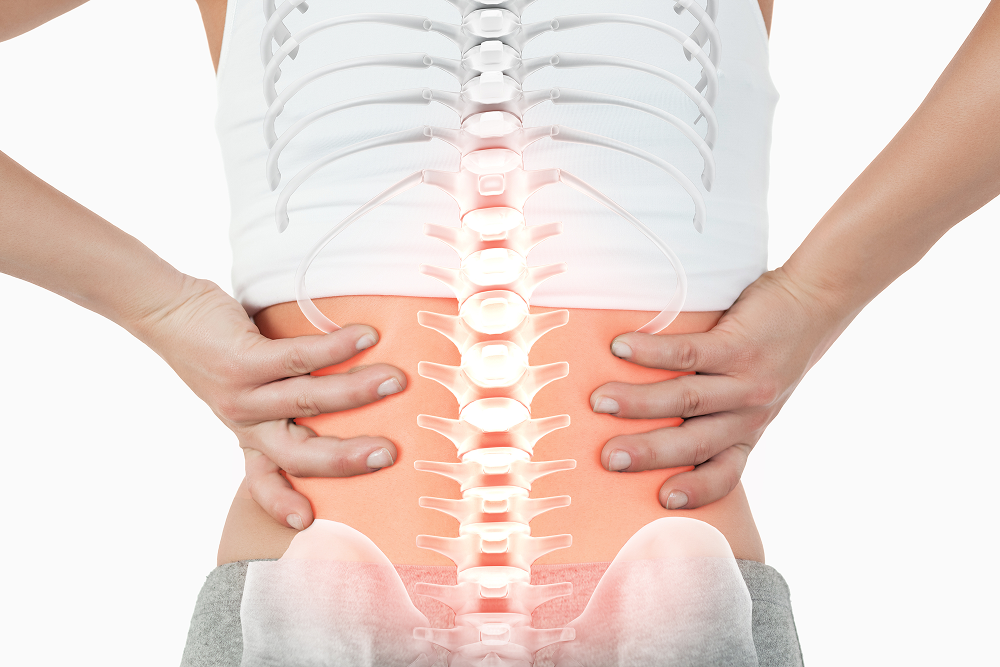
Digestive Function

Efficient digestion plays a significant role in maintaining a healthy body composition.

Wellness Goals

Each treatment plan is customized to meet individual needs and objectives.

Choosing the Best Ayurvedic Clinic in Koramangala for Weight Loss

Finding the Best Ayurvedic clinic in Koramangala for weight loss can make a significant difference in your wellness journey.

When selecting a clinic, consider:

Experience

Choose practitioners with expertise in Ayurvedic weight management.

Personalized Treatment Plans

Every individual’s body and health needs are different.

Holistic Care

Effective programs address nutrition, lifestyle, and overall wellness.

Authentic Ayurvedic Practices

Traditional methods should be applied according to established Ayurvedic principles.

The Importance of Sustainable Weight Management

Many people focus only on losing weight quickly. Ayurveda encourages a different perspective.

Sustainable weight management involves:

  • Consistent healthy habits
  • Balanced nutrition
  • Regular activity
  • Adequate sleep
  • Stress reduction

True wellness is achieved through long-term lifestyle improvements rather than temporary solutions.

Conclusion

Ayurvedic Treatment of Body Fat Without Surgery offers a holistic and natural pathway for individuals seeking healthier weight management. By focusing on digestion, metabolism, lifestyle balance, and personalized care, Ayurveda helps support sustainable wellness rather than temporary weight loss.

Whether you are exploring Ayurvedic treatment for weight loss in Bangalore, seeking guidance on Body Fat Reduction Ayurveda, or looking for the Best Ayurvedic clinic in Koramangala for weight loss, Ayurhealing provides comprehensive wellness programs rooted in traditional Ayurvedic wisdom. Through personalized care and long-term lifestyle support, individuals can work toward healthier bodies and improved overall well-being.

FAQs

Ayurveda focuses on improving digestion, metabolism, and lifestyle balance to support healthy weight management.

Panchakarma therapies may support detoxification, digestive health, and overall wellness as part of a comprehensive weight management plan.

Diet is considered one of the most important factors in maintaining healthy digestion and supporting sustainable weight management.

Ayurvedic programs focus on overall health, metabolism, and lifestyle improvements that may contribute to healthier body composition over time.

Ayurveda recognizes that every individual has a unique constitution and health profile, so treatment plans are customized accordingly.

10 Important Facts About Vitiligo Everyone Should Know

Introduction

White patches appearing on the skin can be confusing, unexpected, and sometimes emotionally challenging. Many people initially assume that these patches are caused by allergies, infections, or temporary skin conditions. However, they may be a sign of vitiligo, a condition that affects skin pigmentation. As awareness about skin health continues to grow, many individuals are exploring Ayurvedic Treatment for Vitiligo – Naturally as a holistic approach to support skin wellness and overall health. At Ayurhealing, an established Ayurveda & Siddha Hospital, individuals seeking answers about vitiligo often discover that understanding the condition is the first step toward managing it confidently and effectively.

Vitiligo is one of the most discussed yet misunderstood skin conditions. Misconceptions often create unnecessary fear and social stigma. The good news is that vitiligo is not contagious, and many people with vitiligo live healthy and fulfilling lives. Understanding the facts can help individuals make informed decisions about their care and well-being.

Fact 1: Vitiligo Is a Skin Pigmentation Disorder

Vitiligo occurs when melanocytes, the cells responsible for producing skin pigment (melanin), stop functioning or are destroyed. As a result, white patches appear on different areas of the body.

The condition can affect:

  • Face
  • Hands
  • Arms
  • Feet
  • Lips
  • Around the eyes
  • Other areas of the body

The size, shape, and progression of these patches vary from person to person.

Vitiligo affects skin color but does not affect a person’s overall physical abilities or intelligence.

Fact 2: Vitiligo Is Not Contagious

One of the most common myths surrounding vitiligo is that it can spread through physical contact.

This is completely false.

Vitiligo cannot be transmitted through:

  • Touching
  • Sharing food
  • Physical contact
  • Living together
  • Social interaction

Understanding this fact is essential in reducing social stigma and promoting awareness.

Fact 3: The Exact Cause of Vitiligo Is Still Being Studied

Although researchers continue to investigate the condition, several factors are believed to contribute to vitiligo.

These may include:

  • Autoimmune responses
  • Genetic influences
  • Environmental triggers
  • Emotional stress
  • Oxidative stress

From an Ayurvedic perspective, skin disorders are often associated with internal imbalances that affect overall health and skin function.

Fact 4: Vitiligo Can Affect Anyone

Vitiligo does not discriminate based on age, gender, or ethnicity.

The condition may develop:

  • During childhood
  • In adolescence
  • In adulthood

Although some individuals have a family history of vitiligo, many people develop the condition without any known genetic connection.

Fact 5: Early Diagnosis Can Be Helpful

Recognizing the signs of vitiligo early allows individuals to seek appropriate guidance and support.

Common early signs may include:

  • Small white patches
  • Loss of skin color around the mouth
  • Changes around the eyes
  • White patches on fingers or hands
  • Premature whitening of hair in affected areas

Early assessment by a qualified healthcare professional can help determine the most suitable management approach.

Fact 6: Emotional Well-Being Is an Important Part of Vitiligo Care

While vitiligo does not usually cause physical pain, it can affect emotional health and self-confidence.

Many individuals experience:

  • Anxiety
  • Stress
  • Social discomfort
  • Reduced self-esteem

Supporting emotional well-being is just as important as caring for the skin itself.

Building awareness, receiving support, and understanding the condition can help individuals feel more confident in managing their journey.

Fact 7: Ayurveda Takes a Holistic View of Skin Health

One reason many individuals explore Ayurvedic treatment for vitiligo is that Ayurveda focuses on the entire person rather than only visible symptoms.

According to Ayurveda, healthy skin reflects balance within the body. Digestive health, immunity, lifestyle habits, and overall wellness are all considered important factors.

An Ayurvedic approach may include:

  • Personalized dietary recommendations
  • Lifestyle modifications
  • Herbal support
  • Wellness therapies
  • Stress management practices

The goal is to promote overall balance and support long-term well-being.

Fact 8: Ayurveda for White Patches Focuses on Internal Balance

When discussing Ayurveda for white patches, practitioners often evaluate multiple aspects of health before recommending treatment.

These may include:

Digestive Health

Ayurveda places strong emphasis on digestion and nutrient absorption.

Lifestyle Factors

Sleep quality, stress levels, and daily habits are all considered important.

Individual Constitution

Each person has a unique body constitution, and treatment plans are often personalized accordingly.

This holistic perspective makes Ayurveda a popular option among individuals seeking natural wellness approaches.

Fact 9: Panchakarma and Ayurvedic Wellness Therapies May Support Skin Health

Many people seeking Natural treatment for vitiligo are interested in therapies that focus on overall wellness.

Panchakarma for skin health is one of the traditional approaches used in Ayurveda. Panchakarma therapies aim to support the body’s natural cleansing and balancing processes.

Similarly, Ayurvedic detox treatment programs may focus on:

  • Supporting digestive health
  • Encouraging natural detoxification
  • Promoting overall wellness
  • Supporting healthy skin function

At an experienced Ayurveda & Siddha Hospital, therapies are customized according to individual needs and health conditions.

Fact 10: Choosing the Right Care Provider Matters

Finding experienced professionals can play an important role in your wellness journey.

Individuals often search for:

When choosing a healthcare provider, consider factors such as:

Experience

Practitioners should have expertise in managing skin-related conditions.

Personalized Care

Every person’s experience with vitiligo is unique.

Holistic Approach

A comprehensive treatment plan should address overall health, lifestyle, and emotional well-being.

Authentic Ayurvedic Practices

Traditional therapies should be delivered according to established Ayurvedic principles.

At Ayurhealing, personalized care focuses on helping individuals understand their condition while supporting long-term wellness goals.

Understanding the Role of Ayurvedic Skin Care

Ayurvedic skin care goes beyond external applications. It emphasizes maintaining harmony between the body, mind, and environment.

Important aspects of Ayurvedic skin wellness include:

  • Balanced nutrition
  • Proper hydration
  • Healthy digestion
  • Stress management
  • Consistent daily routines

These foundational principles support overall health and may contribute to healthier skin function.

Ayurvedic Treatment for Skin Disorders: A Broader Perspective

Ayurvedic treatment for skin disorders is based on the understanding that skin health is closely linked to internal balance.

Rather than focusing solely on visible symptoms, Ayurvedic practitioners often assess:

  • Digestive health
  • Lifestyle habits
  • Stress levels
  • Sleep patterns
  • Overall constitution

This broader perspective helps create individualized wellness plans designed to support long-term health.

Conclusion

Vitiligo is a skin pigmentation condition that affects millions of people worldwide, yet it remains surrounded by misconceptions and unnecessary stigma. Understanding the facts can help individuals approach the condition with greater confidence and awareness.

For those exploring Ayurvedic Treatment for Vitiligo – Naturally, Ayurveda offers a holistic approach that emphasizes overall wellness, internal balance, and personalized care. Through proper education, professional guidance, and supportive wellness practices, individuals with vitiligo can make informed decisions about their health and well-being.

At Ayurhealing, an established Ayurveda & Siddha Hospital, the focus is on helping individuals achieve better health through traditional Ayurvedic principles and personalized care.

FAQs

Vitiligo is a skin condition in which pigment-producing cells stop functioning, resulting in white patches on the skin.

No. Vitiligo cannot spread through physical contact, sharing food, or social interaction.

Ayurveda focuses on promoting overall wellness, internal balance, and personalized care for individuals with skin-related concerns.

Panchakarma is a traditional Ayurvedic approach that supports natural cleansing and balance within the body.

Early understanding and professional guidance can help individuals make informed decisions and manage the condition more confidently.

Natural Treatment for Lumbar Spondylosis in Bangalore: Ayurvedic Solutions for Lasting Back Pain Relief

Introduction

Living with chronic lower back pain can significantly affect your quality of life, making simple daily activities difficult and uncomfortable. Many people today are searching for a Natural treatment for lumbar spondylosis in Bangalore because they want long-term relief without relying heavily on painkillers or invasive procedures. Lumbar spondylosis is a common age-related condition that affects the lower spine and often causes stiffness, discomfort, reduced mobility, and nerve-related symptoms. Ayurveda offers a holistic approach that focuses on addressing the root cause of the condition while improving spinal health naturally. At Ayurhealing, personalized Ayurvedic therapies are designed to support spinal wellness, reduce pain, and promote lasting recovery.

Understanding Lumbar Spondylosis

Lumbar spondylosis refers to degenerative changes in the lower spine that occur due to ageing, lifestyle habits, poor posture, repetitive strain, or injury. Over time, the spinal discs and joints undergo wear and tear, resulting in pain and reduced flexibility.

Common symptoms include:

  • Persistent lower back pain
  • Morning stiffness
  • Reduced flexibility
  • Muscle tightness
  • Pain while standing or walking
  • Numbness or tingling sensations
  • Sciatica-related discomfort

While conventional treatments often focus on symptom management, Ayurveda aims to address the underlying imbalance contributing to the condition.

Why Choose a Natural Treatment for Lumbar Spondylosis?

Many individuals prefer natural therapies because they focus on long-term healing rather than temporary relief.

Benefits of Natural Treatment

  • Supports overall spine health
  • Helps improve mobility
  • Reduces stiffness naturally
  • Encourages better circulation
  • Promotes muscle relaxation
  • Supports long-term wellness
  • Minimizes dependency on pain medications

A holistic approach can help improve both spinal function and overall quality of life.

Lumbar Spondylosis and Ayurveda

According to Ayurveda, lumbar spondylosis is often associated with an imbalance of Vata Dosha. Vata governs movement, flexibility, nerve function, and joint health.

When Vata becomes aggravated due to ageing, stress, improper diet, or lifestyle factors, it can contribute to:

  • Joint degeneration
  • Dryness in tissues
  • Stiffness
  • Pain
  • Reduced mobility

Ayurvedic treatment focuses on restoring balance while nourishing the affected tissues and supporting natural healing.

Natural Treatment for Lumbar Spondylosis in Bangalore Through Ayurveda

People seeking a Natural treatment for lumbar spondylosis in Bangalore are increasingly turning to Ayurvedic therapies because of their comprehensive approach.

Ayurvedic management may include:

  • Herbal therapies
  • Oil-based treatments
  • Panchakarma procedures
  • Dietary modifications
  • Lifestyle recommendations
  • Gentle movement practices

Each treatment plan is customized according to the individual’s health condition and body constitution.

Common Causes of Lumbar Spondylosis

Understanding the causes of lumbar spondylosis helps support effective treatment and prevention.

Age-Related Degeneration

Natural wear and tear of spinal discs and joints occurs with age.

Sedentary Lifestyle

Long hours of sitting can weaken supporting muscles and place stress on the lower back.

Poor Posture

Improper posture while working or sitting contributes to spinal strain.

Repetitive Physical Stress

Heavy lifting and repetitive movements may accelerate spinal degeneration.

Obesity

Excess body weight increases pressure on the lower spine.

Ayurvedic Treatment for Lumbar Spondylosis in Bangalore

An Ayurvedic treatment for lumbar spondylosis in Bangalore focuses on reducing pain while supporting spinal strength and flexibility.

Goals of Treatment

  • Improve mobility
  • Reduce stiffness
  • Support healthy circulation
  • Nourish spinal tissues
  • Improve muscular support
  • Promote overall wellness

Ayurveda emphasizes long-term management rather than short-term symptom suppression.

Kati Basti Treatment in Bangalore

One of the most effective Ayurvedic therapies for lumbar spine conditions is Kati Basti treatment in Bangalore.

This therapy involves retaining warm medicated oil over the lower back for a specific duration.

Benefits of Kati Basti

  • Helps reduce lower back discomfort
  • Supports spinal flexibility
  • Improves circulation
  • Nourishes muscles and joints
  • Relaxes surrounding tissues

Kati Basti is widely recommended as part of Ayurvedic spine treatment programs.

Panchakarma Treatment in Bangalore for Spinal Health

Panchakarma treatment in Bangalore plays an important role in Ayurvedic management of spinal disorders.

Panchakarma focuses on detoxification and restoration of balance within the body.

Common Panchakarma Therapies

Abhyanga

A full-body herbal oil therapy that supports circulation and relaxation.

Swedana

Therapeutic herbal steam that helps reduce stiffness and improve flexibility.

Basti Therapy

One of the most important treatments for Vata-related conditions affecting the spine.

Benefits of Panchakarma

  • Supports detoxification
  • Helps improve mobility
  • Reduces stiffness
  • Encourages tissue nourishment
  • Promotes overall well-being

Degenerative Spine Treatment Through Ayurveda

A comprehensive Degenerative spine treatment plan often combines therapies with lifestyle changes.

Ayurvedic therapies aim to:

  • Support spinal health
  • Improve flexibility
  • Reduce inflammation
  • Enhance circulation
  • Strengthen supporting muscles

The goal is to help individuals maintain better movement and comfort over time.

Spine Health Treatment for Long-Term Wellness

Maintaining spinal health requires more than symptom management.

A holistic Spine health treatment approach focuses on:

  • Posture improvement
  • Muscle strengthening
  • Stress reduction
  • Healthy nutrition
  • Proper movement habits

Daily Habits for Better Spine Health

  • Maintain good posture
  • Stay physically active
  • Avoid prolonged sitting
  • Practice stretching exercises
  • Maintain a healthy weight

Small lifestyle adjustments can significantly improve spinal well-being.

Sciatica Treatment and Lumbar Spondylosis

Many individuals with lumbar spondylosis also experience nerve-related symptoms that require effective Sciatica treatment.

Common symptoms include:

  • Pain radiating down the leg
  • Numbness
  • Tingling sensations
  • Muscle weakness

Ayurvedic therapies focus on reducing pressure on affected tissues while supporting healthy nerve function.

Back Pain Treatment in Bangalore Through Ayurveda

People searching for Back pain treatment in Bangalore often seek non-invasive options that provide sustainable relief.

Ayurvedic treatments may help by:

  • Supporting tissue nourishment
  • Improving flexibility
  • Enhancing circulation
  • Reducing muscular tension
  • Promoting relaxation

A customized treatment plan can provide better results than a generalized approach.

Ayurvedic Spine Treatment in Bangalore

An effective Ayurvedic spine treatment in Bangalore combines traditional therapies with personalized wellness recommendations.

Treatment plans may include:

Herbal Formulations

Traditional herbs are used to support joint and tissue health.

Oil-Based Therapies

Herbal oils help nourish tissues and support flexibility.

Dietary Guidance

Nutrition plays an important role in maintaining healthy joints and muscles.

Lifestyle Modifications

Daily habits significantly influence spinal health and recovery.

Lumbar Spondylosis Treatment in Koramangala

Individuals seeking Lumbar spondylosis treatment in Koramangala often look for personalized care that focuses on long-term wellness.

Ayurhealing offers holistic treatment approaches designed to support:

  • Lower back health
  • Improved mobility
  • Pain management
  • Spinal flexibility
  • Overall wellness

Early intervention often contributes to better outcomes.

Choosing the Best Ayurvedic Doctor in Bangalore for Lumbar Spondylosis

Selecting the Best Ayurvedic doctor in Bangalore for lumbar spondylosis is an important step toward effective treatment.

Consider the following:

Experience

Choose practitioners experienced in musculoskeletal and spinal conditions.

Personalized Care

Every individual requires a unique treatment approach.

Authentic Therapies

Traditional Ayurvedic therapies should be administered properly.

Holistic Focus

The best practitioners address physical, dietary, and lifestyle factors together.

Why Choose the Best Ayurvedic Clinic in Koramangala, Bangalore?

Finding the Best Ayurvedic clinic in Koramangala, Bangalore ensures access to authentic therapies and comprehensive care.

Benefits include:

  • Individualized treatment plans
  • Experienced practitioners
  • Traditional Ayurvedic therapies
  • Focus on root-cause healing
  • Long-term wellness support

Ayurhealing is committed to helping individuals achieve better spinal health through natural and personalized care.

Preventing Lumbar Spondylosis Progression Naturally

While age-related changes cannot be completely avoided, healthy habits can support spinal wellness.

Prevention Tips

  • Maintain proper posture
  • Exercise regularly
  • Avoid excessive strain
  • Follow a balanced diet
  • Manage stress effectively
  • Maintain a healthy body weight

Consistent self-care can play a significant role in preserving spinal function and mobility.

Conclusion

A Natural treatment for lumbar spondylosis in Bangalore offers individuals a holistic pathway toward better spinal health, reduced discomfort, and improved quality of life. Ayurveda focuses on addressing the root causes of spinal degeneration through personalized therapies, lifestyle modifications, and comprehensive wellness support.

Whether you are seeking Ayurvedic treatment for lumbar spondylosis in Bangalore, Back pain treatment in Bangalore, Kati Basti treatment in Bangalore, or a trusted Best Ayurvedic clinic in Koramangala, Bangalore, Ayurhealing provides individualized care designed to support long-term spinal wellness naturally.

FAQs

Lumbar spondylosis is an age-related degenerative condition affecting the lower spine, often causing pain, stiffness, and reduced mobility.

Ayurveda focuses on supporting spinal health, reducing stiffness, improving flexibility, and promoting overall wellness through personalized therapies.

Kati Basti is an Ayurvedic therapy in which warm medicated oil is retained over the lower back to support spinal health and flexibility.

Panchakarma therapies help support detoxification, improve circulation, and promote overall balance, making them valuable in Ayurvedic spine care.

Maintaining good posture, staying active, following a healthy diet, managing stress, and seeking appropriate treatment can help support long-term spinal wellness.