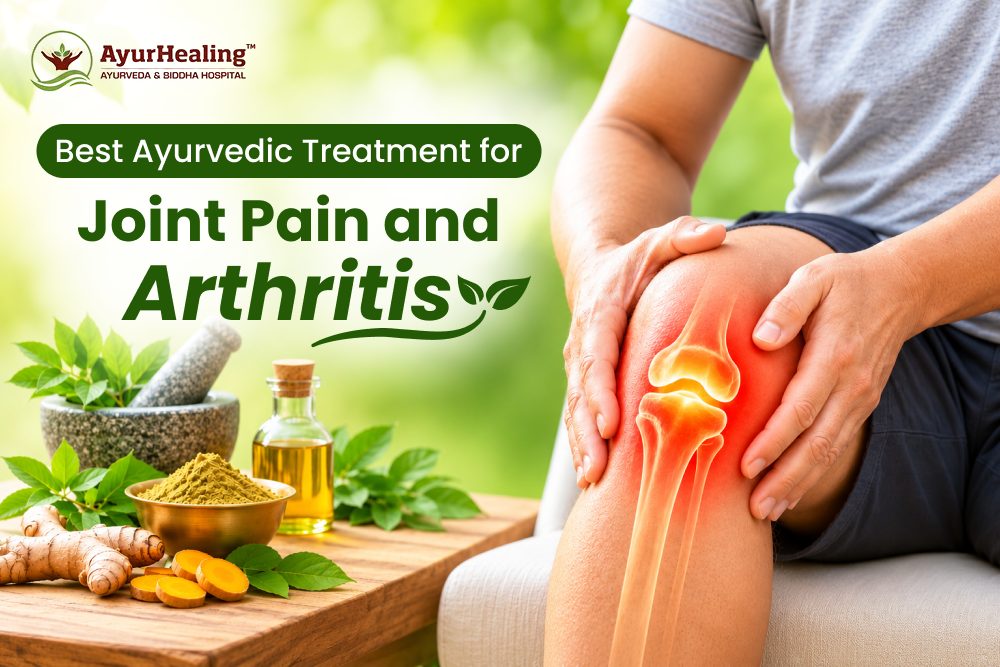
Have you ever felt a sharp twinge in your knee while climbing stairs, struggled to get out of bed because of stiffness, or found it uncomfortable to lift your arm while getting dressed? Joint discomfort can start gradually. At first, it may seem like something that will settle on its own. But when the pain continues, everyday activities such as walking, working, sleeping or doing household tasks can become difficult.
Joint pain can affect people at different stages of life. Osteoarthritis, rheumatoid arthritis, previous injuries and other inflammatory conditions are among its possible causes. Since these conditions do not all affect the body in the same way, understanding what is causing the discomfort is an important first step.
Alongside conventional medical care, some people explore Ayurveda for its traditional approach to joint health. This may involve selected therapies, dietary recommendations and changes to daily habits. However, not every treatment is suitable for every person, and traditional therapies should not replace necessary medical care.
If you are comparing options for the Best Ayurvedic Hospital in Bangalore, look beyond the list of treatments offered. It is equally important to understand the practitioner’s qualifications, whether your health history will be considered and how clearly the benefits and limitations of a proposed treatment are explained.
This guide looks at common causes of joint pain, traditional Ayurvedic approaches, practical lifestyle considerations and questions worth asking before choosing a treatment.
What Is Joint Pain and How Does It Affect Daily Life?
Joint pain refers to discomfort, soreness or inflammation in the areas where two or more bones meet. It may affect one joint or several joints, depending on the underlying condition.
Joints allow the body to perform everyday movements such as bending, walking, lifting and turning. When a joint becomes painful or stiff, these movements may become difficult.
Some commonly affected areas include:
- Knee joints: Pain while walking, climbing stairs or standing for extended periods.
- Hip joints: Discomfort while sitting, standing or walking.
- Shoulder joints: Difficulty lifting the arm or reaching overhead.
- Wrist and finger joints: Pain while gripping objects or performing everyday tasks.
- Spinal joints: Back or neck discomfort that may affect posture and movement.
For working professionals in Bangalore, prolonged sitting, limited physical activity and repetitive movements may contribute to muscular and joint discomfort. However, persistent symptoms should be evaluated rather than automatically attributed to lifestyle habits.
What Are the Common Causes of Joint Pain and Arthritis?
Joint pain can develop for several reasons. Identifying the underlying condition helps healthcare professionals recommend appropriate care.
1. Osteoarthritis
Osteoarthritis is a common joint condition involving changes in cartilage, bones and surrounding tissues. It frequently affects the knees, hips and hands.
People may experience pain during movement, stiffness after rest and difficulty performing everyday activities.
2. Rheumatoid Arthritis
Rheumatoid arthritis is an autoimmune condition in which the immune system mistakenly attacks the lining of the joints. This causes inflammation, swelling, pain and stiffness.
It commonly affects multiple joints, particularly the hands and feet. Early medical diagnosis is important because untreated rheumatoid arthritis can lead to permanent joint damage.
3. Age-Related Joint Changes
As people grow older, changes in cartilage, muscles and other joint structures may influence flexibility and movement. However, persistent joint pain should not be considered an unavoidable part of ageing.
4. Previous Injuries and Joint Strain
Sports injuries, accidents, repetitive movements and excessive physical strain can affect joint structures. Sometimes, discomfort continues even after the original injury has healed.
5. Inflammatory and Autoimmune Conditions
Gout, lupus and other inflammatory conditions can affect joints and surrounding tissues. These conditions may cause pain, swelling, tenderness and reduced mobility.
Understanding the specific condition is essential because different causes require different management approaches.
What Are the Common Symptoms of Arthritis?
Arthritis symptoms vary depending on the type and severity of the condition.
Common symptoms include:
- Joint pain and tenderness.
- Stiffness, particularly after waking up.
- Swelling around affected joints.
- Reduced flexibility and range of motion.
- Difficulty walking, bending or climbing stairs.
- Warmth or redness around an inflamed joint.
- Discomfort during everyday activities.
If these symptoms persist or interfere with your daily routine, consult a qualified healthcare professional for an appropriate evaluation.
What Is the Ayurvedic Approach to Joint Pain and Arthritis?
People considering Ayurvedic Treatment for Joint Pain often want to know what a session involves, whether a therapy is suitable for their symptoms and what precautions they should take. Ayurveda describes several traditional approaches to musculoskeletal care, but the choice should depend on the person’s health, medical history and the cause of the discomfort.
1. Abhyanga – Ayurvedic Oil Massage
Abhyanga is a traditional oil massage in which a practitioner uses selected oils and massage techniques. Some people explore it when they experience general muscular tightness or stiffness and are looking for a relaxing therapy.
The oil, pressure and duration should be chosen according to the individual’s needs. Massage may not be appropriate over an acutely swollen joint, a recent injury or certain skin conditions. If you have persistent pain or inflammation, get medical advice before arranging a session.
2. Janu Basti for Knee Joint Discomfort
Janu Basti is a traditional therapy specifically associated with the knee. During the procedure, a ring-shaped boundary made from dough is placed around the knee, and warm oil is retained within it for a set period.
People may enquire about this therapy when dealing with knee stiffness or discomfort. However, knee pain can arise from several conditions, including osteoarthritis, ligament injuries and inflammation. Janu Basti should not be assumed to treat all these causes, and strong clinical evidence for its effectiveness in specific knee conditions remains limited.
3. Panchakarma Therapies
Panchakarma is a group of traditional Ayurvedic procedures rather than one single treatment. Not every procedure is appropriate for someone with joint pain, and it should not automatically be considered necessary for arthritis.
A practitioner should first understand the person’s general health, existing conditions and current medicines before discussing whether any procedure is suitable. Patients should also ask about preparation, possible side effects, recovery requirements and realistic expectations before proceeding.
4. Herbal Formulations Used in Ayurveda
Herbal ingredients are used in various traditional Ayurvedic preparations. Turmeric, ginger and Shallaki (Boswellia) are among the ingredients commonly discussed in relation to joint health.
- Turmeric: Contains curcumin, which has been studied for its potential anti-inflammatory effects.
- Ginger: Used in traditional dietary and herbal preparations.
- Shallaki (Boswellia): Traditionally included in some formulations and studied for possible effects on joint symptoms.
Research on these ingredients is still developing. Results from studies of individual compounds do not necessarily apply to every herbal product available. Herbal preparations can also interact with prescribed medicines, so discuss them with a qualified healthcare professional before use.
5. Swedana – Ayurvedic Heat Therapy
Swedana refers to traditional Ayurvedic heat-based therapies. These methods are intended to provide warmth and are sometimes explored by people experiencing muscular tightness or stiffness.
Heat is not suitable for every situation. For example, applying heat to a joint that is already hot, red or acutely swollen may be inappropriate. A practitioner should assess the symptoms before recommending this approach.
The purpose of any therapy should be explained before it begins, including what it involves, what discomfort to report and when it should be avoided.
How Does Ayurveda Approach Different Types of Arthritis?
Treatment considerations may differ depending on the affected joint, symptoms and individual health requirements.
Ayurvedic Management for Osteoarthritis
People with osteoarthritis may explore traditional external therapies, dietary guidance and lifestyle practices as complementary approaches.
Appropriate exercise, weight management and medical guidance remain important for maintaining joint function.
Ayurvedic Management for Rheumatoid Arthritis
Rheumatoid arthritis requires early diagnosis and ongoing medical management. Ayurvedic therapies, if considered, should only be complementary and must not replace prescribed disease-modifying medication.
Ayurvedic Approach to Knee Joint Pain
Knee discomfort can result from osteoarthritis, injuries, inflammation or other conditions. Traditional therapies such as Abhyanga and Janu Basti may be discussed after an appropriate assessment.
Ayurvedic Approach to Shoulder and Hip Joint Discomfort
Shoulder and hip discomfort may arise from joint conditions, muscular problems or restricted movement.
Frozen shoulder, for example, causes pain and progressive stiffness in the shoulder joint. People researching Ayurvedic Treatment for Frozen Shoulder should first obtain an accurate diagnosis.
Traditional Ayurvedic practices may be considered as complementary options, but appropriate shoulder exercises, physiotherapy and medical management remain important. There is no established Ayurvedic cure for frozen shoulders.
Read more to understand the clinic’s published service information.
Frozen Shoulder Ayurvedic Treatment at AyurhealingWhat Is the Role of Ayurveda in Supporting Spine Health?
Spine-related discomfort can affect the neck, upper back and lower back. Prolonged sitting, repetitive movements, muscular strain and certain spinal conditions may contribute to pain and stiffness.
Ayurveda traditionally considers factors such as Vata, individual constitution and daily habits when discussing spinal complaints.
People researching Ayurvedic Treatment Spine Health should understand that back and neck pain can have different causes. An appropriate assessment helps determine whether symptoms are related to muscles, joints, nerves or another underlying condition.
Depending on the individual’s health, traditional therapies and lifestyle guidance may be discussed as complementary options. Severe back pain, progressive weakness, new numbness around the groin or loss of bladder or bowel control requires urgent medical attention.
What Are the Benefits of Ayurvedic Treatment for Joint Pain?
Ayurvedic approaches focus on individual health needs rather than following the same treatment routine for everyone.
Some reasons people explore traditional joint-care practices include:
- Personalised assessment: Treatment recommendations consider individual health requirements.
- Traditional external therapies: Selected massage and heat-based practices may support relaxation.
- Dietary guidance: Food choices can be discussed as part of an overall wellness routine.
- Lifestyle recommendations: Daily habits and physical activity can be considered when planning joint care.
- Holistic attention: Ayurveda considers general well-being alongside individual symptoms.
These potential benefits should be understood within the limits of available scientific evidence. No Ayurvedic therapy can guarantee a cure or prevent all forms of joint damage.
Which Foods Should You Eat and Avoid for Better Joint Health?
Diet plays an important role in maintaining general health. Although no specific food can cure arthritis, a balanced dietary pattern may support overall well-being.
Foods to Include:
- Fresh vegetables: Spinach, carrots, broccoli and other seasonal vegetables.
- Seasonal fruits: Papaya, oranges, guava and berries.
- Protein-rich foods: Lentils, beans, eggs and fish.
- Nuts and seeds: Almonds, walnuts, flaxseeds and chia seeds.
- Omega-3 sources: Fatty fish and selected plant-based sources.
- Adequate water: Maintain regular hydration throughout the day.
Foods to Limit:
Try to reduce excessive consumption of:
- Highly processed foods.
- Foods with added sugars.
- Excessively fried foods.
- Processed snacks and sugary beverages.
There is no single arthritis diet that works for everyone. People with specific medical conditions should seek individual dietary advice.
What Lifestyle Changes Can Help Manage Joint Pain?
Along with appropriate treatment, healthy daily habits can support mobility and general joint function.
1. Stay Physically Active: Walking, swimming and other low-impact activities may help maintain mobility. Choose activities suitable for your condition.
2. Maintain a Healthy Body Weight: Managing body weight can reduce unnecessary stress on weight-bearing joints, particularly the knees and hips.
3. Avoid Prolonged Sitting: If you work at a desk in Bangalore, take regular movement breaks rather than remaining seated for several hours continuously.
4. Follow a Consistent Sleep Schedule: Adequate sleep supports general health and recovery.
5. Practise Appropriate Exercises: Gentle strengthening, flexibility and mobility exercises may help support joint function. A physiotherapist can recommend suitable exercises.
6. Avoid Overexertion: Do not force movements that cause significant pain. Modify activities and seek professional guidance when necessary.
People considering Ayurvedic Treatment Spine Health can also discuss posture, movement habits and appropriate complementary care with a qualified practitioner.
Understanding Your Joint Pain
Notice the symptoms, understand the possible cause and how it is affecting your daily activities.
Common Causes
- Osteoarthritis
- Rheumatoid arthritis
- Previous injuries or strain
- Age-related joint changes
Ayurvedic Treatment Options
- Abhyanga (oil massage)
- Janu Basti (knee care)
- Panchakarma (detox therapies)
- Herbal formulations
- Swedana (heat therapy)
Supportive Daily Care
- Eat a balanced, anti-inflammatory diet
- Maintain a healthy weight
- Do gentle, regular exercises
- Ensure adequate rest and sleep
Ayurveda vs Modern Medical Treatment for Arthritis
Ayurveda and modern medicine have different approaches to understanding and managing joint conditions.
| Ayurvedic approach | Modern medical approach |
| Traditional herbal and external therapies | Evidence-based medications and treatments |
| Individualised dietary and lifestyle guidance | Clinical assessment and rehabilitation |
| Traditional approaches to symptom management | Pain and inflammation management |
| Selected traditional wellness procedures | Monitoring disease progression and joint function |
Modern medical care plays an essential role in diagnosing arthritis and managing conditions that can cause progressive joint damage.
For example, rheumatoid arthritis often requires disease-modifying antirheumatic drugs (DMARDs) to control inflammation and reduce the risk of joint damage.
Some individuals may consider complementary Ayurvedic practices alongside conventional care. However, this should be discussed with their treating healthcare professionals. Prescribed medication should never be stopped or replaced without medical advice.
How to Choose the Best Ayurvedic Hospital in Bangalore?
Choosing a hospital for joint-related concerns is a personal decision. A long treatment list or attractive advertisement does not tell you whether a particular therapy is right for your condition. It is more useful to understand who will guide your care, what the consultation involves and how treatment decisions are explained.
When comparing the Best Ayurvedic Hospital in Bangalore, consider these points:
- Practitioner qualifications: Check the physician’s educational qualifications, professional background and relevant clinical experience.
- Discussion of your health history: You should have the opportunity to explain your symptoms, previous diagnoses, existing conditions and current medication.
- Clear recommendations: Ask why a particular therapy is being suggested, what it involves and what its limitations are.
- Safety and follow-up: Find out about possible side effects, medicine interactions and how your progress will be reviewed.
- Responsible guidance: A healthcare provider should recognise when further investigation, specialist advice or conventional medical treatment is needed.
- Realistic communication: Be cautious of guaranteed cures, fixed recovery promises or claims that one treatment works for everyone.
At Ayurhealing Ayurveda & Siddha Hospital, Dr. Mini Nair is listed as the Founder and Chief Physician. Her published professional profile states that she holds a Bachelor of Ayurvedic Medicine and Surgery (BAMS), a Post Graduate Diploma in Siddha Medicine and a Post Graduate Diploma in Emergency Medicine. The profile also describes more than 28 years of clinical experience.
If you are considering a consultation at Ayurhealing, you can contact the hospital to ask about appointment availability and explain the concern you would like assessed. Before proceeding, it is sensible to ask which practitioner will see you, what information or medical reports you should bring, and how the proposed care will be explained.
You can read more about Dr. Mini Nair’s professional background before making your decision.
When Should You Consult a Doctor for Joint Pain?
Not all joint pain is caused by arthritis. Sometimes, it may indicate an injury, infection or another medical condition requiring prompt attention.
Seek medical evaluation if you experience:
- Persistent or worsening joint pain.
- Significant joint swelling.
- Sudden inability to move a joint or bear weight.
- A hot, red or swollen joint accompanied by fever.
- Morning stiffness that repeatedly affects daily activities.
- Pain that interferes with walking, sleeping or everyday movement.
A sudden hot and swollen joint, particularly with fever, requires urgent medical assessment.
Early diagnosis is especially important for rheumatoid arthritis, as timely treatment can help prevent permanent joint damage.
Conclusion: Making an Informed Decision About Joint and Spine Health
Living with joint pain can change small parts of everyday life—from getting out of bed in the morning to walking comfortably or completing work without frequent discomfort. Finding the right next step begins with understanding why the pain is happening rather than choosing a treatment based only on its name.
Traditional Ayurvedic practices include external therapies, herbal preparations and dietary and lifestyle guidance. Some people may consider these as complementary approaches, but their suitability and potential benefits vary. A proper diagnosis and appropriate medical care remain especially important for conditions such as rheumatoid arthritis and other causes of persistent joint inflammation.
At Ayurhealing Ayurveda & Siddha Hospital, patients can enquire about consultation options and learn more about the hospital’s Ayurvedic and Siddha care. The hospital is led by Dr. Mini Nair, Founder and Chief Physician, whose published profile outlines her qualifications and professional experience.
If you are exploring Ayurvedic Treatment for Joint Pain, have questions about Ayurvedic Treatment Spine Health or want to understand options related to Ayurvedic Treatment for Frozen Shoulder, speak with a qualified healthcare professional about your symptoms and the care that may be appropriate.
Rather than looking for promises of a quick cure, take time to understand the proposed treatment, ask questions and make a decision that considers your overall health.
Contact Ayurhealing if you would like to enquire about a consultation or learn more about the hospital.