Introduction
In today’s fast-paced world, stress, pollution, irregular sleep patterns, and unhealthy eating habits can take a visible toll on your skin. Many people are now turning toward Ayurvedic Beauty Massage in Bangalore, naturally, as a holistic way to restore skin health, enhance natural beauty, and promote overall wellness. Unlike cosmetic solutions that often focus only on external appearance, Ayurveda addresses the root causes of skin concerns by balancing the body, mind, and doshas.
At Ayurhealing, traditional Ayurvedic therapies are designed to nourish the skin, improve circulation, support detoxification, and help individuals achieve a naturally radiant complexion. Whether you are seeking a healthy glow, improved skin texture, stress relief, or anti-ageing support, Ayurvedic beauty therapies offer a natural and sustainable approach to skin wellness.
Understanding Beauty Through Ayurveda
According to Ayurveda, beauty is a reflection of internal health. Healthy digestion, balanced doshas, proper circulation, and toxin-free tissues contribute to vibrant skin and overall well-being.
When toxins (Ama) accumulate in the body due to poor lifestyle habits, stress, or improper nutrition, they can manifest as:
- Dull skin
- Premature ageing
- Acne and blemishes
- Dryness
- Uneven skin tone
- Skin sensitivity
This is why Ayurvedic beauty therapies focus not only on the skin itself but also on restoring internal balance for long-lasting results.
What Is Ayurvedic Beauty Massage?
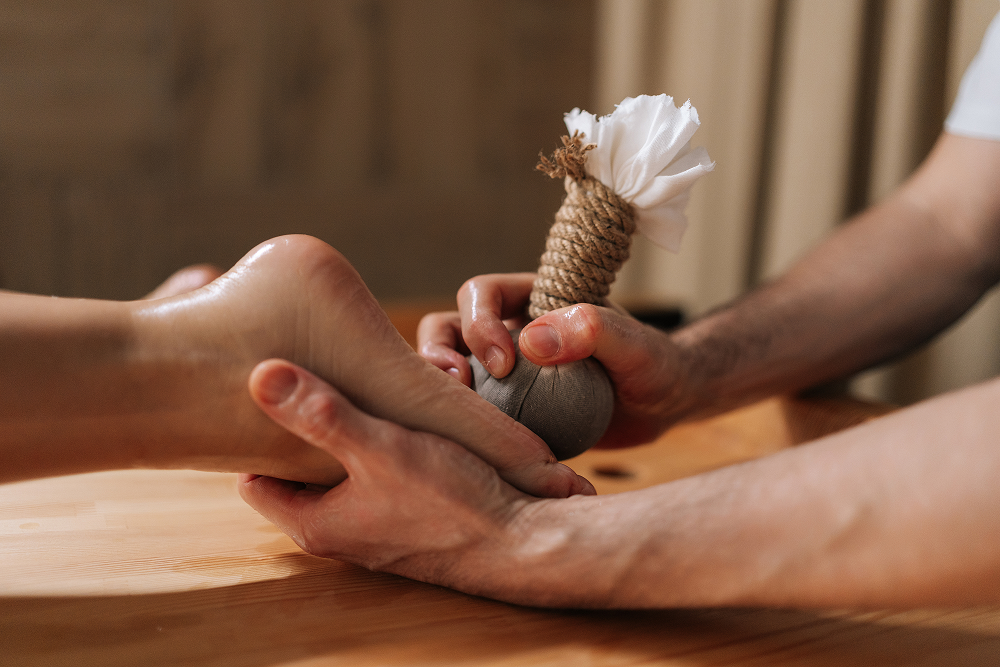
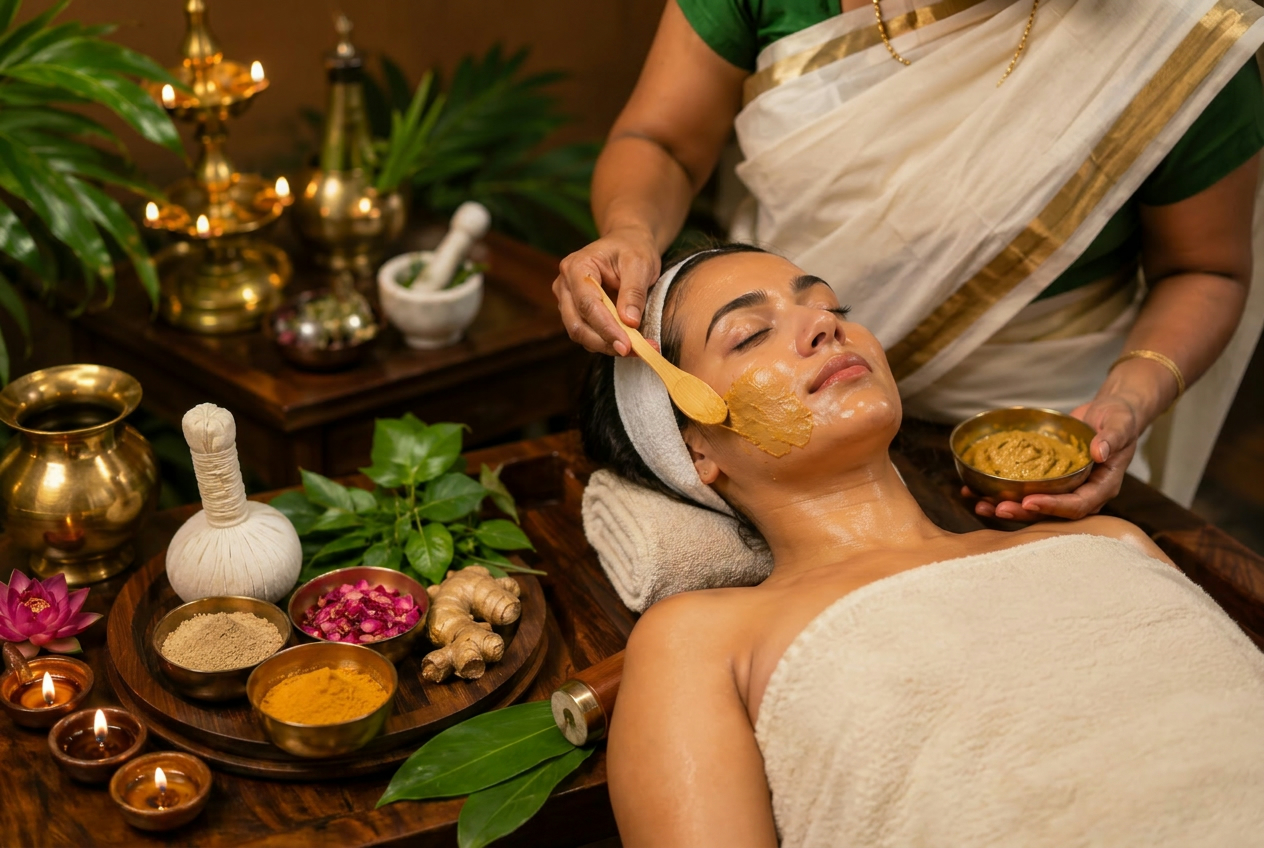
An Ayurvedic beauty massage in Bangalore is a treatment that uses herbal oils and traditional Ayurvedic techniques to improve skin health, circulation, and relaxation.
The treatment typically includes:
- Herbal oil application
- Gentle facial and body massage
- Lymphatic stimulation
- Relaxation techniques
- Detoxification support
Unlike conventional beauty treatments, Ayurvedic massage aims to nourish tissues deeply while promoting holistic wellness.
The goal is not simply cosmetic improvement but complete rejuvenation from within.
Benefits of Ayurvedic Beauty Massage in Bangalore – Naturally
Many people choose Ayurvedic beauty therapies because they provide multiple wellness benefits beyond skin care.
Promotes Natural Skin, Glow
One of the most appreciated benefits is enhanced skin radiance. Improved circulation allows nutrients and oxygen to reach skin cells more effectively.
This makes Natural skin glow treatment one of the primary reasons individuals seek Ayurvedic beauty therapies.
Supports Skin Detoxification
Environmental toxins and lifestyle stress can affect skin health. Ayurvedic therapies help stimulate natural detoxification processes.
Ayurvedic skin detox therapies encourage the removal of impurities while supporting healthier skin function.
Improves Skin Texture
Regular treatments may help:
- Improve hydration
- Enhance elasticity
- Reduce roughness
- Promote smoother skin appearance
Relieves Stress
Stress can contribute significantly to skin concerns. Ayurvedic massage promotes relaxation, helping calm the nervous system and support emotional well-being.
Ayurveda Skin Rejuvenation for Long-Term Wellness
Ayurveda skin rejuvenation focuses on restoring balance rather than delivering temporary cosmetic results.
By supporting healthy circulation, digestion, and detoxification, Ayurvedic therapies help create an environment where the skin can naturally thrive.
Benefits of skin rejuvenation therapies include:
- Healthier complexion
- Better hydration
- Improved skin tone
- Enhanced vitality
- Reduced signs of fatigue
These therapies are suitable for individuals looking for a long-term approach to skin wellness.
Ayurvedic Facial Massage Bangalore: Nourishing the Skin Naturally
An Ayurvedic facial massage in Bangalore uses herbal oils and traditional massage techniques designed to stimulate facial tissues and improve circulation.
Key Benefits
- Enhances blood flow
- Supports collagen production
- Improves skin elasticity
- Helps reduce facial tension
- Promotes relaxation
Facial massage is often included as part of a broader Ayurvedic beauty treatment program in Bangalore.
Herbal Facial Therapy and Natural Skin Care
Herbal facial therapy combines Ayurvedic herbs with traditional skincare principles to support healthy, glowing skin.
Herbal ingredients are selected based on an individual’s skin type and specific concerns.
Common goals include:
- Improving skin clarity
- Supporting hydration
- Promoting skin nourishment
- Encouraging natural radiance
Because Ayurveda emphasizes personalization, treatments are often customized for optimal results.
Ayurvedic Anti-Ageing Therapy for Healthy-Looking Skin
Ageing is a natural process, but Ayurveda focuses on supporting graceful ageing through proper nourishment and rejuvenation.
Ayurvedic anti-ageing therapy may help:
- Support skin elasticity
- Improve hydration
- Reduce visible signs of stress
- Promote healthy skin function
- Enhance overall vitality
Rather than masking signs of ageing, Ayurvedic therapies focus on maintaining healthy skin from within.
Ayurvedic Oil Massage and Beauty Enhancement
An Ayurvedic oil massage is one of the most important therapies used for beauty and wellness.
Medicated herbal oils are selected according to body constitution and skin needs.
Benefits include:
- Improved circulation
- Better nourishment of tissues
- Enhanced relaxation
- Support for healthy skin
- Improved lymphatic drainage
The oils help nourish both the skin and deeper tissues, making them an essential part of Ayurvedic beauty care.
Panchakarma Beauty Therapy and Skin Wellness
Panchakarma beauty therapy combines detoxification and rejuvenation principles to support healthy skin and overall wellness.
The treatment aims to eliminate accumulated toxins while restoring dosha balance.
Benefits of Panchakarma Beauty Therapy
- Deep detoxification
- Improved skin health
- Enhanced energy levels
- Better circulation
- Support for natural rejuvenation
Many individuals seeking long-term wellness choose Panchakarma as part of their beauty and self-care journey.
Complementary Therapies That Enhance Beauty Results
Abhyanga Massage Bangalore
Abhyanga massage in Bangalore is a traditional full-body herbal oil massage that complements beauty treatments effectively.
Benefits
- Supports circulation
- Nourishes skin tissues
- Promotes relaxation
- Encourages detoxification
When combined with beauty therapies, Abhyanga helps improve overall wellness and skin vitality.
Swedana Therapy Bangalore
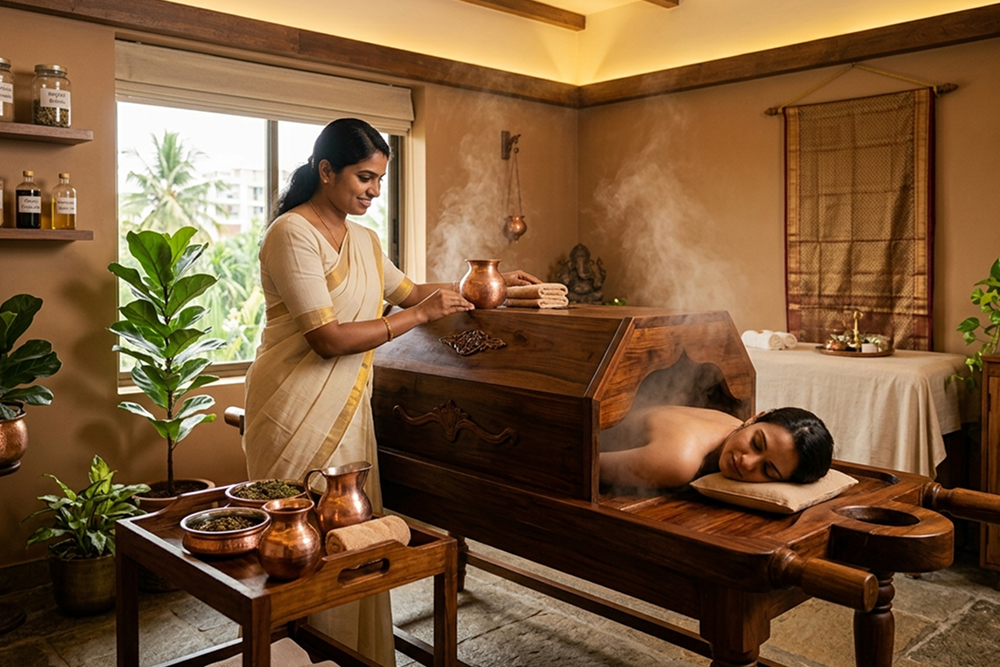
Swedana therapy in Bangalore involves therapeutic herbal steam that promotes sweating and detoxification.
Benefits include:
- Opening skin pores
- Supporting toxin removal
- Improving circulation
- Reducing stiffness
Many Ayurvedic wellness programs include Swedana following oil massage therapies.
Shirodhara Treatment in Bangalore
Shirodhara treatment in Bangalore is known for its calming effects on the mind and nervous system.
A continuous stream of medicated oil is gently poured over the forehead, encouraging deep relaxation.
Benefits include:
- Reduced stress
- Better sleep quality
- Mental clarity
- Improved emotional balance
Because stress can significantly impact skin health, Shirodhara often complements beauty-focused Ayurvedic treatments.
Choosing the Best Ayurvedic Beauty Massage in Bangalore for Glowing Skin
When selecting the Best Ayurvedic beauty massage in Bangalore for glowing skin, consider the following:
Experienced Practitioners
Choose therapists trained in authentic Ayurvedic techniques.
Personalized Treatment Plans
Every individual’s skin and body constitution are unique.
Quality Herbal Oils
Authentic Ayurvedic treatments use carefully selected herbal formulations.
Holistic Wellness Approach
The best results come from combining therapies, nutrition guidance, and lifestyle improvements.
Ayurvedic Beauty Massage in Koramangala
Many individuals searching for Ayurvedic beauty massage in Koramangala seek therapies that combine natural skin care with overall wellness.
Ayurhealing provides personalized Ayurvedic beauty treatments that focus on:
- Skin rejuvenation
- Stress management
- Detoxification
- Holistic wellness
People looking for Ayurvedic beauty massage near Koramangala, Bangalore often prefer therapies that support both inner health and outer beauty naturally.
Why Choose an Ayurvedic Wellness Centre Bangalore?
A professional Ayurvedic wellness centre in Bangalore offers a comprehensive approach to beauty and wellness.
Benefits include:
- Authentic Ayurvedic therapies
- Personalized care
- Holistic treatment plans
- Focus on preventive wellness
- Natural healing methods
The combination of traditional wisdom and individualized care helps support sustainable beauty and wellness outcomes.
Daily Ayurvedic Tips for Healthy Skin
To maintain results between treatments:
Follow a Balanced Diet
Include fresh fruits, vegetables, and nourishing foods.
Stay Hydrated
Proper hydration supports healthy skin function.
Get Adequate Sleep
Quality sleep allows the body to repair and rejuvenate.
Manage Stress
Practices such as meditation and yoga support both skin and overall health.
Use Natural Skin Care Products
Choose products that align with your skin type and Ayurvedic recommendations.
Conclusion
Ayurvedic Beauty Massage in Bangalore – Naturally offers a holistic path toward healthy, radiant skin and overall wellness. Unlike treatments that focus only on surface-level improvements, Ayurveda emphasizes balance, detoxification, nourishment, and rejuvenation from within.
Through therapies such as Ayurvedic facial massage, Abhyanga, Swedana, Shirodhara, and Panchakarma beauty therapy, individuals can support skin health naturally while enhancing overall well-being. At Ayurhealing, personalized Ayurvedic treatments are designed to help people achieve healthier skin, greater relaxation, and lasting wellness through authentic Ayurvedic care.