Best Ayurvedic Tips to Reduce Body Heat Naturally and Stay Cool

Ayurvedic Tips to Reduce Body Heat Naturally are gaining attention as more people look for safe, holistic ways to stay cool, especially in hot climates like Bangalore. In Ayurveda, excess internal heat is often linked to an imbalance in the Pitta dosha, which governs heat, metabolism, and transformation in the body. When Pitta increases, it can lead to symptoms like acidity, skin rashes, irritation, and fatigue.

This blog explores how to reduce body heat naturally, Ayurveda-based methods, and practical lifestyle changes that help you stay balanced, refreshed, and healthy.

Understanding Body Heat in Ayurveda

In Ayurveda, body heat is not just about external temperature-it reflects internal imbalance. The concept revolves around doshas: Vata, Pitta, and Kapha. Among them, Pitta dosha is responsible for heat and metabolism.

Ayurvedic Causes of Excess Body Heat

Excess body heat occurs when Pitta becomes aggravated. Common triggers include:

  • Eating spicy, oily, or fried foods regularly
  • Excess exposure to the sun and heat
  • Stress, anger, or emotional imbalance
  • Irregular sleep patterns
  • Overconsumption of caffeine and alcohol

When Pitta rises, your body starts showing warning signs like:

Understanding these Ayurvedic Causes of Excess Body Heat is the first step toward effective healing.

Why You Should Reduce Body Heat Naturally

Modern quick fixes may offer temporary relief, but natural cooling through Ayurveda works at the root level. It helps restore balance rather than suppress symptoms.

Benefits of reducing body heat naturally:

  • Improves digestion and metabolism
  • Enhances skin health
  • Reduces stress and irritability
  • Promotes better sleep
  • Supports overall wellness

If you are searching for Ayurvedic Treatments for Body Heat in Bangalore, focusing on natural methods can provide long-term relief without side effects.

Best Ayurvedic Tips to Reduce Body Heat Naturally

Here are proven and effective Ayurvedic Cooling Solutions you can easily follow in your daily routine.

1. Follow a Pitta-Pacifying Diet

Your diet plays a major role in controlling body heat.

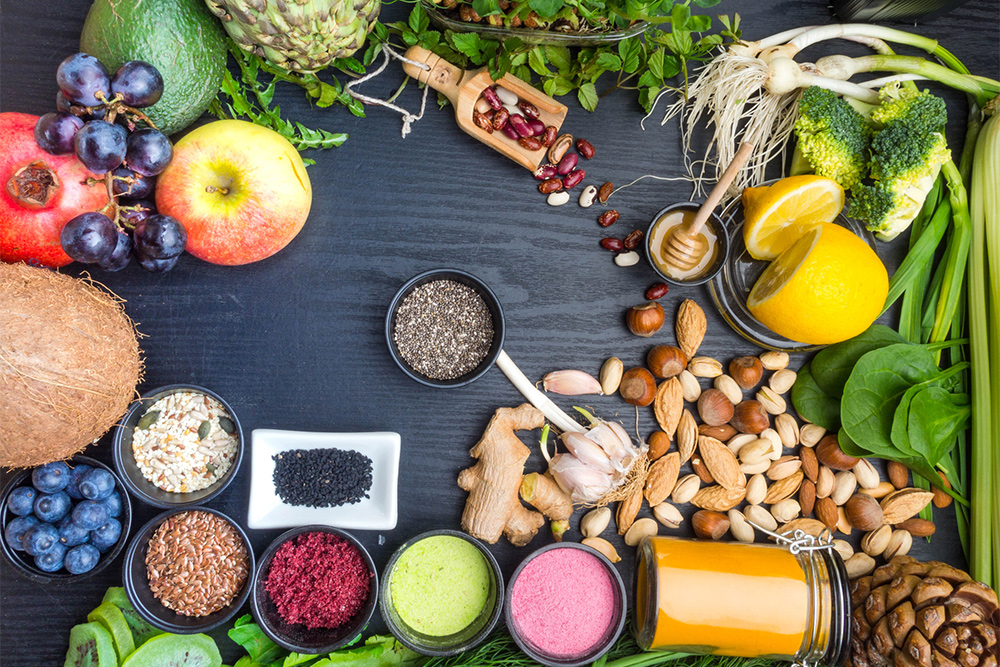
Include cooling foods:

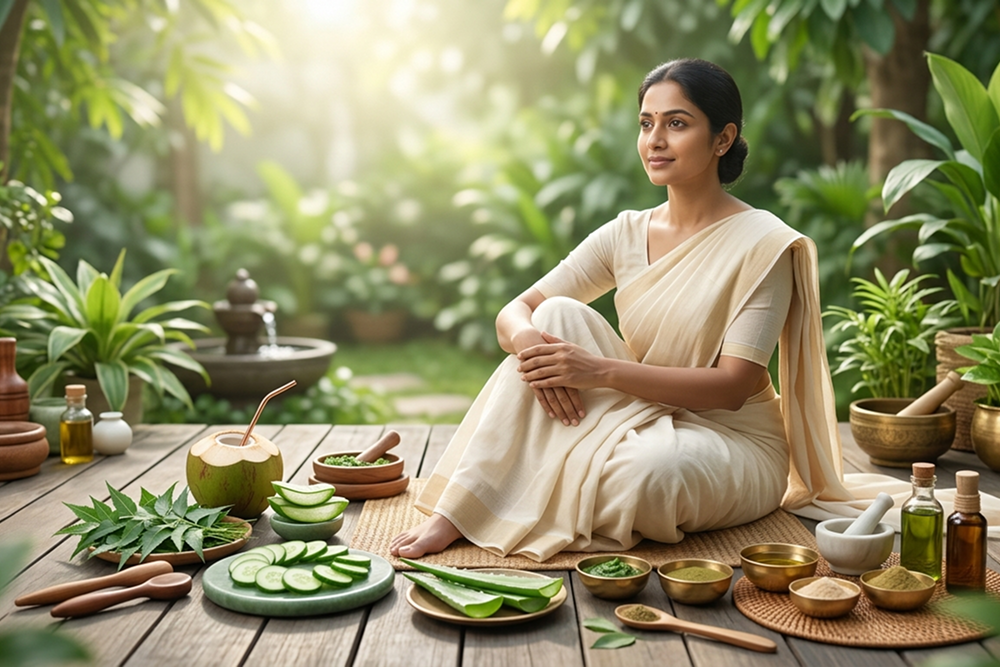
  • Cucumber, watermelon, muskmelon
  • Coconut water
  • Buttermilk
  • Leafy greens
  • Sweet fruits like grapes and pomegranate

Avoid heat-generating foods:

  • Spicy and fried items
  • Red meat
  • Fermented foods
  • Excess salt and sour foods

A balanced diet is one of the best Ayurvedic tips to reduce body heat naturally.

2. Stay Hydrated with Natural Drinks

Hydration is essential for cooling the body.

Best Ayurvedic drinks:

  • Tender coconut water
  • Coriander seed water
  • Fennel (saunf) infused water
  • Rose water drinks

These drinks not only cool your body but also support digestion and detoxification.

3. Use Ayurvedic Herbs for Cooling

Certain herbs are known for their natural cooling properties.

Best Ayurvedic medicine to reduce body heat includes:

These herbs help remove Pitta from the body naturally and restore internal balance.

4. Practice Abhyanga (Oil Massage)

Daily oil massage is a powerful Ayurvedic therapy.

Use cooling oils like:

  • Coconut oil
  • Sandalwood oil
  • Brahmi oil

Benefits of Abhyanga:

This is a traditional method recommended by every Kerala Ayurvedic doctor in Bangalore.

5. Try Cooling Ayurvedic Therapies

Professional treatments at an Ayurveda Siddha Hospital, Bangalore, can provide deeper healing.

Popular therapies include:

  • Shirodhara (oil pouring on forehead)
  • Takradhara (buttermilk therapy)
  • Panchakarma detox

These therapies are highly effective for balancing Pitta and detoxifying the body.

6. Manage Stress and Emotions

Mental health directly affects body heat.

Simple practices:

  • Meditation
  • Deep breathing exercises
  • Yoga (especially cooling poses)

Stress increases Pitta, so calming your mind is essential for cooling your body.

7. Wear Comfortable and Breathable Clothing

Clothing can impact your body temperature.

Choose:

  • Cotton fabrics
  • Light-colored clothes
  • Loose-fitting outfits

Avoid synthetic fabrics that trap heat.

8. Maintain a Healthy Daily Routine

Consistency is key in Ayurveda.

Follow these habits:

  • Wake up early
  • Avoid late-night eating
  • Sleep on time
  • Avoid excessive screen exposure

A disciplined lifestyle helps maintain dosha balance naturally.

How to Remove Pitta from the Body Naturally

If you are wondering how to remove Pitta from the body naturally, focus on these key principles:

  • Eat cooling foods
  • Avoid triggers like heat and stress
  • Practice detox therapies
  • Use herbal remedies
  • Maintain emotional balance

Balancing Pitta is not a one-time process-it requires consistent lifestyle choices.

Ayurvedic Treatments for Body Heat in Bangalore

If home remedies are not enough, consulting a professional is the best step.

At an Ayurveda Siddha Hospital, Bangalore, experienced practitioners provide:

  • Personalized diet plans
  • Herbal medications
  • Detox programs like Panchakarma
  • Lifestyle guidance

Seeking help from the Best Ayurvedic doctor in Bangalore ensures accurate diagnosis and effective treatment.

Indian Home Remedies to Reduce Body Heat

Traditional Indian remedies are simple yet powerful.

Try these at home:

  • Drink buttermilk with cumin
  • Apply sandalwood paste on the skin
  • Consume soaked raisins in the morning
  • Use aloe vera juice

These remedies are widely used for reducing body heat in Indian home remedies.

Lifestyle Tips to Stay Cool Naturally

In addition to diet and herbs, your daily habits matter.

Important tips:

  • Avoid direct sun exposure during peak hours
  • Stay in cool, ventilated spaces
  • Practice mindful eating
  • Limit caffeine intake

Small lifestyle changes can make a big difference in controlling body heat.

Common Mistakes to Avoid

While trying to reduce body heat, many people make mistakes.

Avoid:

  • Drinking ice-cold water excessively
  • Skipping meals
  • Self-medicating with herbs
  • Ignoring symptoms

Ayurveda focuses on balance, not extremes.

Final Thoughts

Ayurvedic Tips to Reduce Body Heat Naturally offer a safe, effective, and long-lasting way to maintain internal balance. Instead of relying on temporary solutions, Ayurveda focuses on root-cause healing, helping your body stay cool, calm, and energized.

Whether you follow simple home remedies or seek professional help from the Best Ayurvedic doctor in Bangalore, the key lies in consistency and mindful living.

Stay cool, stay balanced, and let Ayurveda guide your wellness journey.

FAQs

You can reduce body heat naturally by following a cooling diet, staying hydrated, using Ayurvedic herbs, and maintaining a balanced lifestyle.

In Ayurveda, body heat is reduced by balancing Pitta dosha through diet, herbal remedies, detox therapies, and stress management.

Simple remedies like drinking buttermilk, consuming coconut water, and applying sandalwood paste can effectively reduce body heat.

Herbs like amla, neem, aloe vera, and sandalwood are considered the best Ayurvedic medicines to reduce body heat.

You can remove Pitta by avoiding spicy foods, practicing cooling therapies, and following a Pitta-pacifying routine.

Top Ayurvedic Tips to Fix Digestive Problems Permanently

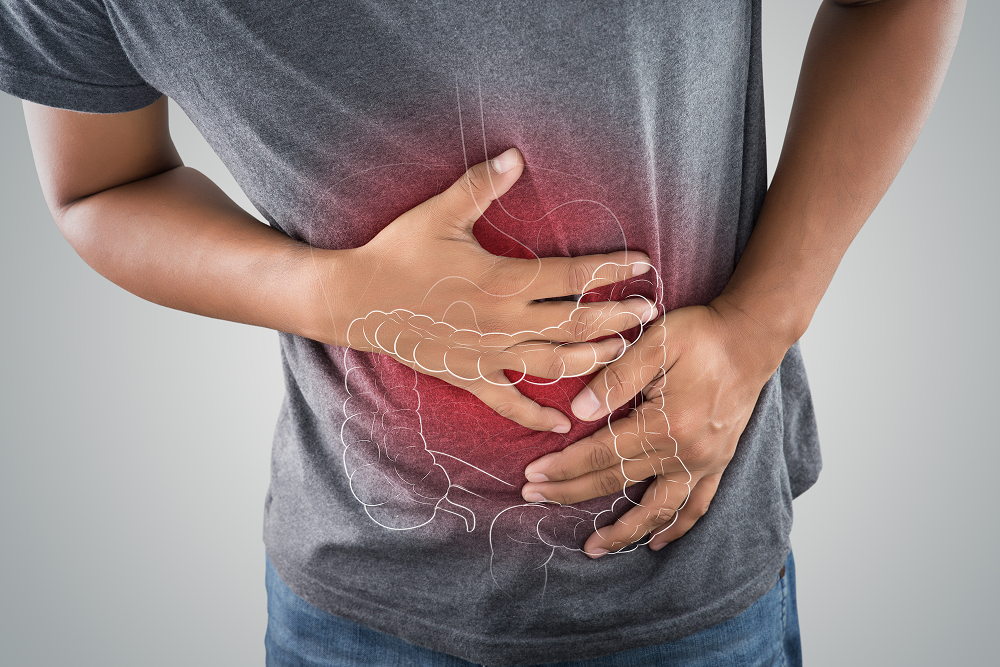
Have you ever finished a meal and immediately felt heavy, bloated, or uncomfortable? You are not alone. Millions of people across India and the world struggle with digestive issues every single day. The good news is that Ayurvedic treatment for digestive problems offers a time-tested, natural path to lasting relief – one that goes far beyond just treating the symptoms.

Unlike modern medicine, which often focuses on managing discomfort through pills and antacids, Ayurveda digs deep into the root cause of your digestive trouble. Whether you are dealing with chronic acidity, irritable bowel syndrome (IBS), constipation, bloating, or an upset gut, Ayurveda has a personalised solution for you.

At Ayurhealing, we believe that a healthy gut is the foundation of overall well-being. Our experienced practitioners draw from classical Ayurvedic wisdom to help you achieve lasting digestive health, naturally and safely.

Understanding Agni (Digestive Fire) in Ayurveda

Before diving into tips, it is important to understand how Ayurveda views digestion. According to Ayurvedic philosophy, the entire digestive process is governed by a concept called Agni – literally meaning “digestive fire.” Agni is responsible for breaking down food, absorbing nutrients, and eliminating waste. When your Agni is strong and balanced, your body functions beautifully. When it is weak or disturbed, a cascade of digestive problems begins.

Ayurveda identifies four states of Agni:

  • Sama Agni: Balanced and ideal digestive fire – food is processed efficiently.
  • Vishama Agni: Irregular digestion, often linked to Vata imbalance – causes gas, bloating, and constipation.
  • Tikshna Agni: Overactive digestion related to Pitta imbalance – leads to acidity, heartburn, and loose stools.
  • Manda Agni: Sluggish digestion associated with Kapha imbalance – causes heaviness, nausea, and weight gain.

Understanding your Agni type is the first step toward personalised Ayurvedic treatment. A qualified Ayurvedic doctor can assess this during your consultation and recommend the most effective approach for your body.

How Dosha Imbalance Affects Your Digestion

Every individual has a unique constitution (Prakriti) made up of three bio-energies or doshas – Vata, Pitta, and Kapha. When these doshas fall out of balance due to poor diet, stress, irregular sleep, or lifestyle choices, your gut is usually the first place to feel it.

Here is how dosha imbalance and digestion are connected:

  • Vata imbalance: Causes bloating, trapped gas, constipation, and irregular bowel movements.
  • Pitta imbalance: Triggers acidity, heartburn, diarrhoea, and inflammation in the gut.
  • Kapha imbalance: Results in slow digestion, heaviness after meals, mucus build-up, and low appetite.

Identifying your dominant dosha and correcting its imbalance is at the heart of effective Ayurvedic treatment. This is why a one-size-fits-all pill never truly solves digestive problems – your body is unique, and it deserves a unique approach.

Top Ayurvedic Tips to Fix Digestive Problems Permanently

The following tips are drawn from classical Ayurvedic texts and refined through thousands of years of clinical wisdom. When followed consistently, they can transform your gut health from the inside out.

1. Strengthen Your Agni with Warm Water and Ginger

One of the simplest and most powerful Ayurvedic remedies for digestion is starting your day with a glass of warm water. Add a few slices of fresh ginger or a teaspoon of ginger juice to further kindle your digestive fire. Ginger is one of the most celebrated Ayurvedic herbs for stomach problems – it reduces inflammation, stimulates digestive enzymes, and relieves nausea and gas naturally.

2. Use Triphala for Digestion and Gut Cleansing

Triphala for digestion is perhaps the most well-known Ayurvedic formulation for gut health. Made from three fruits – Amalaki, Bibhitaki, and Haritaki – Triphala acts as a gentle laxative, antioxidant, and gut tonic all in one. It:

  • Regulates bowel movements without causing dependency
  • Detoxifies and cleanses the intestinal tract
  • Improves nutrient absorption and metabolism
  • Balances all three doshas simultaneously

Take one teaspoon of Triphala powder with warm water at bedtime for best results. Always consult your Ayurvedic doctor before beginning any herbal supplement regimen.

3. Follow an Ayurvedic Diet That Matches Your Dosha

Food is medicine in Ayurveda. What you eat, when you eat it, and how you eat it all matter deeply for gut health. Some key dietary principles to follow:

  • Eat freshly cooked, warm meals – avoid leftover, cold, or raw foods as much as possible.
  • Do not overeat. Ayurveda recommends filling your stomach only two-thirds full.
  • Eat your largest meal at noon when your digestive fire (Agni) is naturally at its peak.
  • Avoid drinking ice-cold water during or immediately after meals – it extinguishes Agni.
  • Include digestion-friendly spices like cumin, coriander, fennel, turmeric, and asafoetida (hing) in your cooking daily.
  • Eat mindfully – no screens, no stress, and proper chewing.

These simple practices are at the core of how to improve digestion naturally – and they cost nothing except a little discipline.

4. Try Panchakarma for Digestive Disorders

For those with deep-seated or chronic digestive conditions, Panchakarma for digestive disorders is a highly effective detoxification and rejuvenation therapy. Panchakarma involves a series of medicated cleansing procedures that remove accumulated toxins (Ama) from the digestive tract and restore doshic balance. The key therapies include:

  • Virechana (Therapeutic Purgation): Specifically targets Pitta-related digestive disorders like acidity, gastritis, and liver issues.
  • Basti (Medicated Enema): Highly effective for Vata-related problems such as chronic constipation, IBS, and bloating.
  • Abhyanga (Oil Massage): Stimulates the lymphatic system, reduces stress, and improves overall gut motility.
  • Swedana (Herbal Steam Therapy): Opens channels, promotes detoxification, and improves circulation to digestive organs.

Panchakarma should always be performed under the supervision of a qualified Ayurvedic physician. At Ayurhealing, our expert team tailors every Panchakarma programme to the individual’s specific constitution and health condition.

5. Manage Ayurveda for Acidity and Gas Naturally

If you frequently suffer from burning sensations, sour belching, or gas, you are likely dealing with a Pitta imbalance. Ayurvedic treatment for acidity focuses on cooling and calming the digestive system rather than simply suppressing acid. Helpful remedies include:

  • Drink a glass of cool (not cold) coconut water or buttermilk (takra) after meals.
  • Chew on a small piece of jaggery after eating – it naturally neutralises excess acid.
  • Amla (Indian gooseberry) is an exceptional herb for managing acidity and strengthening the gut lining.
  • Avoid spicy, oily, and fermented foods that aggravate Pitta.
  • Practice Sheetali Pranayama (cooling breath) daily to calm internal heat.

6. Natural Cure for IBS with Ayurveda

Irritable Bowel Syndrome (IBS) is one of the most frustrating digestive conditions to live with. A natural cure for IBS with Ayurveda addresses the nervous system, the gut microbiome, and the doshic imbalance all at once. Consistent use of Basti therapy, stress management through meditation and yoga, a warm Vata-pacifying diet, and personalised herbal formulations have shown remarkable results in IBS patients who follow Ayurvedic treatment diligently.

7. Establish a Daily Routine (Dinacharya)

A consistent daily routine – known as Dinacharya in Ayurveda – is one of the most underrated tools for gut health. When you eat, sleep, and wake at consistent times, your digestive system falls into a healthy rhythm. Here is a simple morning routine to support digestion:

  1. Wake up before 6:00 AM – ideally at sunrise.
  2. Drink 1–2 glasses of warm water immediately after waking.
  3. Perform tongue scraping to remove Ama (toxins) that accumulate overnight.
  4. Do 20–30 minutes of gentle yoga or walking to stimulate bowel movement.
  5. Eat a light, warm breakfast – avoid rushing your first meal.

These small, consistent habits create a profound difference in your gut health over time.

Finding the Best Ayurvedic Treatment in Bangalore for Digestive Problems

If you are in Bangalore and are looking for authentic, results-driven Ayurvedic care, you do not have to look far. The city is home to several well-established Ayurvedic institutions that provide classical treatment rooted in tradition. When looking for the best Ayurvedic clinic in Bangalore, consider these factors:

  • Qualified doctors with a recognised Ayurvedic degree (BAMS, MD Ayurveda)
  • Personalised consultation and pulse diagnosis (Nadi Pariksha)
  • In-house Panchakarma facilities with trained therapists
  • Use of authentic, quality-controlled herbal medicines
  • Transparent treatment plans and regular follow-ups

Whether you are searching for the best Ayurvedic doctor in Bangalore or a trusted Siddha hospital in Bangalore that combines traditional wisdom with modern understanding, Ayurhealing is committed to guiding you toward the right care. Our team of experienced Ayurvedic physicians takes time to understand your complete health history, assess your dosha constitution, and build a treatment plan that works specifically for you.

Gut health in Ayurveda is never treated in isolation. At Ayurhealing, every treatment plan for digestive health also addresses sleep quality, mental stress, dietary patterns, and lifestyle – because true healing is always holistic.

When Should You Seek Professional Ayurvedic Help?

Home remedies work wonderfully for mild or occasional digestive complaints. However, there are situations where professional Ayurvedic treatment becomes essential. Consult a qualified Ayurvedic doctor if you experience:

  • Persistent bloating, gas, or stomach pain lasting more than two weeks
  • Alternating constipation and diarrhoea (often a sign of IBS)
  • Chronic acidity or acid reflux that returns despite dietary changes
  • Unexplained weight loss or loss of appetite
  • Blood in stools or severe abdominal cramps
  • Extreme fatigue linked to poor digestion and nutrient malabsorption

These symptoms indicate a deeper imbalance that needs structured Ayurvedic treatment – not just symptomatic relief. Early intervention always leads to faster, more complete recovery.

Final Thoughts: Heal Your Gut, Transform Your Life

Your digestive system is far more than just a food processor. In Ayurveda, it is the seat of health, energy, immunity, and even emotional well-being. When your gut is happy, you are happy – your energy improves, your mind becomes clearer, and chronic discomforts begin to fade.

The tips shared in this blog are a starting point – a window into what Ayurveda can offer. But true, lasting healing comes from a personalised plan designed around your unique constitution and health history. That is exactly what Ayurhealing is here for. Whether you are exploring Ayurvedic remedies for digestion for the first time or have been struggling with chronic gut issues for years, our team is ready to walk this healing journey with you.

Do not let digestive discomfort steal your joy any longer. Reach out to Ayurhealing today and take your first step toward a healthier, happier gut – the Ayurvedic way.

FAQs

Ayurvedic treatment focuses on root-cause healing rather than temporary relief. With herbal medicines, diet changes, and therapies like Panchakarma, many people experience long-term improvement. Results depend on consistency and condition severity.

Triphala is generally safe for daily use in the right dosage. However, consult an Ayurvedic doctor before regular use, especially during pregnancy or if taking other medications.

Panchakarma typically takes 7–21 days, depending on the condition. Many people notice improved digestion and energy within the first week, with better results after completing the full program.

Common Ayurvedic remedies include Amla, Shatavari, and Avipattikar Churna. Simple habits like drinking coconut water and chewing fennel seeds can help, but long-term relief requires balancing the body’s doshas.

Choose a clinic with qualified Ayurvedic doctors, personalised treatments, and authentic therapies. Check patient reviews and experience. Clinics like Ayurhealing are known for digestive health treatments.

International Holistic Health Centre in Bangalore: Complete Ayurvedic & Holistic Healing at Ayurhealing

Introduction: Why an International Holistic Health Centre in Bangalore Matters Today

In today’s fast-paced urban lifestyle, health challenges are no longer limited to physical pain alone. Stress, burnout, lifestyle disorders, chronic pain, and emotional imbalance have become part of daily life. This growing need for comprehensive healing has led many people to seek an International Holistic Health Centre in Bangalore, a place where mind, body, and spirit are treated as one.

At Ayurhealing, holistic healing is not a trend; it is a way of life rooted in Ayurveda, Siddha wisdom, and time-tested natural therapies. As a trusted holistic health centre in Bangalore, Ayurhealing integrates Ayurvedic treatment, personalized medicines, Panchakarma, and lifestyle guidance to support long-term wellness rather than temporary relief.

Within the first step of healing, patients often notice improved energy, mental clarity, and relief from pain-making holistic care an essential choice for modern living.

What Is an International Holistic Health Centre?

A Global Approach with Traditional Roots

An International Holistic Health Centre blends ancient healing systems like Ayurveda and Siddha with modern diagnostic understanding. The focus is not just disease management, but root-cause healing and prevention.

At Ayurhealing, holistic care means:

  • Treating physical symptoms and emotional triggers together
  • Personalizing treatment plans for every individual
  • Using natural therapies instead of suppressive medications
  • Supporting long-term lifestyle transformation

This integrative approach is why many consider Ayurhealing among the best Ayurvedic treatment centres in Bangalore.

Why Bangalore Is a Hub for Holistic Healing

Bangalore Holistic Healing Centre Culture

Bangalore has become a wellness destination due to:

  • High awareness of preventive healthcare
  • Access to experienced Ayurvedic doctors
  • Growing demand for non-invasive therapies
  • Global exposure to integrative medicine

As a leading Bangalore holistic healing centre, Ayurhealing attracts patients not only from Karnataka but also from across India and abroad.

Ayurhealing: An International Holistic Health Centre in Bangalore

What Makes Ayurhealing Different

Ayurhealing stands apart because it prioritizes human-centric healing, not commercial wellness packages.

Key principles at Ayurhealing:

  • Authentic Ayurvedic diagnosis
  • Doctor-led therapies
  • Ethical treatment protocols
  • Individual-focused healing plans

This philosophy positions Ayurhealing as both a holistic health centre in Bangalore and a trusted Ayurvedic wellness centre that Bangalore residents rely on.

Ayurvedic Treatment: Healing Beyond Symptoms

Understanding Ayurvedic Treatment

Ayurvedic treatment is based on balancing the three doshas-Vata, Pitta, and Kapha. Instead of masking symptoms, Ayurveda addresses digestion, immunity, mental health, and tissue strength.

Common conditions treated include:

  • Digestive issues

This is why many patients searching for an Ayurvedic doctor near me choose Ayurhealing for its personalized care.

Ayurveda Therapy and Pain Relief

Pain is often a signal of imbalance, not just physical strain. Ayurveda therapy focuses on restoring circulation, reducing inflammation, and calming the nervous system.

Effective therapies include:

These therapies make Ayurhealing a preferred choice for those seeking the best Ayurvedic doctor for back pain in Bangalore.

Panchakarma Treatment Centre: Deep Detox and Rejuvenation

Why Panchakarma Is Essential

Panchakarma is a cornerstone of holistic healing. As a trusted Panchakarma treatment centre, Ayurhealing offers therapies that detoxify the body at a cellular level.

Benefits of Panchakarma:

  • Eliminates deep-rooted toxins
  • Improves digestion and metabolism
  • Enhances immunity
  • Slows premature aging

This process is especially beneficial for those undergoing long-term Ayurvedic treatment in Bangalore.

Ayurvedic Medicine: Natural, Safe, and Personalized

How Ayurvedic Medicine Works

Unlike generic medicines, Ayurvedic medicine is prescribed based on individual constitution and disease stage.

At Ayurhealing:

  • Medicines are doctor-formulated
  • Dosage is customized
  • Diet and lifestyle guidance is mandatory

This careful approach is why many regard it as the best Ayurveda clinic for sustainable healing.

Siddha Clinic in Bangalore: Complementing Ayurveda

The Role of Siddha Medicine

Ayurhealing also integrates Siddha healing principles where required. A Siddha clinic in Bangalore, within a holistic centre, allows:

  • Better management of chronic inflammatory conditions
  • Natural support for skin and respiratory disorders
  • Long-term metabolic balance

This multi-disciplinary model strengthens Ayurhealing’s international holistic identity.

Kerala Ayurvedic Treatment in Bangalore

Authenticity Matters

Many people seek Kerala Ayurvedic treatment in Bangalore because of its strict therapeutic protocols and skilled therapists.

Ayurhealing ensures:

  • Kerala-trained therapists
  • Traditional oil preparations
  • Classical treatment sequences

This authenticity is essential for achieving real healing outcomes.

Choosing the Best Ayurvedic Centre in Bangalore

What to Look For

When selecting the best Ayurvedic centre in Bangalore, consider:

  • Doctor qualifications
  • Personalized diagnosis
  • Ethical treatment duration
  • Clear communication

Ayurhealing meets these standards, earning trust as one of the best Ayurvedic clinics in Bangalore.

Who Can Benefit from an International Holistic Health Centre?

Holistic care is ideal for:

  • Corporate professionals under stress
  • Elderly individuals with chronic pain
  • Women with a hormonal imbalance
  • Athletes and physically active individuals
  • International patients seeking natural healing

This wide scope makes Ayurhealing a truly International Holistic Health Centre.

Treatment Process at Ayurhealing

  • Detailed consultation
  • Dosha and lifestyle assessment
  • Customized therapy plan
  • Therapies + medicines + diet
  • Follow-up and preventive guidance

This structured approach ensures clarity, safety, and long-term results.

Conclusion: Ayurhealing – A Trusted International Holistic Health Centre in Bangalore

True healing is not about quick fixes-it is about understanding the body, respecting nature, and restoring balance. As an International Holistic Health Centre in Bangalore, Ayurhealing offers more than treatment; it offers a path toward sustainable well-being.

If you are seeking authentic Ayurveda, compassionate care, and holistic healing under one roof, Ayurhealing stands as a place of trust, tradition, and transformation.

FAQs

Chronic pain, stress disorders, digestive issues, lifestyle diseases, and immunity concerns.

Yes. Ayurhealing adheres to global wellness standards while maintaining traditional authenticity.

Ayurveda addresses the root cause and emphasizes long-term balance.

Yes, when done under expert supervision after proper evaluation.

In many cases, but only under medical guidance.

Healing timelines vary depending on condition, lifestyle, and commitment.

Ayurvedic Treatment Njavarakizhi: A Powerful Healing Therapy for Strength, Skin, and Stress Relief

Introduction to Ayurvedic Treatment Njavarakizhi

Ayurvedic treatment Njavarakizhi is one of the most time-tested and nourishing therapies in Ayurveda, widely practiced in Kerala and now embraced across India and globally. At Ayurhealing, this traditional Ayurvedic therapy is offered with authenticity, care, and a strong human-centric healing philosophy, free from generic or automated approaches.

Within the first experience of Njavarakizhi, many individuals report deep muscle relaxation, noticeable stress reduction, and a renewed sense of vitality. This therapy is especially valued for managing weakness, neurological imbalances, joint stiffness, and skin concerns. When guided by expert Ayurvedic physicians, Njavarakizhi becomes not just a treatment, but a rejuvenating healing ritual.

What Is Njavarakizhi in Ayurveda?

Understanding the Roots of Njavarakizhi

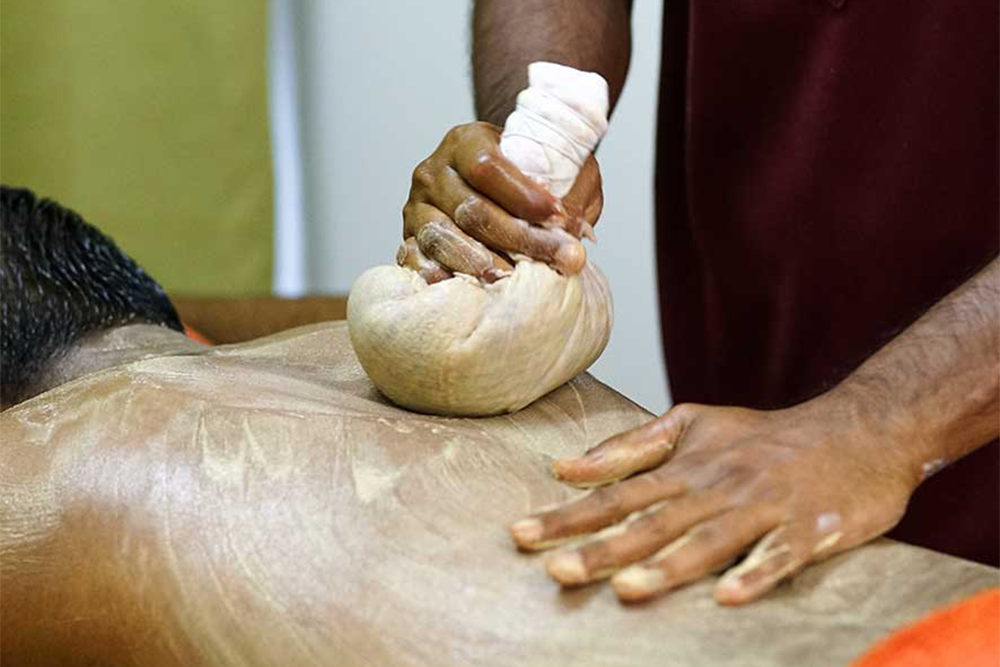
Njavarakizhi, also known as Shashtika Shali Pinda Sweda, is a classical Ayurvedic treatment method that utilizes a special medicinal rice called Njavara. This rice is cooked in herbal decoctions and cow’s milk, then bundled into soft boluses (kizhi), which are gently massaged over the body.

Unlike ordinary massages, this therapy combines oleation (snehana) and sudation (swedana), making it deeply nourishing and strengthening.

Why Njavara Rice Is Unique

Njavara rice is revered in Ayurveda because it:

  • It is rich in bioavailable nutrients
  • Strengthens muscles and nerves
  • Improves skin tone and texture
  • Balances Vata and Pitta doshas

How Ayurvedic Njavarakkizhi Treatments Are Performed

Step-by-Step Process

Initial Consultation

An Ayurvedic doctor evaluates body constitution (Prakriti), imbalance (Vikriti), and health goals.

Preparation of Njavara Kizhi

Njavara rice is cooked in a decoction of Bala root and milk.

Abhyanga (Oil Massage)

Herbal oils are applied to prepare the body.

Kizhi Application

Warm boluses are rhythmically massaged over the body.

Post-Therapy Care

Herbal bath and diet guidance follow.

This personalized approach ensures safety and maximum therapeutic benefit.

Njavara Kizhi Benefits: Why This Therapy Is So Powerful

1. Muscle Relaxation and Strength Building

Njavarakizhi is widely recommended for:

  • Muscular dystrophy
  • Muscle wasting
  • Sports injuries

The therapy nourishes muscle tissue (Mamsa Dhatu) and enhances strength naturally.

2. Stress Reduction and Nervous System Support

By calming the nervous system, Njavarakizhi helps manage:

  • Insomnia

It is also supportive as an Ayurvedic solution for migraine, especially when stress is a trigger.

3. Boosts Immunity Naturally

Regular sessions help improve Ojas, the essence responsible for immunity and vitality, making it beneficial for those with frequent infections or low stamina.

Njavarakizhi Benefits for Skin Health

How It Enhances Skin Naturally

Njavarakizhi benefits for skin include:

  • Improved hydration
  • Enhanced glow
  • Reduced dryness and irritation
  • Support for inflammatory skin conditions

Because the therapy works internally and externally, it promotes long-lasting skin health rather than temporary cosmetic results.

Can Allergy Be Cured by Ayurveda?

Ayurveda views allergies as an imbalance of doshas and weakened digestion (Agni). Njavarakizhi supports allergy management by:

  • Strengthening immunity
  • Reducing inflammatory responses
  • Supporting detoxification

While it may not replace all treatments, Ayurveda offers sustainable, root-cause-based relief when combined with dietary and lifestyle changes.

Njavarakizhi Side Effects: What You Should Know

Is Njavarakizhi Safe for Everyone?

When administered correctly, Njavarakizhi is generally safe. However, Njavarakizhi side effects may occur if:

  • Done without medical supervision
  • Performed during fever or acute infections
  • Used in unsuitable body constitutions

Common Kizhi Treatment Side Effects (Rare)

Possible EffectReason
Mild fatigueDeep detox response
Temporary heavinessExcess Kapha
Skin sensitivityImproper oil selection

This is why Ayurvedic Medicine Precautions are essential.

Ayurvedic Medicine Precautions Before Njavarakizhi

  • Always consult a qualified Ayurvedic doctor
  • Avoid therapy during acute illness
  • Follow dietary guidelines strictly
  • Inform the therapist about allergies or skin sensitivity

Njavarakizhi for Weakness and Rehabilitation

Ayurvedic Treatment for Weakness

Njavarakizhi is highly effective for:

  • Post-illness recovery
  • Neuromuscular disorders
  • Elderly care

It is often combined with Ayurvedic treatment methods like Basti and Nasya for holistic recovery.

Njavarakizhi and Mental Well-being

The warmth, rhythm, and herbal nourishment induce a meditative state, helping with:

  • Emotional exhaustion
  • Burnout

This aligns perfectly with Ayurveda’s mind-body healing philosophy.

Ayurvedic Njavarakizhi Treatments at Ayurhealing

At Ayurhealing, Njavarakizhi is offered as part of a comprehensive healing plan rooted in tradition and compassion, not mass-produced wellness.

What Makes Ayurhealing Different

  • Human-centric care
  • Personalized treatment protocols
  • Authentic Kerala Ayurvedic practices
  • Ethical, doctor-led therapies

Choosing the Right Ayurvedic Centre

Many people search for:

  • Best Ayurvedic clinic in Bangalore
  • Ayurvedic treatment near me

While reputation matters, the quality of diagnosis and personalization is far more important than labels.

Easy Ayurveda Home Remedies to Support Njavarakizhi

To enhance results:

  • Drink warm herbal water
  • Practice gentle yoga
  • Follow seasonal diets
  • Use Ayurvedic eye remedies for eye strain

Conclusion: Why Ayurvedic Treatment Njavarakizhi Matters Today

In a world of quick fixes and superficial wellness trends, ayurvedic treatment Njavarakizhi stands out as a deeply restorative, time-honored therapy. At Ayurhealing, it is practiced with authenticity, care, and respect for the individual-ensuring healing that is personal, safe, and sustainable.

True Ayurveda is not just about treatment-it’s about transformation.

FAQs

Usually 7–14 sessions, depending on the condition.

Yes, under expert supervision, especially for neuromuscular conditions.

Yes, it works well as an Ayurvedic solution for migraine when stress-related.

No, when done correctly with precautions.

Yes, it significantly boosts immunity by strengthening Ojas.

Yes, it is often combined with other Ayurvedic therapy protocols.

Women’s Hormonal & Wellness Care Therapy Through Ayurveda

Women today face constant physical, emotional, and hormonal challenges due to stress, lifestyle imbalance, diet changes, and environmental factors. Ayurveda, the ancient science of life, offers a deeply personalized and natural approach to women’s hormonal & wellness care therapy, focusing not only on symptoms but on long-term balance and vitality. At Ayurhealing, we follow authentic Ayurveda therapy principles to support complete women’s health and wellness in a safe, holistic way.

Ayurvedic medicine, lifestyle counselling, and therapies all work together to bring the body back into balance during the initial phases of care. Because of this, Ayurveda is one of the most reliable methods for treating hormonal imbalances in women, particularly when it is administered by the Best Ayurvedic doctor in Bangalore.

Understanding Women’s Health Through Ayurveda

According to Ayurveda women’s health principles, hormonal balance is governed by the harmony of Vata, Pitta, and Kapha doshas. When these doshas are disturbed, women may experience irregular cycles, PCOS, fatigue, mood swings, thyroid imbalance, weight fluctuations, and sleep disturbances.

Ayurvedic women’s health does not isolate a single hormone or organ. Instead, it addresses digestion, mental health, reproductive strength, and immunity together. This is why Ayurveda women’s wellness therapy is increasingly preferred over symptom-based treatments.

Ayurveda therapy focuses on:

  • Restoring natural hormonal rhythm
  • Strengthening digestion and metabolism
  • Improving emotional and mental stability
  • Supporting reproductive and endocrine health

Women’s Hormonal & Wellness Care Therapy at Ayurhealing

At Ayurhealing, a leading wellness women’s clinic, treatments are designed after a detailed consultation and body constitution analysis. Each woman receives a customized plan based on her hormonal condition, age, lifestyle, and stress levels.

This approach places Ayurhealing among the best Ayurvedic treatment centres in Bangalore, especially for women seeking long-term wellness rather than temporary relief.

The therapy combines:

  • Classical Ayurvedic medicine
  • Authentic Kerala Ayurvedic treatment in Bangalore
  • Lifestyle correction and nutritional guidance
  • Mind-body therapies for stress regulation

Hormonal Imbalance in Women – Ayurvedic Treatment Approach

Hormonal imbalance in women. Ayurvedic treatment aims to cleanse, nourish, and rebuild the body from within. Rather than suppressing symptoms, Ayurveda identifies the root cause, such as weak digestion, toxin accumulation (Ama), chronic stress, and disrupted sleep.

How to cure hormonal imbalance in females naturally

Ayurveda recommends a structured healing path that includes internal medicine, detox therapies, and daily routine correction. When followed consistently, this approach supports sustainable hormone regulation.

Treatment of hormonal imbalance typically includes:

  • Herbal formulations tailored to hormonal health
  • Diet aligned with dosha balance

This integrated method makes Ayurveda one of the safest systems for women’s long-term hormonal care.

Natural Remedies for Hormonal Imbalance in Females

Natural remedies for hormonal imbalance in females play a crucial role in stabilizing endocrine function. Ayurveda emphasizes food, herbs, and routine as medicine.

Rather than quick fixes, natural remedies gently correct internal imbalances, making them suitable for long-term use under expert supervision.

Some commonly recommended Ayurvedic support methods include:

  • Herbal formulations that nourish reproductive tissues
  • Digestive strengthening remedies
  • Sleep-enhancing Ayurvedic medicines
  • Stress-management therapies

These remedies are especially effective when guided by the Best Ayurvedic Doctor in Bangalore, ensuring safety and personalization.

Vitamins and Supplements for Female Hormone Balance

Many women ask about vitamins to balance hormones for females. Ayurveda recognizes that micronutrients are essential but must be absorbed properly through strong digestion.

Instead of synthetic supplements alone, Ayurveda supports:

  • Naturally derived nutrients
  • Herbal mineral preparations
  • Digestive enhancers that improve absorption

When required, the best female hormone balance supplements are integrated carefully into the treatment plan at Ayurhealing, ensuring compatibility with Ayurvedic medicine and therapies.

How to Balance Your Hormones as a Woman

Women often search for practical answers to how to balance their hormones as a women, especially while managing work, family, and health.

Ayurveda suggests consistent daily habits rather than extreme measures. Small, sustained changes create powerful long-term effects.

Key focus areas include:

  • Regular sleep and wake cycles
  • Balanced meals according to body type
  • Emotional well-being and stress control
  • Gentle physical activity and yoga

With proper guidance, many women notice improvement in energy, mood, cycles, and overall wellness within weeks.

How to Balance Your Hormones in a Week – What’s Realistic?

While complete hormonal balance takes time, how to balance your hormones in a week is a common question. Ayurveda approaches this realistically by offering short-term relief alongside long-term healing.

In the first week, women may experience:

  • Improved digestion
  • Reduced bloating and fatigue

These early changes indicate the body responding positively to Ayurveda therapy, paving the way for deeper hormonal correction.

Why Choose Ayurhealing in Bangalore?

Ayurhealing stands out as a trusted best Ayurvedic clinic in Bangalore for women’s wellness because of its authentic practices, experienced doctors, and patient-centric care.

Women seeking the Best Ayurvedic treatment in Bangalore choose Ayurhealing for:

  • Expert consultation from experienced Ayurvedic doctors
  • Genuine Kerala-based therapies
  • Personalized women’s wellness programs
  • Safe, natural, and sustainable healing

This holistic approach makes Ayurhealing a preferred destination for women’s health and wellness across all life stages.

FAQs

Yes. Ayurveda uses natural, time-tested methods that work gently with the body, making it safe when guided by qualified doctors.

Absolutely. Ayurvedic treatment focuses on root-cause correction, helping restore natural hormone balance over time.

Results vary, but many women notice improvements within weeks, with deeper healing occurring over a few months.

Yes. Authentic Kerala Ayurvedic treatment in Bangalore is highly effective for detox, hormonal balance, and rejuvenation.

Ayurvedic Treatment for Parkinson’s Disease: A Holistic and Supportive Healing Approach

Parkinson’s disease is a progressive neurological condition that affects movement, coordination, and overall quality of life. Many patients and families today explore Ayurvedic treatment for Parkinson’s alongside conventional care to find a gentler, more holistic approach. In Ayurveda, Parkinson’s disease is not viewed as an isolated brain disorder but as a systemic imbalance affecting the nervous system, digestion, and mental well-being. At Ayurhealing, an International Holistic Health Centre, we follow classical Ayurvedic principles supported by Kerala Ayurvedic treatment in Bangalore, guided by expert Ayurveda doctors with years of experience.

Within the first stages of care, Ayurveda, Ayurvedic medicine, and carefully designed Ayurvedic therapies for Parkinson’s disease focus on calming aggravated Vata, nourishing nerve tissues, and improving functional stability rather than offering unrealistic cure claims.

Understanding Parkinson’s Disease Through Ayurveda

From a modern medical perspective, Parkinson’s disease occurs due to the degeneration of dopamine-producing neurons in the brain. Ayurveda explains this condition primarily as a Vata-dominant neurological disorder, classified under Vata Vyadhi.

What Causes Parkinson’s Disease According to Ayurveda?

Ayurveda links Parkinson’s disease to long-term Vata imbalance caused by aging, chronic stress, digestive weakness, poor nourishment of nerve tissues (Majja Dhatu), and toxin accumulation (Ama). Emotional strain, irregular routines, and long-standing anxiety further aggravate symptoms.

Rather than addressing only tremors or stiffness, Ayurvedic treatment for Parkinson’s disease aims to correct these underlying imbalances gently and progressively.

What Is the Ayurvedic Treatment for Parkinson’s Disease?

Ayurvedic treatment does not claim an instant cure. Instead, it offers a structured, supportive approach that helps slow progression, reduce symptom severity, and improve daily functioning.

At Ayurhealing, treatment plans are individualized and supervised by the best Ayurvedic doctor in Bangalore, ensuring safety and long-term sustainability.

Ayurvedic treatment for Parkinson’s generally includes:

  • Internal herbal formulations to nourish the nervous system
  • External therapies to reduce rigidity and tremors
  • Panchakarma detoxification for deeper neurological balance
  • Diet and lifestyle correction
  • Stress management as a therapeutic priority

This integrated approach is why many patients seek care at a reputed Ayurvedic hospital in Bangalore rather than relying on symptom-only management.

Role of Panchakarma Treatment in Parkinson’s Disease

Panchakarma treatment plays a central role in Ayurvedic neurological care. In Parkinson’s disease, Panchakarma is used not aggressively, but therapeutically, to pacify Vata and rejuvenate nerve tissues.

Among Panchakarma therapies, Basti (medicated enema) is especially significant, as Ayurveda considers the colon the main seat of Vata. When administered properly, it helps improve motor coordination, stiffness, and bowel regulari-common concerns in Parkinson’s patients.

Other supportive Panchakarma therapies include oil-based body treatments and head therapies that calm the nervous system and support sleep. These Ayurveda Panchakarma therapies are a hallmark of authentic Kerala Ayurvedic treatment in Bangalore, as practiced at the best Ayurvedic treatment centres in Bangalore, like Ayurhealing.

Ayurvedic Medicine and Herbal Remedies for Parkinson’s Disease

Ayurvedic medicine for Parkinson’s disease focuses on nerve nourishment, mental clarity, and muscular coordination. Herbal remedies are selected based on body constitution, symptom pattern, and stage of disease.

Herbs such as Ashwagandha, Brahmi, and Kapikacchu are commonly discussed in Ayurvedic texts for neurological support. These herbal remedies in Ayurveda are not used as standalone cures but as part of a structured treatment plan.

Can Ashwagandha Cure Parkinson’s?

Ashwagandha does not cure Parkinson’s disease. However, Ayurveda recognizes it as a powerful adaptogen that helps reduce stress, improve nerve strength, and enhance overall resilience. When used under medical supervision, it can significantly improve the quality of life.

Can Parkinson’s Disease Be Cured Naturally?

A common and important question is whether Parkinson’s disease can be cured naturally. Ayurveda takes an honest and ethical stance: Parkinson’s disease is a chronic condition, but its progression and symptom severity can often be managed more effectively through holistic care.

Patients undergoing consistent Ayurvedic treatment often report improved balance, reduced stiffness, better sleep, and enhanced emotional stability. These improvements, while gradual, are meaningful and sustainable.

How Can I Control My Parkinson’s Without Medication?

Ayurveda never advises stopping prescribed medication without medical guidance. However, many patients ask how they can support themselves naturally alongside conventional treatment.

Ayurvedic care emphasizes routine, nourishment, gentle movement, and mental calmness. Oil therapies, diet correction, Panchakarma, and stress-reducing practices play a major role in symptom control. This integrative model is widely followed at the best Ayurvedic clinics in Bangalore that focus on neurological rehabilitation.

Role of Stress Management in Parkinson’s Disease

Stress has a direct impact on tremors, muscle rigidity, and sleep disturbances. Ayurveda considers stress management essential, not optional, in Parkinson’s care.

Therapies such as Shirodhara, regulated daily routines, herbal adaptogens, and guided relaxation help stabilize the nervous system. At Ayurhealing, stress management is woven into every treatment plan, recognizing its influence on disease progression.

Why Patients Choose Ayurhealing for Parkinson’s Care

Ayurhealing stands apart as an International Holistic Health Centre because of its patient-centred philosophy and authentic Ayurvedic practice.

Patients choose Ayurhealing for:

  • Consultation with famous Ayurveda doctors in Bangalore
  • Structured Panchakarma protocols
  • Safe integration with modern medical care
  • Calm clinical environment
  • Long-term wellness focus rather than short-term relief

This approach has positioned Ayurhealing as a best Ayurveda treatment centre in Bangalore for chronic neurological conditions.

Conclusion

Ayurvedic treatment for Parkinson’s disease offers a compassionate, holistic path for managing a complex neurological condition. By focusing on nerve nourishment, Vata balance, Panchakarma detoxification, and emotional well-being, Ayurveda supports patients beyond symptom suppression. At Ayurhealing, our commitment is to improve the quality of life through ethical, personalized, and time-tested Ayurvedic care.

FAQs

It includes herbal medicines, Panchakarma therapies, diet correction, lifestyle regulation, and stress management.

Yes, when guided by experienced doctors, Ayurveda is safe and supportive.

Ayurveda is best used as a complementary approach alongside conventional care.

Most patients notice gradual improvements within a few weeks, with continued benefits over time.

Ayurveda Treatment for Ulcers: A Natural Healing Path for Stomach, Mouth, and Throat Ulcers

Ulcers are not just painful sores; they are signs that the body’s inner balance has been disturbed. In Ayurveda, ulcers-whether they appear as ulcers in the stomach, ulcers in the mouth, ulcers in the tongue, or ulcers in the throat-are treated by addressing the root cause rather than merely suppressing symptoms. Ayurveda treatment for ulcers focuses on healing the digestive fire, calming aggravated Pitta dosha, restoring gut integrity, and strengthening overall immunity through herbal medicine, diet, and Panchakarma therapies. At Ayurhealing, we follow authentic Ayurvedic principles combined with Kerala traditions to offer natural, safe, and sustainable ulcer care.

Understanding Ulcers Through Ayurveda

In modern medicine, ulcers are typically described as open sores caused by excessive acid, infections, stress, or side effects of medication. Ayurveda, however, views ulcers as the result of a Pitta imbalance, weak digestion (Ama), and damaged gut tissues (Dhatu kshaya).

Common Types of Ulcers Explained in Ayurveda

  • Ulcers in the stomach (Peptic ulcers) – Often caused by excess heat, acidity, irregular meals, stress, or spicy foods
  • Ulcers in the mouth and tongue – Linked to digestive toxins, Pitta aggravation, and vitamin deficiencies
  • Ulcers in the throat – Caused by chronic acidity, dryness, and inflammation
  • Pitta-type ulcers – Characterized by burning pain, redness, sour belching, and irritability

Ayurvedic treatment for peptic ulcer aims to cool, nourish, and heal the stomach lining naturally.

Why Ayurveda Is Effective for Ulcer Treatment

Unlike quick-fix medicines that only reduce acid, Ayurveda treatment for ulcers works on multiple levels:

  • Heals the ulcer tissue naturally
  • Balances Pitta dosha
  • Strengthens digestion without irritation
  • Prevents recurrence
  • Improves overall gut health

This makes Ayurveda suitable for adults, elderly patients, and even children when properly guided by a qualified doctor.

Ayurvedic Causes of Stomach Ulcers

CauseAyurvedic Explanation
Excess acidityAggravated Pitta
Irregular mealsWeak digestive fire
Stress and anxietyVata-Pitta imbalance
Spicy, oily foodHeat accumulation
Long-term painkillersTissue damage (Dhatu kshaya)

Understanding the cause helps design a personalized ulcer treatment in Ayurveda Kerala tradition, followed at Ayurhealing.

Ayurvedic Treatment for Peptic Ulcer

1. Herbal Medicines for Ulcers

Ayurvedic medicine for ulcers in the stomach focuses on cooling, healing, and strengthening digestion.

Commonly used herbs include:

  • Yashtimadhu (Licorice) – Heals ulcer wounds and reduces acidity
  • Amalaki – Powerful cooling agent and antioxidant
  • Shatavari – Soothes the stomach lining
  • Guduchi – Reduces inflammation and boosts immunity
  • Neem – Purifies and balances Pitta

These are prescribed after a detailed diagnosis by the best Ayurvedic doctor in Bangalore at Ayurhealing.

2. Panchakarma Therapy for Ulcers

Panchakarma treatment plays a vital role in chronic or recurrent ulcers.

Effective Panchakarma therapies include:

  • Takra Dhara – Soothes the digestive and nervous systems

This approach is commonly used in Kerala Ayurvedic treatment in Bangalore centers like Ayurhealing.

Ayurvedic Healing Foods for Peptic Ulcers

Diet is medicine in Ayurveda.

Recommended Foods

  • Rice gruel (kanji)
  • Boiled vegetables
  • Coconut water
  • Cow’s ghee (in moderation)
  • Ripe bananas
  • Pomegranate juice

Foods to Avoid

  • Spicy and fried food
  • Coffee and alcohol
  • Sour and fermented items
  • Packaged foods
  • Late-night meals

Is ghee good for a stomach ulcer patient?

Yes, pure cow ghee is excellent when taken in small quantities. It cools Pitta and promotes healing of ulcerated tissues.

Ayurvedic Treatment for Mouth, Tongue, and Throat Ulcers

Ulcers in the Mouth and Tongue

These are often linked to digestive heat and toxin buildup.

Ayurvedic remedies include:

  • Triphala mouth rinse
  • Licorice powder with honey
  • Cooling herbal pastes
  • Internal Pitta-balancing medicines

Ulcers in the Throat

  • Herbal gargles
  • Medicated ghee intake
  • Digestive correction therapies

Ayurvedic treatment for an ulcer in the mouth focuses on internal healing rather than topical pain relief alone.

Natural Ulcer Remedies for the Stomach

Ayurveda emphasizes natural healing without side effects.

Effective home-based remedies (under guidance):

  • Rice water in the morning
  • Aloe vera juice
  • Coriander seed water
  • Buttermilk with cumin

These support the main Ayurvedic medicine for stomach ulcers.

Ayurvedic Treatment for Acidity and Ulcer Together

Most ulcer patients also suffer from acidity.

Combined Ayurvedic treatment helps by:

  • Neutralizing excess acid
  • Repairing the stomach lining
  • Strengthening digestion
  • Preventing relapse

This integrated approach is practiced at Ayurvedic wellness centres in Bangalore, including Ayurhealing.

Ulcer Treatment in Children – Ayurveda Perspective

How to treat stomach ulcers in kids

Ayurveda uses mild herbs, diet correction, and lifestyle guidance.

  • Safe herbal syrups
  • Cooling diets
  • Stress reduction
  • Gentle digestive tonics

Treatment is always customized and supervised by experienced doctors.

What Is the Fastest Way to Cure a Stomach Ulcer in Ayurveda?

There is no overnight cure, but Ayurveda accelerates healing naturally through:

  • Correct diagnosis
  • Pitta-pacifying medicines
  • Panchakarma when needed
  • Strict dietary discipline

Patients often see significant relief within 2–4 weeks, with long-term healing.

Why Choose Ayurhealing for Ulcer Treatment?

At Ayurhealing, ulcer care is not generalized.

What makes us different:

  • Authentic Ayurvedic diagnosis
  • Kerala-style Panchakarma
  • Personalized treatment plans
  • Expert doctors
  • Integration of Ayurveda and Siddha principles
  • Trusted by patients seeking the best Ayurvedic clinic in Bangalore

We also collaborate with experienced Siddha Hospital in Bangalore practices for complex digestive conditions.

Final Thoughts

Ayurveda treatment for ulcers offers a safe, time-tested, and holistic solution for stomach, mouth, tongue, and throat ulcers. By addressing digestion, diet, mental stress, and dosha balance, Ayurveda heals from within. At Ayurhealing, we combine classical wisdom with compassionate care to help patients regain digestive health naturally-without dependency on harsh medications.

FAQs

Herbs like licorice, amla, and shatavari, combined with dietary changes, are highly effective.

Medicines depend on body constitution and ulcer severity; self-medication is not advised.

Yes, when root causes are addressed, and lifestyle is corrected.

For chronic or recurrent ulcers, Panchakarma offers deep detox and faster recovery.

Absolutely. When guided by experts, Ayurveda is gentle and sustainable.

Natural Ayurvedic Treatment: A Holistic Path to Long-Term Healing with Ayurhealing

In today’s fast-paced world, chronic stress, irregular lifestyle habits, processed food consumption, and lack of preventive care have led many individuals to seek safer and more sustainable healthcare solutions. This growing awareness has brought renewed attention to natural Ayurvedic treatment, a time-tested medical system that focuses on restoring balance rather than suppressing symptoms. At Ayurhealing, natural Ayurvedic treatment is practiced as a structured medical science, integrating classical Ayurveda, evidence-based therapies, and individualized care plans. Patients searching for Ayurvedic treatment in Bangalore, natural Ayurvedic treatment centres, Ayurveda Doctor Bangalore, Ayurvedic Panchakarma treatment near me, and Best Ayurvedic clinic in Bangalore are increasingly choosing Ayurveda for its holistic and long-term benefits.

Within the first phase of treatment, Ayurveda addresses the root causes of disease through natural Ayurvedic medicine, lifestyle correction, diet regulation, and therapeutic procedures such as Panchakarma. Whether one is seeking support for metabolic disorders, neurological conditions, musculoskeletal pain, skin diseases, or stress-related illnesses, natural Ayurvedic therapy provides a comprehensive and individualized path to healing.

What Is Ayurveda? Understanding the Foundation of Natural Healing

A commonly asked question is “What is Ayurveda?” Ayurveda is an ancient system of medicine that originated in India over 5,000 years ago. The term Ayurveda is derived from two Sanskrit words: Ayur (life) and Veda (knowledge), meaning “the science of life.” It emphasizes harmony between the body, mind, and environment.

Ayurveda explains health and disease through the balance of three functional principles known as doshas-Vata, Pitta, and Kapha. Any imbalance in these doshas leads to dysfunction, which manifests as disease. Natural Ayurvedic treatment focuses on identifying this imbalance and correcting it through natural interventions rather than chemical suppression.

At Ayurhealing, every treatment begins with a detailed Ayurvedic assessment conducted by experienced Ayurveda doctors in Bangalore, ensuring accuracy and safety in diagnosis and therapy.

Why Natural Ayurvedic Treatment Is Gaining Global Trust

Unlike conventional medicine, which often prioritizes symptom control, Ayurveda works at the physiological, metabolic, and neurological levels. Natural Ayurvedic treatment is gaining popularity because it offers:

  • Root-cause-based healing rather than temporary relief
  • Personalized treatment plans
  • Minimal side effects
  • Preventive and promotive healthcare
  • Long-term disease management

Patients looking for Ayurvedic treatment near me or the Best Ayurvedic treatment in Bangalore often do so after experiencing limited results from conventional approaches. Ayurveda provides a structured alternative that strengthens the body’s innate healing capacity.

Natural Ayurvedic Medicine and Therapy: How Treatment Works

Natural Ayurvedic medicine is derived from herbs, minerals, oils, and natural formulations prepared according to classical texts. These medicines are prescribed only after evaluating the patient’s constitution, disease stage, digestive strength, and lifestyle.

In addition to internal medicine, natural Ayurvedic therapy includes external treatments that enhance circulation, detoxification, and tissue rejuvenation. These therapies are not spa procedures but medically guided interventions performed under clinical supervision.

Ayurhealing integrates both internal and external therapies to ensure complete healing, making it a trusted Ayurvedic wellness centre in Bangalore and a recognized Holistic health centre in Bangalore.

Role of Panchakarma in Natural Ayurvedic Treatment

A major pillar of natural Ayurvedic treatment is Panchakarma, a group of detoxification and rejuvenation therapies designed to eliminate deep-seated toxins and restore dosha balance. Patients often search for Ayurvedic Panchakarma treatment near me or the Best Panchakarma Treatment in Bangalore when dealing with chronic or recurring health issues.

Panchakarma therapy improves digestion, metabolism, immunity, hormonal balance, and nervous system function. When performed correctly, it enhances the effectiveness of Ayurvedic medicines and prevents disease recurrence.

At Ayurhealing, Panchakarma protocols are customized and medically supervised, following authentic Kerala traditions, which is why many patients associate it with Kerala Ayurvedic Treatment in Bangalore.

Conditions Effectively Managed with Natural Ayurvedic Treatment

Natural Ayurvedic treatment is not limited to one system of the body. It addresses multiple chronic and lifestyle-related conditions through integrated care.

Metabolic and Lifestyle Disorders

Ayurveda provides effective support for Ayurveda treatment for diabetes, metabolic imbalance, obesity, and digestive disorders by correcting insulin resistance, improving metabolism, and regulating diet and lifestyle.

Neurological and Circulatory Conditions

Conditions such as Sciatica Ayurvedic treatment, Ayurvedic treatment for stroke rehabilitation, and nerve-related pain are managed through dosha balancing, Panchakarma, and nerve-strengthening therapies.

Musculoskeletal Disorders

Natural Ayurvedic treatment is highly effective for Ayurvedic treatment for knee pain, Ayurvedic treatment for back pain, and degenerative joint conditions by addressing Vata imbalance and tissue degeneration.

Skin and Hair Disorders

Patients frequently seek Ayurveda for Ayurvedic treatment for eczema, Ayurvedic treatment for acne due to hormonal imbalance, and Ayurvedic hair treatment. Ayurveda treats these conditions by detoxifying the blood, correcting digestion, and balancing hormones.

Ayurvedic treatment for hair loss and regrowth focuses on scalp nourishment, stress reduction, and metabolic correction, providing sustainable results without chemical exposure.

Sleep and Mental Health

For those struggling with sleep disturbances, Ayurvedic medicine for natural sleep works by calming the nervous system and correcting circadian rhythm imbalances.

Specialized Ayurvedic Therapies at Ayurhealing

Ayurhealing offers a range of classical therapies as part of its natural Ayurvedic treatment approach.

Key therapies include:

  • Abhyanga (therapeutic oil massage) for circulation and stress relief
  • Ayurveda treatment for Abhyanga as part of preventive care
  • Ayurvedic treatment for Shirodhara in anxiety, insomnia, and stress disorders
  • Full body Ayurvedic treatment for detoxification and rejuvenation

Each therapy is selected based on clinical indication, ensuring safety and effectiveness.

Ayurvedic Medicine List and Uses: A Personalized Approach

Patients often search for an Ayurvedic medicine list and uses, but Ayurveda does not follow a one-medicine-fits-all approach. Medicines are prescribed based on individual diagnosis, dosha imbalance, age, digestive strength, and disease chronicity.

This personalized prescribing is why consulting the best Ayurvedic doctor in Bangalore is essential rather than self-medication.

Why Ayurhealing Is a Trusted Centre for Natural Ayurvedic Treatment

Ayurhealing stands out among natural Ayurvedic treatment centres due to its medical integrity, ethical practice, and patient-centric approach.

It is recognized for:

  • Experienced Ayurveda doctors in Bangalore
  • Authentic therapies following classical texts
  • Structured Panchakarma programs
  • Integrated approach to chronic disease management
  • Safe and evidence-based treatment protocols

This makes Ayurhealing a preferred choice for those seeking the Best Ayurvedic Medicine in Bangalore and comprehensive natural care.

Conclusion

Natural Ayurvedic treatment is not merely an alternative form of medicine but a comprehensive healthcare system that emphasizes balance, prevention, and long-term healing. Through personalized diagnosis, natural medicines, Panchakarma therapies, and lifestyle correction, Ayurveda addresses the root causes of disease rather than masking symptoms. At Ayurhealing, this classical wisdom is practiced with medical precision and ethical care, making it one of the most trusted centres for Ayurvedic treatment in Bangalore.

FAQs

Yes. When prescribed by qualified Ayurvedic doctors, natural Ayurvedic treatment is safe and suitable for long-term health management.

Ayurveda is particularly effective for chronic, lifestyle-related, and degenerative conditions when followed consistently.

The duration varies depending on disease severity, chronicity, and patient compliance, but it focuses on sustainable improvement.

Not always. Panchakarma is recommended based on clinical evaluation and disease condition.

Ayurvedic Dosha Balancing Diet: A Complete Guide to Restoring Health & Harmony

Introduction: Why an Ayurvedic Diet Matters

When it comes to restoring balance in the body, the Ayurvedic Dosha Balancing Diet is one of the most effective natural approaches. Ayurveda, the ancient Indian system of healing, teaches us that each person is governed by three biological energies, or doshas: Vata, Pitta, and Kapha. An imbalance in these doshas often leads to digestive issues, fatigue, stress, weight fluctuations, and even chronic illness.

If you have ever wondered why some foods make you feel energized while others leave you sluggish, Ayurveda explains it through doshas. The right Ayurvedic diet and foods that balance all doshas can help restore inner harmony. Even leading holistic centers like Siddha Hospital in Bangalore use diet therapy alongside Ayurvedic treatments for optimal results.

Understanding the Three Doshas in Ayurveda

1. Vata Dosha – Governs movement, creativity, energy, and flexibility.

  • When imbalanced, it causes anxiety, constipation, dry skin, and restlessness.

2. Pitta DoshaControls digestion, metabolism, and transformation.

  • When imbalanced, it leads to acidity, anger, skin rashes, and ulcers.

3. Kapha Dosha – Provides structure, strength, and immunity.

  • When imbalanced, it causes obesity, lethargy, respiratory issues, and water retention.

The goal of an Ayurvedic diet is to bring harmony among these doshas.

Ayurvedic Diet for Vata Dosha

People with dominant Vata dosha often feel cold, restless, and have irregular digestion. They benefit from warm, grounding, and oily foods.

Best Vata-Balancing Foods:

  • Grains: Rice, oats, wheat
  • Vegetables: Cooked carrots, beets, squash, sweet potatoes
  • Fruits: Ripe bananas, mangoes, oranges, papayas
  • Proteins: Moong dal, urad dal, warm milk, paneer
  • Spices: Ginger, cinnamon, fennel, cardamom

Foods to Avoid:

  • Raw salads
  • Dry snacks
  • Cold drinks
  • Excess caffeine

Ayurvedic Diet for Pitta Dosha

People with Pitta dominance tend to have strong digestion but are prone to acidity, ulcers, and skin inflammation. They need cooling and calming foods.

Best Pitta-Balancing Foods:

  • Grains: Barley, wheat, rice
  • Vegetables: Cucumber, zucchini, asparagus, leafy greens
  • Fruits: Melons, pears, pomegranates, cherries
  • Dairy: Cow’s milk, ghee, fresh butter
  • Herbs: Coriander, mint, fennel

Foods to Avoid:

  • Spicy chilies, sour pickles
  • Fermented foods
  • Alcohol and coffee
  • Oily fried foods

Ayurvedic Diet for Kapha Dosha

Those with Kapha dominance gain weight easily and feel heavy or sluggish. They need a light, warming, and stimulating diet.

Best Kapha-Balancing Foods:

  • Grains: Barley, millet, quinoa
  • Vegetables: Spinach, kale, bitter gourd, cabbage
  • Fruits: Apples, pears, berries
  • Proteins: Lentils, beans, light dairy
  • Spices: Turmeric, black pepper, ginger, clove

Foods to Avoid:

  • Excess sweets
  • Fried and oily food
  • Heavy dairy
  • Cold desserts and ice creams

Foods That Balance Each Dosha

DoshaBest FoodsAvoid Foods
VataWarm milk, rice, ghee, sweet fruitsRaw salads, cold drinks
PittaCooling fruits, cucumber, coriander, and gheeSpicy, oily, sour pickles
KaphaQuinoa, barley, leafy greens, ginger teaFried foods, heavy sweets

Balancing Multiple Doshas: Pitta-Vata & Vata-Kapha Diet Plans

Many people are a combination of two doshas. For example:

  • Pitta-Vata Diet: Focus on cooling, moist foods (to balance Pitta) but keep them warm and grounding (to balance Vata). Example: Warm khichdi with ghee, mint chutney, and cooked vegetables.
  • Vata-Kapha Diet Plan: Focus on warm, light foods with spices that aid digestion. Example: Moong dal soup, ginger tea, and lightly steamed greens.
  • Pitta-Kapha Prakriti Diet: Opt for light, cooling foods with mild spices-example: Barley porridge with cucumber raita and coriander chutney.

Benefits of Following an Ayurvedic Dosha Balancing Diet

  • Improves digestion & reduces bloating
  • Balances weight naturally
  • Boosts energy & mental clarity
  • Enhances skin health
  • Strengthens immunity
  • Prevents lifestyle diseases

Even traditional centers like Siddha Hospital use Ayurvedic food therapy alongside herbal remedies to heal conditions like acidity, obesity, and skin problems.

Daily Routine for a Balanced Ayurvedic Diet

  • Start the day with warm water and herbal tea.
  • Include fresh fruits for breakfast.
  • Have wholesome grains and lentils for lunch.
  • Keep dinner light and early.
  • Use ghee, spices, and seasonal vegetables.
  • Avoid processed foods and late-night snacking.

Conclusion

The Ayurvedic Dosha Balancing Diet is not just about eating healthy-it’s about aligning your food choices with your body’s unique constitution. Whether you are following a Kapha diet, Vata dosha diet, or Pitta-Vata diet, the key is moderation, mindfulness, and seasonal eating.

By practicing this, you’ll experience better digestion, clearer skin, improved energy, and a balanced mind-body connection. If you are seeking deeper guidance, clinics like Siddha Hospital in Bangalore integrate diet with Ayurvedic therapies for long-term healing.

FAQs

Yes, eating seasonal, fresh, and sattvic foods (light, pure foods) helps balance all doshas naturally.

An Ayurvedic doctor or tools at clinics like Siddha Hospital in Bangalore can help identify your prakriti (body type).

Yes, but in moderation. Natural sweet fruits are better than refined sugar.

Yes, but quantity differs. Vata and Pitta benefit more, while Kapha should use it sparingly.

Turmeric, ghee, leafy greens, and seasonal fruits improve skin naturally.

Ayurvedic Relief for Sciatica: Restoring Mobility Without Surgery or Pills

Sciatica – even the name evokes sharp, shooting pain that runs from your lower back through your leg. It’s not just a back problem; it’s a nerve issue that can severely disrupt your sleep, your ability to sit or stand, and most importantly, your quality of life. Conventional medicine offers painkillers, steroid injections, or surgery. But what if you could heal without any of those?

Welcome to Ayurhealing, where centuries-old wisdom from Ayurveda and Siddha medicine meet personalized care in a modern facility – the Siddha Hospital. This is a place where people suffering from sciatica are finding long-term relief, not just temporary solutions.

Understanding Sciatica the Natural Way

Sciatica occurs when the sciatic nerve – the longest nerve in the body – gets compressed or inflamed. It typically results from:

  • Herniated or bulging discs
  • Muscle tightness (especially the piriformis)
  • Poor posture or sedentary habits
  • Accidental injury or wear-and-tear over time

Symptoms vary but often include:

  • Pain radiating from the lower back down one leg
  • Numbness, tingling, or burning sensations
  • Weakness in the affected leg or foot
  • Difficulty walking, standing, or even sitting comfortably

Most modern medical treatments focus on reducing symptoms, often ignoring the root cause. That’s where Ayurhealing shines – offering a root-cause-based approach using Ayurveda and Siddha therapies.

Ayurveda’s View of Sciatica: Gridhrasi

In Ayurveda, sciatica is referred to as “Gridhrasi”, caused predominantly by a Vata dosha imbalance. Vata governs movement in the body – including nerve signals, muscle contractions, and joint function. When Vata becomes aggravated due to cold, dry, or erratic habits, it settles in the lower back and legs, leading to radiating pain and stiffness.

Ayurhealing’s Ayurveda therapies aim to restore balance by:

  • Removing toxins (Ama)
  • Releasing muscular tension
  • Improving nerve function
  • Nourishing the spinal discs and surrounding tissues

Sidhda’s Approach: Healing Through Energy Flow

Siddha medicine, a southern Indian system of healing, attributes sciatica to Vaadham imbalance – the disruption of life energy (Vayu) within the nerve channels. The Varmam system, unique to Siddha medicine, identifies pressure points that influence nerve flow and energy regulation.

At Siddha Hospital, Ayurhealing integrates Varmam Therapy and Kaya Karpam rejuvenation, offering a powerful combination of touch-based healing, herbal medicine, and nerve restoration techniques.

Ayurhealing’s Unique 360° Treatment Plan for Sciatica

Your healing journey at AyurHealing begins with a detailed consultation, where both Ayurveda and Siddha doctors examine:

  • Imbalances in Vata, Pitta, and Kapha
  • The severity and nature of nerve compression
  • Varmam points and circulation blocks

Based on the diagnosis, you will receive a personalized plan combining internal medicines, external therapies, yoga, and diet.

Key Therapies for Sciatica at Ayurhealing

1. Kati Basti

Warm herbal oil is pooled over the lower back using a dough ring. This therapy:

  • Relaxes deep muscles
  • Lubricates spinal discs
  • Relieves compression on the sciatic nerve

2. Abhyanga & Pizhichil

Full-body oil massage followed by warm oil pouring helps:

  • Reduce inflammation
  • Soothe aggravated Vata
  • Relieve pain from disc issues or muscle spasm

3. Basti (Medicated Enema)

Basti directly targets the colon – the root seat of Vata – and is known to be the most effective Ayurvedic treatment for nerve conditions like sciatica.

4. Varmam Therapy (Siddha Specialty)

Using precise pressure at energy points, Varmam therapy:

  • Activates blocked nerve pathways
  • Restores energy balance
  • Relieves pain instantly in many cases

5. Kaya Karpam Rejuvenation

Siddha’s signature internal medicines (herbal tonics, decoctions, and powders) nourish the nerves and rebuild damaged tissues. This ensures long-lasting relief.

Why the Siddha Hospital is a Game-Changer

Most wellness centers only offer surface-level relaxation. But Ayurhealing’s Siddha Hospital provides:

  • 24/7 doctor supervision
  • Integrated care from Ayurveda and Siddha experts
  • Customized recovery rooms and diet plans
  • Daily therapy schedules
  • Post-treatment rehab with yoga and lifestyle training

It’s not just a treatment – it’s a transformation. Patients leave the hospital not only pain-free, but also more energized, mobile, and balanced.

Yoga & Lifestyle: Supporting the Spine from Within

The Ayurhealing back pain protocol includes yoga and daily routines to support spinal health. Effective asanas include:

  • Bhujangasana (Cobra Pose) – strengthens back muscles
  • Ardha Matsyendrasana (Half Spinal Twist) – improves flexibility
  • Pawanmuktasana (Wind-relieving pose) – releases lower back pressure

In addition, Ayurhealing recommends:

  • Vata-balancing food: warm, oily, and grounding
  • Avoiding cold drinks and dry snacks
  • Practicing Abhyanga (self-oil massage)
  • Meditative breathing (Pranayama) to relax nerves

Real Healing Stories from Ayurhealing

“I was told surgery was the only option for my sciatica. But Ayurhealing saved me – I stayed at their Siddha Hospital for 21 days and walked out pain-free.”
Rajesh, Chennai

“After years of numbness and leg pain, I trusted Ayurveda and Siddha therapy at Ayurhealing. The varmam sessions were life-changing. I feel like I have got my life back.”
Anitha, Coimbatore

Benefits of Ayurhealing’s Approach to Sciatica

  • Non-invasive, drug-free treatment
  • Treats root cause, not just symptoms
  • Personalized therapy based on dosha and energy profile
  • Integrated support system at Siddha Hospital
  • Strengthens the spine, nerves, and muscles naturally
  • Long-term results without side effects

When Should You Visit Ayurhealing for Sciatica?

You should consult AyurHealing if:

  • You have recurring pain or stiffness in the lower back or legs
  • You have tried modern treatments with no lasting relief
  • You want to avoid surgery
  • You are looking for natural, gentle, and effective alternatives
  • You prefer a trusted combination of Ayurveda and Siddha wisdom

Conclusion: Say Goodbye to Sciatica the Natural Way

Sciatica doesn’t have to dominate your life. You don’t need to rely on painkillers, injections, or invasive surgery. At Ayurhealing, the ancient sciences of Ayurveda and Siddha are revived in a modern setting, offering real hope to thousands who suffer silently.

Through Kati Basti, Varmam therapy, Basti, Abhyanga, and Kaya Karpam, your body is gently guided back into balance. And the serene healing environment at the Siddha Hospital ensures you recover not just physically, but mentally and emotionally too.