Ayurveda Treatment for Ulcers: A Natural Healing Path for Stomach, Mouth, and Throat Ulcers

Ulcers are not just painful sores; they are signs that the body’s inner balance has been disturbed. In Ayurveda, ulcers-whether they appear as ulcers in the stomach, ulcers in the mouth, ulcers in the tongue, or ulcers in the throat-are treated by addressing the root cause rather than merely suppressing symptoms. Ayurveda treatment for ulcers focuses on healing the digestive fire, calming aggravated Pitta dosha, restoring gut integrity, and strengthening overall immunity through herbal medicine, diet, and Panchakarma therapies. At Ayurhealing, we follow authentic Ayurvedic principles combined with Kerala traditions to offer natural, safe, and sustainable ulcer care.

Understanding Ulcers Through Ayurveda

In modern medicine, ulcers are typically described as open sores caused by excessive acid, infections, stress, or side effects of medication. Ayurveda, however, views ulcers as the result of a Pitta imbalance, weak digestion (Ama), and damaged gut tissues (Dhatu kshaya).

Common Types of Ulcers Explained in Ayurveda

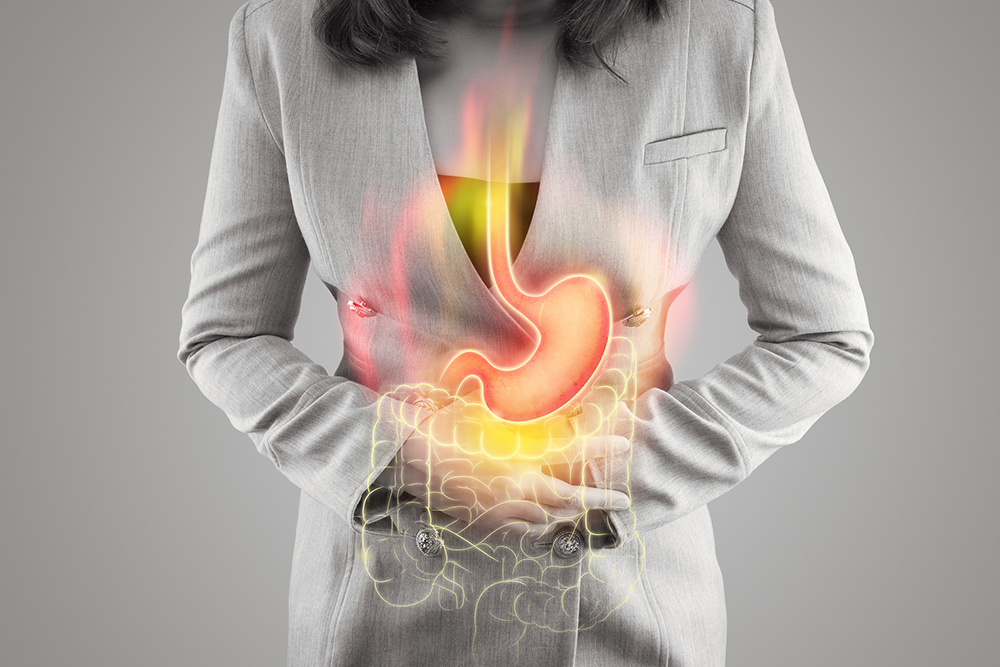
  • Ulcers in the stomach (Peptic ulcers) – Often caused by excess heat, acidity, irregular meals, stress, or spicy foods
  • Ulcers in the mouth and tongue – Linked to digestive toxins, Pitta aggravation, and vitamin deficiencies
  • Ulcers in the throat – Caused by chronic acidity, dryness, and inflammation
  • Pitta-type ulcers – Characterized by burning pain, redness, sour belching, and irritability

Ayurvedic treatment for peptic ulcer aims to cool, nourish, and heal the stomach lining naturally.

Why Ayurveda Is Effective for Ulcer Treatment

Unlike quick-fix medicines that only reduce acid, Ayurveda treatment for ulcers works on multiple levels:

  • Heals the ulcer tissue naturally
  • Balances Pitta dosha
  • Strengthens digestion without irritation
  • Prevents recurrence
  • Improves overall gut health

This makes Ayurveda suitable for adults, elderly patients, and even children when properly guided by a qualified doctor.

Ayurvedic Causes of Stomach Ulcers

CauseAyurvedic Explanation
Excess acidityAggravated Pitta
Irregular mealsWeak digestive fire
Stress and anxietyVata-Pitta imbalance
Spicy, oily foodHeat accumulation
Long-term painkillersTissue damage (Dhatu kshaya)

Understanding the cause helps design a personalized ulcer treatment in Ayurveda Kerala tradition, followed at Ayurhealing.

Ayurvedic Treatment for Peptic Ulcer

1. Herbal Medicines for Ulcers

Ayurvedic medicine for ulcers in the stomach focuses on cooling, healing, and strengthening digestion.

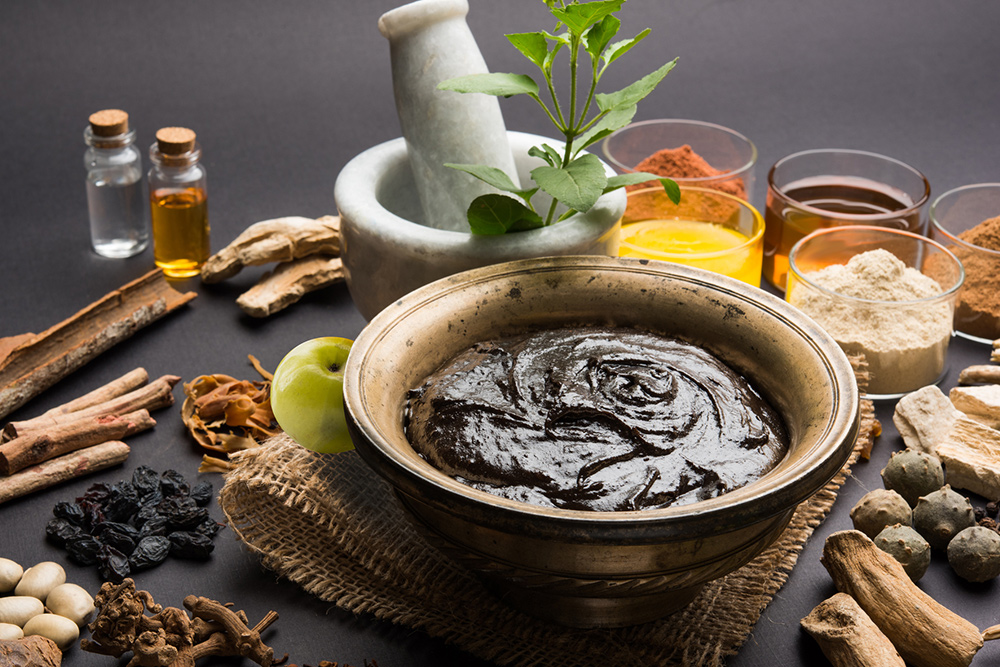
Commonly used herbs include:

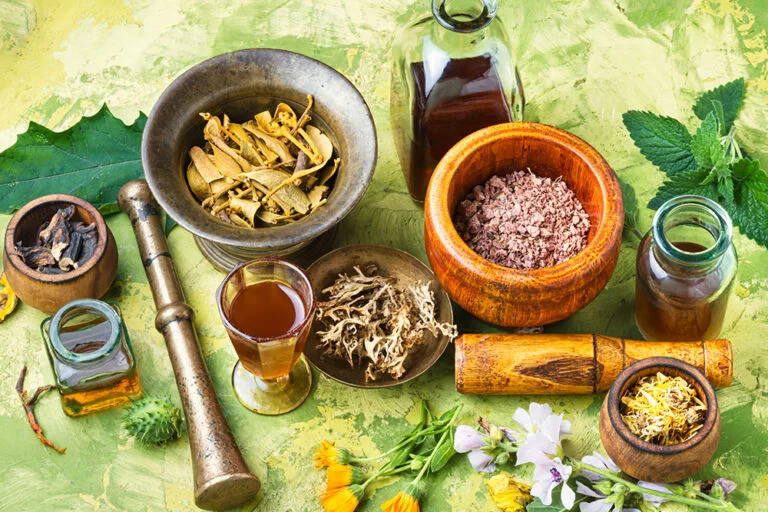
  • Yashtimadhu (Licorice) – Heals ulcer wounds and reduces acidity
  • Amalaki – Powerful cooling agent and antioxidant
  • Shatavari – Soothes the stomach lining
  • Guduchi – Reduces inflammation and boosts immunity
  • Neem – Purifies and balances Pitta

These are prescribed after a detailed diagnosis by the best Ayurvedic doctor in Bangalore at Ayurhealing.

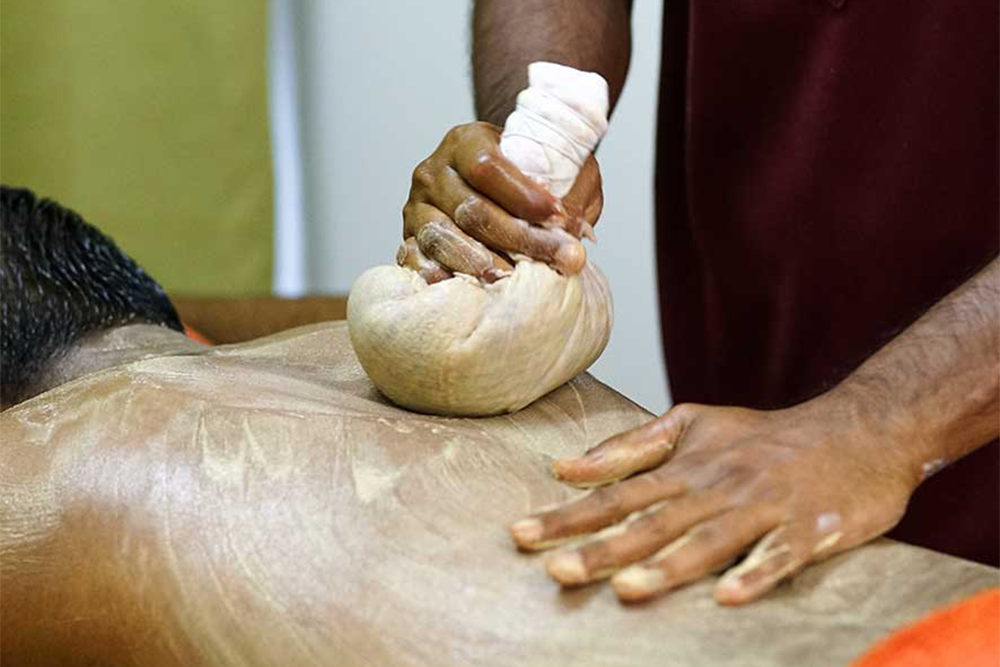
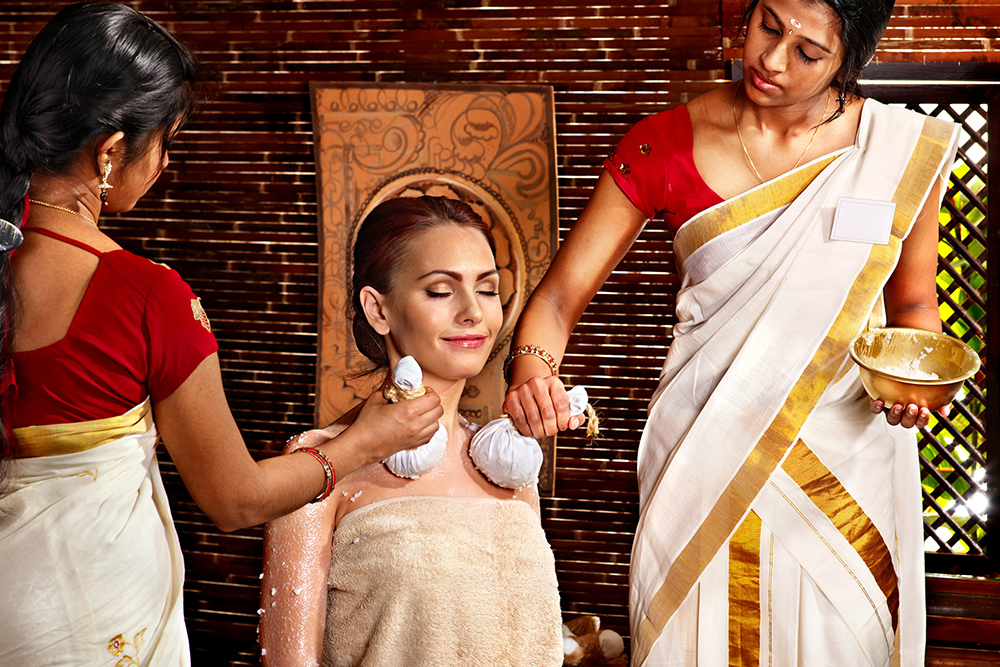
2. Panchakarma Therapy for Ulcers

Panchakarma treatment plays a vital role in chronic or recurrent ulcers.

Effective Panchakarma therapies include:

  • Takra Dhara – Soothes the digestive and nervous systems

This approach is commonly used in Kerala Ayurvedic treatment in Bangalore centers like Ayurhealing.

Ayurvedic Healing Foods for Peptic Ulcers

Diet is medicine in Ayurveda.

Recommended Foods

  • Rice gruel (kanji)
  • Boiled vegetables
  • Coconut water
  • Cow’s ghee (in moderation)
  • Ripe bananas
  • Pomegranate juice

Foods to Avoid

  • Spicy and fried food
  • Coffee and alcohol
  • Sour and fermented items
  • Packaged foods
  • Late-night meals

Is ghee good for a stomach ulcer patient?

Yes, pure cow ghee is excellent when taken in small quantities. It cools Pitta and promotes healing of ulcerated tissues.

Ayurvedic Treatment for Mouth, Tongue, and Throat Ulcers

Ulcers in the Mouth and Tongue

These are often linked to digestive heat and toxin buildup.

Ayurvedic remedies include:

  • Triphala mouth rinse
  • Licorice powder with honey
  • Cooling herbal pastes
  • Internal Pitta-balancing medicines

Ulcers in the Throat

  • Herbal gargles
  • Medicated ghee intake
  • Digestive correction therapies

Ayurvedic treatment for an ulcer in the mouth focuses on internal healing rather than topical pain relief alone.

Natural Ulcer Remedies for the Stomach

Ayurveda emphasizes natural healing without side effects.

Effective home-based remedies (under guidance):

  • Rice water in the morning
  • Aloe vera juice
  • Coriander seed water
  • Buttermilk with cumin

These support the main Ayurvedic medicine for stomach ulcers.

Ayurvedic Treatment for Acidity and Ulcer Together

Most ulcer patients also suffer from acidity.

Combined Ayurvedic treatment helps by:

  • Neutralizing excess acid
  • Repairing the stomach lining
  • Strengthening digestion
  • Preventing relapse

This integrated approach is practiced at Ayurvedic wellness centres in Bangalore, including Ayurhealing.

Ulcer Treatment in Children – Ayurveda Perspective

How to treat stomach ulcers in kids

Ayurveda uses mild herbs, diet correction, and lifestyle guidance.

  • Safe herbal syrups
  • Cooling diets
  • Stress reduction
  • Gentle digestive tonics

Treatment is always customized and supervised by experienced doctors.

What Is the Fastest Way to Cure a Stomach Ulcer in Ayurveda?

There is no overnight cure, but Ayurveda accelerates healing naturally through:

  • Correct diagnosis
  • Pitta-pacifying medicines
  • Panchakarma when needed
  • Strict dietary discipline

Patients often see significant relief within 2–4 weeks, with long-term healing.

Why Choose Ayurhealing for Ulcer Treatment?

At Ayurhealing, ulcer care is not generalized.

What makes us different:

  • Authentic Ayurvedic diagnosis
  • Kerala-style Panchakarma
  • Personalized treatment plans
  • Expert doctors
  • Integration of Ayurveda and Siddha principles
  • Trusted by patients seeking the best Ayurvedic clinic in Bangalore

We also collaborate with experienced Siddha Hospital in Bangalore practices for complex digestive conditions.

Final Thoughts

Ayurveda treatment for ulcers offers a safe, time-tested, and holistic solution for stomach, mouth, tongue, and throat ulcers. By addressing digestion, diet, mental stress, and dosha balance, Ayurveda heals from within. At Ayurhealing, we combine classical wisdom with compassionate care to help patients regain digestive health naturally-without dependency on harsh medications.

FAQs

Herbs like licorice, amla, and shatavari, combined with dietary changes, are highly effective.

Medicines depend on body constitution and ulcer severity; self-medication is not advised.

Yes, when root causes are addressed, and lifestyle is corrected.

For chronic or recurrent ulcers, Panchakarma offers deep detox and faster recovery.

Absolutely. When guided by experts, Ayurveda is gentle and sustainable.

Natural Ayurvedic Treatment: A Holistic Path to Long-Term Healing with Ayurhealing

In today’s fast-paced world, chronic stress, irregular lifestyle habits, processed food consumption, and lack of preventive care have led many individuals to seek safer and more sustainable healthcare solutions. This growing awareness has brought renewed attention to natural Ayurvedic treatment, a time-tested medical system that focuses on restoring balance rather than suppressing symptoms. At Ayurhealing, natural Ayurvedic treatment is practiced as a structured medical science, integrating classical Ayurveda, evidence-based therapies, and individualized care plans. Patients searching for Ayurvedic treatment in Bangalore, natural Ayurvedic treatment centres, Ayurveda Doctor Bangalore, Ayurvedic Panchakarma treatment near me, and Best Ayurvedic clinic in Bangalore are increasingly choosing Ayurveda for its holistic and long-term benefits.

Within the first phase of treatment, Ayurveda addresses the root causes of disease through natural Ayurvedic medicine, lifestyle correction, diet regulation, and therapeutic procedures such as Panchakarma. Whether one is seeking support for metabolic disorders, neurological conditions, musculoskeletal pain, skin diseases, or stress-related illnesses, natural Ayurvedic therapy provides a comprehensive and individualized path to healing.

What Is Ayurveda? Understanding the Foundation of Natural Healing

A commonly asked question is “What is Ayurveda?” Ayurveda is an ancient system of medicine that originated in India over 5,000 years ago. The term Ayurveda is derived from two Sanskrit words: Ayur (life) and Veda (knowledge), meaning “the science of life.” It emphasizes harmony between the body, mind, and environment.

Ayurveda explains health and disease through the balance of three functional principles known as doshas-Vata, Pitta, and Kapha. Any imbalance in these doshas leads to dysfunction, which manifests as disease. Natural Ayurvedic treatment focuses on identifying this imbalance and correcting it through natural interventions rather than chemical suppression.

At Ayurhealing, every treatment begins with a detailed Ayurvedic assessment conducted by experienced Ayurveda doctors in Bangalore, ensuring accuracy and safety in diagnosis and therapy.

Why Natural Ayurvedic Treatment Is Gaining Global Trust

Unlike conventional medicine, which often prioritizes symptom control, Ayurveda works at the physiological, metabolic, and neurological levels. Natural Ayurvedic treatment is gaining popularity because it offers:

  • Root-cause-based healing rather than temporary relief
  • Personalized treatment plans
  • Minimal side effects
  • Preventive and promotive healthcare
  • Long-term disease management

Patients looking for Ayurvedic treatment near me or the Best Ayurvedic treatment in Bangalore often do so after experiencing limited results from conventional approaches. Ayurveda provides a structured alternative that strengthens the body’s innate healing capacity.

Natural Ayurvedic Medicine and Therapy: How Treatment Works

Natural Ayurvedic medicine is derived from herbs, minerals, oils, and natural formulations prepared according to classical texts. These medicines are prescribed only after evaluating the patient’s constitution, disease stage, digestive strength, and lifestyle.

In addition to internal medicine, natural Ayurvedic therapy includes external treatments that enhance circulation, detoxification, and tissue rejuvenation. These therapies are not spa procedures but medically guided interventions performed under clinical supervision.

Ayurhealing integrates both internal and external therapies to ensure complete healing, making it a trusted Ayurvedic wellness centre in Bangalore and a recognized Holistic health centre in Bangalore.

Role of Panchakarma in Natural Ayurvedic Treatment

A major pillar of natural Ayurvedic treatment is Panchakarma, a group of detoxification and rejuvenation therapies designed to eliminate deep-seated toxins and restore dosha balance. Patients often search for Ayurvedic Panchakarma treatment near me or the Best Panchakarma Treatment in Bangalore when dealing with chronic or recurring health issues.

Panchakarma therapy improves digestion, metabolism, immunity, hormonal balance, and nervous system function. When performed correctly, it enhances the effectiveness of Ayurvedic medicines and prevents disease recurrence.

At Ayurhealing, Panchakarma protocols are customized and medically supervised, following authentic Kerala traditions, which is why many patients associate it with Kerala Ayurvedic Treatment in Bangalore.

Conditions Effectively Managed with Natural Ayurvedic Treatment

Natural Ayurvedic treatment is not limited to one system of the body. It addresses multiple chronic and lifestyle-related conditions through integrated care.

Metabolic and Lifestyle Disorders

Ayurveda provides effective support for Ayurveda treatment for diabetes, metabolic imbalance, obesity, and digestive disorders by correcting insulin resistance, improving metabolism, and regulating diet and lifestyle.

Neurological and Circulatory Conditions

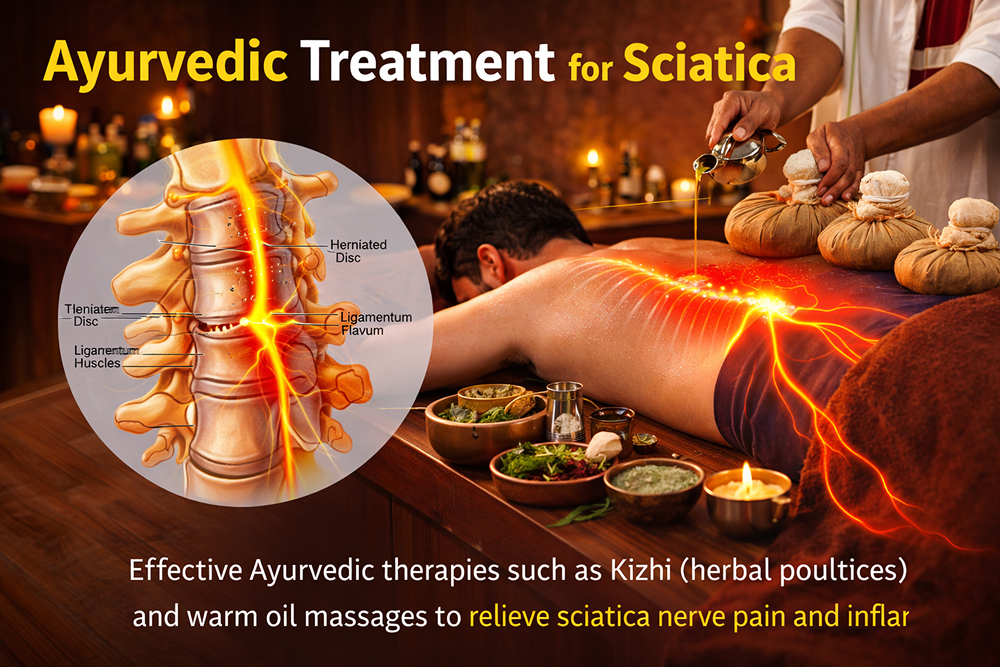
Conditions such as Sciatica Ayurvedic treatment, Ayurvedic treatment for stroke rehabilitation, and nerve-related pain are managed through dosha balancing, Panchakarma, and nerve-strengthening therapies.

Musculoskeletal Disorders

Natural Ayurvedic treatment is highly effective for Ayurvedic treatment for knee pain, Ayurvedic treatment for back pain, and degenerative joint conditions by addressing Vata imbalance and tissue degeneration.

Skin and Hair Disorders

Patients frequently seek Ayurveda for Ayurvedic treatment for eczema, Ayurvedic treatment for acne due to hormonal imbalance, and Ayurvedic hair treatment. Ayurveda treats these conditions by detoxifying the blood, correcting digestion, and balancing hormones.

Ayurvedic treatment for hair loss and regrowth focuses on scalp nourishment, stress reduction, and metabolic correction, providing sustainable results without chemical exposure.

Sleep and Mental Health

For those struggling with sleep disturbances, Ayurvedic medicine for natural sleep works by calming the nervous system and correcting circadian rhythm imbalances.

Specialized Ayurvedic Therapies at Ayurhealing

Ayurhealing offers a range of classical therapies as part of its natural Ayurvedic treatment approach.

Key therapies include:

  • Abhyanga (therapeutic oil massage) for circulation and stress relief
  • Ayurveda treatment for Abhyanga as part of preventive care
  • Ayurvedic treatment for Shirodhara in anxiety, insomnia, and stress disorders
  • Full body Ayurvedic treatment for detoxification and rejuvenation

Each therapy is selected based on clinical indication, ensuring safety and effectiveness.

Ayurvedic Medicine List and Uses: A Personalized Approach

Patients often search for an Ayurvedic medicine list and uses, but Ayurveda does not follow a one-medicine-fits-all approach. Medicines are prescribed based on individual diagnosis, dosha imbalance, age, digestive strength, and disease chronicity.

This personalized prescribing is why consulting the best Ayurvedic doctor in Bangalore is essential rather than self-medication.

Why Ayurhealing Is a Trusted Centre for Natural Ayurvedic Treatment

Ayurhealing stands out among natural Ayurvedic treatment centres due to its medical integrity, ethical practice, and patient-centric approach.

It is recognized for:

  • Experienced Ayurveda doctors in Bangalore
  • Authentic therapies following classical texts
  • Structured Panchakarma programs
  • Integrated approach to chronic disease management
  • Safe and evidence-based treatment protocols

This makes Ayurhealing a preferred choice for those seeking the Best Ayurvedic Medicine in Bangalore and comprehensive natural care.

Conclusion

Natural Ayurvedic treatment is not merely an alternative form of medicine but a comprehensive healthcare system that emphasizes balance, prevention, and long-term healing. Through personalized diagnosis, natural medicines, Panchakarma therapies, and lifestyle correction, Ayurveda addresses the root causes of disease rather than masking symptoms. At Ayurhealing, this classical wisdom is practiced with medical precision and ethical care, making it one of the most trusted centres for Ayurvedic treatment in Bangalore.

FAQs

Yes. When prescribed by qualified Ayurvedic doctors, natural Ayurvedic treatment is safe and suitable for long-term health management.

Ayurveda is particularly effective for chronic, lifestyle-related, and degenerative conditions when followed consistently.

The duration varies depending on disease severity, chronicity, and patient compliance, but it focuses on sustainable improvement.

Not always. Panchakarma is recommended based on clinical evaluation and disease condition.

Mahatiktaka Ghrita: The Ayurvedic Ghee for Detox, Skin Health, and Inner Healing

Ayurveda has always emphasized holistic healing by addressing the root causes of diseases rather than just symptoms. Among its powerful formulations, Mahatiktaka Ghrita stands out as one of the most revered Ayurvedic medicated ghees, known for its deep detoxification and healing effects. This Ayurvedic ghee is especially recommended for chronic skin diseases, psoriasis, eczema, liver purification, and Panchakarma therapies.

If you are seeking authentic treatment, you can also consult a trusted Siddha Hospital in Bangalore that integrates Ayurveda and Siddha medicine for comprehensive care.

What is Mahatiktaka Ghrita and Its Ayurvedic Benefits?

Mahatiktaka Ghrita is a classical Ayurvedic medicated ghee made by infusing ghee with bitter-tasting herbs (Tikta dravyas). In Sanskrit, “Maha” means great, and “Tikta” means bitter, highlighting its potent detoxifying and cooling qualities.

Key Ayurvedic benefits of Mahatiktaka Ghrita include:

  • Blood purification and detoxification
  • Relief from chronic skin diseases like eczema, psoriasis, and dermatitis
  • Liver health and digestion support
  • Cooling effect on Pitta dosha
  • Deep nourishment during Panchakarma therapy
  • Promotes tissue rejuvenation (Rasayana effect)

Ingredients of Mahatiktaka Ghrita and Their Healing Properties

The power of Mahatiktaka Ghrita lies in its carefully selected herbs and ghrita Ayurveda principles. Some of the key ingredients include:

IngredientAyurvedic Healing Property
Neem (Nimba)Purifies blood, relieves skin diseases
Guduchi (Tinospora cordifolia)Boosts immunity, balances Pitta & Vata
Patola (Trichosanthes dioica)Supports liver and digestion
Haridra (Turmeric)Anti-inflammatory, antioxidant
Manjistha (Rubia cordifolia)Improves skin complexion, acts as a blood purifier
Amalaki (Indian gooseberry)Rich in Vitamin C, the Rasayana effect
Medicated Cow’s GheeActs as a carrier, nourishes tissues deeply

This synergy of herbs makes Mahatiktaka Ghrita the best Ayurvedic ghee for detoxification and long-term healing.

Benefits of Mahatiktaka Ghrita

1. Mahatiktaka Ghrita for Skin Diseases

  • Clears chronic skin conditions such as eczema, psoriasis, acne, and dermatitis.
  • Reduces itching, burning, and redness caused by aggravated Pitta.
  • Promotes healthy and glowing skin naturally.

2. Mahatiktaka Ghrita for Psoriasis and Eczema

  • Acts as the best Ayurvedic ghee medicine for eczema and dermatitis.
  • Helps reduce scaly patches, dryness, and skin inflammation.
  • Works as an internal moisturizer by nourishing tissues at the cellular level.

3. Mahatiktaka Ghrita for Liver and Blood Purification

  • Supports liver detoxification and reduces toxic build-up in the blood.
  • Useful in conditions like jaundice, fatty liver, and skin eruptions caused by blood impurities.
  • Acts as a natural blood purifier, promoting Ayurveda detox.

4. Role in Panchakarma and Rasayana Therapy

  • Used before Vamana (therapeutic vomiting) and Virechana (purgation therapy).
  • Works as a Rasayana, rejuvenating tissues and restoring vitality.

Uses of Mahatiktaka Ghrita in Ayurveda

  • As an internal medicine, taken with warm water or milk as per the Ayurvedic doctor’s guidance.
  • As part of the Panchakarma detox, it prepares the body for deeper cleansing therapies.
  • As an external application: Sometimes applied to skin lesions for faster relief.
  • As a Rasayana supplement: Supports long-term wellness and immunity.

Mahatiktaka Ghrita Dosage and Administration

The dosage of Mahatiktaka Ghrita depends on the patient’s condition, age, and digestive strength.

General dosage guidelines:

  • 5–10 ml once or twice daily, usually with warm water or milk.
  • Best taken on an empty stomach in the morning.
  • Should be continued for 4–12 weeks, depending on the condition.

Note: Always consult an Ayurvedic doctor or a Siddha Hospital in Bangalore before starting.

Mahatiktaka Ghrita Side Effects and Precautions

While Mahatiktaka Ghrita is generally safe, excessive or improper use may cause:

  • Loose stools or indigestion in individuals with weak digestion.
  • Heaviness if taken in large quantities.
  • Not recommended during fever, diarrhea, or active infections.

Pregnant women, lactating mothers, and children should use only under medical guidance.

Why Choose Siddha Hospital in Bangalore for Ayurvedic Treatments?

If you are looking for holistic care with Ayurveda and Siddha, a Siddha Hospital in Bangalore can provide:

  • Expert Ayurvedic doctors specialized in Ghrita Ayurveda.
  • Authentic Panchakarma therapies.
  • Customized treatment plans for skin diseases, liver issues, and chronic health problems.

Final Thoughts

Mahatiktaka Ghrita is more than just a medicated ghee-it is a natural detoxifier, skin healer, and Rasayana therapy tool. From cleansing the blood to soothing chronic skin conditions, this Ayurvedic ghee plays a vital role in restoring balance and vitality. If you are struggling with skin diseases, psoriasis, or detoxification needs, consulting a trusted Siddha hospital can help you experience the full benefits of this age-old Ayurvedic medicine.

FAQs

It is mainly used for chronic skin diseases, psoriasis, eczema, liver detoxification, and blood purification.

Yes, it is widely used in Panchakarma as part of Snehapana and Rasayana therapy.

When taken in excess, it may cause indigestion, loose stools, or heaviness. Always take under medical supervision.

It can be prescribed for children, but only under an Ayurvedic doctor’s advice.

You can consult an authentic Siddha Hospital in Bangalore that specializes in Ayurveda and Panchakarma treatments.

Ayurvedic Medicine: Natural Healing with Siddha, Herbs, and Remedies

Ayurvedic medicine, one of the world’s oldest holistic healing systems, has been practiced in India for more than 5,000 years. Rooted in natural remedies in Ayurveda, herbal medicine, and traditional Indian medicine, it offers an integrative path to wellness that goes beyond symptoms. Today, people across the globe turn to Ayurveda for natural healing, effective management of chronic diseases, and rejuvenation therapies. From Siddha hospitals in Bangalore to modern wellness centers worldwide, the wisdom of Ayurveda continues to guide those seeking a balance between body, mind, and spirit.

In this blog, we will explore the importance of Ayurvedic medicine, its connection to Siddha hospital practices, the role of herbal remedies, therapies such as Panchakarma, and the ancient roots preserved in classical Ayurvedic texts, including the Charaka Samhita and Sushruta Samhita.

What is Ayurvedic Medicine?

Ayurveda means “the science of life.” It is a holistic medicine system that emphasizes the balance of doshas-Vata, Pitta, and Kapha. According to classical texts, an imbalance in these energies leads to disease, while balance ensures health and vitality.

Key aspects of Ayurvedic medicine include:

  • Herbal medicine in Ayurveda – using herbs like Ashwagandha, Neem, and Turmeric.
  • Natural remedies in Ayurveda – treating the root cause rather than masking symptoms.
  • Ayurvedic lifestyle medicine – incorporating diet, sleep, and exercise.
  • Panchakarma and Ayurvedic therapies – detoxifying the body and mind.
  • Rasayana (rejuvenation therapy) – slowing aging and promoting vitality.

Siddha Hospital and Ayurveda: Ancient Wisdom in Modern Care

The Siddha system, practiced alongside Ayurveda in South India, especially in Siddha hospitals in Bangalore, complements Ayurvedic healing. While Ayurveda emphasizes the balance of doshas, Siddha places a greater focus on the elements and energies within the body.

At a Siddha hospital, patients receive:

  • Customized herbal formulations prepared with minerals and medicinal plants.
  • Ayurvedic treatments for chronic diseases such as diabetes, arthritis, and kidney disorders.
  • Detox therapies and holistic care for long-term health.

These hospitals bridge traditional Indian medicine with modern facilities, making Ayurveda and Siddha accessible to urban lifestyles.

Herbal Medicine in Ayurveda: Nature’s Pharmacy

One of the strongest pillars of Ayurvedic medicine is herbal healing. From kitchen herbs to rare Himalayan plants, Ayurveda classifies thousands of herbs with specific healing properties.

Some powerful Ayurvedic herbs and formulations include:

  • Neem – natural detoxifier and skin purifier.
  • Turmeric (Curcumin) – anti-inflammatory and immune booster.
  • Triphala – a powerful digestive tonic.
  • Brahmi – enhances memory and brain function.

Ayurvedic Herbs and Their Benefits

HerbPrimary UseAdditional Benefits
AshwagandhaStress relief, vitalityImproves sleep, balances Vata
NeemSkin care, blood purificationControls infections, detoxifies
TurmericAnti-inflammatory, immunitySupports digestion, liver health
TriphalaDigestive health, detoxEnhances metabolism, eye health
BrahmiCognitive function, memoryReduces anxiety, supports learning

Ayurvedic products and supplements made from these herbs are now widely available, offering safe and effective alternatives to synthetic medicines.

Panchakarma and Ayurvedic Therapies: Cleansing from Within

Panchakarma, one of the most well-known Ayurvedic treatments, is a series of therapies designed to cleanse toxins (Ama) and restore dosha balance. It includes:

  • Vamana – therapeutic vomiting for Kapha imbalance.
  • Virechana – purgation for Pitta disorders.
  • Basti – medicated enema for Vata.
  • Nasya – nasal oil therapy.
  • Raktamokshana – blood purification.

Benefits of Panchakarma:

  • Deep detoxification.
  • Strengthened immune system.
  • Relief from chronic conditions like arthritis, skin diseases, and asthma.
  • Mental clarity and stress reduction.

Many Siddha hospitals and Ayurveda wellness centers combine Panchakarma with modern diagnostic methods to provide tailored care.

Classical Ayurvedic Texts: The Roots of Natural Healing

Ayurvedic wisdom is preserved in Charaka Samhita, Sushruta Samhita, and Ashtanga Hridaya. These classical Ayurvedic texts explain:

  • Causes of diseases.
  • Herbal formulations.
  • Diet and lifestyle principles.
  • Surgical practices (notably in Sushruta).

Modern Ayurvedic practitioners still follow these texts to design therapies, proving the timeless value of traditional Indian medicine.

Rasayana: The Art of Rejuvenation

One of the unique aspects of Ayurveda is the Rasayana therapy branch of medicine focused on longevity, vitality, and rejuvenation.

Key Rasayana herbs and practices:

  • Chyawanprash – a blend of herbs for immunity and vitality.
  • Shilajit – enhances energy and strength.
  • Amalaki (Amla) – antioxidant and vitamin C-rich tonic.

Rasayana is often combined with Ayurvedic lifestyle medicine-yoga, meditation, and mindful eating, to promote complete wellness.

Why Choose Ayurvedic Medicine Today?

In a world dominated by chemical drugs, Ayurvedic remedies offer a safe, natural alternative. Ayurvedic treatments for chronic diseases provide long-term relief without side effects. Holistic medicine ensures that both body and mind heal together.

Benefits of Ayurveda:

  • Treats root causes, not just symptoms.
  • Uses herbs and natural formulations.
  • Personalized treatments based on body type.
  • Focus on prevention and lifestyle balance.
  • Works alongside modern medicine when needed.

Conclusion

Ayurvedic medicine is not just treatment; it is a way of life. From herbal medicine in Ayurveda to advanced therapies like Panchakarma and rejuvenating practices like Rasayana, this ancient science continues to transform lives. Whether you visit a Siddha hospital in Bangalore or follow Ayurveda at home, you are embracing a tradition of natural healing, holistic medicine, and timeless wisdom.

FAQs

Can Ayurveda cure chronic diseases?

Yes, Ayurvedic treatments for chronic diseases like diabetes, arthritis, and kidney issues have shown positive results. They focus on long-term healing rather than quick fixes.

What is the role of a Siddha hospital in Ayurveda?

A Siddha hospital in Bangalore or elsewhere offers therapies rooted in Siddha medicine, often combined with Ayurvedic principles for holistic care.

Are Ayurvedic products safe?

Yes, when prepared traditionally and consumed as directed, Ayurvedic products and supplements are safe and effective.

What makes Ayurveda different from modern medicine?

Unlike modern drugs that target symptoms, Ayurvedic medicine treats the root cause while improving lifestyle, immunity, and mental balance.

Can Ayurveda be practiced daily at home?

Absolutely. Ayurvedic lifestyle medicine encourages daily routines like yoga, meditation, balanced meals, and herbal teas for sustained wellness.

Mahatiktaka Ghrita: Uses, Benefits, Dosage, Side Effects, and Ingredients

Mahatiktaka Ghrita is one of the most trusted Ayurvedic medicines, widely known for its effectiveness in treating chronic diseases and skin disorders. Prepared using a rich blend of herbal ingredients infused in ghee, it holds a significant place in Ayurvedic treatments. This powerful formulation is used not only as a therapeutic remedy but also as a preparatory agent in Panchakarma therapies.

In this detailed guide, we’ll dive deep into the ingredients, benefits, uses, and necessary precautions for this unique herbal medicine. Whether you’re considering using it or simply want to learn more, this article will provide all the insights you need.

What Is Mahatiktaka Ghrita?

Mahatiktaka Ghrita is a medicinal ghee that combines the therapeutic benefits of Ayurveda’s most potent herbs. Derived from the Sanskrit word “Mahatiktaka”, which means “extremely bitter,” this formulation balances the Vata and Pitta doshas, making it a go-to remedy for conditions involving inflammation, heat, and chronic diseases.

The process of creating Mahatiktaka Ghrita ensures that both fat-soluble and water-soluble active components of the herbs are captured, enhancing its potency.

Key Ingredients of Mahatiktaka Ghrita

The power of this Ghrita lies in its unique blend of herbal ingredients. Each herb contributes specific medicinal properties, making this ghee a holistic remedy.

Core Ingredients and Their Benefits

  • Neem (Azadirachta indica): Renowned for its antibacterial and antifungal properties, it effectively treats skin conditions.
  • Triphala: A detoxifying trio of Haritaki, Bibhitaki, and Amalaki that aids in digestion and immunity.
  • Turmeric (Curcuma longa): Known for its anti-inflammatory properties, turmeric supports overall health and healing.
  • Guduchi (Tinospora cordifolia): A powerful immunomodulator that helps in detoxification and enhances vitality.
  • Sandalwood (Santalum album): Soothes the skin and reduces inflammation.
  • Long Pepper (Piper longum): Improves digestion and respiratory health.
  • Vetiver (Vetiveria zizanioides): A cooling agent that calms Pitta-related imbalances.

This extensive ingredient list also includes Shatavari, Licorice, Kiratatikta, and other therapeutic herbs, which together form a powerhouse of healing.

Mahatiktaka Ghrita Uses

It’s versatility is unmatched, as it addresses a wide range of health concerns. Whether used internally or externally, this herbal ghee serves as a reliable remedy for chronic ailments and acute conditions.

Mahatiktaka Ghrita Internal Uses

  • Skin Disorders: Treats eczema, psoriasis, and other stubborn skin diseases by addressing the root cause.
  • Bleeding Disorders: Effective in managing conditions like bleeding piles and menorrhagia.
  • Digestive Health: Helps alleviate gastritis, peptic ulcers, and other digestive issues.
  • Chronic Diseases: Provides relief in autoimmune diseases by reducing inflammation and enhancing immunity.
  • Mental Health: Its calming properties make it beneficial for managing stress and mild psychological disorders like schizophrenia.

Mahatiktaka Ghrita External Uses

  • Non-Healing Wounds: Promotes faster healing when applied externally.
  • Skin Rashes and Allergies: Soothes itching and reduces inflammation.

Benefits of Mahatiktaka Ghrita

The therapeutic properties of it stem from its carefully selected ingredients, making it a multifaceted remedy. Here’s a closer look at its benefits:

Skin Health

This Ghrita excels in treating chronic and acute skin conditions. Its combination of anti-inflammatory and detoxifying herbs effectively manages conditions like psoriasis, eczema, and allergic rashes.

Anti-Inflammatory Properties

The ghee is rich in herbs like turmeric and Guduchi, which possess strong anti-inflammatory properties, making it an excellent remedy for gout and arthritis.

Digestive and Immune Support

Triphala and Long Pepper enhance digestive health and strengthen the immune system, making the body more resilient against infections.

Hormonal Balance

By regulating the Pitta dosha, it helps in managing hormonal imbalances, especially in women with menstrual irregularities.

Mental and Emotional Well-Being

Its calming and grounding properties support emotional balance, making it effective in managing stress-related issues.

Mahatiktaka Ghrita Dosage Guidelines

Proper dosage is crucial for the effectiveness of Mahatiktaka Ghrita. The dosage varies depending on the condition being treated and the individual’s body constitution.

General Dosage

  • As Medicine: ¼ to ½ teaspoon with warm water, once or twice daily before meals.
  • For Panchakarma Preparation: Dosage varies and must be prescribed by an Ayurvedic doctor.

Timing and Combination

  • Maintain a gap of 20–30 minutes between this medicine and meals.
  • When combining with allopathic medicines, take this Ghrita 15–30 minutes after the modern medicine.

Precautions and Considerations

While Mahatiktaka Ghrita is safe when used under guidance, it is essential to observe certain precautions to avoid potential risks.

Who Should Avoid or Exercise Caution?

  • Pregnant and Lactating Women: Always consult an Ayurvedic doctor before use.
  • Individuals with Diabetes or High Cholesterol: Monitor usage due to the ghee content.
  • Children and Elderly: Should use only under medical supervision.

Dietary Recommendations (Pathya)

  • Recommended Foods: Broken rice, boiled vegetables, ginger, and bitter gourd.
  • Foods to Avoid: Tamarind, excessive salt, and spicy food.

Mahatiktaka Ghrita Side Effects

Although it is generally safe, improper use or overdose can lead to side effects.

Common Side Effects

  • Mild diarrhea or indigestion in high doses.
  • Possible cholesterol elevation in individuals with pre-existing lipid issues.

Safe Use Practices

Always use Mahatiktaka Ghrita under the supervision of an Ayurvedic practitioner to prevent misuse.

Mahatiktaka Ghrita in Panchakarma Therapy

This Ghrita is a vital component in Panchakarma therapy, particularly in Snehakarma (oleation therapy) and Basti (medicated enema).

Therapeutic Role in Panchakarma

  • Snehakarma: Prepares the body for detoxification by loosening toxins.
  • Basti: Administered as an enema to treat chronic skin disorders and inflammatory conditions.

Additional Applications

Mahatiktaka Ghrita also plays a role in managing non-skin-related conditions.

Specific Uses

  • Anemia and Jaundice: Helps detoxify the liver and improve hemoglobin levels.
  • Herpes and Blisters: Reduces pain and speeds up healing.
  • Heart and Liver Health: Supports cardiovascular and hepatic functions.

Important Disclaimer

Mahatiktaka Ghrita is a classical Ayurvedic formulation, and it should only be used as per the guidance and prescription of a qualified Ayurvedic doctor. Always consume this medicine under professional supervision to ensure it is suitable for your individual health condition.

Conclusion

Mahatiktaka Ghrita is a remarkable Ayurvedic remedy that brings together the healing powers of herbs in ghee to treat a variety of health conditions. Whether used for chronic skin diseases, digestive health, or immune support, it offers holistic benefits. However, it is essential to consult with an Ayurvedic practitioner before starting this treatment to ensure it’s the right fit for your health needs.

FAQs

What is Mahatiktaka Ghritham primarily used for?

It treats skin disorders, digestive issues, bleeding conditions, and autoimmune diseases while also being useful in Panchakarma therapies like Snehakarma and Basti treatments.

Is it safe to use during pregnancy?

Pregnant or lactating women should consult an Ayurvedic practitioner before using it to ensure safety and appropriateness for their specific health condition.

Can Mahatiktaka Ghritham be taken with modern medicines?

Yes, it can be taken with modern medicines. Maintain a 15–30-minute gap to avoid interactions, or follow your physician’s advice for proper timing.

Are there any specific dietary restrictions while consuming Mahatiktaka Ghrita?

Avoid spicy, salty, and tamarind-based foods while consuming this Ghrita. Stick to a diet of boiled vegetables, ghee, bitter gourd, and broken rice for best results.

Is Mahatiktaka Ghrita suitable for long-term use?

Under proper Ayurvedic supervision, it is safe for long-term use, offering sustained benefits for chronic conditions and overall health maintenance.