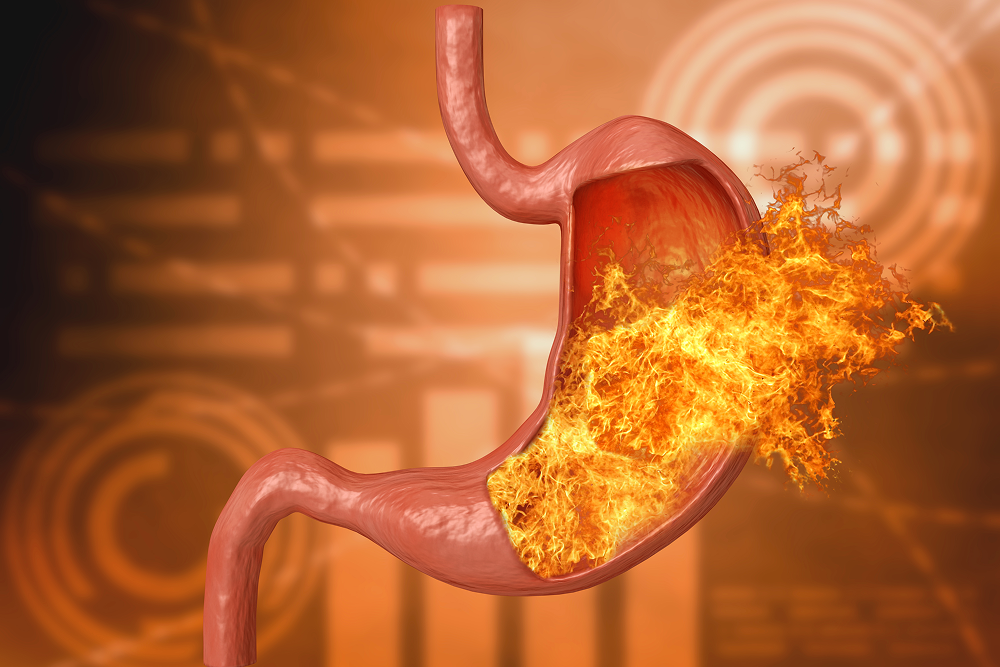
Acidity Treatment with Ayurveda: Natural Remedies, Diet & Wellness Tips

Acidity is a common digestive concern that can cause burning discomfort, sour taste, bloating, belching, and indigestion. Ayurvedic treatment for acidity focuses on understanding digestive imbalance, food habits, daily routines, and individual symptoms rather than treating everyone in the same way. In Ayurveda, acidity-related complaints are traditionally discussed under concepts such as Amlapitta, which is associated with an aggravated Pitta dosha and impaired digestion. Modern medicine, meanwhile, may describe recurring symptoms as acid reflux, heartburn, gastritis, or GERD depending on the underlying cause. This article explains how Ayurveda approaches acidity, dietary habits that may support digestive comfort, and when professional evaluation is important.

What Is Acidity?

Acidity is commonly used to describe symptoms associated with excess stomach discomfort, burning, acid reflux, or indigestion. Heartburn can occur when stomach contents move back into the esophagus, producing a burning sensation behind the breastbone. Acid reflux that occurs repeatedly and causes troublesome symptoms may be classified as gastroesophageal reflux disease, or GERD.

People may experience acidity differently. Some notice burning after meals, while others experience sour belching, bloating, nausea, heaviness, or discomfort in the upper abdomen. Persistent symptoms should not automatically be assumed to be simple acidity because similar complaints can occur with GERD, gastritis, ulcers, medication-related irritation, or other digestive conditions.

Acidity and Ayurveda: Understanding the Traditional Perspective

In Ayurveda, digestion is closely connected with Agni, the body’s digestive fire. Traditional Ayurvedic thinking considers balanced digestion important for overall well-being. Acidity-related symptoms are commonly associated with an imbalance involving Pitta, particularly when factors such as irregular eating, very spicy foods, excessive sour foods, stress, inadequate rest, or unsuitable eating patterns are present.

The Ayurvedic approach therefore looks beyond the immediate sensation of burning. An Ayurvedic practitioner may consider the person’s appetite, bowel habits, food preferences, sleep, daily routine, stress levels, and other digestive symptoms before suggesting an individualized plan.

It is important to understand that Ayurvedic concepts and modern medical diagnoses are not identical. For example, the traditional Ayurvedic concept of Amlapitta should not automatically be considered equivalent to GERD or gastritis. A person with persistent reflux or stomach symptoms may need medical assessment to determine the actual cause.

Common Causes and Triggers of Acidity

Acidity symptoms can be influenced by eating habits and lifestyle factors. Eating very large meals, lying down soon after eating, consuming foods that personally trigger reflux, and irregular meal timing may contribute to symptoms in some people. For individuals with GERD, commonly reported food and drink triggers include spicy foods, high-fat foods, coffee and other caffeine sources, chocolate, mint, alcohol, tomatoes, and citrus foods. However, triggers can vary from person to person.

Other factors can also contribute to reflux. Being overweight or obese, smoking, pregnancy, certain medicines, and conditions such as hiatal hernia can increase the likelihood of GERD or worsen symptoms.

From an Ayurvedic perspective, maintaining regular meals and avoiding habits that disturb digestion are important parts of supporting digestive balance.

Ayurvedic Treatment for Acidity

Ayurvedic treatment for acidity is generally individualized according to symptoms, digestive patterns, diet, lifestyle, and the practitioner’s assessment. Rather than recommending the same remedy for everyone, Ayurveda traditionally aims to identify factors that may be contributing to digestive imbalance.

An Ayurvedic practitioner may focus on improving meal timing, modifying foods that aggravate symptoms, supporting appropriate digestion, and establishing a consistent daily routine. Depending on the individual’s condition, an Ayurvedic practitioner may also consider traditional herbal preparations or other therapies.

Because Ayurvedic medicines can interact with medicines or may not be appropriate for everyone, they should be selected and used under qualified professional guidance. The U.S. National Center for Complementary and Integrative Health also notes that some Ayurvedic preparations have contained potentially toxic levels of heavy metals, highlighting the importance of using appropriately sourced products and professional supervision.

Ayurvedic Medicine for Acidity

People searching for Ayurvedic medicine for acidity may find many products marketed for digestive discomfort. However, the right preparation depends on the individual’s symptoms and overall health. Self-prescribing multiple herbal products simply because they are described as natural is not recommended.

A qualified Ayurvedic doctor can assess whether the symptoms are more consistent with occasional acidity, digestive discomfort, reflux, or another concern and can determine whether an Ayurvedic formulation is appropriate.

The same principle applies to searches for Ayurvedic medicine for GERD. GERD is a medical condition that can require diagnosis and ongoing management. Ayurveda may be considered as a complementary approach, but persistent or severe reflux should be medically evaluated rather than treated solely through self-medication.

Ayurvedic Treatment for Hyperacidity

Hyperacidity is commonly used to describe frequent or pronounced acidity symptoms. From an Ayurvedic perspective, dietary habits, digestion, and Pitta-related factors may be considered when developing a wellness plan.

An Ayurvedic treatment for hyperacidity may therefore involve dietary adjustments, regular meal timing, appropriate lifestyle changes, and practitioner-guided traditional medicines when suitable. The objective should be to support healthy digestion while identifying and reducing individual triggers.

If symptoms occur frequently, interfere with sleep, or continue despite lifestyle changes, professional assessment is important because recurring reflux may indicate GERD or another digestive condition.

Ayurvedic Treatment for Gastritis

Gastritis involves inflammation of the stomach lining, while gastropathy refers to damage to the stomach lining with little or no inflammation. These conditions can have several causes, including H. pylori infection, long-term use of certain pain-relieving medicines, alcohol, bile reflux, and autoimmune conditions.

Therefore, Ayurvedic treatment for gastritis should not be approached as a one-size-fits-all solution. If gastritis is suspected, identifying the underlying cause is important. Depending on the situation, doctors may use medical history, laboratory testing, endoscopy, or other investigations to determine the cause.

Ayurvedic care may be discussed as part of an individualized wellness approach, but it should not replace appropriate diagnosis or treatment for conditions such as H. pylori infection, ulcers, or gastrointestinal bleeding.

Ayurvedic Treatment for Acidity and Gas

Acidity and gas can occur together, particularly when digestive discomfort is associated with bloating, belching, or irregular bowel habits. An Ayurvedic treatment for acidity and gas may focus on eating habits, meal timing, food tolerance, hydration, and lifestyle routines.

Instead of eliminating large numbers of foods unnecessarily, it can be more useful to identify foods that consistently worsen symptoms. Eating slowly, avoiding very large meals, and maintaining a regular eating schedule may support digestive comfort.

Persistent bloating or abdominal discomfort should also be discussed with a healthcare professional because gas and acidity can occur alongside several digestive conditions.

Ayurvedic Treatment for Heartburn

Heartburn is a burning sensation that commonly occurs when stomach contents reflux into the esophagus. Recurrent heartburn can be a symptom of GERD.

An Ayurvedic treatment for heartburn may include individualized dietary and lifestyle recommendations designed to reduce digestive triggers. However, frequent heartburn should not simply be assumed to be a minor digestive issue. If symptoms are persistent or worsening, medical evaluation can help determine whether GERD or another condition is responsible.

Ayurvedic Diet for Acidity

Diet is an important part of managing digestive comfort, but there is no single acidity diet that works for every individual. Foods that trigger symptoms for one person may be tolerated by another.

A practical approach is to focus on moderate portions, regular meals, adequate hydration, and foods that are comfortable for your digestion. People with reflux may need to identify and reduce foods that consistently trigger their symptoms.

Commonly reported GERD triggers include:

  • Spicy foods and high-fat meals
  • Coffee and other caffeinated drinks
  • Chocolate and mint
  • Alcohol
  • Tomatoes and citrus foods, when they trigger symptoms

These foods do not necessarily need to be permanently eliminated by everyone. Keeping a simple food-and-symptom record can help identify personal triggers.

What Foods Should You Avoid for Acidity?

There is no universal list of foods that every person with acidity must avoid. However, if certain foods repeatedly cause burning, reflux, or discomfort, reducing them may be helpful.

Large meals can also aggravate reflux in some people. If symptoms are worse at night, eating at least three hours before lying down or going to bed may help reduce nighttime symptoms.

Rather than following an extremely restrictive diet, aim for balanced meals and observe how your body responds to different foods.

Lifestyle Tips to Support Better Digestion

Diet is only one part of digestive wellness. Consistent daily habits can also make a difference.

Try to maintain regular meal times and avoid eating very large meals late at night. Eat slowly and give yourself enough time to finish your meal comfortably. If you experience nighttime reflux, avoid lying down immediately after eating. Maintaining a healthy weight, avoiding smoking, and identifying personal food triggers may also help manage GERD symptoms.

Stress management and adequate sleep can also support a healthier daily routine. From an Ayurvedic perspective, maintaining consistency in meals, sleep, and daily activities is considered an important part of supporting digestive balance.

When Should You See an Ayurvedic Doctor in Bangalore?

If acidity occurs occasionally, simple dietary and lifestyle adjustments may help. However, persistent symptoms deserve professional attention.

People searching for Ayurvedic treatment for acidity near me or an Ayurvedic doctor in Bangalore should look for a qualified practitioner who can assess their symptoms rather than relying only on over-the-counter or online remedies.

Professional evaluation is particularly important when symptoms continue despite lifestyle changes, occur frequently, interfere with sleep, or require repeated use of medicines. Persistent reflux may need proper diagnosis and a coordinated treatment approach.

If you experience chest pain, difficulty or pain while swallowing, persistent vomiting, unexplained weight loss, loss of appetite, vomiting blood, or black/tarry stools, seek prompt medical attention. These symptoms can indicate complications or another serious condition and should not be managed through home remedies alone.

Ayurvedic Treatment for Acidity in Bangalore

For people looking for Ayurvedic treatment in Bangalore, Ayurhealing provides an opportunity to explore Ayurveda-based approaches to digestive wellness with professional guidance. A personalized consultation can help understand the individual’s digestive complaints, dietary habits, lifestyle, and overall health before suggesting an appropriate approach.

The goal should be to address contributing habits and support digestive wellbeing while recognizing when conventional medical diagnosis or treatment is necessary.

Conclusion

Acidity treatment with Ayurveda takes a personalized approach to digestive wellness by considering food habits, meal timing, lifestyle, digestion, and individual symptoms. Dietary adjustments and consistent daily routines may help support digestive comfort, while practitioner-guided Ayurvedic care can provide an individualized plan.

At the same time, recurring acidity, heartburn, reflux, or stomach pain should not be ignored. Conditions such as GERD and gastritis can have different causes and may require proper medical evaluation. For individuals seeking Ayurvedic treatment for acidity in Bangalore, working with a qualified Ayurvedic practitioner can help ensure that traditional care is approached responsibly and appropriately alongside necessary medical assessment.

FAQs

The Ayurvedic approach to acidity generally focuses on individualized dietary habits, meal timing, lifestyle practices, digestive balance, and practitioner-guided traditional medicines when appropriate. The specific approach depends on the individual's symptoms and overall health.

Ayurveda traditionally approaches acidity by assessing digestion, food habits, daily routine, and factors associated with Pitta imbalance. Recommendations may include dietary adjustments, regular meal timing, lifestyle changes, and professionally selected Ayurvedic preparations.

Ayurvedic remedies for acidity can vary according to the person's symptoms and constitution. Rather than self-prescribing herbal products, it is better to consult a qualified Ayurvedic practitioner for personalized guidance, especially when symptoms are frequent or severe.

Foods that commonly trigger reflux symptoms include spicy foods, high-fat foods, coffee, chocolate, mint, alcohol, tomatoes, and citrus foods. However, individual triggers vary, so it is better to identify which foods actually worsen your symptoms rather than following an unnecessarily restrictive diet.

Ayurveda may use individualized dietary and lifestyle recommendations to support digestive wellbeing. However, gastritis can have different causes, including H. pylori infection and medication-related stomach irritation, so proper diagnosis is important before choosing treatment.

Ayurvedic Relief for Sciatica: Restoring Mobility Without Surgery or Pills

Sciatica – even the name evokes sharp, shooting pain that runs from your lower back through your leg. It’s not just a back problem; it’s a nerve issue that can severely disrupt your sleep, your ability to sit or stand, and most importantly, your quality of life. Conventional medicine offers painkillers, steroid injections, or surgery. But what if you could heal without any of those?

Welcome to Ayurhealing, where centuries-old wisdom from Ayurveda and Siddha medicine meet personalized care in a modern facility – the Siddha Hospital. This is a place where people suffering from sciatica are finding long-term relief, not just temporary solutions.

Understanding Sciatica the Natural Way

Sciatica occurs when the sciatic nerve – the longest nerve in the body – gets compressed or inflamed. It typically results from:

  • Herniated or bulging discs
  • Muscle tightness (especially the piriformis)
  • Poor posture or sedentary habits
  • Accidental injury or wear-and-tear over time

Symptoms vary but often include:

  • Pain radiating from the lower back down one leg
  • Numbness, tingling, or burning sensations
  • Weakness in the affected leg or foot
  • Difficulty walking, standing, or even sitting comfortably

Most modern medical treatments focus on reducing symptoms, often ignoring the root cause. That’s where Ayurhealing shines – offering a root-cause-based approach using Ayurveda and Siddha therapies.

Ayurveda’s View of Sciatica: Gridhrasi

In Ayurveda, sciatica is referred to as “Gridhrasi”, caused predominantly by a Vata dosha imbalance. Vata governs movement in the body – including nerve signals, muscle contractions, and joint function. When Vata becomes aggravated due to cold, dry, or erratic habits, it settles in the lower back and legs, leading to radiating pain and stiffness.

Ayurhealing’s Ayurveda therapies aim to restore balance by:

  • Removing toxins (Ama)
  • Releasing muscular tension
  • Improving nerve function
  • Nourishing the spinal discs and surrounding tissues

Sidhda’s Approach: Healing Through Energy Flow

Siddha medicine, a southern Indian system of healing, attributes sciatica to Vaadham imbalance – the disruption of life energy (Vayu) within the nerve channels. The Varmam system, unique to Siddha medicine, identifies pressure points that influence nerve flow and energy regulation.

At Siddha Hospital, Ayurhealing integrates Varmam Therapy and Kaya Karpam rejuvenation, offering a powerful combination of touch-based healing, herbal medicine, and nerve restoration techniques.

Ayurhealing’s Unique 360° Treatment Plan for Sciatica

Your healing journey at AyurHealing begins with a detailed consultation, where both Ayurveda and Siddha doctors examine:

  • Imbalances in Vata, Pitta, and Kapha
  • The severity and nature of nerve compression
  • Varmam points and circulation blocks

Based on the diagnosis, you will receive a personalized plan combining internal medicines, external therapies, yoga, and diet.

Key Therapies for Sciatica at Ayurhealing

1. Kati Basti

Warm herbal oil is pooled over the lower back using a dough ring. This therapy:

  • Relaxes deep muscles
  • Lubricates spinal discs
  • Relieves compression on the sciatic nerve

2. Abhyanga & Pizhichil

Full-body oil massage followed by warm oil pouring helps:

  • Reduce inflammation
  • Soothe aggravated Vata
  • Relieve pain from disc issues or muscle spasm

3. Basti (Medicated Enema)

Basti directly targets the colon – the root seat of Vata – and is known to be the most effective Ayurvedic treatment for nerve conditions like sciatica.

4. Varmam Therapy (Siddha Specialty)

Using precise pressure at energy points, Varmam therapy:

  • Activates blocked nerve pathways
  • Restores energy balance
  • Relieves pain instantly in many cases

5. Kaya Karpam Rejuvenation

Siddha’s signature internal medicines (herbal tonics, decoctions, and powders) nourish the nerves and rebuild damaged tissues. This ensures long-lasting relief.

Why the Siddha Hospital is a Game-Changer

Most wellness centers only offer surface-level relaxation. But Ayurhealing’s Siddha Hospital provides:

  • 24/7 doctor supervision
  • Integrated care from Ayurveda and Siddha experts
  • Customized recovery rooms and diet plans
  • Daily therapy schedules
  • Post-treatment rehab with yoga and lifestyle training

It’s not just a treatment – it’s a transformation. Patients leave the hospital not only pain-free, but also more energized, mobile, and balanced.

Yoga & Lifestyle: Supporting the Spine from Within

The Ayurhealing back pain protocol includes yoga and daily routines to support spinal health. Effective asanas include:

  • Bhujangasana (Cobra Pose) – strengthens back muscles
  • Ardha Matsyendrasana (Half Spinal Twist) – improves flexibility
  • Pawanmuktasana (Wind-relieving pose) – releases lower back pressure

In addition, Ayurhealing recommends:

  • Vata-balancing food: warm, oily, and grounding
  • Avoiding cold drinks and dry snacks
  • Meditative breathing (Pranayama) to relax nerves

Real Healing Stories from Ayurhealing

“I was told surgery was the only option for my sciatica. But Ayurhealing saved me – I stayed at their Siddha Hospital for 21 days and walked out pain-free.”
– Rajesh, Chennai

“After years of numbness and leg pain, I trusted Ayurveda and Siddha therapy at Ayurhealing. The varmam sessions were life-changing. I feel like I have got my life back.”
– Anitha, Coimbatore

Benefits of Ayurhealing’s Approach to Sciatica

  • Non-invasive, drug-free treatment
  • Treats root cause, not just symptoms
  • Personalized therapy based on dosha and energy profile
  • Integrated support system at Siddha Hospital
  • Strengthens the spine, nerves, and muscles naturally
  • Long-term results without side effects

When Should You Visit Ayurhealing for Sciatica?

You should consult AyurHealing if:

  • You have recurring pain or stiffness in the lower back or legs
  • You have tried modern treatments with no lasting relief
  • You want to avoid surgery
  • You are looking for natural, gentle, and effective alternatives
  • You prefer a trusted combination of Ayurveda and Siddha wisdom

Conclusion: Say Goodbye to Sciatica the Natural Way

Sciatica doesn’t have to dominate your life. You don’t need to rely on painkillers, injections, or invasive surgery. At Ayurhealing, the ancient sciences of Ayurveda and Siddha are revived in a modern setting, offering real hope to thousands who suffer silently.

Through Kati Basti, Varmam therapy, Basti, Abhyanga, and Kaya Karpam, your body is gently guided back into balance. And the serene healing environment at the Siddha Hospital ensures you recover not just physically, but mentally and emotionally too.

Ayurvedic Secrets of Good Digestion – Dr.Mini Nair

Struggling with digestion is the most common issue for most people. But thanks to Ayurveda, the ancient medical science, that has spread globally due to its effective results.

Ayurveda recommends a variety of practical techniques for keeping your digestive system strong. Incorporating these practices into a daily routine can strengthen your digestive fire and ameliorate your metabolism.

Here are some powerful ways to digest your food according to Ayurveda:

1. Eat your meal at the right time
It is surprising to know, besides our meal, the timing of the food is also necessary for good digestion. According to research, the power of the stomach varies from time to time. Instead of worrying about what to eat, one should focus on when to eat. Eating a meal at the right time helps to digest it properly.
2. Sit on your knees after eating
Only eating is not enough for healthy health. To digest that food properly, the activities you perform after eating also plays a crucial role. Sitting on your knees means in Vajrasana is an ideal way to digest your food. It tremendously helps to digest your food beautifully and nourish your body with strength, energy, and vitality.
3. Do not overeat
Most people think more food will give more energy, but the fact is when we eat more food, we don’t get enough space to break it down properly. Additionally, the amount of non-digestive food may lead to more gas formation, uneasiness and bloating. Ayurveda suggests that one should leave at least 1/3 to one-quarter of our stomach empty to digest our food easily.
4. Meditation on a regular basis
On behalf of the studies, medication cures most of the disorders and keeps you fresh and energetic throughout the day. In addition, regular medication can help to restore the body’s homeostasis and control your digestion. To achieve the maximum benefits, 20-30 minutes of meditation practice is enough. 
5. Chew your food nicely
Eating sufficient food is not enough for good health and if you want to get all the benefits of the food then chewing your food properly is most important. Properly chewed food helps to digest it properly and produce more energy.
6. Maintain the gap between your meals
Science says that your digestive system takes some adequate time to digest your food. It doesn’t receive accurate time to perform correctly when we eat on a full tummy which becomes a liability to our body and leads to digestive disturbance.
7. Do not overeat
Most people think more food will give more energy, but the fact is when we eat more food, we don’t get enough space to break it down properly. Additionally, the amount of non-digestive food may lead to more gas formation, uneasiness and bloating. Ayurveda suggests that one should leave at least 1/3 to one-quarter of our stomach empty to digest our food easily.

8. Chew your food nicely
Eating sufficient food is not enough for good health and if you want to get all the benefits of the food then chewing your food properly is most important. Properly chewed food helps to digest it properly and produce more energy.

Dr. Mini Nair is one of the chief doctors who is passionate about holistic practices. She offers medical consultation that combines the best Ayurvedic medicines and suggestions. If you are looking for Ayurveda Treatments in Bangalore,feel free to contact Ayurhealing Ayurveda Hospital round the clock.

Tinnitus (Karna Nada)

Tinnitus is an ear disorder in which there is an unwelcomed sensation of ringing in the ears like hissing, roaring, whistling, clicking and chirping. The term ‘tinnitus’ is derived from the Latin word Tinnire which means ring. This problem is very common in old age but if one is confronting it in small age then it should be taken seriously.
However, there is no cure for this disorder in modern treatments. Nevertheless, many hospitals, doctors and medical stores claim to cure it with medicine but they do not have good results. But the good news is that Ayurveda never let its patients disheartened. Here, Ayurveda has herbal remedies that can effectively minimize tinnitus. Before dealing with the Ayurvedic remedies, we will discuss the cause and symptoms of tinnitus.
However, the exact physiological causes of tinnitus are unknown to science but still, several causes are observed in studies and that are like-
Wax build -up in the ear canal- Every individual produces a different amount of wax.
Sometimes people produce enough and bad quality of wax that damages their hearing power and affects the ears poorly.
Noise – induced hearing loss- The power of tolerance of noise varies in individuals and sometimes exposure to loud noise can damage and even destroy the hair cells placed in the inner ear called cilia. Once these cells got damaged, they cannot be replaced and renewed.
Medications – Medication, although, are very helpful for the health but some medications are ototoxic i.e. toxic to the ears. Not all medications are harmful as few have no side effects, for example, aspirin, aspirin, quinine, etc. Effects can depend on quantity of medication and it can be temporary or permanent.
Jaw Misalignment – One other major cause of tinnitus is a misalignment of jaw joints and jaw muscles. Many dentists can assist with the treatment of jaw misalignments. Alongside this, it can be started by the removal of wisdom teeth if cranial nerves in the neighborhood get damaged.
Particular tumors – Some of the people have a benign and slow-growing tumor on their vestibular, auditory or facial nerves and consequently, these tumors can cause tinnitus, loss of balance, facial paralysis and deafness.
Head and neck trauma – Physical Trauma to head and neck also leads to tinnitus.

Symptoms of tinnitus
Feel dizzy
Hearing loss
Ringing sound
Booming sensation in ears
Sounds like clicking, rushing


Ayurvedic Treatment of Tinnitus


Ayurvedic treatment involves the use of herbs and natural medicines that are not harmful to health. With the help of the natural treatment in tinnitus that pacifies the VATA humor and reserves the damage of ear. For the rebuilt of the ear, Ayurveda is the effectual treatment and it is better to use the ayurvedic therapies along with herbal medicines.
*Giloy ( Tinospora Cordifilia)
Giloy has been using as immunity booster from the time of our ancestors. It is beneficial to cure a variety of diseases like infections, fever, and respiratory disorders. In tinnitus, it helps pacify the aggravated VATA humor and eliminate tinnitus slowly and gradually.
*Vacha (Acorus Calamus)
Tinnitus is also a VATA disease and Vacha is an ideal remedy to treat VATA disorder.
*Pitpapda (Fumaria Officinalis)
Pitpapda helps in cleaning the blood and revamps the defense mechanism of the body against several diseases. It is also effective for tinnitus as it reduces the VATA and pita humor and decreases the abnormal sounds that happen in the ears.
*Yashtimadhu (Glycyrrhiza Glabra)
This herb gives strength to the acoustic nerve, inner ear and hearing center in the brain.
*Sariva (Hemidesmus Indicus)
Sariva is the most effective herb for the treatment of hearing loss and tinnitus. It has been using for hundreds of years to cure this disease. Not only this, this ayurvedic herb is beneficial in many diseases. Due to its diuretic and anti-inflammatory characteristics, it leverages in kidney disease, joint disorders, and other inflammatory diseases. Moreover, it is also effective in kidney failure and nephritis. Overall, it is the productive herb among all that has the potential to treat several diseases.
These are the natural herbs that have proved an effectual remedy for tinnitus. But one should also focus on the lifestyle and food for better results.According to the Ayurveda, things to do-Keeping yourself active, mentally and physically both is the foremost thing. You can take part in games and do regular exercise to keep yourself physically and mentally active. One should take proper sleep. Ghee is beneficial for the Tinnitus, so one can increase the intake of ghee.Identify the food items before having them and avoid those items that cause increase in

Ringing Symptoms.

 According to Ayurveda, things not to do-


Several foods like tea, coffee, chocolates, cold drinks may worsen the condition of tinnitus. Alcohol is also harmful in tinnitus. Smoking directly or indirectly affects your body parts. Avoid smoking to reduce its effect on the brain, organs, and blood vessels. Though modern medicines have achieved so much still they have no cure for some diseases like tinnitus. But you can’t lose your hope here because Ayurveda has the potential to reduce tinnitus. Ayurveda Hospital can help you a lot to eliminate tinnitus. The main goal of the Ayurveda Hospital is to give relief from the tinnitus symptoms permanently. Doctors like Mini Nair are taking care of the patients of tinnitus. She has served her life in the good of others and never thinks about her profit-making. You can approach Ayurveda Hospital anytime and consult our specialist at a reasonable price.

Ayurvedic Treatment for Thyroid Problems – Dr.Mini Nair

It has been estimated by the American Thyroid Association that 20 million people have some form of thyroid disease. Most of the time people come to know very late that they have thyroid disease because there are no clinical signs visible externally. Only a blood test is the medium to deduce the presence of this disease in a body. Most of the time, it is detected during or after pregnancy. Hypothyroidism is that condition in which thyroid gland does not produce thyroid hormones triiodothyronine (T3) and thyroxine (T4) in adequate amount.


Thyroid Gland 


An endocrine gland located below the thyroid cartilage in the neck is the Thyroid Gland. What this gland does, is producing thyroid hormones mainly triiodothyronine (T3) and thyroxine (T4). Both iodine and tyrosine synthesize T3 and T4. Calcitonin that plays a vital role in calcium homeostasis is also produced by the thyroid.

Two conditions, hypothyroidism and hyperthyroidism, are resulted from impairment of the thyroid glands. And, out of these two conditions hypothyroidism is more common. Although in other types of treatments patient needs to take medication for whole life but Ayurveda understands the root cause of every disease and offers best Ayurvedic Treatment For Thyroid Problem with various treatments and remedies for limited duration.


Reasons behind Thyroid disease


  1. Thyroid condition is very stressful for the patient as it is an autoimmune disorder. There is a condition called autoimmune thyroiditis in which antibodies that present in the body attack the thyroid glands itself. And, it leads to the destruction of the thyroid gland eventually.   
  2. Physical and mental stress is the primary source of this disorder. Such stress incorporates disturbed sleep patterns, environmental risk factors, irregular lifestyle, unhealthy food and many more. Emotional trauma, family disputes, work pressure are also contributing factors in Thyroid disorder.
  3. Metabolic or digestive disorders are the other factors that exaggerate this disease.
  4. Intake of some medicines, cancer and congenital defects can be the potential reasons behind Thyroid disease.

Best Ayurvedic Treatment For Thyroid:

In Ayurveda, there are various prominent procedures for treating Thyroid disease.

  • Internal medicine – Every ayurvedic hospital or doctor has its medication that differs from person to person and most of the time according to the difference in symptoms. However, Ayurhealing is the best Ayurveda Hospital In Bangalore that provides the best Ayurvedic Treatment For Thyroid Problem. 
  • Panchkarma Treatment – Every doctor will always be in favor of the best treatment for the well being of patients. So, if you are a Thyroid patient and looking for the effective treatment for that you must go for Panchkarma treatment. Ayurhealing is the Best Ayurveda Hospital In Bangalore that provides the best Panchkarma treatment and it is considered as the best . There are five treatments in Panchkarma Treatment which are mentioned below
  • Vaman – In Ayurveda, Vaman implies therapeutic vomiting that means medicated emesis. The main purpose for which it is performed is aggravated Kapha dosha. It is done for detoxification mainly from the gastrointestinal and respiratory tract.


  • Vasthi/Basti – One of the prominent procedures of panchakarma in Ayurveda is Vasthi/Basti. It is best for ‘Vata’ and mainly of two types ‘anuvasana and asthapana’. This is done with the help of bastiputaka (animal bladder); moreover, it is specially prepared wooden/metal catheter/nozzle.
  • Rakta Moksha – Bloodletting is the term which is commonly used for Rakta Moksha. This procedure can be managed by numerous means that completely depend on the ailments.
  • Purgation or Virechana – The main purpose of this procedure is eliminating excessive Pitta Dosha from the body. 
  • Nasya – In this procedure, beneficial herbal oils, powders or juices are infused through the nasal route. It is considered as the best Ayurvedic Treatment For Thyroid.             

To know more about the treatments available in Ayurveda for thyroid related problems visit our ayurveda hospital in Bangalore at Koramangala