Best Swedana Ayurveda Therapy in Bangalore for Detox & Pain Relief

Introduction

In today’s stressful and fast-moving lifestyle, many people experience body pain, fatigue, stiffness, poor circulation, and toxin accumulation due to unhealthy habits and long working hours. This is why Best Swedana Ayurveda Therapy in Bangalore has become one of the most preferred natural wellness therapies for detoxification and pain management. Rooted deeply in Ayurveda, Swedana therapy helps eliminate toxins, improve blood circulation, relax muscles, and rejuvenate the body naturally.

At Ayurhealing, this traditional Ayurvedic steam therapy is designed to restore balance to the body and mind through herbal steam, medicated oils, and personalized wellness treatments. Whether you are suffering from chronic pain, stiffness, stress, or fatigue, Swedana therapy offers a holistic path toward healing and relaxation.

What is Swedana Therapy in Ayurveda?

Swedana Ayurvedic Treatment is a therapeutic sweating process used in Ayurveda to remove toxins from the body through controlled herbal steam or heat therapies. The word “Swedana” means perspiration or sweating. This treatment is often recommended after oil massage therapies such as Abhyanga to enhance detoxification and improve circulation.

In Ayurveda, toxins or “Ama” accumulate in the body due to poor digestion, unhealthy lifestyle habits, stress, and environmental factors. Swedana helps loosen these toxins and eliminate them through sweat, leaving the body refreshed and energized.

The therapy is widely used in Panchakarma Treatment Bangalore programs because it prepares the body for deeper detoxification and healing.

Why Choose the Best Swedana Ayurveda Therapy in Bangalore?

Bangalore’s hectic urban lifestyle often contributes to stress, body pain, muscle stiffness, and fatigue. Many people now seek natural wellness therapies instead of depending entirely on painkillers or temporary relief methods.

Choosing the Best Swedana Ayurveda Therapy in Bangalore provides several holistic benefits, including physical relaxation, detoxification, and mental rejuvenation.

Key Benefits of Swedana Therapy

  • Helps detoxify the body naturally
  • Relieves joint and muscle stiffness
  • Improves blood circulation
  • Reduces stress and fatigue
  • Supports weight management
  • Promotes relaxation and better sleep
  • Enhances flexibility and mobility
  • Helps reduce body pain naturally

The therapy works especially well for people experiencing chronic muscular tension, arthritis symptoms, sedentary lifestyle issues, and stress-related discomfort.

How Swedana Therapy Works

During Swedana treatment in Bangalore, herbal steam or medicated heat is applied to the body after oil massage therapy. The warmth opens up channels in the body, improves circulation, and promotes sweating.

The treatment helps:

  • Loosen toxins trapped in tissues
  • Relax muscles and joints
  • Improve oxygen supply
  • Enhance metabolic activity
  • Reduce heaviness and stiffness

At professional Ayurvedic wellness centers, the therapy is customized according to an individual’s body constitution and health condition.

Swedana Benefits for Modern Lifestyle Problems

Modern lifestyle disorders are often linked to stress, poor posture, unhealthy eating habits, and lack of physical movement. Swedana therapy offers a natural solution for these issues.

Relief from Chronic Pain

One of the major swedana benefits is its ability to relieve chronic body pain. The herbal steam penetrates deep into muscles and joints, reducing inflammation and tension.

Detoxification

The sweating process helps remove toxins from the body naturally, supporting better digestion and metabolism.

Better Mobility

People suffering from stiffness often notice improved flexibility after regular therapy sessions.

Stress Reduction

Swedana therapy calms the nervous system and promotes mental relaxation.

Skin Rejuvenation

The therapy improves blood circulation and helps cleanse the skin naturally.

Types Of Swedana Therapy

There are several Types Of Swedana Therapy used in Ayurveda, depending on the individual’s health condition and therapeutic needs.

Bashpa Sweda

This is one of the most common forms where the body is exposed to medicated herbal steam inside a steam chamber.

Benefits:

  • Full-body detoxification
  • Improved circulation
  • Reduced muscular pain

Pinda Sweda

In this therapy, heated herbal pouches are applied to the body.

Benefits:

  • Relieves muscle stiffness
  • Reduces inflammation
  • Strengthens joints

Nadi Sweda

Medicated steam is directed toward specific painful areas using a tube or hose.

Benefits:

  • Useful for localized pain
  • Effective for joint stiffness
  • Helps in cervical and lumbar discomfort

Avagaha Sweda

The body is immersed in a warm medicated herbal decoction.

Benefits:

  • Helpful for lower back pain
  • Supports muscle relaxation
  • Reduces fatigue

Panchakarma Herbal Steam Therapy and Its Importance

Panchakarma Herbal Steam Therapy is an essential part of traditional Ayurvedic detoxification procedures. It is often combined with oil therapies like Abhyanga to maximize healing benefits.

The combination of herbal oils and steam helps:

This therapy is particularly beneficial for people experiencing chronic pain, stress, obesity, and fatigue.

Swedana Therapy for Pain Relief

Many individuals seek the best Ayurvedic treatment in Bangalore because of recurring body pain caused by lifestyle stress and sedentary habits.

Swedana therapy is commonly recommended for:

The heat generated during therapy relaxes muscles, improves circulation, and reduces pain naturally.

Swedana Therapy for Detox and Wellness

At a professional Wellness Centre in Bangalore, Swedana therapy is often included in detox and rejuvenation packages.

Why Detoxification Matters

Over time, toxins can accumulate in the body and contribute to:

  • Fatigue
  • Digestive issues
  • Skin problems
  • Body pain
  • Poor immunity
  • Stress-related disorders

Swedana therapy supports the body’s natural detoxification process and helps improve overall wellness.

Combination Therapies That Enhance Swedana Benefits

Abhyanga Therapy Near Me

Many people searching for Abhyanga therapy near me often combine it with Swedana for enhanced healing.

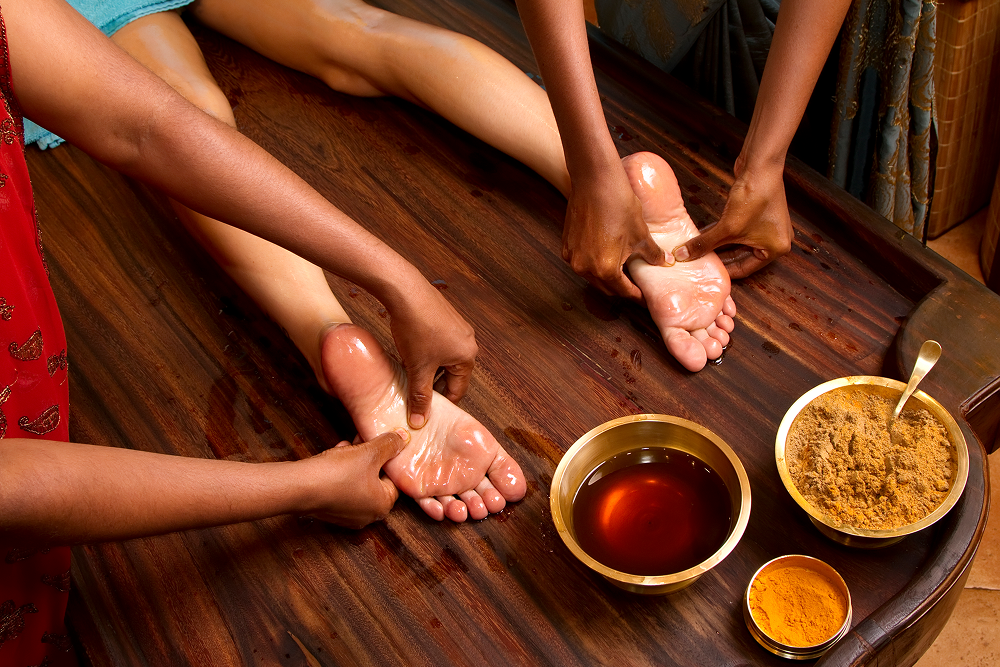
Abhyanga is a warm herbal oil massage that nourishes muscles and improves circulation. When followed by Swedana, the oils penetrate deeper into tissues for better detoxification and relaxation.

Benefits of Combining Abhyanga and Swedana

  • Better toxin removal
  • Deep muscle relaxation
  • Improved skin nourishment
  • Reduced stress levels
  • Enhanced joint flexibility

Shirodhara Treatment Near Me

Another highly recommended therapy often combined with Swedana is the Shirodhara treatment near me.

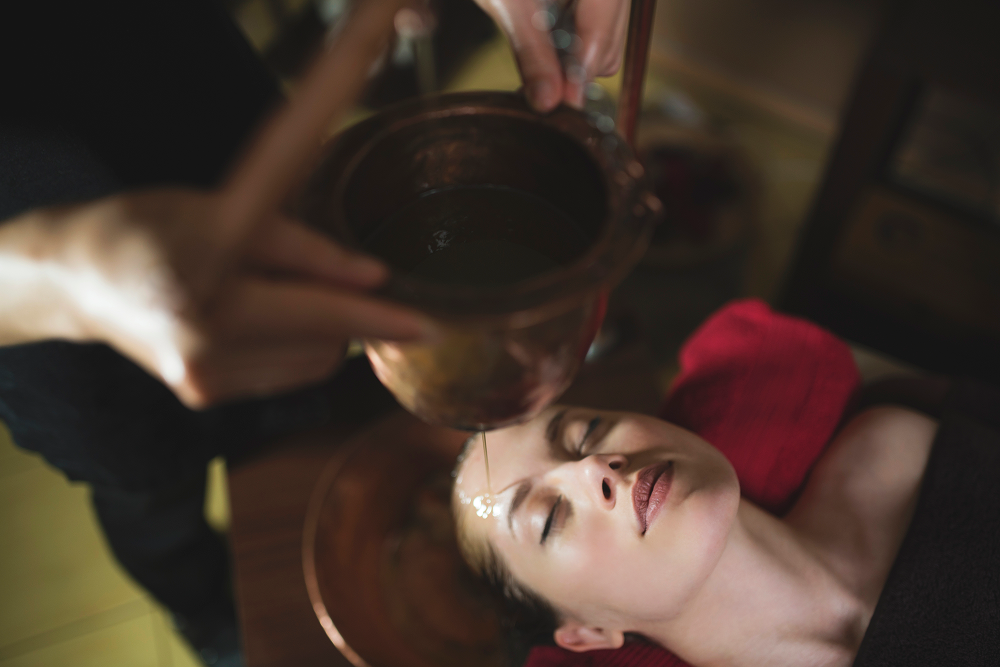
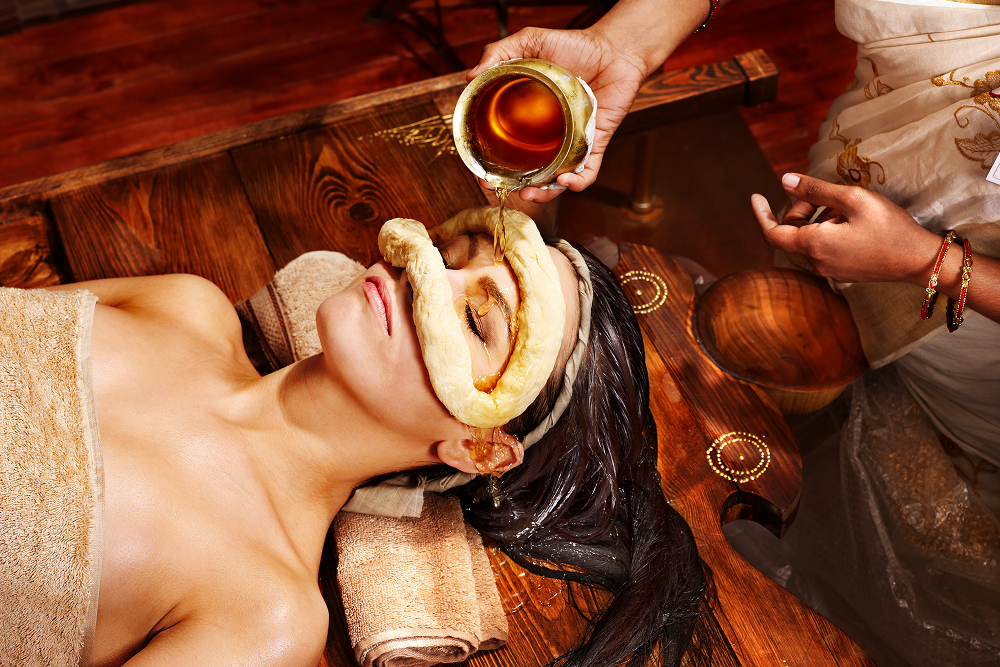
In Shirodhara, medicated oil is gently poured over the forehead to calm the mind and nervous system.

Benefits of Shirodhara

  • Reduces anxiety and stress
  • Improves sleep quality
  • Promotes mental clarity
  • Supports emotional balance

Together, Swedana and Shirodhara create a deeply relaxing and rejuvenating experience.

Why Ayurhealing is a Trusted Rejuvenation Centre in Bangalore

Finding a reliable rejuvenation centre in Bangalore is important for authentic Ayurvedic care. At Ayurhealing, therapies are designed using traditional Ayurvedic principles combined with personalized wellness planning.

Patients choose Ayurhealing because of:

  • Experienced Ayurvedic practitioners
  • Authentic herbal therapies
  • Personalized treatment programs
  • Holistic wellness approach
  • Hygienic therapy environment
  • Focus on natural healing

Many people searching for the Best Ayurvedic Clinic in Koramangala, Bangalore, prefer centers that provide comprehensive wellness care rather than temporary symptom management.

Best Ayurvedic Clinic in Koramangala, Bangalore

If you are looking for the Best Ayurvedic Clinic in Koramangala, Bangalore, choosing a center with experienced doctors and authentic Panchakarma therapies is essential.

Professional Ayurvedic clinics focus on:

  • Root-cause healing
  • Personalized therapies
  • Long-term wellness
  • Natural detoxification
  • Lifestyle correction

At Ayurhealing, the emphasis is on restoring balance to the body through natural Ayurvedic methods.

People searching for the Best Ayurvedic Clinic in Koramangala, Bangalore often seek therapies that combine detoxification, rejuvenation, and pain relief in one holistic treatment plan.

Role of Ayurveda in Preventive Healthcare

One of the strongest advantages of Ayurveda is its preventive healthcare philosophy. Instead of waiting for disease to develop, Ayurveda encourages regular detoxification and body maintenance.

Swedana therapy helps maintain:

  • Healthy circulation
  • Better metabolism
  • Joint flexibility
  • Mental calmness
  • Improved immunity

This is why many wellness experts recommend periodic detox therapies even for healthy individuals.

Ayurveda and Siddha Hospital in Bangalore for Holistic Healing

Many patients also explore treatments at an Ayurveda and Siddha Hospital in Bangalore for integrated healing approaches.

Ayurveda and Siddha systems both focus on balancing the body naturally through:

  • Herbal medicines
  • Detox therapies
  • Dietary guidance
  • Lifestyle changes
  • Physical rejuvenation

These traditional systems aim to improve overall wellness rather than only treating symptoms.

Choosing the Best Ayurveda Doctor in Bangalore

When selecting the Best Ayurveda doctor in Bangalore, consider the following factors:

Experience and Specialization

Choose practitioners experienced in Panchakarma and pain management therapies.

Authentic Treatments

Look for clinics that provide genuine herbal therapies and traditional Ayurvedic procedures.

Personalized Care

Every individual has a different body constitution, so treatments should be customized accordingly.

Holistic Wellness Guidance

A good Ayurvedic doctor also provides dietary, lifestyle, and stress-management recommendations.

Who Can Benefit from Swedana Therapy?

Swedana therapy is suitable for many individuals, including:

  • Office workers with back pain
  • Athletes with muscle fatigue
  • Elderly people with joint stiffness
  • Individuals under chronic stress
  • People seeking detoxification
  • Patients recovering from physical strain

However, therapy should always be performed under professional supervision.

Conclusion

The growing popularity of the Best Swedana Ayurveda Therapy in Bangalore reflects the increasing demand for natural healing and holistic wellness solutions. Swedana therapy is more than just a steam treatment – it is a deeply rejuvenating Ayurvedic practice that helps detoxify the body, reduce pain, improve flexibility, and promote mental relaxation naturally.

When combined with therapies such as Abhyanga and Shirodhara, Swedana supports overall wellness by restoring balance to the body and mind. Whether you are dealing with stress, chronic pain, fatigue, or stiffness, Ayurvedic detox therapies offer a safe and natural path toward recovery.

At Ayurhealing, personalized wellness therapies are designed to help individuals experience long-term healing and rejuvenation through authentic Ayurvedic care.

FAQs

Swedana therapy is a therapeutic sweating treatment in Ayurveda that uses herbal steam or heat to detoxify the body, reduce stiffness, and improve circulation.

Some major benefits include pain relief, detoxification, improved flexibility, stress reduction, muscle relaxation, and better circulation.

Yes. Swedana therapy is commonly used for muscle pain, arthritis, joint stiffness, and chronic body discomfort.

Yes. Combining Swedana with Abhyanga therapy improves detoxification and enhances relaxation and pain relief benefits.

The frequency depends on your health condition and wellness goals. An Ayurvedic doctor can recommend the ideal therapy schedule based on your body type and symptoms.

Ayurvedic Diet Plan for a Healthy Life – Eat Right the Ayurvedic Way

Have you ever noticed that you and a close friend can eat the same meal, yet one of you feels energised while the other feels heavy and bloated? According to Ayurveda, this is not a coincidence – it is your body speaking its constitution. An Ayurvedic diet plan for a healthy life is not a universal prescription. It is a deeply personalised approach to eating that honours your unique body type, your digestive capacity, and the rhythms of nature. In Ayurveda, food is not just fuel – it is your most powerful medicine. And when you eat the right food, in the right way, at the right time, everything changes.

In a city like Bangalore, where the pace of life is relentless, and the temptation of quick, processed meals is everywhere, many people find their health quietly deteriorating despite their best intentions. Irregular meal timings, stress eating, cold and packaged foods, and incompatible food combinations are silently disrupting digestion, energy, and long-term wellness for countless residents. The Ayurvedic way of eating offers a beautifully practical and deeply time-tested antidote.

At Ayurhealing, our Ayurvedic physicians guide patients toward personalised dietary plans that align with their constitution, health goals, and current imbalances. This blog is a window into that wisdom – the foundational principles that make an Ayurvedic diet plan not just a meal schedule, but a genuine lifestyle transformation.

What Is an Ayurvedic Diet Plan and How Is It Different?

Most modern diets focus on calories, macros, or food groups. An Ayurvedic diet plan is fundamentally different. It is built around three core pillars:

  • Your constitution (Prakriti): Every person is born with a unique combination of Vata, Pitta, and Kapha – the three biological energies that govern all physical and mental functions. Your dominant dosha determines which foods nourish you and which create imbalance.
  • The quality of food (Guna): Ayurveda classifies food into three qualities: Sattvic (pure, light, and nourishing), Rajasic (stimulating and activating), and Tamasic (heavy, dull, and depleting). A healthy Ayurvedic diet emphasises Sattvic food as the foundation.
  • Your digestive fire (Agni): Strong Agni means efficient digestion, good immunity, and clear energy. Weak or irregular Agni leads to the accumulation of Ama (undigested toxins) – the root of most chronic disease in Ayurvedic understanding.

The result is an eating philosophy that is simultaneously ancient and strikingly modern in its logic: eat what works for your body, not what works for someone else’s body.

What to Eat According to Your Dosha – The Vata Pitta Kapha Diet Guide

Understanding your dominant dosha is the gateway to a truly personalised Ayurvedic diet. Here is a practical overview of the dosha-based diet plan for each type:

Vata Diet – Warm, Moist & Grounding

Vata types are naturally lean, creative, and quick-moving – but tend toward anxiety, dryness, irregular digestion, and constipation when out of balance. The Vata diet focuses on warming, oily, and grounding foods:

  • Warm, freshly cooked meals – rice, oats, soups, and stews
  • Sweet, sour, and salty tastes – naturally pacify Vata
  • Healthy oils – ghee, sesame oil, and coconut oil in generous quantities
  • Sweet root vegetables – sweet potato, carrot, beets
  • Warm spiced milk and herbal teas – ginger, cardamom, cinnamon
  • Avoid: raw salads, cold drinks, dry crackers, and excessive fasting

Pitta Diet – Cooling, Light & Non-Spicy

Pitta types are sharp, driven, and warm-natured – but prone to acidity, inflammation, skin rashes, and irritability when aggravated. The Pitta diet emphasises cooling and anti-inflammatory foods:

  • Sweet, bitter, and astringent tastes – naturally pacify Pitta
  • Cooling vegetables – cucumber, ash gourd, leafy greens, and zucchini
  • Sweet fruits – pomegranate, sweet lime, ripe mango, and coconut
  • Cow’s milk, ghee, and fresh yoghurt – in moderation
  • Cooling grains – rice, barley, and wheat
  • Avoid: spicy, sour, salty, and fermented foods; alcohol; excess garlic and onion

Kapha Diet – Light, Warm & Stimulating

Kapha types are calm, grounded, and nurturing – but tend toward weight gain, slow digestion, congestion, and lethargy when imbalanced. The Kapha diet is light, dry, and stimulating:

  • Pungent, bitter, and astringent tastes – naturally reduce Kapha
  • Light grains – millet, barley, buckwheat, and corn
  • All legumes – particularly moong dal and red lentils
  • Pungent spices – ginger, black pepper, turmeric, and mustard seeds in every meal
  • Light vegetables – bitter gourd, drumstick, spinach, and sprouts
  • Avoid: dairy, fried foods, refined sugar, cold drinks, heavy desserts, and oversleeping after meals

Golden Ayurvedic Food Rules Everyone Should Follow

Regardless of your dosha, Ayurveda prescribes a set of universal food principles that support optimal digestion, immunity, and energy for everyone. These are the non-negotiables of an Ayurvedic diet plan for healthy living:

  1. Eat warm, freshly cooked food: Cold, leftover, and refrigerated food weakens Agni and generates Ama. Freshly prepared, warm meals are always preferred in Ayurveda.
  2. Eat your largest meal at noon: Digestive fire is at its peak between 10 AM and 2 PM, aligned with the sun’s peak. A light breakfast, a substantial lunch, and a light early dinner mirror the body’s natural digestive rhythm perfectly.
  3. Never eat until your previous meal is fully digested: Eating before full digestion creates a toxic overlap of partially digested food – a leading cause of Ama accumulation. Leave at least 4 to 5 hours between meals.
  4. Avoid incompatible food combinations (Viruddha Ahara): Certain food combinations actively disturb digestion in Ayurveda: milk with fish, fruit with dairy, honey with hot liquids, and raw and cooked food mixed are among the most common culprits.
  5. Eat in a calm, mindful state: Ayurveda insists that HOW you eat is as important as WHAT you eat. Eating while distracted, stressed, or emotionally disturbed significantly impairs digestion, regardless of how nutritious the food is.
  6. Include all six tastes in every meal: Sweet, sour, salty, pungent, bitter, and astringent – each taste feeds a different tissue and ensures nutritional completeness and satisfaction after every meal.

Ayurvedic Diet for Specific Health Goals

Ayurvedic Diet for Weight Loss

The Ayurvedic diet for weight loss is not about starving the body – it is about correcting the Kapha imbalance and sluggish Agni that drive unhealthy fat accumulation. The focus is on light, warm, easily digestible meals with generous use of metabolism-stimulating spices like ginger, black pepper, turmeric, and long pepper. Intermittent eating windows that align with natural digestive rhythms, avoiding daytime sleeping, and regular physical activity before breakfast are all central to the Ayurvedic weight management approach.

Ayurvedic Diet for Digestion

For those dealing with bloating, acidity, constipation, or irregular bowels, the Ayurvedic diet for digestion begins with strengthening Agni. Starting the day with warm water and ginger, eating moong dal khichdi as the primary meal, using digestive spices like cumin, coriander, and fennel in cooking, and drinking warm water rather than cold throughout the day are among the most impactful first steps. Avoiding raw salads, cold beverages, and leftover food goes a long way toward restoring digestive comfort.

Ayurvedic Diet for Diabetes

The Ayurvedic diet for diabetes focuses on correcting Kapha and Pitta imbalances that drive insulin resistance and pancreatic dysfunction. Bitter gourd (karela), fenugreek seeds, barley, and turmeric are among the most effective dietary allies for blood sugar regulation. Low glycaemic index grains like millets and barley replace refined rice and white flour. Regular meal timings, avoidance of sweet and oily foods, and the inclusion of bitter and astringent tastes at every meal are non-negotiable elements of diabetes management in Ayurveda.

Ayurvedic Diet Tips for the Bangalore Lifestyle

Bangalore’s unique lifestyle – long work hours, frequent eating out, air-conditioned offices, and high professional stress – creates specific dietary challenges. Here are practical Ayurvedic diet tips for Bangalore’s busy lifestyle that are realistic and immediately actionable:

  • Start every day with a glass of warm water before tea or coffee – it rehydrates the body and stimulates Agni gently after the overnight fast
  • Keep a small pack of roasted cumin or fennel seeds in your desk drawer – chew a pinch after every meal to prevent post-lunch bloating and the dreaded afternoon energy slump
  • When eating out, choose warm, freshly prepared South Indian options like sambar, rasam, and idlis over cold sandwiches and salads – they are more Agni-friendly than most people realise
  • Limit air-conditioned exposure during meals when possible – cold environments suppress digestive fire and impair nutrient absorption
  • Swap your afternoon packaged snack for a small cup of warm buttermilk with cumin and rock salt – it is one of Ayurveda’s most underrated digestive tonics
  • Plan your dinner before 7:30 PM whenever possible – late-night eating is one of the most disruptive habits for Agni in a city where late work hours are routine

Get a Personalised Ayurvedic Diet Plan at Ayurhealing, Bangalore

Reading about Ayurvedic nutrition is a wonderful starting point – but the real transformation happens when you have a personalised plan designed specifically for your constitution, your current health condition, and your daily life. At Ayurhealing, one of the most trusted Ayurvedic nutrition clinics in Bangalore, our experienced Ayurvedic physicians assess your Prakriti through Nadi Pariksha (pulse diagnosis) and design a complete dietary plan that addresses your specific health goals – whether that is weight management, digestive restoration, blood sugar control, or overall vitality.

We also integrate dietary guidance with herbal prescriptions and Panchakarma therapies when needed – creating a holistic, whole-person approach that produces results no generic diet plan ever can. Our dietary consultations are available both in-clinic and online for patients across Bangalore.

Final Thoughts: Food Is Your First Medicine

The ancient Ayurvedic sages had a saying: “When diet is wrong, medicine is of no use. When the diet is correct, medicine is of no need.” This is not just poetic wisdom – it is a clinical reality that thousands of years of Ayurvedic practice have consistently validated.

An Ayurvedic diet plan for a healthy life is not a restrictive regime or a short-term fix. It is a way of understanding your body, honouring its needs, and nourishing it with the intelligence that nature built into both food and human physiology. Start with small, consistent changes – and you will be astonished by how quickly your body responds when you begin to eat in alignment with who you truly are.

Ready to eat right the Ayurvedic way? Book a dietary consultation with the expert team at Ayurhealing in Bangalore today – and let us design a diet plan that works for your body, your goals, and your life.

FAQs

Your dosha type is best identified through a professional Ayurvedic consultation and pulse diagnosis (Nadi Pariksha). Ayurvedic doctors assess your body type, digestion, lifestyle, and health patterns to create a personalised diet plan.

Yes, an Ayurvedic diet supports sustainable weight loss by improving digestion, balancing doshas, and boosting metabolism naturally. It focuses on healthy eating habits instead of extreme calorie restriction.

Yes, Ayurvedic diets can support blood sugar management through low-glycaemic foods, balanced meal timings, and natural herbs. A personalised plan under Ayurvedic guidance can help improve overall health and energy levels.

Absolutely. Ayurveda mainly recommends fresh, balanced foods, but non-vegetarian meals can also be included based on your body constitution, health condition, and dietary needs.

You can visit Ayurhealing in Bangalore for a personalised Ayurvedic diet consultation. Experienced Ayurvedic doctors provide customised diet plans for weight management, digestion, diabetes, wellness, and lifestyle balance.

Best Ayurvedic Treatment for Kidney Stones Without Surgery

Introduction

Living with kidney stones can be an incredibly painful experience – one that many people in India are all too familiar with. The sharp, stabbing discomfort, the frequent urge to urinate, and the constant worry about what comes next can be overwhelming. The good news? Ayurvedic treatment for kidney stones offers a time-tested, holistic path to healing that works with your body – not against it. At Ayurhealing, we believe that nature holds the most powerful remedies, and Ayurveda, India’s ancient system of medicine, proves this every day. Whether you’re looking to dissolve existing stones, manage pain, or prevent recurrence, Ayurveda can help you do it – naturally and without surgery.

Kidney Stones: Symptoms, Causes & Treatment – What You Need to Know

What Are Kidney Stones?

Kidney stones (known as Mutrashmari in Ayurveda) are hard mineral and salt deposits that form inside the kidneys. They can range from the size of a grain of sand to a golf ball, and can affect any part of your urinary tract – from your kidneys to your bladder.

Common Symptoms

  • Severe pain in the back, side, or lower abdomen
  • Burning sensation or pain during urination
  • Pink, red, or cloudy urine
  • Nausea and vomiting
  • Frequent urge to urinate
  • Fever or chills (if an infection is present)

What Causes Kidney Stones to Form?

From a modern medical perspective, kidney stones form when your urine contains more crystal-forming substances – such as calcium, oxalate, and uric acid – than the fluid in your urine can dilute. But Ayurveda looks deeper.

According to Ayurvedic principles, kidney stones are primarily caused by an imbalance in the Vata and Kapha doshas. Contributing factors include:

  • Poor dietary habits – excessive consumption of salty, sour, and heavy foods
  • Inadequate water intake – leading to concentrated urine
  • Sedentary lifestyle – slows down the body’s natural detoxification
  • Suppression of natural urges – holding in urine for long periods
  • Accumulation of Ama (toxins) in the urinary tract

How Ayurveda Approaches Kidney Stone Treatment

Ayurvedic Treatment Approaches: The Three-Pronged Strategy

1. Shodhana (Detoxification): Cleansing the body of accumulated toxins through therapies like Panchakarma. Detoxification prepares the system to heal from within.

2. Shamana (Palliative Therapy): Herbal medicines are used to pacify the aggravated doshas, reduce inflammation, dissolve stones, and relieve pain – without any invasive procedures.

3. Nidana Parivarjana (Eliminating Root Causes): Dietary corrections, lifestyle changes, and stress management are prescribed to prevent stones from forming again.

Best Ayurvedic Remedies for Kidney Stones

Powerful Herbs That Work

Ayurveda has a rich pharmacopoeia of herbs known to break down kidney stones, ease urinary flow, and reduce inflammation. Here are some of the most effective ones used at Ayurhealing:

  • Punarnava (Boerhavia diffusa) – A potent diuretic that flushes out toxins and reduces kidney swelling
  • Gokshura (Tribulus terrestris) – Widely regarded as one of the best Ayurvedic remedies for kidney stones; it promotes urinary health and helps dissolve calculi
  • Varunadi Kashayam – A classical Ayurvedic decoction used for centuries to treat urinary stones
  • Pashanabheda (Bergenia ligulata) – The name literally means “stone breaker,” and it helps dissolve renal calculi
  • Shilajit – Rich in fulvic acid and minerals, it supports kidney function and reduces recurrence
  • Chandraprabha Vati – A classical formulation used as Ayurvedic medicine for stone pain and urinary discomfort

Note: These herbs work best when prescribed based on your body type (Prakriti) and the nature of the stone. Always consult a qualified Ayurvedic physician before use.

Clear Stone Ayurvedic Medicine: What to Expect

Clear stone Ayurvedic medicine refers to a group of formulations specifically designed to break down and expel kidney stones from the urinary tract. At Ayurhealing, these are prescribed after a thorough consultation, often including an ultrasound review, to determine:

  • The size and location of the stone
  • The type of stone (calcium oxalate, uric acid, struvite, etc.)
  • The dominant dosha imbalance
  • The patient’s overall health and digestive strength

Treatment typically spans 4 to 12 weeks, depending on the complexity of the case, and combines internal herbal medicines with dietary guidance and lifestyle adjustments.

Kerala Ayurvedic Treatment in Bangalore: Traditional Healing, Modern Convenience

Kerala Ayurveda is renowned across the world for its authentic Panchakarma therapies. At Ayurhealing, we bring the richness of Kerala Ayurvedic treatment to Bangalore, making it accessible to city residents without the need to travel. Our treatments include:

  • Kizhi (Herbal Pouch Therapy)Relieves pain and inflammation around the kidney area
  • Dhara therapies – Assist in whole-body detox and stress relief
  • Vasti (Medicated Enema) – One of the most effective treatments for Vata-related disorders, including urinary calculi

Kidney Stone Treatment: Siddha Perspectives

Kidney stone treatment in Siddha medicine, another ancient South Indian healing system, also emphasises herbal-mineral combinations and dietary regulation. While Siddha and Ayurveda are distinct systems, they share a common philosophy – treat the whole person, not just the symptom. At Ayurhealing, our practitioners draw on complementary traditions when appropriate, offering patients a well-rounded healing experience.

Diet and Lifestyle Recommendations from Our Ayurvedic Doctors

Foods to Include:

  • Barley water, coconut water, and buttermilk (excellent natural diuretics)
  • Horse gram (Kulthi dal) – traditionally used in Ayurveda to dissolve stones
  • Cucumber, watermelon, and ridge gourd
  • Fresh coriander leaves and pomegranate

Foods to Avoid:

  • Spinach, tomatoes, and beetroot (high oxalate content)
  • Excessive salt and processed foods
  • Red meat and organ meats (increase uric acid levels)
  • Carbonated drinks and alcohol

Lifestyle Tips:

  • Drink at least 2.5–3 litres of water daily
  • Avoid holding the urge to urinate
  • Take short walks after meals to support digestion and kidney function
  • Practice stress-reduction techniques such as Pranayama and meditation

Why Choose Ayurhealing – Best Ayurvedic Clinic in Bangalore

If you are searching for the best Ayurvedic clinic in Bangalore for kidney stone treatment, Ayurhealing stands out for several reasons:

  • Experienced team – Our practitioners include some of the best Ayurvedic doctors in Bangalore, with specialised expertise in kidney and urinary disorders
  • Personalised treatment plans – No two patients are the same; every protocol is tailored to the individual
  • Authentic formulations – We use classical Ayurvedic medicines prepared with high-quality, ethically sourced herbs
  • Comprehensive care – From diagnosis to recovery, we guide you every step of the way

Conclusion

Kidney stones are painful, disruptive, and often frightening – but they don’t have to mean surgery. Ayurvedic treatment for kidney stones offers a compassionate, holistic alternative that heals your body from the inside out. With the right herbs, therapies, dietary adjustments, and expert guidance from the best Ayurvedic doctors in Bangalore, you can dissolve stones, relieve pain, and reclaim your health – naturally.

At Ayurhealing, we are committed to bringing you the best of traditional Ayurvedic wisdom in a modern clinical setting. If you are ready to explore a natural path to kidney health, we’re here to walk that journey with you.

Book your consultation today and take the first step toward a stone-free life.

FAQs

Yes, in many cases - especially for stones smaller than 8–10 mm - Ayurvedic treatment of kidney stones can be highly effective in dissolving and expelling them without any surgical intervention. Larger stones may require a combined approach, and our doctors will guide you accordingly.

The duration depends on the size, type, and location of the stone, as well as your overall health. Most patients see significant improvement within 4 to 8 weeks. A full treatment course may range from 8 to 12 weeks for complete resolution and prevention of recurrence.

Absolutely. Ayurvedic medicine for stone pain uses natural anti-inflammatory and antispasmodic herbs that are gentle on the body. They relieve pain without the side effects associated with long-term use of conventional painkillers.

Kerala Ayurvedic treatment in Bangalore follows authentic South Kerala protocols, which are considered among the most systematic and effective in the Ayurvedic tradition. These include specific Panchakarma procedures, classical herbal preparations, and a therapeutic diet - all administered under the supervision of trained physicians.

Yes - and this is one of Ayurveda's greatest strengths. By addressing the root cause (dosha imbalance, dietary habits, toxin accumulation), Ayurveda doesn't just treat the stone - it helps prevent future recurrence. Ongoing seasonal detox (Ritucharya) and a tailored diet plan are part of long-term stone prevention at Ayurhealing.

Ayurvedic Treatment for Spine Health in Bangalore – Heal Your Back Naturally

Introduction

In today’s fast-paced lifestyle, spine-related problems have become increasingly common among people of all ages. Long working hours, poor posture, stress, lack of exercise, and unhealthy habits often lead to chronic back pain, stiffness, sciatica, and spinal degeneration. Many people are now turning toward Ayurvedic Treatment for Spine Health in Bangalore, naturally, because it offers long-term healing without dependency on painkillers or invasive procedures.

At Ayurhealing, traditional Ayurveda therapies are designed to address the root cause of spinal discomfort and improve overall spine health naturally. Whether you are suffering from lumbar spondylosis, slipped disc issues, nerve compression, or chronic stiffness, Ayurveda offers a holistic path to recovery through herbal therapies, Panchakarma treatments, lifestyle correction, and rejuvenation techniques.

Understanding Spine Health in Ayurveda

According to Ayurveda, the spine is closely connected to the body’s Vata Dosha, which governs movement, flexibility, nerve functions, and joint health. When Vata becomes imbalanced due to stress, aging, poor diet, or physical strain, it can result in:

  • Back pain
  • Sciatica
  • Disc degeneration
  • Muscle stiffness
  • Nerve compression
  • Cervical and lumbar issues
  • Joint inflammation

Unlike temporary pain management methods, Spine Health Ayurveda focuses on correcting internal imbalances while strengthening muscles, joints, and nerves naturally.

Ayurveda believes that proper spinal health is essential for maintaining physical stability, flexibility, and overall vitality.

Common Spine Problems Treated with Ayurveda

Many people seek Ayurvedic treatment for spine health in Bangalore for chronic and recurring spinal disorders. Some of the most common conditions treated include:

1. Lower Back Pain

Lower back pain is often caused by prolonged sitting, improper lifting, obesity, or muscle weakness. Ayurveda therapies help reduce inflammation and strengthen the lower spine naturally.

2. Sciatica

Sciatica causes radiating pain from the lower back to the legs due to nerve compression. Ayurvedic treatment for sciatica in Bangalore focuses on reducing nerve irritation and improving mobility through herbal oils and detox therapies.

3. Lumbar Spondylosis

Age-related wear and tear in the lumbar spine can lead to severe pain and stiffness. Ayurvedic treatment for lumbar spondylosis in Bangalore aims to lubricate joints, nourish tissues, and improve spinal flexibility.

4. Cervical Spondylosis

Neck stiffness, headaches, and shoulder pain caused by cervical issues can be effectively managed through Ayurvedic massage and Panchakarma therapies.

5. Slipped Disc and Disc Bulge

Ayurveda therapies help reduce muscle spasms, relieve pressure on nerves, and support the gradual healing of spinal tissues.

Why Choose Ayurvedic Treatment for Spine Health in Bangalore Naturally?

Bangalore’s stressful urban lifestyle has increased the demand for holistic healing methods. More people are choosing Natural treatment for spine problems because Ayurveda focuses on complete wellness rather than symptom suppression.

Benefits of Ayurvedic Spine Treatments

Natural and Non-Invasive Healing

Ayurveda avoids surgery in many cases and promotes healing through therapies, herbal oils, and detoxification.

Reduces Dependency on Painkillers

Long-term use of pain medications can have side effects. Ayurveda offers safer alternatives for chronic pain management.

Improves Flexibility and Mobility

Therapies help restore joint movement and reduce stiffness in muscles and ligaments.

Strengthens Muscles and Nerves

Herbal treatments nourish spinal tissues and improve nerve health.

Addresses Root Causes

Instead of masking symptoms, Ayurveda identifies the underlying imbalance causing pain.

Effective Ayurvedic Therapies for Spine Health

Kati Basti Treatment in Bangalore

One of the most popular therapies for spinal disorders is Kati Basti treatment in Bangalore. In this therapy, warm medicated oil is retained over the lower back using a herbal dough ring.

Benefits of Kati Basti

  • Relieves chronic lower back pain
  • Reduces muscle stiffness
  • Nourishes spinal tissues
  • Improves blood circulation
  • Helps in slipped disc recovery
  • Supports lumbar spine flexibility

The warmth of the medicated oil penetrates deeply into the tissues, helping relax muscles and reduce inflammation naturally.

Panchakarma for Back Pain in Bangalore

Panchakarma for back pain in Bangalore is a detoxification process that removes toxins from the body and restores dosha balance.

Common Panchakarma Procedures for Spine Health

Abhyanga

A full-body herbal oil massage that improves circulation and reduces muscular tension.

Swedana Therapy for Stiffness

Swedana therapy for stiffness uses herbal steam to relieve rigidity, improve flexibility, and reduce joint pain.

Basti Therapy

Medicated enemas are used to balance Vata dosha, which is often responsible for spinal disorders.

Pizhichil

Warm medicated oil is poured continuously over the body to rejuvenate muscles and joints.

Njavarakizhi

A rejuvenating treatment using medicated rice bundles that strengthens muscles and nerves. These therapies work together to improve spinal strength and overall mobility.

Kerala Ayurvedic Treatment for Back Pain in Bangalore

Traditional Kerala Ayurvedic treatment for back pain in Bangalore is widely respected for its authentic therapies and deep healing approach.

Kerala Ayurveda combines:

  • Herbal oil therapies
  • Medicated steam treatments
  • Detoxification
  • Muscle rejuvenation
  • Diet correction
  • Lifestyle management

The therapies are customized according to an individual’s body constitution and health condition.

Many patients prefer Kerala-style treatments because of their effectiveness in managing chronic spinal disorders naturally.

Ayurvedic Herbs Used for Spine Health

Several Ayurvedic herbs are traditionally used to strengthen bones, muscles, and nerves.

Ashwagandha

Helps reduce inflammation and supports muscle recovery.

Shallaki

Known for its anti-inflammatory properties and joint support benefits.

Shallaki

Helps improve flexibility and reduce stiffness.

Rasna

Traditionally used for arthritis and spinal pain management.

Bala

Strengthens nerves and muscles naturally. These herbs are often used in oils, medicines, and therapies prescribed by Ayurvedic practitioners.

Lifestyle Tips to Improve Spine Health Naturally

Along with therapies, Ayurveda emphasizes lifestyle modifications for long-term spinal wellness.

Maintain Proper Posture

Poor posture is one of the biggest causes of spinal strain. Sit upright and avoid slouching while working.

Follow a Vata-Balancing Diet

Warm, nourishing foods help maintain joint lubrication and reduce dryness in the body.

Recommended Foods

  • Warm soups
  • Herbal teas
  • Ghee
  • Cooked vegetables
  • Nuts and seeds

Avoid

  • Excess cold foods
  • Processed snacks
  • Carbonated drinks
  • Excess caffeine

Practice Gentle Yoga

Yoga improves flexibility and strengthens spinal muscles naturally.

Helpful Yoga Poses

  • Bhujangasana
  • Marjariasana
  • Tadasana
  • Setu Bandhasana

Stay Physically Active

Regular walking and stretching help maintain spinal flexibility and circulation.

Signs You Should Seek Ayurvedic Spine Care

You should consider consulting the Best Ayurvedic doctor in Bangalore for the spine if you experience:

  • Persistent lower back pain
  • Numbness in legs
  • Neck stiffness
  • Difficulty walking
  • Radiating pain
  • Frequent muscle spasms
  • Reduced flexibility
  • Chronic sciatica symptoms

Early treatment can prevent complications and improve recovery outcomes.

How Ayurveda Supports Long-Term Spine Health

Unlike quick-fix treatments, Ayurveda focuses on sustainable healing and prevention.

Ayurveda encourages:

  • Healthy spinal alignment
  • Better muscle strength
  • Improved flexibility
  • Reduced inflammation
  • Stronger nerves
  • Stress reduction
  • Better circulation

By combining therapies, herbs, diet, and lifestyle correction, Ayurveda creates a comprehensive healing environment for the body.

Choosing the Best Ayurvedic Clinic in Bangalore for Spine Care

When selecting the Best Ayurvedic clinic in Bangalore for spine treatments, consider the following:

Experienced Doctors

Choose clinics with experienced Ayurvedic practitioners who specialize in musculoskeletal and spinal disorders.

Authentic Therapies

Look for centers offering genuine Panchakarma and Kerala Ayurvedic treatments.

Personalized Treatment Plans

Every spine condition is different. Personalized treatment ensures better results.

Hygienic Environment

Professional hygiene standards are important for safe and effective therapies.

Holistic Care

A good Ayurvedic clinic should guide diet, yoga, and lifestyle improvements alongside therapies.

At Ayurhealing, holistic spine care treatments are designed to support natural healing and long-term wellness.

Why More People in Bangalore Are Choosing Ayurveda for Spine Problems

Modern lifestyles often contribute to chronic spinal stress. As a result, more individuals are seeking Ayurvedic treatment for back pain in Bangalore as a safer and more sustainable alternative.

People are increasingly drawn toward Ayurveda because it:

  • Focuses on natural healing
  • Improves overall well-being
  • Reduces side effects
  • Promotes long-term recovery
  • Supports physical and mental balance

Ayurveda not only treats pain but also enhances the quality of life.

Conclusion

Spinal health plays a major role in maintaining an active and pain-free life. Chronic back pain, sciatica, stiffness, and spinal degeneration can affect both physical comfort and emotional well-being. Choosing Ayurvedic Treatment for Spine Health in Bangalore naturally offers a holistic solution that focuses on healing the root cause rather than simply suppressing symptoms.

Through therapies like Kati Basti treatment in Bangalore, Panchakarma for back pain in Bangalore, herbal medicines, yoga, and lifestyle changes, Ayurveda helps restore balance, flexibility, and strength naturally.

FAQs

Yes. Ayurveda focuses on reducing inflammation, improving circulation, and correcting internal imbalances that contribute to chronic back pain.

Kati Basti treatment in Bangalore is mainly used for lower back pain, slipped disc issues, lumbar spondylosis, and spinal stiffness.

Yes. Ayurvedic treatment for sciatica in Bangalore helps reduce nerve compression, pain, and inflammation using herbal oils and detox therapies.

The duration depends on the severity of the condition. Some patients notice relief within weeks, while chronic conditions may require longer therapy plans.

Yes. Panchakarma for back pain in Bangalore helps remove toxins, balance doshas, improve circulation, and support spinal healing naturally.

Kizhi Treatment in Bangalore – Best Ayurvedic Therapy for Joint & Muscle Pain

If you have ever watched someone receive a warm herbal poultice massage and wondered what that deeply soothing treatment was, you were likely looking at Kizhi. Kizhi treatment in Bangalore is rapidly gaining recognition among patients seeking genuine, lasting relief from joint pain, muscle stiffness, back ache, and nerve-related discomfort – without relying on painkillers or invasive procedures. Rooted in the classical traditions of Kerala Ayurvedic medicine, Kizhi is one of the most elegant and effective therapies in the entire Panchakarma system, and its results consistently astonish first-time patients.

The word “Kizhi” comes from the Malayalam language, meaning a small bundle or pouch. In practice, it refers to a medicated poultice – a carefully prepared bundle of herbs, leaves, powders, or cooked medicinal preparations – that is warmed in medicated oil and rhythmically applied to the body with precise therapeutic strokes. The combination of heat, herbal medicinal action, and skilled manual application produces an effect that penetrates deeply into muscles, joints, and nerve pathways.

At Ayurhealing, we offer the full range of authentic Kizhi therapies as part of our comprehensive Panchakarma treatment in Bangalore – each prepared fresh, administered by trained therapists, and supervised by our experienced Ayurvedic physicians. In this blog, we walk you through everything you need to know about Kizhi: its types, its remarkable benefits, who needs it most, and what to expect during a session.

What Is Kizhi Therapy in Ayurveda? Understanding the Herbal Bolus Treatment

Kizhi is classified under Swedana (sudation or heat therapy) in classical Ayurvedic texts – one of the primary preparatory and therapeutic procedures used in Panchakarma. Swedana therapies work by generating controlled heat to open the body’s channels (Srotas), loosen accumulated toxins (Ama), reduce stiffness and inflammation, and allow medicated substances to penetrate deeply into tissues.

What makes Kizhi unique among Swedana therapies is the herbal bolus massage in Ayurveda – the active application of the medicated poultice through rhythmic, therapeutic strokes rather than simple passive heat exposure. This manual action simultaneously stimulates marma points (vital energy centres), improves local blood and lymphatic circulation, and delivers the herbal medicinal properties directly through the skin into underlying tissues.

The overall therapeutic effects of Kizhi therapy include:

  • Reduction of pain, swelling, and inflammation in joints and muscles
  • Improved flexibility and range of motion in stiff or restricted joints
  • Relaxation and release of chronically tense and knotted muscle groups
  • Enhanced local circulation and lymphatic drainage
  • Stimulation of nerve endings – beneficial in neuropathic and degenerative conditions
  • Deep detoxification of tissues through the combined action of heat and herbal compounds
  • A profound sense of physical lightness, warmth, and well-being post-treatment

Types of Kizhi Treatment – Choosing the Right Therapy for Your Condition

One of the most important aspects of Kizhi is that it is not a single, uniform treatment. Classical Ayurvedic texts describe multiple varieties of Kizhi, each using different medicinal ingredients to produce different therapeutic outcomes. Your Ayurvedic physician will select the appropriate type based on your condition, dosha imbalance, and treatment goals.

1. Elakizhi (Patra Pinda Sweda) – Leaf Bundle Therapy

Elakizhi treatment in Bangalore is perhaps the most widely sought Kizhi therapy – and for good reason. “Ela” means leaves in Malayalam, and this therapy uses fresh or dried medicinal leaves – typically from plants like Calotropis, Tamarind, Drumstick, and Castor – combined with warming spices such as ginger, garlic, and lemon, all fried in medicated oil and bundled into a cotton poultice.

The warm poultice is then applied rhythmically over the affected areas, producing intense, penetrating heat that simultaneously delivers the anti-inflammatory and analgesic properties of the herbs. Elakizhi is particularly effective for:

  • Osteoarthritis and rheumatoid arthritis – reducing joint pain, swelling, and morning stiffness
  • Cervical and lumbar spondylosis – improving neck and back mobility
  • Sciatica and radiating nerve pain
  • Sports injuries, muscle pulls, and post-exercise soreness
  • Frozen shoulder and periarthritis
  • General body stiffness and fatigue

2. Podikkizhi (Churna Pinda Sweda) – Herbal Powder Bundle Therapy

Podikkizhi uses bundles filled with carefully selected herbal powders (Churna) rather than leaves. The powders are heated in medicated oil and applied in the same rhythmic strokes. Because the dry herbal powders generate a more intense, penetrating heat than leaf bundles, Podikkizhi is particularly prescribed for conditions involving significant Kapha and Vata accumulation – such as deep-seated joint stiffness, oedema, chronic muscle pain, and conditions where toxin elimination through the skin is a priority. It is also commonly recommended for neurological conditions and paralytic disorders.

3. Navarakizhi (Shashtika Shali Pinda Sweda) – Medicated Rice Bundle Therapy

Navarakizhi treatment benefits stand apart from all other Kizhi types because this therapy is primarily nourishing and rejuvenating rather than just therapeutic. “Navara” refers to a special variety of medicated rice (Shashtika Shali) that is cooked in a decoction of Bala root and cow’s milk to create a warm, paste-like bolus. This bolus is then applied all over the body in gentle, rhythmic strokes.

Navarakizhi is uniquely positioned at the intersection of treatment and rejuvenation. It is particularly valuable for:

  • Muscular dystrophy, muscle wasting, and weakness – it rebuilds depleted muscle tissue
  • Neurological conditions, including hemiplegia and paraplegia
  • Post-stroke rehabilitation and recovery
  • Emaciation and general debility following prolonged illness
  • Anti-ageing and skin rejuvenation – Navarakizhi leaves the skin visibly glowing and deeply nourished
  • Rheumatoid arthritis and inflammatory joint conditions

Patients who have undergone Navarakizhi frequently describe the experience as one of the most deeply nourishing therapies they have ever received – both physically and emotionally. The warm, creamy texture of the bolus combined with the deeply medicinal milk-herb decoction produces a sense of profound restoration that is difficult to describe but unmistakable in experience.

4. Manalakizhi – Sand Bundle Therapy for Acute Pain

Manalakizhi uses heated sand bundled with specific herbs. The dry, intense heat generated by the sand makes this therapy particularly effective for acute pain conditions involving significant Kapha accumulation – such as severe joint swelling, oedema around joints, and conditions where deeper dry heat is required. It is one of the fastest-acting Kizhi therapies for acute pain relief.

Kizhi Therapy Benefits for Joint Pain, Back Pain & Muscle Disorders

The reason Kizhi has earned such a devoted following among patients – particularly in Bangalore, where long hours of desk work, commuting stress, and sedentary lifestyles have made musculoskeletal pain extraordinarily common – is the depth and reliability of its results. Here is what patients with specific conditions can realistically expect from a properly administered Kizhi programme:

Ayurvedic Treatment for Joint Pain in Bangalore Through Kizhi

For patients seeking effective Ayurvedic treatment for joint pain in Bangalore, Kizhi – particularly Elakizhi and Podikkizhi – delivers measurable improvements in:

  • Pain intensity and frequency – most patients report a 50–70% reduction in pain levels within 7 to 10 sessions
  • Morning stiffness – one of the most debilitating aspects of arthritis, which Kizhi specifically addresses through deep tissue warming
  • Joint swelling and inflammation – the anti-inflammatory herb compounds in the bolus directly reduce inflammatory mediators in the joint space
  • Range of motion – patients who struggled to bend, squat, or climb stairs often notice significant improvement in functional mobility
  • Dependency on pain medications – many patients can reduce their reliance on NSAIDs and analgesics after a sustained Kizhi programme

Ayurvedic Massage for Back Pain in Bangalore – How Kizhi Helps

Back pain is among the top reasons patients search for Ayurvedic massage for back pain in Bangalore, and Kizhi is one of the most requested and most effective therapies for this concern. Whether the pain originates from a lumbar disc herniation, sacroiliac dysfunction, paraspinal muscle spasm, or chronic postural strain, the combination of targeted heat, herbal penetration, and therapeutic manual application produces results that conventional physiotherapy and massage often cannot replicate.

Kizhi is frequently combined with Kati Basti (localised medicated oil retention over the lower back) for comprehensive back pain management – the Kizhi loosens and heats the affected tissues while the Kati Basti delivers deep nourishment and sustained therapeutic oil penetration. This combination is considered one of the most effective Ayurvedic protocols for chronic lumbar disorders.

What to Expect During a Kizhi Session at an Ayurvedic Clinic in Bangalore

First-time patients often arrive curious but uncertain about what a Kizhi session actually involves. Here is a clear, step-by-step picture of what a typical Kizhi treatment session looks like at a quality Ayurvedic clinic:

  1. Consultation and assessment: Before the first session, your Ayurvedic physician will assess your condition, identify the specific type of Kizhi most appropriate for you, and determine the medicated oil and herbal combination to be used.
  2. Preparation of the Kizhi: The herbal ingredients are freshly prepared on the day of treatment – leaves, powders, or rice are processed and bundled into cotton cloth pouches. This preparation is done carefully to classical specifications.
  3. Pre-treatment oil application: A gentle application of warm medicated oil over the body (or specific area) prepares the skin and underlying tissues to receive the Kizhi treatment most effectively.
  4. The Kizhi application: The freshly prepared boluses are heated in warm medicated oil and applied rhythmically over the treatment area – the entire body or a specific region – by one or two trained therapists. The temperature is carefully monitored throughout to ensure therapeutic warmth without discomfort.
  5. Post-treatment rest and care: After the session, you rest in a warm, calm environment for 15 to 30 minutes. You will be advised to avoid cold water, cold food, and strenuous activity for the rest of the day to allow the herbal compounds to continue working within the tissues.

A standard Kizhi programme consists of 7 to 14 consecutive daily sessions for acute to moderate conditions, and 14 to 21 sessions for chronic or advanced musculoskeletal disorders. Most patients notice a meaningful reduction in pain and improvement in mobility within the first three to five sessions.

Why Choose Ayurhealing for Kizhi Treatment in Bangalore?

Bangalore has no shortage of Ayurvedic clinics offering Kizhi – but the quality of the experience, and more importantly, the quality of the results, varies enormously. When it comes to a therapy as precise and preparation-dependent as Kizhi, the authenticity of the herbal ingredients, the skill of the therapists, and the quality of clinical supervision make all the difference.

At Ayurhealing, recognised as one of the best Ayurvedic clinics in Bangalore for Panchakarma and specialised therapies, here is what sets our Kizhi programme apart:

  • Classical preparation protocols: Every Kizhi bolus at Ayurhealing is freshly prepared on the day of treatment using quality-tested herbs and medicated oils sourced from reputable Ayurvedic suppliers. We do not use pre-packaged or reused boluses.
  • Experienced and trained therapists: Our Kizhi therapists are specifically trained in the classical Kerala Ayurvedic treatment traditions, bringing authentic therapeutic techniques that make the difference between a good session and a genuinely healing one.
  • Physician-supervised treatment: Every Kizhi programme at Ayurhealing is designed and supervised by our qualified Ayurvedic physicians. Treatment protocols are reviewed and adjusted regularly based on your clinical progress.
  • Personalised treatment plans: We do not offer a one-size-fits-all Kizhi package. Your type of Kizhi, the specific herbs and oils used, the duration of each session, and the number of sessions recommended are all determined individually based on your condition, constitution, and treatment goals.
  • Integrated Panchakarma approach: Where clinically indicated, Kizhi is combined with complementary therapies such as Abhyanga, Basti, Kati Basti, or Nasyam to achieve a more comprehensive, faster-acting result.

Final Thoughts: Let Kizhi Give Your Joints and Muscles the Relief They Deserve

Joint pain, back pain, and muscle stiffness have a way of quietly shrinking your world – making the activities you love feel inaccessible, the mornings feel like a battle, and the long-term future feel uncertain. If that resonates with you, Kizhi is not just a treatment option. It is a genuine invitation to reclaim your physical freedom.

The Kizhi therapy benefits – from pain relief and reduced inflammation to improved mobility and deep tissue nourishment – have been validated by thousands of years of clinical practice and the lived experience of countless patients who arrived in pain and left restored. When delivered authentically, with the right herbs, the right technique, and the right clinical oversight, Kizhi is one of Ayurveda’s most reliably transformative therapies.

If you are ready to explore Kizhi treatment in Bangalore with a team that combines classical expertise, genuine care, and a deep commitment to your healing, Ayurhealing is here for you. Book your initial consultation today and take the first step toward joints that move freely, muscles that feel at ease, and a body that feels like yours again.

FAQs

For mild pain, 7–10 sessions are usually enough. Chronic conditions may require 14–21 sessions. Many people feel relief within 3–5 sessions.

Elakizhi uses herbal leaves and focuses on pain and inflammation relief. Navarakizhi uses medicated rice and is mainly for nourishment, muscle strength, and rejuvenation.

No, it is generally soothing. You’ll feel a warm, relaxing sensation. Therapists adjust heat and pressure based on comfort.

Yes, especially Elakizhi. It reduces stiffness, improves mobility, and is often combined with other Ayurvedic therapies for better results.

You can visit Ayurhealing for expert-guided Kizhi therapies and personalized Ayurvedic care.

Best Ayurvedic Tips to Reduce Body Heat Naturally and Stay Cool

Ayurvedic Tips to Reduce Body Heat Naturally are gaining attention as more people look for safe, holistic ways to stay cool, especially in hot climates like Bangalore. In Ayurveda, excess internal heat is often linked to an imbalance in the Pitta dosha, which governs heat, metabolism, and transformation in the body. When Pitta increases, it can lead to symptoms like acidity, skin rashes, irritation, and fatigue.

This blog explores how to reduce body heat naturally, Ayurveda-based methods, and practical lifestyle changes that help you stay balanced, refreshed, and healthy.

Understanding Body Heat in Ayurveda

In Ayurveda, body heat is not just about external temperature-it reflects internal imbalance. The concept revolves around doshas: Vata, Pitta, and Kapha. Among them, Pitta dosha is responsible for heat and metabolism.

Ayurvedic Causes of Excess Body Heat

Excess body heat occurs when Pitta becomes aggravated. Common triggers include:

  • Eating spicy, oily, or fried foods regularly
  • Excess exposure to the sun and heat
  • Stress, anger, or emotional imbalance
  • Irregular sleep patterns
  • Overconsumption of caffeine and alcohol

When Pitta rises, your body starts showing warning signs like:

Understanding these Ayurvedic Causes of Excess Body Heat is the first step toward effective healing.

Why You Should Reduce Body Heat Naturally

Modern quick fixes may offer temporary relief, but natural cooling through Ayurveda works at the root level. It helps restore balance rather than suppress symptoms.

Benefits of reducing body heat naturally:

  • Improves digestion and metabolism
  • Enhances skin health
  • Reduces stress and irritability
  • Promotes better sleep
  • Supports overall wellness

If you are searching for Ayurvedic Treatments for Body Heat in Bangalore, focusing on natural methods can provide long-term relief without side effects.

Best Ayurvedic Tips to Reduce Body Heat Naturally

Here are proven and effective Ayurvedic Cooling Solutions you can easily follow in your daily routine.

1. Follow a Pitta-Pacifying Diet

Your diet plays a major role in controlling body heat.

Include cooling foods:

  • Cucumber, watermelon, muskmelon
  • Coconut water
  • Buttermilk
  • Leafy greens
  • Sweet fruits like grapes and pomegranate

Avoid heat-generating foods:

  • Spicy and fried items
  • Red meat
  • Fermented foods
  • Excess salt and sour foods

A balanced diet is one of the best Ayurvedic tips to reduce body heat naturally.

2. Stay Hydrated with Natural Drinks

Hydration is essential for cooling the body.

Best Ayurvedic drinks:

  • Tender coconut water
  • Coriander seed water
  • Fennel (saunf) infused water
  • Rose water drinks

These drinks not only cool your body but also support digestion and detoxification.

3. Use Ayurvedic Herbs for Cooling

Certain herbs are known for their natural cooling properties.

Best Ayurvedic medicine to reduce body heat includes:

These herbs help remove Pitta from the body naturally and restore internal balance.

4. Practice Abhyanga (Oil Massage)

Daily oil massage is a powerful Ayurvedic therapy.

Use cooling oils like:

  • Coconut oil
  • Sandalwood oil
  • Brahmi oil

Benefits of Abhyanga:

This is a traditional method recommended by every Kerala Ayurvedic doctor in Bangalore.

5. Try Cooling Ayurvedic Therapies

Professional treatments at an Ayurveda Siddha Hospital, Bangalore, can provide deeper healing.

Popular therapies include:

  • Shirodhara (oil pouring on forehead)
  • Takradhara (buttermilk therapy)
  • Panchakarma detox

These therapies are highly effective for balancing Pitta and detoxifying the body.

6. Manage Stress and Emotions

Mental health directly affects body heat.

Simple practices:

  • Meditation
  • Deep breathing exercises
  • Yoga (especially cooling poses)

Stress increases Pitta, so calming your mind is essential for cooling your body.

7. Wear Comfortable and Breathable Clothing

Clothing can impact your body temperature.

Choose:

  • Cotton fabrics
  • Light-colored clothes
  • Loose-fitting outfits

Avoid synthetic fabrics that trap heat.

8. Maintain a Healthy Daily Routine

Consistency is key in Ayurveda.

Follow these habits:

  • Wake up early
  • Avoid late-night eating
  • Sleep on time
  • Avoid excessive screen exposure

A disciplined lifestyle helps maintain dosha balance naturally.

How to Remove Pitta from the Body Naturally

If you are wondering how to remove Pitta from the body naturally, focus on these key principles:

  • Eat cooling foods
  • Avoid triggers like heat and stress
  • Practice detox therapies
  • Use herbal remedies
  • Maintain emotional balance

Balancing Pitta is not a one-time process-it requires consistent lifestyle choices.

Ayurvedic Treatments for Body Heat in Bangalore

If home remedies are not enough, consulting a professional is the best step.

At an Ayurveda Siddha Hospital, Bangalore, experienced practitioners provide:

  • Personalized diet plans
  • Herbal medications
  • Detox programs like Panchakarma
  • Lifestyle guidance

Seeking help from the Best Ayurvedic doctor in Bangalore ensures accurate diagnosis and effective treatment.

Indian Home Remedies to Reduce Body Heat

Traditional Indian remedies are simple yet powerful.

Try these at home:

  • Drink buttermilk with cumin
  • Apply sandalwood paste on the skin
  • Consume soaked raisins in the morning
  • Use aloe vera juice

These remedies are widely used for reducing body heat in Indian home remedies.

Lifestyle Tips to Stay Cool Naturally

In addition to diet and herbs, your daily habits matter.

Important tips:

  • Avoid direct sun exposure during peak hours
  • Stay in cool, ventilated spaces
  • Practice mindful eating
  • Limit caffeine intake

Small lifestyle changes can make a big difference in controlling body heat.

Common Mistakes to Avoid

While trying to reduce body heat, many people make mistakes.

Avoid:

  • Drinking ice-cold water excessively
  • Skipping meals
  • Self-medicating with herbs
  • Ignoring symptoms

Ayurveda focuses on balance, not extremes.

Final Thoughts

Ayurvedic Tips to Reduce Body Heat Naturally offer a safe, effective, and long-lasting way to maintain internal balance. Instead of relying on temporary solutions, Ayurveda focuses on root-cause healing, helping your body stay cool, calm, and energized.

Whether you follow simple home remedies or seek professional help from the Best Ayurvedic doctor in Bangalore, the key lies in consistency and mindful living.

Stay cool, stay balanced, and let Ayurveda guide your wellness journey.

FAQs

You can reduce body heat naturally by following a cooling diet, staying hydrated, using Ayurvedic herbs, and maintaining a balanced lifestyle.

In Ayurveda, body heat is reduced by balancing Pitta dosha through diet, herbal remedies, detox therapies, and stress management.

Simple remedies like drinking buttermilk, consuming coconut water, and applying sandalwood paste can effectively reduce body heat.

Herbs like amla, neem, aloe vera, and sandalwood are considered the best Ayurvedic medicines to reduce body heat.

You can remove Pitta by avoiding spicy foods, practicing cooling therapies, and following a Pitta-pacifying routine.

Ayurvedic Benefits of Neem – Nature’s Most Powerful Purifying Herb

Walk through any traditional Indian household, and you will almost certainly find a Neem tree growing nearby. This is no coincidence. For over 4,000 years, Ayurvedic physicians have relied on Neem as one of their most trusted healing allies. The Ayurvedic benefits of Neem span an extraordinary range – from purifying the blood and healing stubborn skin conditions to managing blood sugar, strengthening immunity, and even caring for your hair and oral health. In Sanskrit, Neem is called Nimba, derived from the phrase “nimbati swasthyamdadati” – meaning “that which gives good health.” It is also celebrated as Sarva Roga Nivaran – the healer of all diseases. That is a bold claim, but Neem continues to earn it, generation after generation.

In today’s world, where skin problems, lifestyle disorders, and environmental toxins are increasingly common, Neem’s relevance has only grown. Whether you are dealing with persistent acne, blood sugar concerns, a dry, flaky scalp, or simply want a natural detox, Neem has something to offer. At Ayurhealing, we incorporate Neem-based preparations into personalised Ayurvedic treatment plans for a wide range of conditions, with consistently impressive results.

What Makes Neem the Ultimate Purifying Herb in Ayurveda?

In classical Ayurvedic texts, Neem is classified as Tikta (bitter) and Kashaya (astringent) in taste, with a cooling energy (Sheeta Virya) that makes it particularly effective at pacifying two of the most problematic dosha imbalances in modern life – Pitta and Kapha. When Pitta runs high – driven by heat, stress, spicy food, and inflammation – the skin, blood, and liver are the first to suffer. Neem steps in as nature’s coolant, clearing the heat and purging accumulated toxins through multiple channels simultaneously.

Modern science has validated much of what Ayurveda has always known. Neem contains a powerful group of bioactive compounds – including azadirachtin, nimbin, nimbidin, quercetin, and gedunin – that deliver measurable antibacterial, antifungal, antiviral, anti-inflammatory, and antioxidant effects. It is this multi-compound synergy that makes Neem so uniquely effective across such a broad spectrum of health conditions.

Every part of the Neem tree has therapeutic value in Ayurveda:

  • Neem leaves: The most commonly used part – for blood purification, skin conditions, immunity, and fever
  • Neem bark: Used in oral care, wound healing, and as an anti-inflammatory agent
  • Neem oil: Extracted from seeds – highly potent for skin, scalp, and hair treatments
  • Neem flowers: Support digestive health and help control bile disorders
  • Neem seeds: Used in classical formulations for parasitic and fungal conditions

Key Neem Benefits in Ayurveda You Should Know

Let us walk through the most significant and well-documented Ayurvedic benefits of Neem – the ones that make it genuinely indispensable for modern health.

1. Neem for Acne, Psoriasis & Skin Diseases – The Original Skin Healer

If there is one area where Neem truly shines above all others, it is skin health. Neem for acne and psoriasis has been a cornerstone of Ayurvedic practice for millennia – and for good reason. Neem’s potent antibacterial activity directly targets Propionibacterium acnes – the bacteria responsible for acne breakouts. Its anti-inflammatory properties reduce redness and swelling, while its astringent quality helps tighten pores and regulate excess sebum production.

For chronic skin conditions like psoriasis and eczema, Neem works both internally and externally – purifying the blood to reduce the immune triggers driving these conditions, while topical Neem preparations soothe inflamed, itchy, and scaling skin. Neem leaves benefits for skin include:

  • Clearing active acne and preventing future breakouts
  • Reducing psoriatic plaques and eczema flares
  • Healing fungal infections, ringworm, and scabies
  • Lightening post-acne pigmentation and blemishes
  • Soothing rashes, hives, and allergic skin reactions

Patients seeking Ayurvedic skin treatment in Bangalore for chronic or recurring skin conditions consistently find that Neem-based protocols – both internal formulations and topical applications – deliver results that no chemical-based product has been able to match.

2. Neem Blood Purifier – Detox from the Inside Out

In Ayurveda, many chronic diseases – particularly skin disorders, infections, and fatigue – are traced back to impure or toxin-laden blood. Neem detox in Ayurveda is built around this understanding. Neem leaves, when consumed as a decoction, juice, or powder, stimulate the liver and kidneys, enhance the body’s natural filtration mechanisms, and neutralise circulating toxins (Ama) in the bloodstream. This internal cleansing effect is what makes Neem so effective for skin diseases – because it addresses the root cause rather than just the surface symptom.

Regular Neem-based blood purification is particularly recommended at seasonal transitions – especially the onset of summer and monsoon – when the body is most vulnerable to Pitta aggravation and microbial infections. A simple morning ritual of consuming 4–5 fresh Neem leaves on an empty stomach is one of the most powerful and cost-free detox practices in all of Ayurveda.

3. Neem for Diabetes – Supporting Blood Sugar Naturally

One of the increasingly appreciated Neem benefits in Ayurveda is its significant role in diabetes management. Neem contains compounds like nimbidin and azadirachtin that have demonstrated insulin-sensitising properties in research studies – helping cells respond more effectively to insulin and reducing fasting blood glucose levels. In Ayurveda, Neem is used as part of a comprehensive diabetes management protocol that combines Neem leaves or Neem capsules with dietary corrections and specific Panchakarma therapies.

It is important to note that Neem for diabetes should always be used under the supervision of a qualified Ayurvedic physician – particularly for those already on antidiabetic medications – as it can potentiate blood sugar-lowering effects and requires careful monitoring.

4. Neem Oil Benefits for Hair – From Dandruff to Hair Fall

Your scalp is skin, and everything Neem does for facial and body skin, it does for the scalp as well. Neem oil for scalp and dandruff is one of the most effective natural remedies available. Dandruff is almost always caused by an overgrowth of the Malassezia fungus on the scalp – and Neem’s potent antifungal properties address this directly. Regular application of diluted Neem oil to the scalp reduces fungal activity, calms inflammation, relieves itching, and creates an environment where healthy hair can grow.

The broader Neem oil benefits for hair include:

  • Stimulating hair follicles and reducing premature hair fall
  • Eliminating head lice safely and without harsh chemicals
  • Strengthening hair roots by improving scalp circulation
  • Preventing scalp infections that cause hair thinning
  • Conditioning the scalp and reducing dryness between wash days

Always dilute Neem oil with a carrier oil – such as coconut or sesame oil – before applying to the scalp, as undiluted Neem oil can be too strong for sensitive skin.

5. Neem for Immunity and Oral Health – Ancient Wisdom, Modern Results

Neem leaves carry remarkable immunomodulatory properties – meaning they help regulate the immune system’s response rather than simply stimulating it. This makes Neem particularly valuable during seasonal transitions when viral and bacterial infections are most common. Keeping a Neem leaf decoction as part of a seasonal wellness routine helps the body maintain a natural resistance to common infections, fevers, and respiratory illnesses.

For oral health, the antibacterial properties of Neem bark are so well established that Neem twigs have been used as natural toothbrushes in rural India for centuries. Clinical studies have confirmed that Neem-based mouthwashes and toothpastes significantly reduce plaque accumulation, inhibit bacterial growth responsible for cavities and gingivitis, and freshen breath more effectively than many commercial products. Including a Neem-based oral care product in your daily routine is one of the simplest and most impactful wellness habits you can adopt.

How to Use Neem the Ayurvedic Way – Forms, Dosage & Tips

Neem is available in multiple forms, each suited to specific therapeutic purposes. Here is a practical guide:

  1. Fresh Neem leaves: Chew 4–5 leaves on an empty stomach in the morning for blood purification and immunity support. Bitter but effective.
  2. Neem leaf powder or capsules: A more palatable option for daily use – ideal for blood sugar management, skin conditions, and general detox. Dosage as prescribed by your Ayurvedic doctor.
  3. Neem leaf decoction (Kashaya): Boil a handful of Neem leaves in water, reduce by half, strain, and drink warm. Excellent for fever, skin diseases, and seasonal detox.
  4. Neem oil (topical): Always dilute with coconut or sesame oil in a 1:10 ratio. Apply to affected skin areas or scalp. Leave for 30–60 minutes before washing off.
  5. Neem-based Ayurvedic formulations: Classical combinations like Nimbadi Churna, Mahatikta Ghrita, and Arogyavardhini Vati harness Neem’s full potential in precisely calibrated formulations.

Important: Neem is potent. Its cooling and bitter qualities can aggravate Vata dosha when overused, potentially causing digestive dryness or discomfort. Always consult a qualified Ayurvedic physician for the correct form, dosage, and duration suited to your constitution and health goals.

Get Expert Neem-Based Ayurvedic Care at the Best Ayurvedic Clinic in Bangalore

Understanding Neem’s benefits is one thing – using it correctly for your specific body and condition is another. At Ayurhealing, one of the most trusted Ayurvedic herbs clinics in Bangalore, our experienced physicians integrate Neem-based therapies into personalised treatment plans designed around your unique constitution, lifestyle, and health concerns.

Whether you are looking for:

Ayurhealing is here to guide you. Our team conducts thorough pulse diagnosis (Nadi Pariksha) and constitution assessments before designing any herbal protocol – ensuring that Neem and other classical herbs are used precisely, safely, and to maximum effect for your individual needs.

Final Thoughts: Nature Gave Us Neem – Ayurveda Taught Us How to Use It

In a world flooded with synthetic skincare products, pharmaceutical quick fixes, and complex supplement stacks, Neem stands as a humbling reminder of how much healing power nature quietly holds. A single tree, growing freely across the Indian subcontinent, contains within its leaves, bark, seeds, and oil a pharmacy of healing compounds that continue to outperform many modern alternatives – without the side effects, without the dependency, and without the cost.

The Ayurvedic benefits of Neem are not folklore. They are the accumulated clinical wisdom of thousands of years of careful observation, refined practice, and now, increasingly, modern scientific validation. Whether you are just beginning to explore Ayurveda or are a long-time believer in natural healing, making Neem a part of your daily wellness routine – under the right guidance – is one of the most powerful choices you can make for your long-term health.

Ready to experience what Neem can do for your skin, blood, immunity, and overall vitality? Book a consultation with our expert team at Ayurhealing in Bangalore today – and let us design a personalised Neem-based Ayurvedic programme that works specifically for your body.

FAQs

Ayurveda typically recommends 4–5 fresh Neem leaves on an empty stomach for blood purification and immunity. Alternatively, you can take ¼ teaspoon Neem powder or one capsule. Dosage may vary, so follow your Ayurvedic doctor’s advice.

No, Neem oil should always be diluted. Mix 1 part Neem oil with 10 parts coconut or sesame oil, apply to the scalp, leave for 45–60 minutes, and wash off. Use 2–3 times weekly for dandruff control.

Yes, external use is generally safe, especially for acne and skin issues. However, internal use should be guided by a doctor, particularly for long-term use or if you have a Vata-dominant body type.

Neem may help support blood sugar control, but it should be used cautiously with medications. Always consult your doctor to avoid low blood sugar (hypoglycaemia).

You can visit Ayurhealing in Bangalore for personalised care. Their doctors assess your body type and create custom Neem-based treatments for skin, hair, and overall health.

Ayurvedic Treatment for Liver Disorders in Bangalore – Heal Your Liver Naturally

Introduction

The liver is one of the most vital organs in the human body, responsible for detoxification, metabolism, and overall health. Today, lifestyle habits, poor diet, and stress have made liver disorders increasingly common. This is where Ayurvedic Treatment for Liver Disorders offers a natural and holistic solution. Unlike conventional treatments that focus mainly on symptoms, Ayurveda works on the root cause, helping restore liver function through detoxification, herbal medicine, and lifestyle balance. If you are looking for long-term healing, Ayurvedic Treatment for Liver Disorders in Bangalore provides a safe, effective, and sustainable path toward better liver health.

Understanding Liver Disorders in Ayurveda

In Ayurveda, liver disorders are primarily linked to an imbalance in Pitta dosha, which governs heat, metabolism, and digestion. When Pitta becomes aggravated due to unhealthy food, alcohol, stress, or toxins, it affects liver function and leads to conditions such as:

  • Fatty liver
  • Liver inflammation
  • Jaundice
  • Liver cirrhosis

Another important concept is Ama (toxins). When digestion is weak, toxins accumulate in the body and overload the liver. This leads to sluggish metabolism and chronic disease.

Ayurveda Treatment focuses on removing Ama and balancing Pitta, ensuring the liver can function optimally again.

Why Choose Ayurvedic Treatment for Liver Disorders?

Ayurvedic treatment for liver disorders is not just about curing a disease-it is about restoring overall health. The approach is gentle yet powerful, using natural herbs, detox therapies, and dietary corrections.

Key advantages include:

  • Treats the root cause, not just symptoms
  • Uses natural herbs with minimal side effects
  • Improves digestion and metabolism
  • Supports long-term liver regeneration
  • Enhances overall immunity

At an Ayurveda and Siddha Hospital in Bangalore, treatments are personalized based on your body constitution (dosha), ensuring effective and lasting results.

Common Liver Conditions Treated with Ayurveda

1. Ayurvedic Treatment for Fatty Liver

Fatty liver is one of the most common liver disorders today. It occurs due to excess fat accumulation in liver cells, often caused by a poor diet and a sedentary lifestyle.

Natural treatment for fatty liver in Ayurveda includes:

  • Herbal medicines that improve liver metabolism
  • Detox therapies to remove toxins
  • Dietary adjustments to reduce fat accumulation

Fatty liver Ayurvedic medicine, such as Punarnava and Bhumyamalaki, plays a key role in reversing this condition naturally.

2. Liver Cirrhosis Ayurvedic Treatment

Cirrhosis is a more advanced condition where liver tissue becomes scarred. While modern medicine focuses on managing symptoms, Ayurvedic treatment for liver disorders aims to slow progression and improve liver function.

Therapies include:

  • Deep detoxification
  • Liver-strengthening herbs
  • Strict dietary discipline

3. Jaundice and Liver Inflammation

Ayurveda offers effective remedies for jaundice by balancing Pitta and improving bile flow. Herbal decoctions and therapies help reduce inflammation and support faster recovery.

Powerful Ayurvedic Herbs for Liver Health

Herbal medicine plays a crucial role in natural liver healing in Ayurveda. These herbs are known for their detoxifying and rejuvenating properties.

Punarnava for Liver Disorders

Punarnava is one of the most effective herbs used in Ayurveda. It helps reduce inflammation, improve kidney and liver function, and eliminate excess fluids.

Other Important Herbs

  • Bhumyamalaki – Supports liver detox
  • Kalmegh – Known as a powerful liver tonic
  • Guduchi – Boosts immunity and reduces inflammation

These herbs work together to cleanse, repair, and rejuvenate the liver naturally.

Panchakarma for Liver Disease

One of the most powerful aspects of Ayurveda is Panchakarma therapy. It is a detoxification process that removes deep-rooted toxins from the body.

Virechana for Liver Detox

Virechana is a key therapy used in Ayurvedic liver detox in Bangalore. It involves controlled purgation to eliminate excess Pitta from the body.

Benefits of Virechana:

  • Clears toxins from the liver
  • Improves digestion and metabolism
  • Reduces inflammation
  • Enhances skin and overall health

This therapy is often recommended as part of Kerala Ayurvedic treatment in Bangalore, where traditional techniques are followed for maximum effectiveness.

Diet and Lifestyle for Liver Health

Ayurveda emphasizes that food is medicine. A proper diet can significantly improve liver function and prevent further damage.

Recommended Lifestyle Changes

  • Eat freshly prepared, light, and easily digestible food
  • Avoid oily, fried, and processed foods
  • Stay hydrated with warm water and herbal drinks
  • Practice yoga and meditation to reduce stress
  • Maintain regular sleep patterns

A balanced lifestyle is essential for successful Ayurvedic treatment for liver disorders.

Importance of Ama Detoxification for the Liver

Ama detoxification is a core principle in Ayurveda. When toxins accumulate, they block the body’s natural channels and weaken the liver.

Ama detoxification liver therapies include:

By removing Ama, the liver regains its natural ability to detoxify the body efficiently.

Choosing the Right Ayurvedic Care in Bangalore

Selecting the right clinic and doctor is crucial for effective treatment. Consulting the Best Ayurvedic Doctor in Bangalore ensures accurate diagnosis and personalized treatment.

Look for:

  • Experienced practitioners
  • Authentic herbal medicines
  • Proper Panchakarma facilities
  • Personalized treatment plans

Centres offering Ayurvedic liver detox in Bangalore often combine traditional therapies with modern diagnostic approaches for better results.

How Ayurveda Promotes Long-Term Liver Health

Unlike temporary treatments, Ayurveda focuses on sustainable healing. It strengthens the body from within, preventing the recurrence of liver disorders.

Key long-term benefits include:

  • Improved digestion and metabolism
  • Balanced doshas
  • Stronger immunity
  • Better energy levels

Ayurveda Treatment is not just a cure-it is a lifestyle transformation.

Conclusion

Liver health is essential for overall well-being, and ignoring early symptoms can lead to serious complications. Ayurvedic Treatment for Liver Disorders in Bangalore provides a holistic, natural, and effective solution that goes beyond symptom management. By combining herbal medicine, Panchakarma therapies, and lifestyle changes, Ayurveda helps restore liver function and improve overall health.

If you are seeking a safe and long-lasting solution, Ayurveda offers a proven path to healing. With the right guidance and treatment, you can naturally detox your liver, regain energy, and lead a healthier life.

The best treatment depends on the condition, but it usually includes herbal medicines, Panchakarma therapies like Virechana, and dietary changes to detoxify and rejuvenate the liver.

Yes, Ayurvedic treatment for fatty liver can reverse the condition in early stages by improving metabolism, reducing fat accumulation, and detoxifying the liver.

Treatment duration varies depending on the severity. Mild conditions may improve within a few weeks, while chronic conditions may require a few months of consistent treatment.

Yes, when performed under expert supervision, Panchakarma, especially Virechana for liver detox, is safe and highly effective.

Ayurvedic medicines are generally safe when prescribed by a qualified practitioner. They are natural and designed to support long-term healing.

What Is Basti in Ayurveda? Benefits, Types & Who Needs It

In the vast and beautifully structured world of Ayurvedic healing, there exists a therapy so comprehensive, so deeply restorative, that ancient texts called it the very best of all Panchakarma procedures. That therapy is Basti treatment in Ayurveda. For thousands of years, Ayurvedic physicians have relied on Basti – a precisely administered medicated enema therapy – to cleanse the colon, correct Vata imbalances, eliminate deep-seated toxins, and restore the body’s natural rhythms. And yet, despite its extraordinary therapeutic range, Basti remains one of the least understood Panchakarma therapies outside Ayurvedic circles.

If the word “enema” makes you hesitant, you are not alone. Most people’s reference point for enemas is the uncomfortable, clinical procedure used in hospitals – nothing like what Basti represents. Ayurvedic Basti is a deeply nourishing, carefully personalised, medically supervised therapy that uses warm herbal oils, decoctions, and ghee to heal far beyond the colon – reaching joints, nerves, muscles, hormonal systems, and even the mind.

At Ayurhealing, we have seen Basti transform patients who had exhausted every other option – from chronic back pain and arthritis to stubborn constipation and hormonal imbalances. This blog is our attempt to give you the full, honest picture of what Basti is, how it works, who truly benefits from it, and why it continues to stand as the gold standard of Ayurvedic detoxification.

What Is Basti Treatment in Ayurveda? Understanding the Basics

The word “Basti” in Sanskrit literally means “bladder” – referring to the traditional animal bladder instrument once used to administer the therapy. Today, sterile medical-grade equipment is used, but the classical protocols remain unchanged. Basti Panchakarma therapy involves administering medicated substances – herbal decoctions (Kashaya), medicated oils (Sneha), ghee, milk, or a combination of these – through the rectal route to cleanse, nourish, and rebalance the lower gastrointestinal tract and the entire Vata dosha system.

In Ayurveda, the colon (Pakwashaya) is considered the primary seat of Vata dosha – the energy governing all movement, nerve conduction, circulation, elimination, and even thought. When Vata becomes aggravated or imbalanced, it causes a cascade of health problems throughout the body: pain, stiffness, anxiety, constipation, dryness, irregular digestion, and poor sleep, to name just a few.

Basti works directly at the root of this imbalance. By administering therapeutic substances through the colon, Basti simultaneously detoxifies, lubricates, nourishes, and rebalances – making it one of the most multidimensional healing interventions in all of Ayurvedic medicine.

Key reasons Basti is considered the most important of the five Panchakarma therapies:

  • It directly addresses Vata dosha – the dosha most responsible for chronic disease and premature ageing
  • The rectal mucosa absorbs herbal compounds rapidly and efficiently, allowing healing substances to reach deep tissues
  • It acts on the enteric nervous system – the gut’s own “second brain” – producing systemic neurological and hormonal effects
  • It can be customised comprehensively for dozens of different conditions through variations in herbal formulations
  • Its effects are lasting – not just symptomatic relief, but genuine constitutional rebalancing

Types of Basti in Ayurveda – Not All Basti Is the Same

One of the most important things to understand about Basti is that it is not a single, uniform procedure. Classical Ayurvedic texts describe multiple types of Basti, each designed for a specific therapeutic purpose. Your Ayurvedic physician will select the appropriate type – or a combination – based on your constitution, current condition, and treatment goals.

1. Niruha Basti (Asthapana Basti) – The Cleansing Enema

Niruha Basti uses a water-based herbal decoction combined with honey, rock salt, medicated oils, and herbal pastes. It is primarily a cleansing and detoxifying Basti – designed to remove accumulated Ama (toxins), expelled Vata, and metabolic waste from the colon and deeper tissues. It is particularly effective for conditions characterised by accumulation, heaviness, and systemic toxin overload. Niruha Basti is typically retained in the body for a short period before being expelled, carrying toxins with it.

2. Anuvasana Basti- The Nourishing Enema

Anuvasana Basti uses warm medicated oils or ghee administered in smaller quantities. Unlike Niruha, this type nourishes, lubricates, and rejuvenates the colon and deeper tissues, and is safely retained for longer periods to allow deep tissue absorption. It is especially valuable for Vata-type conditions involving dryness, depletion, weakness, and emaciation. Anuvasana Basti is generally gentler and suitable for regular use over a treatment course.

3. Kati Basti – Localised Oil Retention for the Lower Back

Kati Basti treatment is a specialised external therapy where warm medicated oil is retained over the lower back (lumbar region) using a ring made of herbal dough. Though it shares the “Basti” name, this is a topical procedure rather than an internal enema. It is one of the most effective Ayurvedic treatments for chronic low back pain, lumbar disc herniation, sciatica, and sacral stiffness. The sustained heat and deep penetration of medicated oil into the paraspinal muscles and lumbar vertebrae bring remarkable, lasting relief that most patients describe as transformative.

4. Uttara Basti – Reproductive and Urinary Health

Uttara Basti is administered through the urinary or reproductive tract and is used specifically for conditions affecting the urogenital system – including infertility, PCOS, uterine disorders, urinary tract infections, and semen quality issues in men. This highly specialised form must be performed by a trained Ayurvedic physician and is an integral part of fertility-focused Ayurvedic treatment programmes.

5. Matra Basti – The Daily Maintenance Basti

Matra Basti uses a small, fixed quantity of medicated oil and can be administered daily as a maintenance and rejuvenation therapy. It is safe for regular use, does not require prior oleation or special preparation, and is suitable for those who need ongoing Vata pacification – such as the elderly, those with chronic degenerative conditions, or highly active individuals whose Vata is perpetually elevated by lifestyle.

The choice of which type to use – and in what sequence – is one of the most nuanced clinical decisions in Ayurvedic practice. This is precisely why self-administering Basti is strongly discouraged. The personalisation, preparation, and post-procedure management are what make Basti safe and effective.

The Key Benefits of Basti Treatment in Ayurveda

The therapeutic scope of Panchakarma Basti therapy is broader than almost any other single Ayurvedic intervention. Here is a detailed look at the most significant and well-documented benefits:

Basti Treatment for Back Pain and Musculoskeletal Disorders

One of the most powerful applications of Basti is in the treatment of musculoskeletal conditions. Basti treatment for back pain – particularly in combination with Kati Basti – addresses not just the pain itself but the underlying Vata aggravation and tissue depletion driving the chronic discomfort. Conditions that respond exceptionally well include:

  • Chronic low back pain and lumbar disc herniation
  • Sciatica and radiating leg pain
  • Cervical spondylosis and neck stiffness
  • Osteoarthritis and degenerative joint disease
  • Basti Ayurveda for arthritis – both rheumatoid and osteoarthritis types
  • Muscle stiffness, cramps, and spasms
  • Fibromyalgia and chronic widespread pain

Patients who have lived with chronic back pain for years – often through cycles of painkillers, physiotherapy, and temporary relief – frequently report that a course of Basti therapy produces the most significant and lasting improvement they have ever experienced.

Basti Treatment for Constipation and Digestive Disorders

The colon is Basti’s primary domain, making it the most direct and effective Ayurvedic intervention for digestive concerns. Basti treatment for constipation goes far beyond simply clearing the bowels – it retrains the colon, restores healthy peristalsis, replenishes the intestinal mucosa, and corrects the Vata imbalance that makes chronic constipation so resistant to ordinary remedies. Digestive conditions that benefit significantly include:

  • Chronic constipation – including cases where laxatives have become dependency-forming
  • Irritable Bowel Syndrome (IBS) with constipation or alternating patterns
  • Bloating, gas, and abdominal distension
  • Inflammatory Bowel Disease (IBD) – Crohn’s disease and ulcerative colitis
  • Haemorrhoids (Arsha) and anal fissures
  • Malabsorption syndromes and nutritional deficiencies linked to poor gut function

Basti for Vata Dosha – Healing the Root of Most Chronic Disease

In Ayurveda, uncontrolled or aggravated Vata is the ultimate driver of most chronic diseases. Basti for Vata dosha correction is therefore not just a treatment for specific conditions – it is a fundamental act of prevention and constitutional rebalancing. When Vata is properly pacified through Basti, the ripple effects touch every system of the body:

  • The nervous system calms – anxiety, restlessness, and insomnia improve
  • Circulation improves – cold extremities, poor wound healing, and cardiovascular irregularities correct
  • The immune system strengthens – chronic infections and autoimmune flares reduce in frequency
  • Hormonal regulation improves, particularly thyroid, adrenal, and reproductive hormones
  • Cognitive clarity returns – brain fog, poor memory, and concentration difficulties ease
  • Skin quality improves – dryness, premature wrinkling, and hair fall reduce

This is what makes Basti so uniquely powerful – it does not just treat symptoms; it addresses the foundational energy imbalance from which most chronic conditions in the modern world arise.

Additional Conditions Treated by Basti Therapy

Beyond the major categories above, clinical Ayurvedic practice has documented Basti’s effectiveness across a wide range of conditions:

  • Neurological disorders – Parkinson’s disease, motor neuron conditions, and peripheral neuropathy
  • Infertility and reproductive health – both male and female
  • Obesity and metabolic disorders
  • Skin conditions – psoriasis, eczema, and chronic urticaria linked to Vata imbalance
  • Anti-ageing and rejuvenation – Basti is a primary Rasayana therapy in Ayurveda
  • Post-surgical recovery and rehabilitation – to rebuild depleted tissues
  • Diabetes management – improving insulin sensitivity and reducing neuropathic complications

What to Expect During a Basti Treatment Session

For patients new to Basti, understanding what the process involves helps ease any apprehension and prepares them to get the most from the therapy. Here is a step-by-step overview of what a typical Basti session at a quality Ayurvedic clinic looks like:

  • Pre-treatment preparation (Purvakarma): Before Basti can be administered, the body is typically prepared through a period of internal oleation (Snehapana – consuming medicated ghee) and external oil massage (Abhyanga), followed by steam therapy (Swedana). This softens and loosens deep-seated toxins, making them available for elimination through the Basti.
  • Preparation of the Basti formulation: Your physician prescribes the exact herbal formulation for your condition. The decoctions and oils are freshly prepared, warmed to body temperature, and carefully combined according to the classical ratios described in Ayurvedic texts.
  • Administration: You lie comfortably on your side on a treatment table. The medicated preparation is gently administered through the rectum using a sterile, graduated enema syringe. The process is quick – usually completed within a few minutes – and should cause no pain when performed by a trained therapist.
  • Retention and release: For Niruha Basti, you retain the preparation for a short period before releasing it. For Anuvasana Basti, retention is longer to allow deep tissue absorption. Your therapist will guide you through this phase.
  • Rest and post-treatment care: After the session, you rest in a warm, quiet environment. Warm herbal teas may be offered. You will be given specific dietary and lifestyle guidance for the remainder of the day – avoiding cold food, raw foods, and strenuous activity.

Who Should Consider Basti Treatment – and Who Should Avoid It?

Basti is appropriate for a wide range of individuals across age groups. You may be an ideal candidate if you:

  • Experience chronic joint pain, back pain, or stiffness that has not fully responded to other treatments
  • Struggle with long-term constipation, IBS, or sluggish digestion
  • Have been diagnosed with a Vata-predominant condition by an Ayurvedic physician
  • Are undergoing a full Panchakarma detox programme
  • Are you managing a neurological condition or recovering from a degenerative disease
  • Are you seeking natural support for fertility, hormonal balance, or reproductive health
  • Want to undergo a deep Ayurvedic detox treatment in Bangalore as preventive care

Basti is generally contraindicated for:

  • Pregnant women
  • Patients with active rectal bleeding or recent rectal surgery
  • Those with acute diarrhoea or dysentery
  • Patients with intestinal perforation or active inflammatory bowel flare
  • Children under seven years of age
  • Those who have recently undergone fasting without proper oleation preparation

A thorough pre-treatment consultation with a qualified Ayurvedic physician is always required before beginning any Basti programme. The assessment includes pulse diagnosis, constitution evaluation, and a review of your current medications and health history.

Basti and Panchakarma Treatment in Bangalore – What to Look For

Bangalore has emerged as one of India’s most active cities for authentic Ayurvedic care, with a growing number of patients seeking Panchakarma treatment in Bangalore as a serious medical intervention – not just a wellness experience. When looking for a clinic to receive Basti, the standard of medical supervision, the authenticity of herbal preparations, and the thoroughness of the pre- and post-treatment care are everything.

At Ayurhealing, we offer the best Ayurvedic treatment in Bangalore, drawing from the deep classical traditions of both mainstream Ayurveda and the refined healing legacy of Kerala. As a trusted Ayurveda and Siddha hospital, our approach integrates:

  • In-depth initial consultation with Nadi Pariksha (pulse diagnosis) by our senior physicians
  • Customised Basti formulations prepared in-house using quality-tested, authentic herbs
  • A fully supervised Panchakarma programme with daily progress review
  • Personalised dietary and lifestyle guidance throughout the treatment
  • Integration with other Panchakarma therapies – Abhyanga, Swedana, Virechana, and Nasyam – when clinically indicated
  • Detailed post-treatment follow-up to consolidate results and prevent recurrence

Whether you are searching for the best Ayurvedic doctor in Bangalore for a specific condition or are simply ready to invest in your long-term health through authentic Panchakarma, our team at Ayurhealing is here to guide you with honesty, expertise, and genuine care.

Final Thoughts: The Most Complete Healing Therapy Ayurveda Has to Offer

Basti is not simply an enema. It is a doorway into the body’s deepest systems – a therapy that reaches where most medicines cannot, corrects what most treatments overlook, and heals in ways that last. The ancient Ayurvedic masters did not call it the king of Panchakarma therapies without reason. After thousands of years and millions of patients, Basti continues to prove that wisdom.

If you have been living with a condition that has resisted every other approach – or if you want to reset your body with the most comprehensive Ayurvedic detox available – Basti treatment in Ayurveda may be the turning point you have been waiting for.

At Ayurhealing, we invite you to take the first step. Book a consultation with our Ayurvedic physicians today, and let us design a Basti programme that meets your body exactly where it is – and helps it become everything it is meant to be.

FAQs

No, Basti is generally not painful when performed by trained professionals. Patients usually feel mild warmth or pressure. Any slight discomfort after the procedure is temporary and normal.

The number of sessions depends on the condition. Some patients experience relief within 5–7 sessions, while chronic issues may require 14–21 sessions for effective results.

Therapeutic Basti should be done only under medical supervision. While simple oil enemas may be advised at home, full Panchakarma Basti treatments must be performed in a clinical setting.

No. Kati Basti is an external therapy for lower back pain, while regular Basti is an internal treatment that works on overall body balance.

Select a clinic with qualified Ayurvedic doctors, proper consultation, and personalised treatment plans. Clinics like Ayurhealing provide supervised and authentic Panchakarma care.

Ayurvedic Herb Spotlight: Why Ashwagandha Is a Must for Modern Lifestyles

Introduction

In today’s fast-moving world, stress, fatigue, poor sleep, and hormonal imbalance have become part of daily life. This is where Ashwagandha benefits truly make a difference. As a powerful herb used in Ayurvedic Treatment, Ashwagandha helps the body adapt to stress, restore balance, and improve overall well-being. Deeply rooted in traditional healing systems like those practiced in an Ayurveda and Siddha Hospital, Bangalore, this herb is now gaining global attention for its ability to support modern lifestyles naturally and effectively.

What Is Ashwagandha in Ayurveda?

Ashwagandha, also known as Withania somnifera, is one of the most respected herbs in Ayurveda. It belongs to the category of Rasayana herb Ayurveda, which focuses on rejuvenation, longevity, and strengthening the body from within.

Unlike quick-fix solutions, Ashwagandha works gradually to restore internal balance. It is particularly effective in calming the nervous system and improving resilience against physical and emotional stress. In many Kerala Ayurvedic treatment programs in Bangalore, it is used as a foundational herb to support recovery and long-term health.

Its true strength lies in its ability to heal both the mind and body.

Ashwagandha Benefits for Modern Lifestyles

Natural Stress Relief and Emotional Balance

Modern stress is not just mental-it affects hormones, sleep, and overall health. One of the most powerful Ashwagandha benefits is its role as an adaptogen, helping the body respond better to stress.

Instead of suppressing symptoms, it works by regulating cortisol levels and calming the nervous system. This makes Ashwagandha for stress and anxiety highly effective for people dealing with work pressure, emotional strain, or burnout.

Over time, it promotes a sense of calm, clarity, and emotional stability.

Improved Sleep and Nervous System Support

Sleep problems are often linked to stress and an overactive mind. Ashwagandha addresses this at the root level by relaxing the nervous system.

Ashwagandha for sleep supports deeper, more restorative rest without creating dependency. It gradually improves sleep quality, making you feel more refreshed and energised the next day.

Sustained Energy Without Stimulants

Unlike caffeine-based solutions, Ashwagandha improves energy in a balanced and natural way. It supports adrenal health and reduces fatigue caused by chronic stress.

This makes it an ideal choice for individuals who experience constant tiredness or low productivity. It is widely considered the best Ayurvedic herb for stress-related fatigue and energy depletion.

Hormonal Balance and Vitality

Hormonal imbalance is a common concern today, affecting both men and women. Ashwagandha plays a key role in restoring hormonal harmony.

Ashwagandha for men and women supports reproductive health, improves vitality, and enhances overall strength. It is often recommended as part of a holistic Ayurvedic Treatment plan for long-term wellness.

Key Ashwagandha Benefits at a Glance

To understand its impact better, here are the most important benefits:

  • Reduces stress and anxiety naturally
  • Improves sleep quality and relaxation
  • Boosts energy and reduces fatigue
  • Supports hormonal balance and vitality
  • Enhances immunity and overall wellness

Ashwagandha Root Powder Benefits

Ashwagandha is commonly used in powder form, which is considered highly effective in traditional Ayurveda. This form allows better absorption and easy integration into daily routines.

Ashwagandha root powder benefits include improved digestion, better nutrient absorption, and enhanced overall vitality. It is often consumed with warm milk, especially at night, to promote relaxation and improve sleep quality.

How Ashwagandha Works in Ayurveda

Ashwagandha works on a deeper level by addressing the root cause of imbalance. It primarily balances the Vata dosha, which is often associated with anxiety, restlessness, and irregular sleep patterns.

At the same time, it strengthens Ojas, the body’s vital energy, leading to improved immunity, mental clarity, and physical endurance. This holistic approach is what sets Ayurveda apart from modern symptomatic treatments.

Instead of quick relief, it offers long-term healing and stability.

Ashwagandha in Kerala Ayurvedic Treatment in Bangalore

In Kerala Ayurvedic treatment in Bangalore, Ashwagandha is used as part of personalised treatment plans. These therapies are designed based on an individual’s body type and health condition.

It may be included in herbal formulations, therapeutic oils, or detox therapies like Panchakarma. At a professional Ayurveda and Siddha Hospital in Bangalore, the herb is prescribed with precision to ensure maximum effectiveness.

This personalised approach enhances the overall impact of Ashwagandha benefits.

Who Should Consider Ashwagandha?

Ashwagandha is suitable for individuals dealing with stress, fatigue, poor sleep, or hormonal imbalance. It is especially helpful for working professionals, students, and those seeking natural wellness solutions.

  • People with high stress or anxiety levels
  • Individuals struggling with sleep disorders
  • Those experiencing fatigue or burnout
  • Men and women with a hormonal imbalance

Even though it is a natural herb, consulting the Best Ayurvedic Doctor in Bangalore ensures safe and effective usage based on your body type.

How to Use Ashwagandha Safely

Ashwagandha can be consumed in different forms depending on individual needs. The traditional method of taking it with warm milk is widely preferred for relaxation and sleep support.

Consistency and correct dosage are key to experiencing full Ashwagandha benefits. It is always recommended to follow professional guidance rather than self-medicating, especially for long-term use.

Why Ashwagandha Is Essential Today

Modern lifestyles often lead to chronic stress, poor sleep, and long-term health issues. While many solutions offer temporary relief, Ashwagandha focuses on long-term balance.

It helps the body adapt, recover, and stay resilient in the face of daily challenges. This makes it an essential herb for anyone looking to improve their quality of life naturally.

Conclusion

Ashwagandha is more than just an Ayurvedic herb-it is a powerful solution for modern health challenges. The wide range of Ashwagandha benefits, from stress relief and better sleep to improved immunity and vitality, makes it a must-have for today’s lifestyle.

By incorporating Ashwagandha into your routine through proper Ayurvedic Treatment, you can achieve long-lasting balance and wellness. With guidance from the Best Ayurvedic Doctor in Bangalore and expert care at an Ayurveda and Siddha Hospital, Bangalore, you can experience true natural healing and sustainable health.

FAQs

Ashwagandha helps reduce stress, improve sleep, boost energy, and support immunity and hormonal balance.

Yes, when taken in the right dosage. It is best to consult an Ayurvedic doctor for personalised advice.

Yes, Ashwagandha for stress and anxiety is highly effective in calming the mind and reducing cortisol levels.

Most people notice improvements within a few weeks of consistent use.

Yes, Ashwagandha for men and women supports overall health, energy, and hormonal balance.