
Pediatric Care: Child Health & Ayurvedic Wellness Guide

Key Takeaways

  • Pediatric care includes preventive check-ups, immunisation, nutrition, developmental monitoring and treatment when a child is unwell.
  • Good sleep, balanced nutrition, physical activity, emotional security and timely medical care support healthy growth.
  • Ayurveda has traditional approaches to child wellness, but evidence for many pediatric uses is limited.
  • Children may be more vulnerable to adverse effects from medicines and herbal products. “Natural” does not automatically mean safe.
  • Consult a pediatrician before giving a child Ayurvedic medicines, supplements or intensive therapies.
  • Seek urgent medical help for serious symptoms such as breathing difficulty, seizures, severe dehydration or sudden weakness.
AEO QUICK TAKE

What Is Pediatric Care, and Can Ayurveda Support Children’s Health?

Pediatric care focuses on a child’s growth, development, prevention of illness and treatment of health conditions from birth through adolescence. Ayurveda is a traditional system of healthcare that some families explore for wellness support. However, Ayurvedic treatment for pediatric care should be considered cautiously, with a qualified pediatric healthcare professional involved. It should never replace vaccinations, necessary medical treatment or urgent care.

AEO QUICK TAKE

What Does Pediatric Care Include?

Pediatric care is more than treating a fever or infection. It supports children through different stages of physical, emotional and developmental growth.

Routine pediatric care may include:

  • Growth monitoring: Tracking height, weight and development over time.
  • Immunisation: Following the recommended vaccination schedule.
  • Nutrition guidance: Supporting age-appropriate feeding and balanced meals.
  • Developmental screening: Checking milestones, communication, movement and social development.
  • Illness assessment: Identifying and treating infections, injuries and other health concerns.
  • Emotional and behavioural support: Helping families address sleep, stress, behaviour and school-related concerns.

The World Health Organization emphasises that children need adequate nutrition, good health, safety, responsive caregiving and opportunities to learn. Immunisation and timely care during illness are also important parts of healthy growth.

How Can Parents Support Their Child’s Everyday Health?

Small, consistent habits can help create a healthy foundation. Children’s needs change with age, so routines should be flexible and suited to their developmental stage.

1. Offer balanced, age-appropriate meals

Include a variety of foods from different food groups, such as vegetables, fruits, grains, protein-rich foods and suitable dairy or alternatives. Follow professional guidance for infant feeding and introducing complementary foods.

Avoid restrictive diets or herbal supplements intended to improve growth unless a qualified healthcare professional recommends them. If your child has poor appetite, difficulty gaining weight or ongoing digestive symptoms, seek an assessment rather than relying on home remedies.

2. Build a steady sleep routine

Regular sleep supports learning, mood and physical health. Keep bedtime routines predictable and adjust sleep expectations to your child’s age. If persistent snoring, breathing pauses or severe sleep difficulties occur, discuss them with a pediatrician.

3. Encourage movement and play

Play supports coordination, strength, social skills and confidence. Encourage age-appropriate movement and outdoor play while ensuring safe supervision. Children with pain, mobility difficulties or medical conditions may need an individually adapted activity plan.

4. Support emotional well-being

Children benefit from feeling safe, heard and supported. Make time to talk, listen without dismissing concerns and maintain routines where possible. Persistent anxiety, withdrawal, behavioural changes or difficulties at school may warrant professional guidance.

EVERYDAY CHILD WELLNESS

Healthy meals and hydration
Consistent sleep routines
Active play and movement
Emotional connection and support

WHEN EXTRA SUPPORT
IS NEEDED

Changes in growth or development
Persistent symptoms or concerns
Pediatrician assessment and guidance
Follow-up and care plan review

AEO QUICK TAKE

What Is the Role of Ayurveda in Pediatric Care?

Ayurveda is a traditional Indian healthcare system that considers diet, daily routines, individual constitution and selected therapies. Some families explore Ayurvedic approaches for general wellness or alongside conventional care.

However, traditional use does not establish that a treatment is safe or effective for children. Scientific evidence for many Ayurvedic pediatric interventions is limited, and a child’s age, weight, health conditions and other medicines can affect treatment safety.

Ayurvedic treatment for pediatric care: What should parents know?

Before considering any Ayurvedic product or procedure for a child, discuss it with the child’s pediatrician. If you consult an Ayurvedic practitioner, verify their qualifications and ask whether they have specific experience working with children.

Ask these questions before starting:

  • What is the exact purpose of the proposed treatment?
  • What ingredients, dose and duration are recommended?
  • Is there reliable evidence for this use in children of my child’s age?
  • What side effects or interactions are possible?
  • How will we monitor whether it is helping?
  • Could it delay a treatment that is known to be effective?

The American Academy of Pediatrics advises families to involve their child’s pediatrician when considering complementary therapies, so potential benefits, risks and interactions can be assessed.

Are Ayurvedic medicines safe for children?

Not automatically. Some Ayurvedic preparations may contain lead, mercury or arsenic in potentially harmful amounts. Product quality and ingredients can vary, and children may be especially vulnerable to toxic exposures.

Do not give children adult formulations, products with unclear ingredients or medicines recommended through unverified online claims. Keep all medicines and supplements out of children’s reach.

What About Panchakarma and Other Ayurvedic Therapies for Children?

Panchakarma is a group of traditional Ayurvedic procedures. Methods may include procedures involving cleansing or other intensive interventions. These are not routine pediatric wellness practices, and their safety and usefulness for children are not established for many conditions.

Ayurvedic treatment for Panchakarma should not be assumed suitable for children. Do not attempt purgation, enemas, fasting or other intensive procedures at home. Discuss any proposed therapy with the child’s pediatrician and a qualified practitioner, including the potential risks and alternatives.

Gentle routines, balanced meals, adequate sleep and age-appropriate activity are generally more practical foundations for everyday wellness than intensive cleansing procedures.

When Should a Child See a Pediatrician?

Parents should seek professional advice when symptoms persist, recur, interfere with daily life or raise concerns about growth or development.

ConcernWhat parents can do
Persistent fever, cough or painContact a pediatrician for assessment, especially if symptoms worsen
Poor appetite or growth concernsArrange a growth and nutrition review
Repeated vomiting or diarrheaSeek advice about hydration and the cause
Developmental or learning concernsDiscuss milestones and possible screening
Ongoing joint, back or movement problemsArrange assessment before trying therapies or exercises
Sudden severe symptomsSeek urgent or emergency medical care

What symptoms need urgent medical attention?

Seek emergency care if a child has difficulty breathing, becomes unusually difficult to wake, has a seizure, shows signs of severe dehydration, develops sudden weakness or has another rapidly worsening or life-threatening symptom.

For suspected strokes-such as sudden facial drooping, weakness on one side, difficulty speaking, sudden loss of balance or a sudden severe headache-call emergency services immediately. Do not delay emergency assessment to try Ayurvedic treatment.

A Parent’s Decision Guide to Child Health and Wellness

Use this simple structure to decide what kind of support may be appropriate. It is educational and does not replace medical advice.

Notice a health or wellness concern

↓

Is there an emergency warning sign?

  • Yes: Seek emergency medical care immediately.
  • No: Continue below.
↓

Is the concern persistent, recurring or affecting growth, sleep, eating, movement or daily activities?

  • Yes: Arrange a pediatric assessment.
  • No: Monitor symptoms and maintain supportive daily routines.
↓

Considering complementary or Ayurvedic care?

  • Discuss it with the pediatrician first.
  • Verify the practitioner’s qualifications and child-specific experience.
  • Review ingredients, evidence, risks and interactions.
  • Do not stop or delay prescribed treatment.
↓

Follow up and reassess

Track symptoms and development, and seek further advice if the child worsens or the plan is not helping.

How Do Related Health Concerns Fit Into Pediatric Care?

Children’s symptoms should be assessed according to their age, development and individual medical history. Adult treatment approaches should not simply be transferred to children.

  • Spine health: Back pain, posture concerns or movement difficulties in children deserve appropriate assessment. Ayurvedic treatment for spine health should not replace evaluation for injury, infection, neurological symptoms or other underlying causes.
  • Joint care: Persistent joint pain, swelling, stiffness or limping should be assessed by a pediatric healthcare professional. Ayurvedic treatment for joint care should only be considered after discussing the diagnosis and safety.
  • Digestive concerns: Ongoing constipation, abdominal pain, vomiting or poor growth may require medical evaluation. Gut health care treatment should be based on the child’s symptoms and diagnosis, not on unsupported “detox” claims.
  • Stroke: Pediatric stroke is a medical emergency. Ayurvedic treatment for stroke is not a substitute for emergency assessment, imaging or specialist-led treatment and rehabilitation.

How Can Families Choose a Healthcare Provider in Bangalore?

When choosing a provider for a child in Bangalore, prioritise child-specific experience, clear communication and coordination with conventional pediatric care.

What to checkQuestions to ask
QualificationsIs the practitioner appropriately qualified and registered?
Pediatric experienceDo they have experience assessing children of my child’s age?
AssessmentWill they review symptoms, medical history and current medicines?
Treatment rationaleWhat is being recommended, and what evidence supports it?
SafetyWhat are the risks, side effects and possible interactions?
CoordinationWill they work with the child’s pediatrician when needed?
Follow-upHow will progress be reviewed, and when should we seek further care?

The Best Ayurvedic Hospital in Bangalore for a family is not necessarily the one making the strongest promises. Look for transparent information, appropriate qualifications, realistic expectations and a willingness to involve the child’s pediatrician.

Conclusion: Supporting Children’s Health With Informed Care

Children thrive when they receive attentive care, nutritious food, adequate sleep, opportunities to play and timely medical support. Parents can build these foundations through everyday routines while staying alert to symptoms that need professional assessment.

Ayurveda is part of India’s traditional healthcare heritage, and some families may wish to explore it as complementary care. For children, however, safety and evidence must come first. Discuss medicines and procedures with your child’s pediatrician, avoid unverified products and never delay necessary treatment.

At Ayurhealing, we encourage families to make informed decisions and confirm the suitability of any service before proceeding. Contact Ayurhealing to enquire about current services and discuss your questions with the team.
FAQs

It refers to traditional Ayurvedic approaches that may be considered for children’s wellness or health concerns. Safety and evidence vary, so parents should consult the child’s pediatrician before using medicines or therapies.

There is insufficient evidence to claim that Ayurvedic products reliably boost children’s immunity. Vaccination, adequate nutrition, sleep and routine preventive care are important foundations of child health.

Panchakarma procedures are not routine pediatric care, and safety and effectiveness are not established for many uses in children. Do not attempt intensive procedures without specialist assessment.

Do not self-prescribe. Persistent digestive symptoms may have several causes, and some products may contain harmful ingredients or interact with medicines. Ask a pediatrician before giving any preparation.

Seek urgent care for breathing difficulty, seizures, unusual difficulty waking, severe dehydration, sudden weakness or other severe or rapidly worsening symptoms.

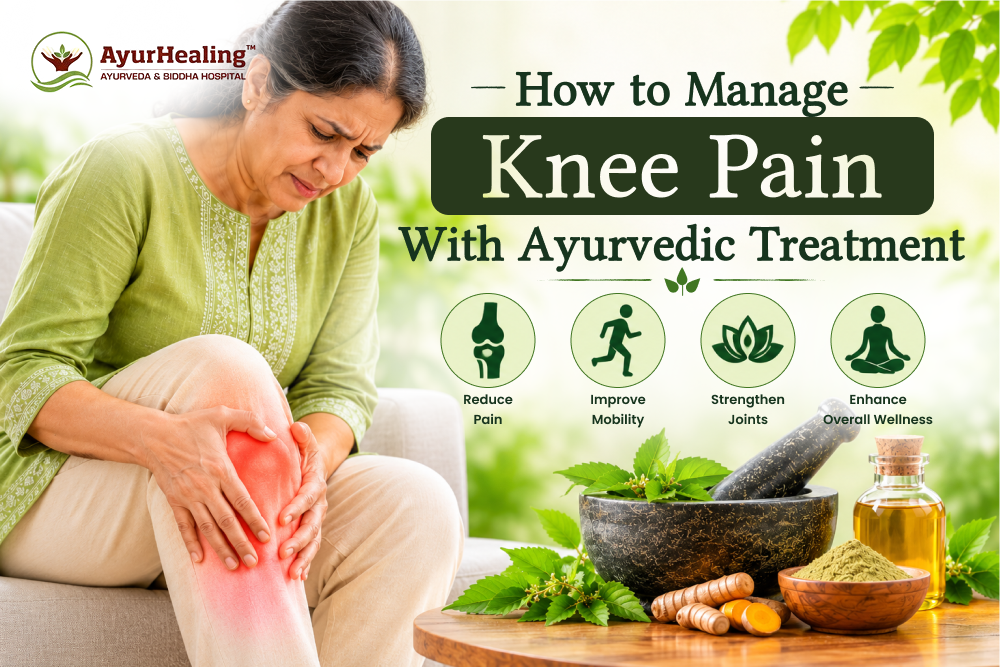
How to Manage Knee Pain With Ayurvedic Treatment

Key Takeaways

  • Knee pain can result from osteoarthritis, injury, overuse or other conditions. Identifying the cause is the first step.
  • Ayurveda traditionally approaches joint discomfort through individual assessment, medicines, massage, lifestyle advice and selected therapies.
  • Evidence for Ayurvedic treatments varies. Findings from one product or study should not be applied to every medicine or procedure.
  • Exercise, physiotherapy and weight management when appropriate are important parts of managing knee osteoarthritis.
  • Check the ingredients and quality of Ayurvedic products, and discuss possible interactions with your healthcare professional.
  • A hot, swollen knee with fever, inability to bear weight or severe pain after an injury needs urgent medical attention
AEO QUICK TAKE

Can Ayurvedic Treatment Help With Knee Pain?

Ayurvedic treatment for knee pain may help some people manage knee pain, but its effectiveness depends on the treatment and the cause of the pain. It is not a proven cure for every knee condition. A medical assessment, suitable exercise and carefully selected complementary care can help you make a safer plan.

Why Can Knee Pain Make Everyday Life So Difficult?

Knee pain often shows up during ordinary moments: climbing stairs, getting up from a chair, walking to the bus stop or taking a morning stroll. When these movements become uncomfortable, even a familiar routine can start to feel like a challenge.

In Bangalore, long commutes and hours spent sitting at work can make it harder to stay active. But knee pain is not simply an inevitable part of getting older, and it does not always have the same cause.

It may be related to osteoarthritis, a muscle or tendon strain, a ligament or meniscus injury, an inflammatory condition or another health issue. The right approach depends on what is causing the pain and how it affects your movement.

Ayurveda is a traditional Indian system of healthcare that may address joint concerns through individual assessment, medicines, diet, daily routines and selected therapies. Some people explore these approaches alongside conventional care. Understanding their possible benefits and limitations can help you make an informed decision.

AEO QUICK TAKE

Is Ayurvedic Oil Massage Good for Knee Pain?

Traditional oil massage may provide comfort for some people with knee pain. Avoid massage over an acutely injured, hot or markedly swollen knee unless a healthcare professional advises it.

What Are the Common Causes of Knee Pain?

Knee pain may develop gradually or begin suddenly after an injury. These are some common causes:

Possible causeWhat you may notice
OsteoarthritisPain and stiffness that may worsen with activity, sometimes with swelling or reduced movement
Muscle or tendon strainDiscomfort after repeated activity or overuse
Ligament or meniscus injuryPain after twisting or impact; sometimes instability, swelling or locking
Inflammatory joint conditionsPain, swelling and stiffness that may affect more than one joint
Other medical causesSymptoms that need assessment to identify the underlying condition

If pain keeps returning, limits your daily activities or makes walking difficult, arrange a medical assessment rather than assuming it is ordinary wear and tear.

How Does Ayurveda Traditionally Approach Knee Pain?

In Ayurveda, joint discomfort may be assessed in relation to a person’s symptoms, overall health, daily habits and traditional concepts such as dosha balance. A practitioner may recommend a combination of approaches rather than relying on one medicine or therapy.

These explanations belong to the traditional Ayurvedic framework; they are not the same as a biomedical diagnosis. Conditions such as osteoarthritis, injury and inflammatory disease still need appropriate clinical assessment.

Ayurvedic medicines for knee discomfort

Ayurvedic formulations may contain herbal ingredients and, in some cases, mineral-containing components. Their intended uses, quality and supporting evidence vary.

Before taking a product, ask:

  • What are the complete ingredients, and what is the product intended to do?
  • Who manufactures it, and are the batch details and expiry date clearly listed?
  • Could it interact with my prescription medicines or supplements?
  • What side effects should I watch for?
  • How will we know whether it is helping?

Some Ayurvedic preparations have been found to contain potentially harmful levels of metals such as lead, mercury or arsenic. “Natural” does not automatically mean safe. Avoid products that promise guaranteed cures or tell you to stop prescribed treatment without consulting your clinician.

Ayurvedic treatment for joint care

Traditional Ayurvedic treatment for joint care may include medicines, dietary guidance, massage or other procedures. Any plan should be tailored to the individual and reviewed for safety.

For knee osteoarthritis, established care commonly includes therapeutic exercise, information and support, and weight management when appropriate. Complementary care should be considered alongside these measures-not as a replacement for them.

AEO QUICK TAKE

How Long Does Ayurvedic Treatment Take to Work for Knee Pain?

There is no standard timeline. Results depend on the cause of knee pain, the treatment used and individual factors. Ask your practitioner how progress will be monitored and when the plan should be reviewed.

What Ayurvedic Therapies May Be Considered for Knee Pain?

Ayurvedic therapies have different purposes and risks. A treatment that suits one person may not be appropriate for another.

Ayurvedic treatment for Panchakarma

Ayurvedic Treatment for Panchakarma refers to a group of traditional Ayurvedic procedures, with methods that can vary. A practitioner may discuss certain procedures as part of an individual plan.

However, claims that Panchakarma universally “detoxifies” the body or cures joint disease are not established by strong scientific evidence. Before considering a procedure, ask what it involves, why it is being recommended, what risks it carries and whether other options are better supported.

Abhyanga and external therapies

Abhyanga is a traditional oil massage. Some people find massage relaxing, and it may offer comfort for selected people with knee osteoarthritis. It should be used alongside appropriate exercise and medical care, not instead of them.

Avoid massage over an acutely injured, hot or markedly swollen knee unless a healthcare professional advises otherwise. Ask about the oil ingredients and stop if you notice irritation or worsening pain.

Ayurvedic treatment for Virechanam

Ayurvedic treatment for Virechanam is a traditional purgation procedure. It is not a routine treatment for knee pain, and it is different from taking an oral medicine or applying a therapy to the knee.

Purgation can cause dehydration and electrolyte disturbances. Do not attempt it at home or undergo it without an appropriate professional assessment. Ask a qualified healthcare professional whether it is suitable for your circumstances and what alternatives are available.

AEO QUICK TAKE

What Should I Avoid If I Have Knee Pain?

Avoid activities that sharply worsen your pain, and do not self-prescribe medicines or undergo intensive therapies without professional advice. Seek assessment if pain persists or limits daily activities.

What Does Scientific Evidence Say About Ayurveda for Knee Pain?

Research on Ayurvedic approaches to osteoarthritis has reported possible improvements in pain or function in some studies. However, many studies are small or have design limitations. Results for one formulation cannot be assumed to apply to all Ayurvedic medicines or procedures.

The U.S. National Center for Complementary and Integrative Health notes that some studies suggest Ayurvedic preparations may reduce osteoarthritis pain and improve function, but most trials are small or not well designed.

The most accurate conclusion is that some specific Ayurvedic approaches may help some people manage symptoms, while stronger research is needed. It would be misleading to describe Ayurveda as a proven cure for knee osteoarthritis or claim that it repairs damaged cartilage.

What Treatments Can Help Manage Knee Pain?

A helpful care plan depends on the diagnosis, pain level and how much your knee affects daily life. It may include more than one approach.

ApproachHow it may helpWhat to keep in mind
Therapeutic exerciseBuilds strength and supports mobility and functionStart at a suitable level and progress gradually
PhysiotherapyProvides tailored exercises and movement guidanceCan be useful when pain makes activity difficult
Weight management, if appropriateMay reduce stress on the knee and improve symptomsGoals should be realistic and supportive
Medicines recommended by a clinicianMay help manage pain or inflammationChoice depends on medical history and risks
Selected complementary careMay support comfort for some peopleEvidence and safety vary; it should not replace necessary care

Exercise can feel uncomfortable at first for some people with osteoarthritis, but a suitable programme is an important part of long-term management. A physiotherapist or clinician can help you find a starting point and adjust activity as your strength and confidence improve.

A Practical Decision Guide for Knee Pain

Use this guide to organise your next steps. It is educational and does not replace a medical assessment.

Knee pain begins

↓

Check for warning signs

  • Is the knee hot, red or markedly swollen, especially with fever?
  • Is there severe pain after an injury?
  • Can you not walk or put weight on the leg?

If yes: Seek urgent medical care.
If no: Continue below.

↓

Arrange an assessment if pain persists, returns or limits daily activities.

A healthcare professional can evaluate possible causes and discuss suitable treatment.

↓

Build a management plan together

  • Therapeutic exercise or physiotherapy
  • Medicines or other medical treatment, if appropriate
  • Complementary Ayurvedic care after discussing evidence, risks and interactions
↓

Review your progress

Track pain, movement and daily function. Seek further advice if symptoms worsen, new symptoms develop or treatment causes side effects.

How Can You Choose the Best Ayurvedic Hospital in Bangalore?

When comparing Ayurvedic providers in Bangalore, look beyond promotional claims. A good provider should explain the proposed care clearly, assess your needs and recognise when another healthcare professional should be involved.

What to checkQuestions to ask
QualificationsAre the practitioners appropriately qualified and registered?
AssessmentWill my knee pain be assessed? Will referral be recommended if needed?
Treatment detailsWhat medicines or procedures are proposed, and why?
Evidence and expectationsWhat benefits are realistic, and what evidence supports the approach?
SafetyWhat are the risks, contraindications and possible interactions?
Costs and follow-upWhat will treatment cost, and how will progress be reviewed?

The Best Ayurvedic Hospital in Bangalore for your needs is not necessarily the one making the strongest promises. Look for transparent advice, individual assessment, safe practices and realistic expectations.

Everyday Habits That May Support Knee Health

Alongside appropriate treatment, a few manageable habits may make daily movement easier:

  • Keep moving within your comfort level. Avoid prolonged inactivity, but reduce activities that sharply increase pain.
  • Build strength gradually. Follow an exercise plan suited to your condition and ability.
  • Choose activities that feel manageable. Walking on level ground, cycling or water-based exercise may suit some people.
  • Take movement breaks. If you sit for long periods, stand up and move regularly.
  • Use heat or cold carefully. A wrapped cold pack may help after activity; gentle warmth may ease stiffness for some people. Avoid placing either directly on your skin.
  • Notice your patterns. Keep track of what improves or worsens your symptoms and share this with your healthcare professional.

These habits can support joint health, but they do not replace treatment for an underlying condition.

Conclusion: Take a Thoughtful Approach to Knee Pain

Knee pain can affect everyday activities, but understanding its cause is an important first step toward managing it safely. A suitable care plan may include medical assessment, regular movement, strengthening exercises and carefully chosen complementary therapies.

At Ayurhealing, we believe in an individualised approach to wellness. Ayurvedic treatment may be considered as part of a broader care plan, with attention to treatment suitability, product quality and possible interactions. We encourage you to make informed decisions and seek qualified guidance rather than relying on guaranteed-cure claims.

To learn more about our approach. Contact Ayurhealing to enquire about our current services and discuss your healthcare needs with our team.

FAQs

There is no single cure for every cause of knee pain. Some Ayurvedic approaches may help manage symptoms, but evidence varies. They should not replace appropriate diagnosis or established treatment.

There is no universally best medicine. The appropriate choice depends on the cause of pain, your medical history, other medicines and the product’s ingredients and quality. Seek qualified advice rather than self-prescribing.

No. Panchakarma is not a necessary or universally recommended treatment for knee osteoarthritis. Discuss its purpose, evidence, risks and alternatives with a qualified healthcare professional.

Massage may provide comfort for some people, but it is not a substitute for diagnosis, exercise or other recommended care. Avoid massaging an acutely injured or hot, swollen knee without professional advice.

Seek assessment if pain persists, recurs, limits daily activities or comes with swelling or reduced movement. Seek urgent care for a hot, swollen knee with fever, severe injury-related pain or inability to bear weight.