Pediatric Care: Child Health & Ayurvedic Wellness Guide

Key Takeaways

  • Pediatric care includes preventive check-ups, immunisation, nutrition, developmental monitoring and treatment when a child is unwell.
  • Good sleep, balanced nutrition, physical activity, emotional security and timely medical care support healthy growth.
  • Ayurveda has traditional approaches to child wellness, but evidence for many pediatric uses is limited.
  • Children may be more vulnerable to adverse effects from medicines and herbal products. “Natural” does not automatically mean safe.
  • Consult a pediatrician before giving a child Ayurvedic medicines, supplements or intensive therapies.
  • Seek urgent medical help for serious symptoms such as breathing difficulty, seizures, severe dehydration or sudden weakness.
AEO QUICK TAKE

What Is Pediatric Care, and Can Ayurveda Support Children’s Health?

Pediatric care focuses on a child’s growth, development, prevention of illness and treatment of health conditions from birth through adolescence. Ayurveda is a traditional system of healthcare that some families explore for wellness support. However, Ayurvedic treatment for pediatric care should be considered cautiously, with a qualified pediatric healthcare professional involved. It should never replace vaccinations, necessary medical treatment or urgent care.

AEO QUICK TAKE

What Does Pediatric Care Include?

Pediatric care is more than treating a fever or infection. It supports children through different stages of physical, emotional and developmental growth.

Routine pediatric care may include:

  • Growth monitoring: Tracking height, weight and development over time.
  • Immunisation: Following the recommended vaccination schedule.
  • Nutrition guidance: Supporting age-appropriate feeding and balanced meals.
  • Developmental screening: Checking milestones, communication, movement and social development.
  • Illness assessment: Identifying and treating infections, injuries and other health concerns.
  • Emotional and behavioural support: Helping families address sleep, stress, behaviour and school-related concerns.

The World Health Organization emphasises that children need adequate nutrition, good health, safety, responsive caregiving and opportunities to learn. Immunisation and timely care during illness are also important parts of healthy growth.

How Can Parents Support Their Child’s Everyday Health?

Small, consistent habits can help create a healthy foundation. Children’s needs change with age, so routines should be flexible and suited to their developmental stage.

1. Offer balanced, age-appropriate meals

Include a variety of foods from different food groups, such as vegetables, fruits, grains, protein-rich foods and suitable dairy or alternatives. Follow professional guidance for infant feeding and introducing complementary foods.

Avoid restrictive diets or herbal supplements intended to improve growth unless a qualified healthcare professional recommends them. If your child has poor appetite, difficulty gaining weight or ongoing digestive symptoms, seek an assessment rather than relying on home remedies.

2. Build a steady sleep routine

Regular sleep supports learning, mood and physical health. Keep bedtime routines predictable and adjust sleep expectations to your child’s age. If persistent snoring, breathing pauses or severe sleep difficulties occur, discuss them with a pediatrician.

3. Encourage movement and play

Play supports coordination, strength, social skills and confidence. Encourage age-appropriate movement and outdoor play while ensuring safe supervision. Children with pain, mobility difficulties or medical conditions may need an individually adapted activity plan.

4. Support emotional well-being

Children benefit from feeling safe, heard and supported. Make time to talk, listen without dismissing concerns and maintain routines where possible. Persistent anxiety, withdrawal, behavioural changes or difficulties at school may warrant professional guidance.

EVERYDAY CHILD WELLNESS

Healthy meals and hydration
Consistent sleep routines
Active play and movement
Emotional connection and support

WHEN EXTRA SUPPORT
IS NEEDED

Changes in growth or development
Persistent symptoms or concerns
Pediatrician assessment and guidance
Follow-up and care plan review

AEO QUICK TAKE

What Is the Role of Ayurveda in Pediatric Care?

Ayurveda is a traditional Indian healthcare system that considers diet, daily routines, individual constitution and selected therapies. Some families explore Ayurvedic approaches for general wellness or alongside conventional care.

However, traditional use does not establish that a treatment is safe or effective for children. Scientific evidence for many Ayurvedic pediatric interventions is limited, and a child’s age, weight, health conditions and other medicines can affect treatment safety.

Ayurvedic treatment for pediatric care: What should parents know?

Before considering any Ayurvedic product or procedure for a child, discuss it with the child’s pediatrician. If you consult an Ayurvedic practitioner, verify their qualifications and ask whether they have specific experience working with children.

Ask these questions before starting:

  • What is the exact purpose of the proposed treatment?
  • What ingredients, dose and duration are recommended?
  • Is there reliable evidence for this use in children of my child’s age?
  • What side effects or interactions are possible?
  • How will we monitor whether it is helping?
  • Could it delay a treatment that is known to be effective?

The American Academy of Pediatrics advises families to involve their child’s pediatrician when considering complementary therapies, so potential benefits, risks and interactions can be assessed.

Are Ayurvedic medicines safe for children?

Not automatically. Some Ayurvedic preparations may contain lead, mercury or arsenic in potentially harmful amounts. Product quality and ingredients can vary, and children may be especially vulnerable to toxic exposures.

Do not give children adult formulations, products with unclear ingredients or medicines recommended through unverified online claims. Keep all medicines and supplements out of children’s reach.

What About Panchakarma and Other Ayurvedic Therapies for Children?

Panchakarma is a group of traditional Ayurvedic procedures. Methods may include procedures involving cleansing or other intensive interventions. These are not routine pediatric wellness practices, and their safety and usefulness for children are not established for many conditions.

Ayurvedic treatment for Panchakarma should not be assumed suitable for children. Do not attempt purgation, enemas, fasting or other intensive procedures at home. Discuss any proposed therapy with the child’s pediatrician and a qualified practitioner, including the potential risks and alternatives.

Gentle routines, balanced meals, adequate sleep and age-appropriate activity are generally more practical foundations for everyday wellness than intensive cleansing procedures.

When Should a Child See a Pediatrician?

Parents should seek professional advice when symptoms persist, recur, interfere with daily life or raise concerns about growth or development.

ConcernWhat parents can do
Persistent fever, cough or painContact a pediatrician for assessment, especially if symptoms worsen
Poor appetite or growth concernsArrange a growth and nutrition review
Repeated vomiting or diarrheaSeek advice about hydration and the cause
Developmental or learning concernsDiscuss milestones and possible screening
Ongoing joint, back or movement problemsArrange assessment before trying therapies or exercises
Sudden severe symptomsSeek urgent or emergency medical care

What symptoms need urgent medical attention?

Seek emergency care if a child has difficulty breathing, becomes unusually difficult to wake, has a seizure, shows signs of severe dehydration, develops sudden weakness or has another rapidly worsening or life-threatening symptom.

For suspected strokes-such as sudden facial drooping, weakness on one side, difficulty speaking, sudden loss of balance or a sudden severe headache-call emergency services immediately. Do not delay emergency assessment to try Ayurvedic treatment.

A Parent’s Decision Guide to Child Health and Wellness

Use this simple structure to decide what kind of support may be appropriate. It is educational and does not replace medical advice.

Notice a health or wellness concern

↓

Is there an emergency warning sign?

  • Yes: Seek emergency medical care immediately.
  • No: Continue below.
↓

Is the concern persistent, recurring or affecting growth, sleep, eating, movement or daily activities?

  • Yes: Arrange a pediatric assessment.
  • No: Monitor symptoms and maintain supportive daily routines.
↓

Considering complementary or Ayurvedic care?

  • Discuss it with the pediatrician first.
  • Verify the practitioner’s qualifications and child-specific experience.
  • Review ingredients, evidence, risks and interactions.
  • Do not stop or delay prescribed treatment.
↓

Follow up and reassess

Track symptoms and development, and seek further advice if the child worsens or the plan is not helping.

How Do Related Health Concerns Fit Into Pediatric Care?

Children’s symptoms should be assessed according to their age, development and individual medical history. Adult treatment approaches should not simply be transferred to children.

  • Spine health: Back pain, posture concerns or movement difficulties in children deserve appropriate assessment. Ayurvedic treatment for spine health should not replace evaluation for injury, infection, neurological symptoms or other underlying causes.
  • Joint care: Persistent joint pain, swelling, stiffness or limping should be assessed by a pediatric healthcare professional. Ayurvedic treatment for joint care should only be considered after discussing the diagnosis and safety.
  • Digestive concerns: Ongoing constipation, abdominal pain, vomiting or poor growth may require medical evaluation. Gut health care treatment should be based on the child’s symptoms and diagnosis, not on unsupported “detox” claims.
  • Stroke: Pediatric stroke is a medical emergency. Ayurvedic treatment for stroke is not a substitute for emergency assessment, imaging or specialist-led treatment and rehabilitation.

How Can Families Choose a Healthcare Provider in Bangalore?

When choosing a provider for a child in Bangalore, prioritise child-specific experience, clear communication and coordination with conventional pediatric care.

What to checkQuestions to ask
QualificationsIs the practitioner appropriately qualified and registered?
Pediatric experienceDo they have experience assessing children of my child’s age?
AssessmentWill they review symptoms, medical history and current medicines?
Treatment rationaleWhat is being recommended, and what evidence supports it?
SafetyWhat are the risks, side effects and possible interactions?
CoordinationWill they work with the child’s pediatrician when needed?
Follow-upHow will progress be reviewed, and when should we seek further care?

The Best Ayurvedic Hospital in Bangalore for a family is not necessarily the one making the strongest promises. Look for transparent information, appropriate qualifications, realistic expectations and a willingness to involve the child’s pediatrician.

Conclusion: Supporting Children’s Health With Informed Care

Children thrive when they receive attentive care, nutritious food, adequate sleep, opportunities to play and timely medical support. Parents can build these foundations through everyday routines while staying alert to symptoms that need professional assessment.

Ayurveda is part of India’s traditional healthcare heritage, and some families may wish to explore it as complementary care. For children, however, safety and evidence must come first. Discuss medicines and procedures with your child’s pediatrician, avoid unverified products and never delay necessary treatment.

At Ayurhealing, we encourage families to make informed decisions and confirm the suitability of any service before proceeding. Contact Ayurhealing to enquire about current services and discuss your questions with the team.
FAQs

It refers to traditional Ayurvedic approaches that may be considered for children’s wellness or health concerns. Safety and evidence vary, so parents should consult the child’s pediatrician before using medicines or therapies.

There is insufficient evidence to claim that Ayurvedic products reliably boost children’s immunity. Vaccination, adequate nutrition, sleep and routine preventive care are important foundations of child health.

Panchakarma procedures are not routine pediatric care, and safety and effectiveness are not established for many uses in children. Do not attempt intensive procedures without specialist assessment.

Do not self-prescribe. Persistent digestive symptoms may have several causes, and some products may contain harmful ingredients or interact with medicines. Ask a pediatrician before giving any preparation.

Seek urgent care for breathing difficulty, seizures, unusual difficulty waking, severe dehydration, sudden weakness or other severe or rapidly worsening symptoms.

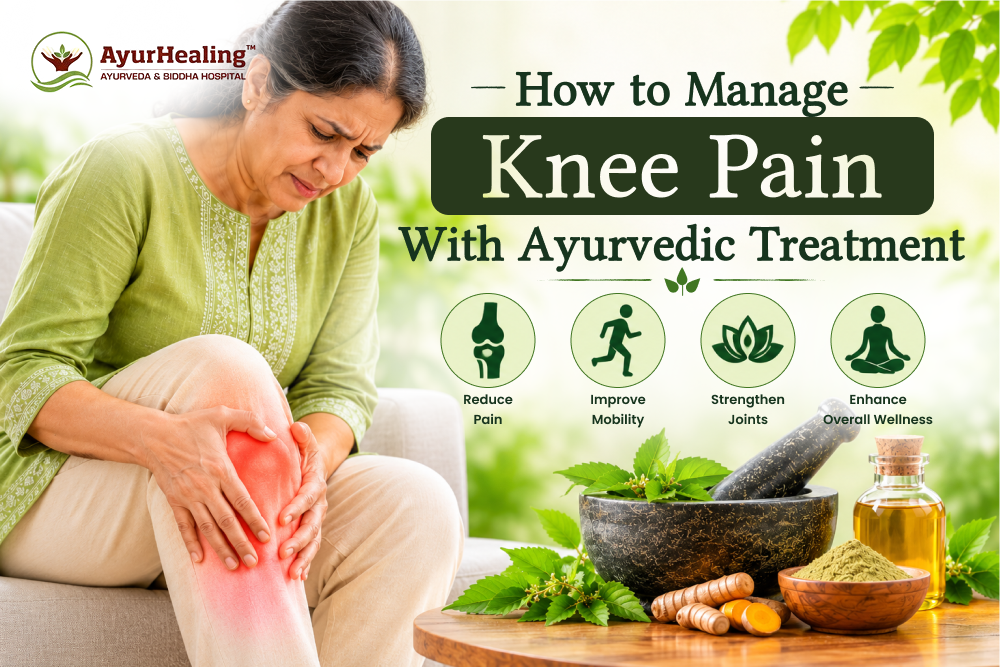
How to Manage Knee Pain With Ayurvedic Treatment

Key Takeaways

  • Knee pain can result from osteoarthritis, injury, overuse or other conditions. Identifying the cause is the first step.
  • Ayurveda traditionally approaches joint discomfort through individual assessment, medicines, massage, lifestyle advice and selected therapies.
  • Evidence for Ayurvedic treatments varies. Findings from one product or study should not be applied to every medicine or procedure.
  • Exercise, physiotherapy and weight management when appropriate are important parts of managing knee osteoarthritis.
  • Check the ingredients and quality of Ayurvedic products, and discuss possible interactions with your healthcare professional.
  • A hot, swollen knee with fever, inability to bear weight or severe pain after an injury needs urgent medical attention
AEO QUICK TAKE

Can Ayurvedic Treatment Help With Knee Pain?

Ayurvedic treatment for knee pain may help some people manage knee pain, but its effectiveness depends on the treatment and the cause of the pain. It is not a proven cure for every knee condition. A medical assessment, suitable exercise and carefully selected complementary care can help you make a safer plan.

Why Can Knee Pain Make Everyday Life So Difficult?

Knee pain often shows up during ordinary moments: climbing stairs, getting up from a chair, walking to the bus stop or taking a morning stroll. When these movements become uncomfortable, even a familiar routine can start to feel like a challenge.

In Bangalore, long commutes and hours spent sitting at work can make it harder to stay active. But knee pain is not simply an inevitable part of getting older, and it does not always have the same cause.

It may be related to osteoarthritis, a muscle or tendon strain, a ligament or meniscus injury, an inflammatory condition or another health issue. The right approach depends on what is causing the pain and how it affects your movement.

Ayurveda is a traditional Indian system of healthcare that may address joint concerns through individual assessment, medicines, diet, daily routines and selected therapies. Some people explore these approaches alongside conventional care. Understanding their possible benefits and limitations can help you make an informed decision.

AEO QUICK TAKE

Is Ayurvedic Oil Massage Good for Knee Pain?

Traditional oil massage may provide comfort for some people with knee pain. Avoid massage over an acutely injured, hot or markedly swollen knee unless a healthcare professional advises it.

What Are the Common Causes of Knee Pain?

Knee pain may develop gradually or begin suddenly after an injury. These are some common causes:

Possible causeWhat you may notice
OsteoarthritisPain and stiffness that may worsen with activity, sometimes with swelling or reduced movement
Muscle or tendon strainDiscomfort after repeated activity or overuse
Ligament or meniscus injuryPain after twisting or impact; sometimes instability, swelling or locking
Inflammatory joint conditionsPain, swelling and stiffness that may affect more than one joint
Other medical causesSymptoms that need assessment to identify the underlying condition

If pain keeps returning, limits your daily activities or makes walking difficult, arrange a medical assessment rather than assuming it is ordinary wear and tear.

How Does Ayurveda Traditionally Approach Knee Pain?

In Ayurveda, joint discomfort may be assessed in relation to a person’s symptoms, overall health, daily habits and traditional concepts such as dosha balance. A practitioner may recommend a combination of approaches rather than relying on one medicine or therapy.

These explanations belong to the traditional Ayurvedic framework; they are not the same as a biomedical diagnosis. Conditions such as osteoarthritis, injury and inflammatory disease still need appropriate clinical assessment.

Ayurvedic medicines for knee discomfort

Ayurvedic formulations may contain herbal ingredients and, in some cases, mineral-containing components. Their intended uses, quality and supporting evidence vary.

Before taking a product, ask:

  • What are the complete ingredients, and what is the product intended to do?
  • Who manufactures it, and are the batch details and expiry date clearly listed?
  • Could it interact with my prescription medicines or supplements?
  • What side effects should I watch for?
  • How will we know whether it is helping?

Some Ayurvedic preparations have been found to contain potentially harmful levels of metals such as lead, mercury or arsenic. “Natural” does not automatically mean safe. Avoid products that promise guaranteed cures or tell you to stop prescribed treatment without consulting your clinician.

Ayurvedic treatment for joint care

Traditional Ayurvedic treatment for joint care may include medicines, dietary guidance, massage or other procedures. Any plan should be tailored to the individual and reviewed for safety.

For knee osteoarthritis, established care commonly includes therapeutic exercise, information and support, and weight management when appropriate. Complementary care should be considered alongside these measures-not as a replacement for them.

AEO QUICK TAKE

How Long Does Ayurvedic Treatment Take to Work for Knee Pain?

There is no standard timeline. Results depend on the cause of knee pain, the treatment used and individual factors. Ask your practitioner how progress will be monitored and when the plan should be reviewed.

What Ayurvedic Therapies May Be Considered for Knee Pain?

Ayurvedic therapies have different purposes and risks. A treatment that suits one person may not be appropriate for another.

Ayurvedic treatment for Panchakarma

Ayurvedic Treatment for Panchakarma refers to a group of traditional Ayurvedic procedures, with methods that can vary. A practitioner may discuss certain procedures as part of an individual plan.

However, claims that Panchakarma universally “detoxifies” the body or cures joint disease are not established by strong scientific evidence. Before considering a procedure, ask what it involves, why it is being recommended, what risks it carries and whether other options are better supported.

Abhyanga and external therapies

Abhyanga is a traditional oil massage. Some people find massage relaxing, and it may offer comfort for selected people with knee osteoarthritis. It should be used alongside appropriate exercise and medical care, not instead of them.

Avoid massage over an acutely injured, hot or markedly swollen knee unless a healthcare professional advises otherwise. Ask about the oil ingredients and stop if you notice irritation or worsening pain.

Ayurvedic treatment for Virechanam

Ayurvedic treatment for Virechanam is a traditional purgation procedure. It is not a routine treatment for knee pain, and it is different from taking an oral medicine or applying a therapy to the knee.

Purgation can cause dehydration and electrolyte disturbances. Do not attempt it at home or undergo it without an appropriate professional assessment. Ask a qualified healthcare professional whether it is suitable for your circumstances and what alternatives are available.

AEO QUICK TAKE

What Should I Avoid If I Have Knee Pain?

Avoid activities that sharply worsen your pain, and do not self-prescribe medicines or undergo intensive therapies without professional advice. Seek assessment if pain persists or limits daily activities.

What Does Scientific Evidence Say About Ayurveda for Knee Pain?

Research on Ayurvedic approaches to osteoarthritis has reported possible improvements in pain or function in some studies. However, many studies are small or have design limitations. Results for one formulation cannot be assumed to apply to all Ayurvedic medicines or procedures.

The U.S. National Center for Complementary and Integrative Health notes that some studies suggest Ayurvedic preparations may reduce osteoarthritis pain and improve function, but most trials are small or not well designed.

The most accurate conclusion is that some specific Ayurvedic approaches may help some people manage symptoms, while stronger research is needed. It would be misleading to describe Ayurveda as a proven cure for knee osteoarthritis or claim that it repairs damaged cartilage.

What Treatments Can Help Manage Knee Pain?

A helpful care plan depends on the diagnosis, pain level and how much your knee affects daily life. It may include more than one approach.

ApproachHow it may helpWhat to keep in mind
Therapeutic exerciseBuilds strength and supports mobility and functionStart at a suitable level and progress gradually
PhysiotherapyProvides tailored exercises and movement guidanceCan be useful when pain makes activity difficult
Weight management, if appropriateMay reduce stress on the knee and improve symptomsGoals should be realistic and supportive
Medicines recommended by a clinicianMay help manage pain or inflammationChoice depends on medical history and risks
Selected complementary careMay support comfort for some peopleEvidence and safety vary; it should not replace necessary care

Exercise can feel uncomfortable at first for some people with osteoarthritis, but a suitable programme is an important part of long-term management. A physiotherapist or clinician can help you find a starting point and adjust activity as your strength and confidence improve.

A Practical Decision Guide for Knee Pain

Use this guide to organise your next steps. It is educational and does not replace a medical assessment.

Knee pain begins

↓

Check for warning signs

  • Is the knee hot, red or markedly swollen, especially with fever?
  • Is there severe pain after an injury?
  • Can you not walk or put weight on the leg?

If yes: Seek urgent medical care.
If no: Continue below.

↓

Arrange an assessment if pain persists, returns or limits daily activities.

A healthcare professional can evaluate possible causes and discuss suitable treatment.

↓

Build a management plan together

  • Therapeutic exercise or physiotherapy
  • Medicines or other medical treatment, if appropriate
  • Complementary Ayurvedic care after discussing evidence, risks and interactions
↓

Review your progress

Track pain, movement and daily function. Seek further advice if symptoms worsen, new symptoms develop or treatment causes side effects.

How Can You Choose the Best Ayurvedic Hospital in Bangalore?

When comparing Ayurvedic providers in Bangalore, look beyond promotional claims. A good provider should explain the proposed care clearly, assess your needs and recognise when another healthcare professional should be involved.

What to checkQuestions to ask
QualificationsAre the practitioners appropriately qualified and registered?
AssessmentWill my knee pain be assessed? Will referral be recommended if needed?
Treatment detailsWhat medicines or procedures are proposed, and why?
Evidence and expectationsWhat benefits are realistic, and what evidence supports the approach?
SafetyWhat are the risks, contraindications and possible interactions?
Costs and follow-upWhat will treatment cost, and how will progress be reviewed?

The Best Ayurvedic Hospital in Bangalore for your needs is not necessarily the one making the strongest promises. Look for transparent advice, individual assessment, safe practices and realistic expectations.

Everyday Habits That May Support Knee Health

Alongside appropriate treatment, a few manageable habits may make daily movement easier:

  • Keep moving within your comfort level. Avoid prolonged inactivity, but reduce activities that sharply increase pain.
  • Build strength gradually. Follow an exercise plan suited to your condition and ability.
  • Choose activities that feel manageable. Walking on level ground, cycling or water-based exercise may suit some people.
  • Take movement breaks. If you sit for long periods, stand up and move regularly.
  • Use heat or cold carefully. A wrapped cold pack may help after activity; gentle warmth may ease stiffness for some people. Avoid placing either directly on your skin.
  • Notice your patterns. Keep track of what improves or worsens your symptoms and share this with your healthcare professional.

These habits can support joint health, but they do not replace treatment for an underlying condition.

Conclusion: Take a Thoughtful Approach to Knee Pain

Knee pain can affect everyday activities, but understanding its cause is an important first step toward managing it safely. A suitable care plan may include medical assessment, regular movement, strengthening exercises and carefully chosen complementary therapies.

At Ayurhealing, we believe in an individualised approach to wellness. Ayurvedic treatment may be considered as part of a broader care plan, with attention to treatment suitability, product quality and possible interactions. We encourage you to make informed decisions and seek qualified guidance rather than relying on guaranteed-cure claims.

To learn more about our approach. Contact Ayurhealing to enquire about our current services and discuss your healthcare needs with our team.

FAQs

There is no single cure for every cause of knee pain. Some Ayurvedic approaches may help manage symptoms, but evidence varies. They should not replace appropriate diagnosis or established treatment.

There is no universally best medicine. The appropriate choice depends on the cause of pain, your medical history, other medicines and the product’s ingredients and quality. Seek qualified advice rather than self-prescribing.

No. Panchakarma is not a necessary or universally recommended treatment for knee osteoarthritis. Discuss its purpose, evidence, risks and alternatives with a qualified healthcare professional.

Massage may provide comfort for some people, but it is not a substitute for diagnosis, exercise or other recommended care. Avoid massaging an acutely injured or hot, swollen knee without professional advice.

Seek assessment if pain persists, recurs, limits daily activities or comes with swelling or reduced movement. Seek urgent care for a hot, swollen knee with fever, severe injury-related pain or inability to bear weight.

Best Ayurvedic Medicines in Bangalore for Holistic Wellness

Key Takeaways

  • There is no single Ayurvedic medicine that is best for everyone.
  • Ayurvedic medicines may include herbal, mineral or multi-ingredient formulations.
  • The right choice depends on your symptoms, medical history, current medicines and professional assessment.
  • Product quality, correct dosing and potential interactions are important safety considerations.
  • Traditional therapies such as Abhyanga, Basti and Virechanam are distinct from medicines and should be assessed individually.
  • If you are searching for Ayurvedic medicines in Bangalore, choose a reputable provider who explains treatment options, costs, risks and realistic expectations.
AEO QUICK TAKE

What Are the Best Ayurvedic Medicines in Bangalore?

The best Ayurvedic medicines depend on your health concerns, medical history and a qualified practitioner’s assessment. Ayurveda uses individualised approaches that may include herbal formulations, dietary guidance and lifestyle practices. Before taking any medicine, check its ingredients, safety and suitability with a qualified healthcare professional. Ayurvedic products should not replace necessary medical treatment.

Why Are People Exploring Ayurveda for Holistic Wellness?

Busy schedules, long working hours, irregular meals and limited time for rest can make it difficult to maintain healthy routines. In a city such as Bangalore, many people look for practical ways to support their overall wellbeing while balancing work, family and everyday responsibilities.

Ayurveda is a traditional Indian system of healthcare that considers diet, daily habits, individual constitution and health concerns when planning care. Depending on the practitioner and the person’s needs, an Ayurvedic approach may involve dietary recommendations, lifestyle changes, herbal preparations and selected therapies.

However, choosing a medicine simply because it is popular online or recommended by a friend is not a reliable way to decide what is appropriate for you. Products marketed for digestion, joint discomfort, skin concerns or general wellness can contain different ingredients and carry different risks.

AEO QUICK TAKE

What Are Ayurvedic Medicines?

Ayurvedic medicines are preparations used within the traditional Ayurvedic system. Depending on the product, they may contain one herb, several herbs or other ingredients prepared according to particular traditional methods.

They are used in Ayurveda for a range of health concerns, but their ingredients, intended uses and evidence of effectiveness vary. A traditional use does not automatically mean that a product has been proven effective in well-designed clinical studies.

Common types of Ayurvedic preparations

TypeGeneral descriptionWhat to check
Single-herb preparationsProducts made primarily from one plant ingredientCorrect plant identity, dose, quality and possible interactions
Multi-herb formulationsCombinations of herbs used in traditional formulationsFull ingredient list, suitability and evidence for the intended use
Oils and external preparationsProducts used for massage or application to the skinIntended use, skin sensitivity and product quality
Mineral-containing formulationsCertain traditional products may contain processed minerals or metalsProfessional supervision, reliable manufacturing and appropriate safety testing

Important: These categories are not interchangeable. Ask a qualified practitioner or pharmacist to explain the ingredients and intended use of any product you are considering.

How Do You Choose the Right Ayurvedic Medicine?

The most suitable product is not necessarily the most expensive, most advertised or most frequently recommended one. It should be selected according to your individual circumstances.

1. Start with your health concern

Be clear about what you want to address. General wellness, recurring digestive symptoms and persistent joint pain are different concerns and may require different assessments. Symptoms that are new, severe, persistent or unexplained should be evaluated by an appropriate medical professional.

2. Share your medical history

Tell the practitioner about existing conditions, allergies, pregnancy or breastfeeding, previous treatments and every medicine or supplement you take. This information can help identify potential risks and interactions.

3. Ask about the ingredients

Request the complete ingredient list and ask why each ingredient is included. Check whether the product has clear labelling, batch information, expiry details and manufacturer information.

4. Understand the evidence and realistic expectations

Ask what is known about the product for your particular concern. Some traditional uses have been studied, while evidence for others is limited or uncertain. Be cautious of promises to cure multiple unrelated conditions or guarantee results within a fixed number of days.

5. Review the cost and follow-up plan

Before beginning treatment, understand the cost of consultations, medicines, therapies and follow-up visits. Ask how progress will be assessed and what you should do if symptoms worsen or you experience side effects.

What Should You Check Before Buying Ayurvedic Medicines in Bangalore?

Bangalore has many pharmacies, wellness retailers and healthcare providers. Availability alone, however, does not establish that a medicine is appropriate or effective for a particular person.

Use this checklist before making a purchase:

CheckWhy it matters
Product labelHelps you identify ingredients, directions, manufacturer and expiry date
Quality and authenticityReduces the risk of purchasing counterfeit, contaminated or poorly labelled products
Professional adviceHelps assess suitability, dosage and possible interactions
Claims on packagingUnsupported promises of guaranteed cures are a warning sign
Other medicinesSome Ayurvedic products may interact with prescription medicines or supplements
Follow-upPersistent symptoms may require further investigation or a change in care

Do not assume that a product is safe simply because it is labelled natural or Ayurvedic. Some products have been found to contain harmful levels of heavy metals or other contaminants. Product quality and testing therefore matter.

For ongoing health conditions, speak with your doctor before adding an Ayurvedic product to your existing treatment plan. Do not stop prescribed medication without medical advice.

Can Ayurvedic Therapies Be Part of a Holistic Wellness Plan?

Ayurvedic care may involve more than medicines. Depending on individual assessment, a practitioner may discuss dietary habits, daily routines, massage or other traditional procedures. These approaches should be understood separately from oral medicines, and each has its own suitability and safety considerations.

♡

HOLISTIC WELLNESS

An individualised approach to health and wellbeing

↓

♧

Ayurvedic Medicines

Professional guidance on formulations, ingredients and safety

⚒

Diet & Nutrition

Balanced meals and suitable dietary habits

♨

Traditional Therapies

Consider Abhyanga or other procedures only when appropriate

☀

Daily Lifestyle

Sleep, physical activity and stress management

↓

☑

Professional Review & Safety Monitoring

Review suitability, possible interactions, progress and the need for medical care.

AEO QUICK TAKE

Ayurvedic Abhyanga Massage in Bangalore

Abhyanga is a traditional Ayurvedic oil massage. It is often associated with relaxation and wellbeing within Ayurvedic practice. If you are considering Ayurvedic Abhyanga Massage in Bangalore, ask about the oils used, the practitioner’s training, hygiene practices and whether massage is appropriate for your health.

Massage may not be suitable for every situation, including certain skin conditions, injuries or acute medical problems. It should not be presented as a proven cure for an underlying disease.

What Is Ayurvedic Treatment for Basti?

Ayurvedic Treatment for Basti is a traditional Ayurvedic procedure that generally involves administering a preparation through the rectal route. It is not the same as taking an oral Ayurvedic medicine, and it should not be attempted at home without appropriate professional assessment and supervision.

Ask the practitioner to explain the purpose, possible risks, preparation, hygiene measures and alternatives. The evidence for a specific use should be considered separately rather than assuming the procedure benefits every condition.

What Is Ayurvedic Treatment for Virechanam?

Virechanam, often described as a therapeutic purgation procedure in Ayurveda, is intended to induce bowel evacuation under traditional protocols. It can involve risks such as dehydration or electrolyte disturbances, particularly if performed inappropriately or in someone with certain health conditions.

It should only be considered after a qualified assessment. It is not a general detox requirement, and claims that it removes all toxins or cures chronic diseases should be treated cautiously.

Is Frozen Shoulder Ayurvedic Treatment in Bangalore Suitable for Everyone?

Frozen shoulder causes pain and stiffness that can limit shoulder movement. People searching for Frozen Shoulder Ayurvedic Treatment in Bangalore should first seek an appropriate assessment to confirm the cause of their symptoms.

A clinician may recommend treatments such as guided exercises, physiotherapy or medication, depending on the situation. Some people may also explore complementary approaches, but these should not delay diagnosis or replace recommended care. Ask about the evidence, possible risks and how progress will be monitored.

What About Ayurvedic Treatment for Piles in Bangalore?

Piles, also known as haemorrhoids, can cause discomfort, itching, swelling or bleeding. Symptoms such as rectal bleeding should not automatically be assumed to be piles, because other conditions can cause similar signs.

People considering Ayurvedic Treatment for Piles in Bangalore should seek an appropriate medical assessment, particularly if bleeding is persistent, heavy or accompanied by dizziness, severe pain or changes in bowel habits. Treatment depends on the severity and cause; do not rely on self-prescribed medicines or procedures.

A Simple Decision Guide: How to Choose Ayurvedic Care Safely

Use the following guide before buying a product or starting a therapy.

Step 1: Identify the Concern

Is it a general wellness goal or a symptom that needs diagnosis?

↓

Step 2: Seek Appropriate Assessment

Consult a qualified healthcare professional, especially for persistent, severe or unexplained symptoms.

↓

Step 3: Review the Proposed Ayurvedic Approach

Understand the ingredients, procedure, intended benefit and available evidence.

↓

Step 4: Check Safety and Compatibility

Discuss existing medicines, allergies, pregnancy, health conditions and possible interactions.

↓

Step 5: Decide with Clear Expectations

Compare costs, alternatives, potential risks and the follow-up plan.

↓

Step 6: Monitor and Reassess

Seek further medical advice if symptoms worsen, side effects occur or the expected improvement does not happen.

This decision guide is intended to support informed conversations with healthcare professionals. It is not a substitute for medical diagnosis or individual treatment advice.

How Can You Choose the Best Ayurvedic Hospital in Bangalore?

If you prefer guidance from a healthcare provider rather than choosing medicines independently, look beyond promotional claims when comparing facilities.

The Best Ayurvedic Hospital in Bangalore for your needs should be one where you can ask questions, understand the proposed plan and receive clear information about qualifications, risks and costs. A provider should also recognise when a condition needs investigation or care from another medical specialist.

Consider these questions:

  • Qualifications: Are the practitioners appropriately qualified and registered where required?
  • Individual assessment: Does the consultation consider your symptoms, medical history and current medication?
  • Transparency: Are ingredients, treatment steps, risks and costs explained clearly?
  • Safety: Are hygiene and product-quality practices taken seriously?
  • Realistic advice: Does the provider avoid guaranteeing cures or discouraging necessary medical treatment?
  • Follow-up: Is there a clear plan to review your progress and respond to concerns?

Everyday Habits That Support Holistic Wellness

Medicines are only one part of a broader conversation about health. Depending on your circumstances, everyday habits can also support general wellbeing.

  • Eat balanced meals: Include a variety of foods that meet your nutritional needs.
  • Keep a regular routine: Consistent sleep and meal times may help you maintain healthier daily habits.
  • Stay physically active: Choose activity appropriate for your health and ability.
  • Manage stress: Relaxation, breathing exercises or other enjoyable activities may help you cope with daily pressures.
  • Keep track of symptoms: Note changes, possible triggers and any side effects after starting a product.
  • Attend follow-up appointments: Do not postpone medical assessment when symptoms persist or worsen.

These habits are not substitutes for treatment when a medical condition requires care. An individualised wellness plan should reflect your health, needs and professional advice.

Conclusion

Finding suitable Ayurvedic medicines in Bangalore starts with understanding your health needs, checking product quality and getting appropriate professional guidance. Ayurveda offers a traditional framework that may include medicines, lifestyle recommendations and therapies, but the evidence and risks differ from one product or procedure to another.

Avoid choosing a product based only on popularity, online reviews or promises of a guaranteed cure. Ask about ingredients, potential interactions, realistic expectations, costs and follow-up care. For persistent or concerning symptoms, seek an appropriate medical assessment and do not delay necessary treatment.

To learn more About Ayurhealing, and contact the team directly to confirm its current services and discuss your questions. An informed, safety-conscious approach is a more reliable starting point for holistic wellness than self-prescribing medicines.

FAQs

There is no single best Ayurvedic medicine for everyone. The appropriate choice depends on the health concern, ingredients, product quality, medical history and a qualified practitioner's assessment.

Not always. Safety depends on the formulation, dose, quality and the person taking it. Some products can cause side effects or interact with medicines, so seek professional advice before regular use.

Sometimes interactions are possible. Tell your doctor and Ayurvedic practitioner about all medicines and supplements you use before combining treatments. Do not discontinue prescribed medication without medical advice.

No. Abhyanga is a traditional massage, while Basti and Virechanam are traditional procedures. They are different from oral medicines and require separate assessments of suitability, evidence and risk.

Check practitioner qualifications, relevant registration, product quality, hygiene, transparent pricing, safety guidance and willingness to coordinate with other healthcare professionals when needed.

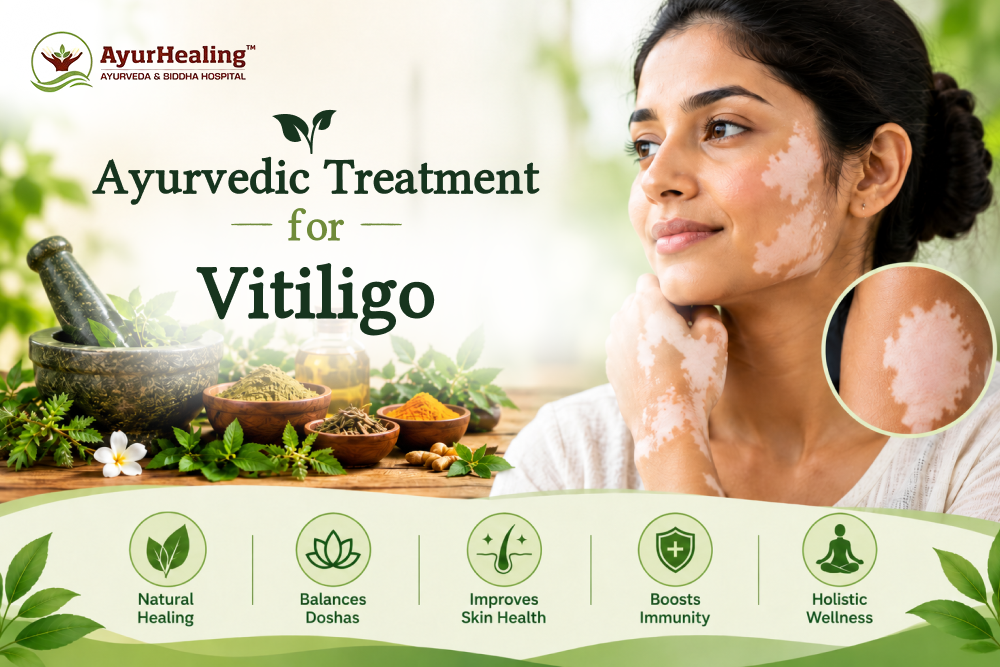
Ayurvedic Treatment for Vitiligo in Bangalore | Ayurhealing

Key Takeaways

  • Vitiligo causes patches of skin to lose their natural colour because pigment-producing cells are affected.
  • The condition is not contagious and is not caused by poor hygiene.
  • Ayurveda offers a traditional framework for personalised care, but its effectiveness for restoring pigmentation has not been established by strong clinical evidence.
  • A dermatologist can assess the condition and discuss suitable options, such as topical medicines, phototherapy or other treatments when appropriate.
  • Before trying herbal preparations, oils or cleansing therapies, check their ingredients, risks and possible interactions with a qualified healthcare professional.
  • People in Bangalore can compare providers by checking qualifications, transparency, hygiene standards and willingness to coordinate care with dermatology services.
AEO QUICK TAKE

Can Ayurveda Help With Vitiligo?

Ayurveda may be considered as a complementary approach to wellbeing for people with vitiligo, but there is insufficient scientific evidence that it can cure vitiligo or reliably restore skin pigmentation. Consult a dermatologist for diagnosis and evidence-based treatment options, and discuss any Ayurvedic therapies with your healthcare professional before starting them.

What Is Vitiligo?

Vitiligo is a skin condition that causes patches of skin to become lighter or completely white. It develops when melanocytes-the cells responsible for producing melanin, the pigment that gives skin its colour-are lost or stop functioning in affected areas.

The patches may appear on the face, hands, arms, feet, around the eyes or mouth, and other parts of the body. Their size, location and rate of progression vary from person to person. Some people experience only a few small patches, while others develop more widespread changes.

Vitiligo can affect people of any skin tone. Although the patches may be more noticeable on darker skin, the condition is not limited to any particular complexion, age group or background.

AEO QUICK TAKE

What Causes Vitiligo?

The exact causes are not fully understood. Research indicates that vitiligo is commonly associated with an autoimmune process in which the body’s immune system affects melanocytes. Genetic factors may also contribute.

Some people notice new patches after skin injury or irritation, a phenomenon known as the Koebner phenomenon. However, not every case has an identifiable trigger.

Vitiligo is not contagious. It cannot be passed from one person to another through touching, sharing food, using the same towels or being physically close to someone.

How Is Vitiligo Understood in Ayurveda?

Ayurveda has a traditional framework for understanding skin conditions, including disorders involving changes in skin colour. Classical Ayurvedic literature describes several skin conditions under broader categories, and some traditional discussions of discoloration may be considered when an Ayurvedic practitioner assesses vitiligo.

The practitioner may consider a person’s symptoms, health history, digestion, daily habits and general wellbeing when planning care. This approach is different from modern dermatology, which uses clinical examination and, where necessary, additional tests to assess pigment loss and rule out other skin conditions.

It is important to distinguish these perspectives. Traditional Ayurvedic explanations are part of an established medical tradition, but they do not independently demonstrate the biological cause of vitiligo or prove that a particular therapy restores pigmentation.

For this reason, anyone exploring Ayurvedic treatment for vitiligo in Bangalore should look for an approach that respects traditional practice while acknowledging the limits of current evidence.

Vitiligo treatment options compared

Treatment approachPurposeImportant consideration
Dermatologist-recommended treatmentMay help manage vitiligo and support repigmentation, depending on the caseSuitability depends on the individual
Ayurvedic approachesMay focus on traditional health practices and general wellbeingEvidence for treating vitiligo is limited; safety varies by treatment
Lifestyle and skin careHelps protect the skin and support general wellbeingDoes not cure vitiligo
Follow-up careTracks changes and treatment responseProgress and results vary between individuals

What Does Ayurvedic Treatment for Vitiligo in Bangalore Involve?

There is no single Ayurvedic treatment plan suitable for everyone with vitiligo. The options discussed will depend on the person’s medical history, skin condition, other health concerns and the practitioner’s assessment.

1. Individual Assessment

A qualified practitioner may ask when the patches first appeared, whether they have changed, which areas are affected and whether the person has other symptoms or medical conditions.

A skin examination by a dermatologist is important because several conditions can cause lighter patches. Correct diagnosis should come before starting a treatment plan.

2. Diet and Daily Routine Guidance

An Ayurvedic consultation may include discussion of food habits, sleep, physical activity and daily routines. These recommendations may help a person establish consistent wellness habits, but there is no established diet that cures vitiligo or reliably restores pigmentation.

Avoid restrictive diets or eliminating major food groups without appropriate advice. A balanced diet supports general health, but it should not be presented as a substitute for medical treatment.

3. Herbal Preparations and Oils

Some Ayurvedic practitioners may discuss herbal formulations or topical preparations. Their ingredients, quality, potential benefits and risks can differ considerably.

Do not assume that a product is safe simply because it is labelled natural. Some preparations may contain contaminants, undisclosed ingredients or substances that can cause skin irritation or interact with medicines. Certain substances may also increase sensitivity to sunlight.

Before applying a product to depigmented skin or taking an oral formulation, ask a qualified healthcare professional to review its ingredients and safety. Avoid unverified products that promise permanent repigmentation or guaranteed results.

4. Traditional Therapies

Depending on the practitioner’s assessment, traditional therapies may be discussed as part of broader Ayurvedic care. These should not be assumed to be necessary or effective for vitiligo itself.

Therapies such as Basti or Virechanam are specialised procedures within Ayurveda. They are not established cures for vitiligo, and there is insufficient evidence to recommend them specifically for restoring skin pigment. They may carry risks, particularly when performed without proper screening or supervision.

Never begin a cleansing procedure or intensive treatment solely because it is advertised for vitiligo. Ask what the procedure involves, why it is being recommended, what the risks are and whether it could interfere with other treatments.

Architectural Workflow

Notice white patches on your skin

↓

Consult a dermatologist for diagnosis

↓

Discuss suitable treatment options

↓

Evidence-based care

Discuss appropriate dermatological treatments.

Complementary Ayurveda

Discuss safety, evidence and possible interactions with your healthcare professional.

↓

Monitor changes and attend follow-up appointments

What Does Modern Medicine Say About Vitiligo Treatment?

Modern dermatology offers several options that may help manage vitiligo. The most suitable approach depends on the extent and location of the patches, how quickly the condition is progressing, the person’s age and other individual factors.

Options a dermatologist may discuss include:

  • Topical treatments: Certain prescription creams may help manage selected areas of vitiligo.
  • Phototherapy: Medical ultraviolet light treatment may be considered for suitable cases.
  • Other specialist treatments: Some people may be candidates for additional prescription treatments or procedures, depending on the type and extent of vitiligo.
  • Camouflage and skin protection: Cosmetic products may help even out the appearance of skin tone, while sun protection helps reduce sunburn risk on depigmented areas.

Results vary, and repigmentation may be partial, take time or not occur. New patches can also develop. A dermatologist can explain realistic expectations, side effects and follow-up requirements.

Ayurvedic care, if chosen, should be discussed with the treating dermatologist so that complementary practices do not delay or interfere with appropriate treatment.

Choosing Safe Care for Vitiligo

Use this straightforward decision guide before choosing a treatment provider in Bangalore.

Notice the Skin Changes

↓

Consult a Dermatologist for Diagnosis

↓

Discuss Suitable Evidence-Based Treatment Options

↓

Interested in Complementary Ayurvedic Care?

↓

Check the Practitioner’s Qualifications, Treatment Rationale, Ingredients and Safety Precautions

↓

Coordinate Care and Monitor Changes with Qualified Healthcare Professionals

This process helps you make an informed choice without relying on promises of a quick or permanent cure.

How to Choose an Ayurvedic Hospital in Bangalore for Vitiligo Care

If you are searching online for the best Ayurvedic hospital in Bangalore, focus on the quality and transparency of care rather than promotional claims alone.

Check Qualifications and Registration

Confirm the practitioner’s recognised qualifications, relevant registration and experience. Ask who will assess your condition and supervise any proposed therapy.

Look for Individualised Advice

A responsible practitioner should consider your medical history, current medicines, symptoms and treatment preferences. Be cautious of providers who recommend exactly the same plan to every patient.

Ask About Evidence and Expected Results

Ask what a proposed treatment is intended to achieve, what evidence supports it and how progress will be assessed. Avoid anyone guaranteeing a cure or promising that pigmentation will return within a fixed period.

Review Hygiene and Treatment Safety

If a clinic proposes a procedure, ask about preparation, hygiene, possible adverse effects and aftercare. Herbal products should have clear ingredient information and appropriate quality controls.

Understand Costs and Follow-Up

Request clear information about consultation fees, therapies, medicines and follow-up visits. A transparent provider should explain the expected costs before treatment begins.

Ayurhealing is a starting point for learning about the organisation. Contact the clinic directly to confirm its current services, practitioner credentials and whether it is suitable for your particular concerns. Do not assume that every therapy mentioned in general Ayurvedic literature is offered by the clinic.

Can Lifestyle Habits Support People Living With Vitiligo?

Daily habits cannot be relied upon to reverse vitiligo, but practical self-care may support general wellbeing and help protect affected skin.

Protect Your Skin From Sunburn

Areas with less pigment may burn more easily. Use appropriate broad-spectrum sunscreen, protective clothing and shade, especially during prolonged outdoor activities.

Avoid Unnecessary Skin Irritation

Cuts, burns, friction and certain skin injuries may trigger new patches in some people. Choose gentle skin-care products and discuss recurring irritation with a dermatologist.

Maintain a Balanced Routine

Regular sleep, balanced meals and manageable physical activity support overall health. There is no need to follow an extreme routine or restrictive diet specifically to treat vitiligo.

Look After Emotional Wellbeing

Visible skin changes can affect confidence, relationships and social comfort. If vitiligo is causing distress, consider speaking with a counsellor or joining a supportive community. Emotional support is a valid part of care.

Conclusion

Vitiligo can affect more than skin colour it may also influence confidence and everyday life. Understanding the condition, getting an accurate diagnosis and choosing safe, realistic care are important first steps.

For people exploring Ayurvedic treatment for vitiligo in Bangalore, traditional approaches may be of interest as complementary care. However, current evidence does not establish Ayurveda as a cure for vitiligo, and no treatment should be presented as guaranteeing permanent repigmentation.

Start with a dermatologist, ask informed questions about any complementary therapy and keep your healthcare professionals updated about the products or procedures you use. To learn more about Ayurhealing and confirm its current services, Contact Ayurhealing. Choose care that prioritises your safety, respects your preferences and sets realistic expectations.

FAQs

There is not enough high-quality scientific evidence to show that Ayurveda can permanently cure vitiligo. Anyone considering Ayurvedic care should discuss the options with qualified professionals and continue appropriate medical assessment.

The effectiveness of Ayurvedic treatments for restoring pigmentation has not been established by strong clinical evidence. Individualised lifestyle guidance may support general wellbeing, but it should not be confused with a proven treatment for repigmentation.

No. Vitiligo is not contagious and cannot spread from one person to another through physical contact, sharing food or everyday social interaction.

Yes. A dermatologist can confirm the diagnosis, assess the extent of pigment loss and discuss evidence-based treatment options. Inform both healthcare professionals about all medicines, herbal products and procedures you are using or considering.

Basti and Virechanam are traditional Ayurvedic procedures, but they are not established treatments for restoring pigmentation in vitiligo. They should not be undertaken for this purpose without a careful discussion of risks, evidence and individual suitability.

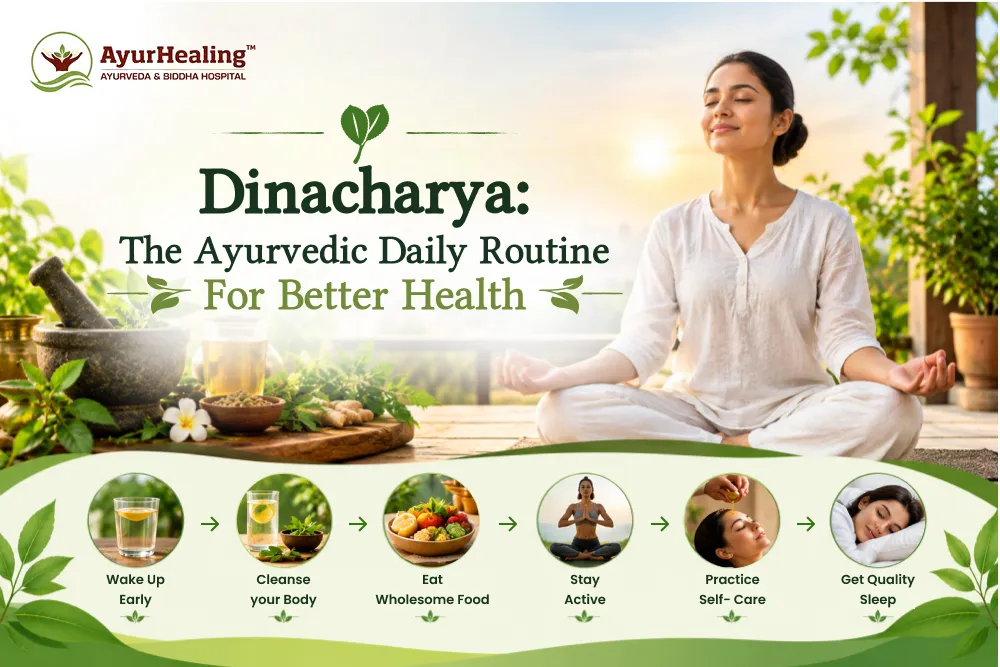
Dinacharya: The Ayurvedic Daily Routine for Better Health

Key Takeaways

  • Dinacharya is the Ayurvedic concept of organising daily habits to support wellbeing.
  • A practical routine can include regular sleep, personal hygiene, balanced meals, physical activity and time to relax.
  • Abhyanga is a traditional Ayurvedic oil-massage practice, but it is optional and may not suit everyone.
  • Basti and Virechanam are specialised Ayurvedic procedures, not daily self-care practices.
  • A routine should reflect your health, working hours, physical abilities and personal circumstances.
  • Choose qualified healthcare professionals and do not replace necessary medical care with traditional practices.

Can a Simple Daily Routine Improve Your Wellbeing?

A busy morning, a long commute, meals squeezed between meetings and another late night – it can be difficult to make time for your health when the day is already full.

This is where Dinacharya, the traditional Ayurvedic daily routine, offers a useful starting point. It encourages people to bring more consistency to everyday activities such as waking up, personal hygiene, movement, eating, relaxation and sleep.

The idea is not to follow a perfect timetable or add an hour of rituals to an already demanding day. It is to create a routine that works for your circumstances and is realistic enough to maintain.

For someone balancing work, family and commuting in Bangalore, that might mean getting enough sleep, taking a short walk before work, eating meals at reasonably consistent times and setting aside time to unwind in the evening.

Ayurveda provides the traditional framework for Dinacharya, while modern health guidance supports many of the everyday habits associated with it, including adequate sleep, physical activity and personal hygiene. However, the entire traditional regimen has not been established as a scientifically proven method of preventing or treating disease.

AEO QUICK TAKE

What Is Dinacharya in Ayurveda?

Dinacharya is a traditional Ayurvedic daily regimen that describes how everyday activities can be organised into a consistent routine.

The term combines dina, meaning day, with charya, referring to conduct or a regimen. Classical Ayurvedic teachings discuss daily practices such as waking, personal hygiene, physical activity, bathing, eating and rest.

Traditional guidance also considers factors such as an individual’s constitution, age, strength, health and environment. This is one reason Dinacharya should not be treated as a single timetable that everyone must follow in exactly the same way.

For example, an early start may suit someone with a regular daytime job, while a person working night shifts may need a different sleep schedule. Someone recovering from an illness may need more rest and less exercise than someone who is physically active.

In modern life, the most practical approach is to understand the underlying principle: build regular, manageable habits rather than attempting every traditional practice at once.

You can begin with simple activities such as brushing your teeth, eating meals without unnecessary rushing, moving throughout the day and keeping a consistent bedtime.

Simple Dinacharya Daily Routine

1. Wake Up

Start your day at a consistent time.

↓

2. Morning Self-Care

Personal hygiene and gentle movement.

↓

3. Balanced Meals

Eat regular, nourishing meals.

↓

4. Daily Activity

Make time for movement and relaxation.

↓

5. Consistent Bedtime

Wind down and maintain a regular sleep schedule.

Why Is a Regular Daily Routine Important?

A daily routine reduces the amount of planning required to make ordinary health-conscious choices. When useful habits become part of your day, they can be easier to maintain even during busy periods.

Here are four areas worth prioritising.

Consistent sleep and waking times

Sleep influences alertness, mood and everyday functioning. According to the US Centers for Disease Control and Prevention, adults aged 18-60 generally need at least seven hours of sleep per night.

Try to keep your bedtime and waking time reasonably consistent, while allowing enough time for rest. A calming evening routine may include reading, gentle stretching or reducing screen use before bed.

Waking very early is not beneficial if it means regularly sacrificing sleep. If you experience persistent insomnia or excessive daytime sleepiness, speak with a healthcare professional.

Regular physical activity

Movement is an important part of a sustainable daily routine. Depending on your ability and health, this might include walking, cycling, yoga, stretching or another activity you enjoy.

The World Health Organization recommends that adults aim for at least 150-300 minutes of moderate-intensity aerobic activity each week, or an equivalent amount of vigorous activity. Muscle-strengthening activities are also recommended on two or more days per week.

You do not need to achieve the full target immediately. Begin at a comfortable level and increase activity gradually. If you have an injury or medical condition, ask your healthcare professional which activities are suitable.

Balanced meals and hydration

Planning meals can help you avoid skipping food throughout a busy workday and relying entirely on whatever is available at the last minute.

Aim for a varied diet that includes vegetables, fruit, whole grains and appropriate protein sources. Drink water regularly, adjusting your intake to the weather, activity level and individual medical needs.

Ayurveda traditionally places importance on meal timing and digestion. These principles can be considered alongside modern nutritional guidance, but dietary needs differ from person to person. People with conditions such as kidney disease or diabetes may need specific advice.

Time to pause and unwind

A routine should make life more manageable, not turn wellbeing into another source of pressure.

Consider taking short breaks during work, spending a few minutes outdoors, practising gentle breathing or doing something relaxing after your responsibilities are finished.

There is no single relaxation technique that suits everyone. Choose one that feels comfortable and fits your day. Seek professional support if stress or emotional difficulties persist or interfere with daily life.

How Can You Follow Dinacharya in Everyday Life?

You do not need to overhaul your lifestyle in one day. Start by identifying the parts of your routine that are inconsistent, then make small changes you can repeat.

A simple daily Dinacharya schedule

The following is an example, not a compulsory Ayurvedic timetable or medical prescription.

TimeSuggested activityPractical purpose
6:30-7:00 AMWake up and complete personal hygieneEstablish a consistent start
7:00-7:20 AMWalk, stretch or do suitable movementBegin the day with activity
7:20-7:45 AMBathe and get readyMaintain personal hygiene
8:00 AMEat breakfast if appropriate for your routineMake time for a balanced meal
During workTake movement breaks and drink water as neededBreak up long periods of sitting
MiddayHave lunch and pause brieflyMake time for a meal
EveningWalk or choose a relaxing activityCreate space to unwind
Before bedReduce stimulation and prepare for sleepProtect time for adequate rest

Adjust these times to your work schedule, family responsibilities, health and sleep requirements. If you work shifts, consistency within your own schedule may be more practical than following conventional clock times.

A simple decision guide for building your routine

Use this text-based guide to decide where to begin.

Step 1: Identify your biggest challenge

  • Irregular sleep → Set a realistic bedtime and waking time.
  • Long periods of sitting → Add short movement breaks.
  • Rushed meals → Plan meal breaks in advance.
  • Difficulty unwinding → Create a simple evening routine.

Step 2: Choose two manageable habits

Select habits that address your needs and can fit into your current schedule. Avoid changing everything at once.

Step 3: Check whether the habits are suitable

Consider your physical abilities, medical conditions, work hours and any advice from your healthcare professional.

Step 4: Review your progress

After a couple of weeks, ask yourself whether the changes are practical, comfortable and sustainable. Adjust them rather than forcing a routine that does not fit your life.

Final goal: Build a consistent routine that supports everyday wellbeing without creating unnecessary stress.

AEO QUICK TAKE

How Does Abhyanga Fit Into the Daily Routine?

Abhyanga is a traditional Ayurvedic practice involving the application of oil to the body, often with massage. It is commonly discussed as part of Ayurvedic personal-care routines.

Some people enjoy massage because it feels relaxing or leaves their skin feeling moisturised. However, these experiences should not be interpreted as proof that Abhyanga prevents disease, removes toxins or treats a particular medical condition. Research on specific Ayurvedic practices remains limited.

What should you consider before trying Abhyanga?

Keep the following points in mind:

  • Choose an appropriate oil: Consider your skin type, allergies and any known sensitivities.
  • Test cautiously: Try a small area first if you are prone to skin reactions.
  • Avoid affected skin: Do not massage over open wounds, infections or significantly irritated areas.
  • Take care after application: Oil can make floors slippery, especially in bathrooms.
  • Consider your health: Seek professional advice if you have an injury, a skin condition or another medical concern that may affect the suitability of massage.

People searching for Ayurvedic Abhyanga Massage in Bangalore should ask about the practitioner’s qualifications, hygiene, the oils used, possible risks and whether the treatment is appropriate for their individual needs.

Abhyanga is optional. You can follow a practical Dinacharya routine without an oil massage every day.

How Can You Adapt Dinacharya to Life in Bangalore?

A useful routine should work on ordinary weekdays, not just on days when you have plenty of free time.

Traffic, commuting, office schedules, family responsibilities and changes in weather can make a rigid timetable difficult to maintain. Instead of trying to follow every traditional instruction, focus on habits that fit your actual circumstances.

If you have an early commute

Prepare essentials the previous evening, allow enough time for sleep and choose a short morning activity you can maintain. Do not sacrifice rest simply to wake before sunrise.

If you spend most of the day at a desk

Break up prolonged sitting with brief movement, take a walk during a suitable break and make time for regular meals. You can build activity into your day without needing a long workout every morning.

If your schedule changes frequently

Anchor your routine around a few repeatable activities, such as personal hygiene, adequate sleep, meal breaks and a short period of relaxation. Adapt the clock times when work or family commitments change.

If you want to explore traditional Ayurvedic practices

Learn what a practice involves before trying it. Some everyday habits, such as maintaining personal hygiene and getting regular physical activity, align with established health guidance. Other traditional practices have less conclusive evidence or require additional safety precautions.

A balanced approach allows you to explore Ayurveda without assuming that every traditional recommendation is necessary or suitable for every person.

When Should You Seek Professional Ayurvedic Guidance?

Dinacharya is a lifestyle framework, not a substitute for medical assessment. If you have persistent symptoms, an existing health condition or questions about a specialised treatment, speak with a qualified healthcare professional.

Understanding Basti and Virechanam

Two procedures that may arise when researching Ayurvedic care are:

  • Basti: A traditional procedure that generally involves administering a prescribed preparation through the rectal route.
  • Virechanam (Virechana): A traditional purgation procedure intended to induce bowel evacuation.

Neither is a routine daily habit. Their suitability depends on individual assessment, the method used and the person’s health.

Potential risks can include dehydration, electrolyte disturbances and other complications. Do not attempt these procedures at home or assume that everyone needs them for detoxification. Ask a qualified practitioner to explain the purpose, expected benefits, evidence, risks and alternatives before considering treatment.

What if you have a specific health concern?

The right care depends on the problem being assessed, rather than on a daily routine alone.

For example, people searching for Frozen Shoulder Ayurvedic Treatment in Bangalore should seek an appropriate assessment of shoulder pain and restricted movement. Management may include physiotherapy, guided exercises, medication or other care, depending on the diagnosis.

Likewise, anyone looking for Ayurvedic Treatment for Piles in Bangalore should seek medical advice for rectal bleeding, persistent pain or changes in bowel habits. Bleeding should not automatically be attributed to piles.

If you are considering Ayurvedic medicines or supplements, tell your healthcare professionals what you intend to use. Some Ayurvedic products have been found to contain potentially toxic metals, including lead, mercury or arsenic. Products may also interact with prescribed medicines.

Do not stop or change prescribed treatment without discussing it with the clinician responsible for your care.

How do you choose the Best Ayurvedic Hospital in Bangalore?

Searching for the Best Ayurvedic Hospital in Bangalore is a starting point, but the right provider is one whose qualifications, approach and proposed care are appropriate for your needs.

Before making a decision, consider these factors:

  1. Qualifications and registration: Check the practitioner’s relevant qualifications, registration and experience.
  2. Individual assessment: The provider should ask about your symptoms, medical history, allergies and current medicines.
  3. Clear treatment explanations: Ask why a treatment is proposed, what evidence supports it, what outcomes are realistic and what alternatives exist.
  4. Safety and hygiene: Understand how procedures are performed and how the quality and suitability of medicines or oils are assessed.
  5. Coordination of care: Be cautious if a provider tells you to stop prescribed medicines or avoid necessary medical care.
  6. Transparent costs: Ask about consultation fees, treatment charges, medicines and follow-up appointments before agreeing to a plan.

If you are exploring Ayurvedic Treatment in Bangalore, take time to compare providers and ask questions. Ayurhealing’s is a place to review the available information and contact the organisation directly to confirm its services and discuss your questions.

Conclusion

Dinacharya offers a traditional framework for bringing greater consistency to everyday life. You do not need an elaborate morning ritual or a strict timetable to put its practical principles into action.

Start with the basics: get enough sleep, make time for balanced meals, move regularly, maintain personal hygiene and create space to unwind. Add other practices only when they suit your needs and you understand their limitations.

Traditional therapies such as Abhyanga may be considered optional personal-care practices, while procedures such as Basti and Virechanam require qualified assessment and supervision. Neither traditional routines nor Ayurvedic treatments should be assumed to prevent or cure disease without appropriate evidence.

If you are exploring Ayurvedic Treatment in Bangalore or searching for the Best Ayurvedic Hospital in Bangalore, prioritise qualified guidance, patient safety, transparent communication and realistic expectations.

FAQs

Dinacharya is the traditional Ayurvedic concept of organising daily activities such as waking, hygiene, exercise, meals and rest into a routine. Its traditional purpose is to support wellbeing through consistent habits.

Traditional Ayurvedic guidance often recommends waking early. In practice, your waking time should allow adequate sleep and fit your work schedule and health needs. Most adults aged 18-60 need at least seven hours of sleep per night.

No. Abhyanga is an optional traditional oil-massage practice. Whether it is appropriate depends on your preferences, skin health and medical circumstances. It is not necessary for everyone following Dinacharya.

Yes. Begin with manageable habits such as consistent sleep, personal hygiene, suitable physical activity and regular meal breaks. Introduce additional practices gradually, and seek guidance before trying specialised therapies.

No. Basti and Virechanam are specialised traditional procedures, not ordinary daily self-care activities. They require individual assessment and appropriate supervision because they may carry risks.

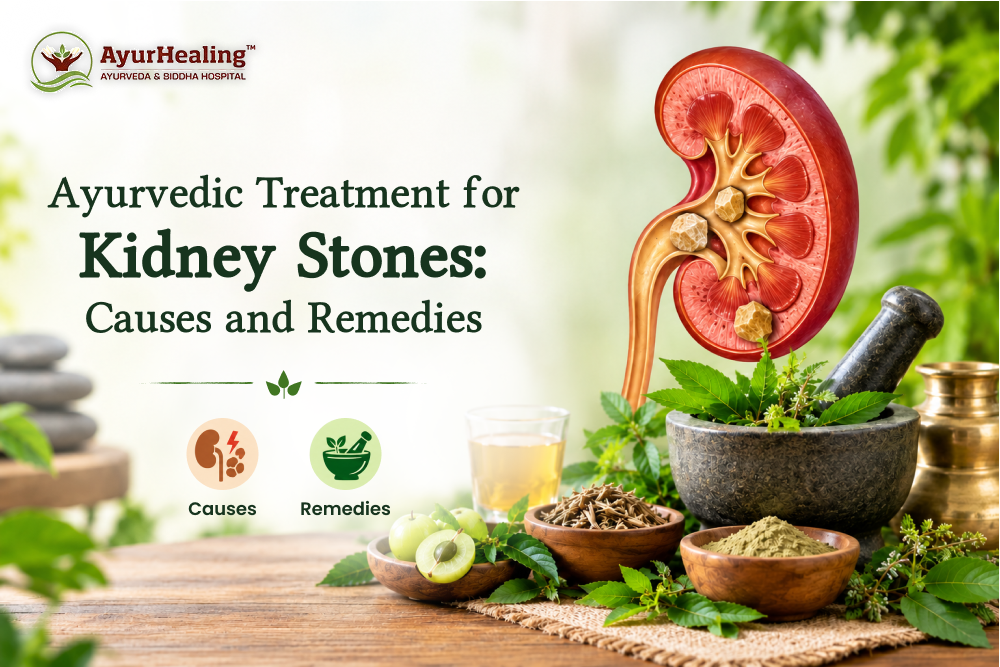
Ayurvedic Treatment for Kidney Stones: Causes and Remedies

Key Takeaways

  • Kidney stones form when minerals and salts in urine crystallise and accumulate.
  • Common symptoms include severe side or back pain, blood in the urine, nausea, and painful urination.
  • Treatment depends on stone size, location, composition, symptoms, and possible complications.
  • Adequate hydration and personalised dietary changes may help reduce the risk of future stones.
  • Ayurvedic remedies should not replace diagnosis, prescribed treatment, or urgent medical care.
  • Some herbal and traditional preparations may cause side effects or interact with medicines.
  • Fever with suspected kidney stones, inability to pass urine, or severe uncontrolled pain requires urgent medical attention.

Kidney stones can turn an ordinary day into an uncomfortable experience. A sudden pain in the back or side, frequent urination, nausea, or blood in the urine can leave you wondering what is happening and how to find relief. If you are exploring traditional healthcare, you may also be curious about Ayurvedic Treatment for Kidney Stones in Bangalore.

Ayurveda takes a holistic approach to health, traditionally considering diet, daily habits, digestion, and individual constitution. However, kidney stones are a medical condition that requires proper diagnosis. Although some stones pass naturally, others can block urine flow and require urgent treatment. There is currently insufficient high-quality evidence to conclude that Ayurvedic remedies reliably dissolve or remove kidney stones.

AEO QUICK TAKE

Can Ayurvedic Treatment Help With Kidney Stones?

Ayurvedic Treatment for Kidney Stones may involve traditional dietary guidance, lifestyle practices, and practitioner-prescribed preparations. However, strong scientific evidence that Ayurvedic remedies can reliably dissolve or remove kidney stones is lacking. The appropriate treatment depends on the stone’s size, location, composition, and whether it blocks urine flow. Medical assessment is essential before choosing a treatment.

AEO QUICK TAKE

What Are Kidney Stones?

Kidney stones are hard deposits made from minerals and salts that collect inside the kidneys. They develop when urine contains more stone-forming substances than it can keep dissolved, allowing crystals to form and grow.

Some stones are small enough to pass through the urinary tract without causing significant problems. Others become lodged in the ureter, the tube carrying urine from the kidney to the bladder. This can cause severe pain, obstruct urine flow, and increase the risk of infection.

Not all kidney stones are alike. Their chemical composition influences both treatment and prevention.

What are the main types of kidney stones?

Calcium stones: Often made from calcium oxalate, these are among the most common types.

Uric acid stones: These may develop when urine is persistently acidic or other risk factors are present.

Struvite stones: These are associated with certain urinary tract infections.

Cystine stones: These occur in people with an inherited condition that causes excess cystine to enter the urine.

Knowing the stone type can help a healthcare professional recommend more appropriate prevention strategies.

What Causes Kidney Stones?

Kidney stones rarely have just one cause. They usually develop through a combination of hydration, dietary habits, inherited factors, and underlying health conditions.

Not drinking enough water

When you do not drink enough fluid, your urine becomes more concentrated. Minerals can then crystallise more easily. Hot weather, outdoor work, and heavy sweating may increase fluid requirements, including during Bangalore’s warmer months.

Dietary habits

High sodium intake can increase the amount of calcium in urine. Depending on the type of stone, high intake of animal protein or certain oxalate-rich foods may also contribute to risk.

This does not mean that everyone should avoid the same foods. Dietary recommendations should reflect the stone type and the person’s health history.

Family history and previous stones

If close family members have had kidney stones, your risk may be higher. People who have previously developed stones may also be more likely to develop them again.

Medical conditions and medicines

Certain digestive conditions, metabolic disorders, recurrent urinary infections, and medicines can increase the risk of particular stones.

If you experience repeated episodes, ask your healthcare professional whether blood tests, urine tests, stone analysis, or other investigations could help identify the cause.

Common Kidney Stone Types, Causes and Risk Factors

Kidney stone typeCommon contributing factorsHelpful consideration
Calcium oxalateConcentrated urine, excess sodium, and individual metabolic factorsPersonalised dietary advice may help reduce recurrence risk.
Uric acidPersistently acidic urine and certain metabolic or dietary factorsA clinician may assess urine acidity and recommend appropriate treatment.
StruviteCertain urinary tract infectionsPrompt assessment and treatment of infection are important.
CystineAn inherited condition called cystinuriaSpecialist guidance may be needed to prevent recurrence.

What Are the Symptoms of Kidney Stones?

Symptoms vary according to the stone’s size and location. Small stones may cause no noticeable symptoms, while larger or obstructing stones can be extremely painful.

Common symptoms include:

  • Sharp pain in the side, back, lower abdomen, or groin.
  • Pain that comes in waves or changes in intensity.
  • Blood in the urine, making it look pink, red, or brown.
  • Pain or burning during urination.
  • Frequent or urgent urination.
  • Nausea or vomiting.
  • Cloudy urine or other symptoms of a urinary infection.

When should you seek urgent medical attention?

Seek urgent medical care if you have suspected kidney stones accompanied by fever, chills, severe or uncontrolled pain, persistent vomiting, or difficulty passing urine. These symptoms may indicate an infection or obstruction that needs prompt assessment.

Do not delay emergency treatment while trying home remedies or traditional therapies.

Kidney Stone Symptoms and Recommended Next Steps

Symptom or situationRecommended action
Mild discomfort with suspected stonesArrange medical assessment to establish the cause.
Blood in the urineSeek prompt medical evaluation.
Severe or uncontrolled side or back painSeek urgent medical care.
Fever or chills with suspected kidney stonesSeek emergency medical care because an infected obstruction can be dangerous.
Persistent vomiting or inability to pass urineSeek urgent medical attention.
Previous kidney stones with no current symptomsDiscuss prevention and follow-up with a healthcare professional.

How Does Ayurveda Approach Kidney Stones?

Ayurveda traditionally considers health through a combination of dietary practices, daily routines, herbal preparations, and individualised care. In Ayurvedic literature, urinary stones are discussed under the traditional concept of Ashmari.

A qualified Ayurvedic practitioner may assess dietary habits, fluid intake, digestion, symptoms, and general health when discussing supportive care.

However, traditional explanations and modern medical explanations are not interchangeable. A traditional diagnosis does not establish a stone’s size, location, or degree of obstruction. Imaging and laboratory investigations may be needed to guide treatment.

Can Ayurvedic remedies dissolve kidney stones?

There is not enough high-quality clinical evidence to conclude that Ayurvedic remedies reliably dissolve or remove kidney stones across different stone types.

Some traditional preparations are promoted for urinary health, but a product’s traditional use does not prove that it is effective or safe for every person. Do not use an herbal preparation as a substitute for a recommended procedure, prescription medicine, or medical assessment.

If you wish to explore Ayurvedic care, discuss it with both your treating medical professional and a qualified Ayurvedic practitioner. Make sure everyone involved knows which medicines and supplements you are taking.

Practical Ways to Help Prevent Kidney Stones

Prevention is an important part of kidney stone care, particularly if you have experienced stones before. The right plan depends on the type of stone and your individual risk factors.

Drink enough fluids

Adequate fluid intake helps dilute urine, reducing the concentration of substances that can form crystals. Water is generally the preferred choice.

Many adults may be advised to drink enough fluid to produce around 2 to 2.5 litres of urine daily, but fluid needs vary. Your healthcare professional may recommend a different target depending on your health, climate, activity, and risk of recurrence.

People with certain heart or kidney conditions may need fluid restrictions. Follow individual medical advice rather than forcing yourself to drink excessive amounts.

Reduce excess salt

High sodium intake can contribute to calcium stone formation. Limit frequent consumption of very salty snacks, packaged foods, and heavily salted meals.

Reading food labels and preparing more meals at home can help you manage sodium intake.

Maintain a balanced diet

Avoid making drastic dietary changes without knowing your stone type.

For example, people prone to calcium oxalate stones may benefit from specific dietary advice, but unnecessarily eliminating calcium-rich foods can be counterproductive. Normal dietary calcium intake is generally recommended unless a healthcare professional advises otherwise.

A balanced diet with vegetables, fruit, appropriate protein portions, and limited excess salt can support overall health.

Follow up after treatment

If you pass a stone, ask whether it should be collected for analysis. A clinician may recommend additional tests to identify risk factors and prevent recurrence.

For people with repeated stones, personalised dietary changes or prescribed medicines may be more effective than relying on general home remedies.

What Should You Know Before Choosing Ayurvedic Treatment?

If you are considering Ayurvedic Treatment for Kidney Stones in Bangalore, focus on safety, transparent advice, and coordination with your medical care.

Check the practitioner’s qualifications

Choose a qualified practitioner who takes your symptoms and medical history seriously and recognises when referral to a urologist is necessary.

Ask about ingredients and risks

Some Ayurvedic preparations have been found to contain potentially harmful levels of heavy metals, including lead, mercury, or arsenic. Products can also interact with prescribed medicines or be unsuitable for certain medical conditions.

Ask for the complete ingredient list, manufacturer details, appropriate safety information, and an explanation of potential interactions.

Be cautious of guaranteed claims

Be wary of claims that a remedy will dissolve every stone, eliminate the need for surgery, or guarantee permanent prevention. No single approach is appropriate for every stone.

Do not stop prescribed treatment

If a doctor has recommended imaging, medication, monitoring, or a procedure, discuss your concerns before changing the plan. Complementary care should not delay treatment of an obstruction or infection.

Does Basti or Virechanam Treat Kidney Stones?

People researching Ayurveda may encounter Panchakarma-related terms such as Basti and Virechanam. Understanding their traditional context is important before considering them.

Ayurvedic Treatment for Basti: Basti is a traditional Ayurvedic therapeutic procedure involving the administration of preparations through the rectum. It is used in certain Ayurvedic treatment plans, but it is not an established method for removing an obstructing kidney stone. It should only be considered after an appropriate assessment, and it must never delay urgent urological care.

Ayurvedic Treatment for Virechanam: Virechanam is a traditional purgation-based procedure used in some Ayurvedic treatment plans. It is not a proven kidney stone removal treatment. Purging can cause fluid and electrolyte disturbances, which are especially concerning if someone is unwell, dehydrated, vomiting, or experiencing urinary obstruction.

Do not undergo either procedure specifically to remove kidney stones without discussing the risks and alternatives with qualified healthcare professionals.

How to Choose an Ayurvedic Hospital in Bangalore

If you are exploring an Ayurvedic Hospital in Bangalore for general wellness or complementary care, consider these questions before making a decision.

  • Qualifications: Are the practitioner’s qualifications and registration appropriate and verifiable?
  • Assessment: Does the provider ask about your symptoms, medical history, reports, and current medicines?
  • Safety: Are the treatment ingredients, possible risks, and interactions explained clearly?
  • Coordination: Will the provider support referral to a urologist when needed?
  • Transparency: Are fees, treatment duration, and follow-up arrangements explained in advance?
  • Realistic expectations: Does the provider avoid promising guaranteed stone removal or discouraging necessary medical treatment?

For kidney stones, access to appropriate medical assessment is particularly important. A responsible provider should recognise the limits of traditional treatment and refer patients for urgent care when necessary.

Ayurhealing readers should also note that related services, such as Frozen Shoulder Ayurvedic Treatment in Bangalore or Ayurvedic Treatment for Piles in Bangalore, address different health concerns. These topics should not be confused with kidney stone treatment. Only explore services relevant to your own health needs.

What Should You Do If You Suspect Kidney Stones?

Use this decision guide to understand the next steps. It is educational and does not replace medical assessment.

1. RECOGNISE THE SYMPTOMS

Notice side or back pain, blood in the urine, painful urination, nausea, or changes in urinary habits.

↓

2. CHECK FOR WARNING SIGNS

Fever, chills, inability to pass urine, persistent vomiting, or severe uncontrolled pain require urgent medical care.

↓

3. GET AN APPROPRIATE DIAGNOSIS

A healthcare professional may recommend urine tests, blood tests, ultrasound, CT imaging, or stone analysis depending on your situation.

↓

4. DISCUSS TREATMENT OPTIONS

Treatment may involve observation, pain relief, prescribed medicines, a procedure, or surgery depending on the stone and associated risks.

↓

5. PLAN FOR PREVENTION

Follow personalised advice on hydration, diet, follow-up testing, and any prescribed preventive medicine. Discuss complementary Ayurvedic care with your treating professionals before starting it.

Conclusion

Kidney stones can be painful, disruptive, and worrying, but understanding their causes and treatment options can help you make informed decisions. Hydration, suitable dietary habits, medical follow-up, and personalised prevention strategies can all play important roles in kidney stone care.

Ayurvedic Treatment for Kidney Stones in Bangalore may interest people who value traditional approaches to wellbeing. However, traditional remedies should not be assumed to dissolve stones or replace evidence-based treatment. The priority is to identify the stone’s size and location, recognise warning signs, and receive appropriate medical guidance.

At Ayurhealing, we believe that informed decisions, personalised guidance, and patient safety are essential when exploring traditional healthcare options. If you are considering Ayurvedic care, choose a qualified practitioner who communicates clearly, respects the role of modern diagnosis, and supports safe coordination with your treating healthcare team.

Contact Ayurhealing to learn more about our Ayurvedic healthcare approach and discuss your concerns with our team. Remember, kidney stone treatment should be guided by appropriate medical assessment, and urgent symptoms require prompt medical attention.

FAQs

There is insufficient high-quality evidence that Ayurvedic remedies permanently cure kidney stones. Treatment and prevention depend on stone type, size, location, underlying causes, and medical assessment.

Yes, some small stones pass naturally through the urinary tract. Larger stones or those causing obstruction, infection, or persistent pain may require medical intervention. A healthcare professional can assess the safest approach.

Severe kidney stone pain needs prompt medical assessment. A clinician can recommend appropriate pain relief and determine whether obstruction or another complication is present. Do not rely on home remedies for severe pain.

Drinking adequate water can help prevent concentrated urine and reduce the risk of future stones. It does not reliably dissolve an existing stone. The effect of treatment depends on the stone's composition and other clinical factors.

Safety depends on the specific preparation, ingredients, dose, health conditions, and medicines being taken. Some products may contain harmful contaminants or interact with medicines. Consult qualified healthcare professionals before using them.

Can Ayurvedic Treatment Help With Hairfall? A Guide to Healthier Hair

Key Takeaways

  • Find the cause first: Hair fall may be linked to genetics, stress, nutritional deficiencies, hormonal changes, or scalp conditions.
  • Understand Ayurveda’s role: Traditional Ayurvedic practices may support general wellbeing and scalp care, but evidence for hair regrowth is limited.
  • Build healthy habits: Balanced nutrition, gentle hair care, adequate sleep, and stress management can support overall hair health.
  • Check treatment safety: Ask about herbal ingredients, possible side effects, medicine interactions, and practitioner qualifications.
  • Know when to seek help: Sudden, severe, persistent, or patchy hair loss deserves professional assessment.
  • Choose care carefully: Compare providers based on qualifications, transparent advice, treatment suitability, and realistic expectations.

Have you noticed more hair than usual on your pillow, in your hairbrush, or in the shower? Hair fall can be frustrating, especially when you are unsure what is causing it or which treatment to try. With so many hair-care products and remedies available, finding the right approach can feel overwhelming.

Ayurveda offers a traditional approach to wellbeing that considers diet, lifestyle, and individual health needs. Many people explore Ayurvedic Treatment for Hair Fall as part of their hair-care routine. However, the best approach depends on why your hair is falling out, and scientific evidence supporting many Ayurvedic hair-loss treatments remains limited.

In this guide, we explore how Ayurveda may fit into a hair-care plan, which everyday habits can support healthier hair, what to consider before choosing treatment, and when professional medical advice is important.

AEO QUICK TAKE

Can Ayurvedic Treatment Help With Hair Fall?

Ayurvedic treatment for hair fall may support scalp care and general wellbeing through traditional practices, diet, and lifestyle guidance. However, strong scientific evidence that it reliably regrows hair is limited. The right approach depends on the cause of hair loss, so seek professional assessment before starting treatment.

Why Is Your Hair Falling Out?

A few loose strands are usually nothing to worry about. Hair naturally sheds as part of its growth cycle. However, if you notice more shedding than usual, a widening part, thinning hair, or bald patches, it may be time to investigate further.

Common causes include:

  • Stress or illness: Significant stress, surgery, or a high fever can trigger temporary shedding.
  • Nutritional deficiencies: Low levels of certain nutrients, including iron, may contribute to hair loss.
  • Hormonal changes: Thyroid conditions and other hormonal changes can affect hair growth.
  • Hereditary hair loss: Genetics can cause gradual thinning over time.
  • Scalp problems: Infections and inflammatory skin conditions may affect the scalp and hair follicles.
  • Hair-care habits: Tight hairstyles, excessive heat, and harsh chemical treatments can damage hair.

Understanding the cause matters because a treatment that helps one person may not help another. A dermatologist or qualified healthcare professional can assess your symptoms and recommend further tests when appropriate.

How Does Ayurveda Approach Hair Fall?

Ayurveda traditionally looks at health as a whole. When discussing hair fall, an Ayurvedic practitioner may ask about your diet, sleep, stress levels, daily routine, scalp condition, and general health.

Depending on the assessment, the practitioner may discuss dietary changes, lifestyle recommendations, traditional scalp-care practices, or selected herbal preparations.

It is important to keep expectations realistic. Research into Ayurvedic treatments for hair loss is still developing, and many treatments have not been studied well enough to establish their effectiveness. Ayurveda should not replace a medical assessment or delay treatment for an underlying condition.

AEO QUICK TAKE

Can Ayurvedic Oils Help With Hair Fall?

Traditional hair oils and gentle scalp massage may be part of a personal hair-care routine. They can help condition the hair, but they should not be assumed to reverse hereditary hair loss or treat medical causes of shedding.

Choose products carefully, check their ingredients, and stop using them if you notice itching, redness, swelling, or irritation.

Everyday Habits That Support Healthy Hair

You do not always need an elaborate hair-care routine. Simple, consistent habits can help protect your hair from avoidable damage and support your overall health.

Eat a balanced diet

Hair needs adequate nutrition to grow. Include a variety of protein-rich foods, vegetables, fruit, whole grains, and suitable sources of iron and other essential nutrients.

Avoid taking high-dose vitamins or supplements without professional advice. Too much of certain nutrients can be harmful and may even contribute to hair loss. If a nutritional deficiency is suspected, your healthcare professional can advise whether testing or supplements are appropriate.

Manage stress and sleep well

Stress can contribute to temporary hair shedding in some people. Try to maintain a regular sleep schedule and make time for activities that help you relax, such as walking, gentle exercise, or breathing exercises.

These habits support general wellbeing, although they cannot guarantee that hair loss will stop.

Be gentle with your hair

Use a suitable shampoo, avoid pulling your hair tightly, and limit excessive heat styling and harsh chemical treatments. If your scalp is painful, persistently itchy, or inflamed, seek professional advice instead of relying only on home remedies.

Recognise

Understand hair fall and its possible causes.

Understand

Learn how Ayurveda approaches hair and scalp care.

Evaluate

Review evidence, treatment safety, and limitations.

Choose

Compare qualified practitioners and suitable care.

Take action

Know when to seek medical advice and how to monitor changes.

What Should You Know About Ayurvedic Treatments?

If you are considering an Ayurvedic approach, ask the practitioner to explain what the treatment is intended to do, what evidence supports it, and what risks you should understand.

Herbal preparations and their safety

Some Ayurvedic practitioners may recommend herbal preparations. Before taking any product, ask for its ingredient list, dosage instructions, manufacturer details, and relevant quality information.

Natural products are not automatically safe. Some Ayurvedic preparations have been found to contain potentially harmful levels of metals, including lead, mercury, or arsenic. Herbal products may also interact with prescribed medicines.

Tell your healthcare providers about all medicines and supplements you use, and do not stop prescribed treatment without medical advice.

What is Ayurvedic Treatment for Virechanam?

Ayurvedic Treatment for Virechanam, also called Virechana, is a traditional Ayurvedic purgation procedure used in some Panchakarma programmes. It is not an established treatment for hair regrowth, and there is insufficient evidence to recommend it specifically for hair loss.

Purgation procedures can cause complications, including dehydration and electrolyte disturbances. Do not undertake such a procedure at home or solely because it is promoted as a hair-loss remedy. Discuss its risks and suitability with a qualified healthcare professional.

Can treatments for other health concerns help hair fall?

People may also search for Ayurvedic Treatment for Skin Diseases or Ayurvedic Treatment for Gastritis. However, treating a skin or digestive condition does not automatically resolve hair loss. Each concern needs an appropriate assessment and treatment plan.

Similarly, Ayurvedic Treatment for Palpupugha is a traditional Ayurvedic therapy involving warm medicated boluses for certain musculoskeletal concerns. It should not be presented as a proven treatment for hair regrowth. If you are interested in this therapy, consult the relevant information on Ayurhealing and confirm whether the treatment is suitable for your needs.

When Should You Seek Medical Advice?

It is worth seeking professional advice if hair loss is sudden, severe, persistent, or accompanied by other symptoms.

Arrange an assessment if you notice:

  • Sudden or rapidly progressing hair loss.
  • Round or irregular bald patches.
  • Scalp pain, redness, scaling, or intense itching.
  • Hair loss affects your eyebrows or other body hair.
  • Persistent shedding alongside unexplained fatigue, weight changes, or other new symptoms.

A healthcare professional may examine your scalp, review your medical history and medicines, and recommend tests if needed. Early assessment can be particularly important for conditions that may cause permanent damage to hair follicles.

How to Choose an Ayurvedic Hospital in Bangalore

If you are exploring Ayurvedic Treatment for Hair Fall in Bangalore, take time to choose a provider that puts your health and safety first.

When comparing an Ayurvedic Hospital in Bangalore, consider the following:

  1. Check qualifications: Verify the practitioner’s qualifications and professional registration.
  2. Ask about assessment: Find out how your symptoms, scalp condition, medical history, and medicines will be reviewed.
  3. Understand the treatment plan: Ask why a treatment is recommended and what you can realistically expect.
  4. Discuss safety: Check possible side effects, ingredient information, and medicine interactions.
  5. Confirm costs: Request a clear breakdown of consultation fees, therapies, medicines, and follow-up visits.
  6. Look for honest advice: Be cautious of guaranteed cures, promises of immediate hair regrowth, or recommendations to stop prescribed medication.

A responsible provider should explain the limits of treatment and recognise when referral to a dermatologist or another healthcare professional is appropriate.

You can visit Ayurhealing to explore the information available about its services. Review the published practitioner details and confirm the suitability of any proposed treatment before booking.

Your Hair Fall Treatment Decision Guide

1. NOTICE THE CHANGES

Identify when hair fall started and whether you have thinning, bald patches, or scalp symptoms.

↓

2. FIND THE POSSIBLE CAUSE

Seek an appropriate assessment from a qualified healthcare professional.

↓

3. EXPLORE SUITABLE OPTIONS

Discuss evidence-based treatments and any complementary Ayurvedic care you are considering.

↓

4. CHECK SAFETY AND COST

Review qualifications, ingredients, possible risks, and the full treatment cost.

↓

5. MONITOR PROGRESS

Follow the agreed plan and seek reassessment if hair loss continues or symptoms worsen.

Conclusion

Hair fall can be upsetting, particularly when you do not know what is causing it. The good news is that understanding the cause gives you a clearer starting point for choosing the right care.

Ayurvedic Treatment for Hair Fall may appeal to people interested in traditional approaches to diet, lifestyle, and scalp care, but evidence for hair regrowth remains limited for many treatments. Focus on balanced nutrition, gentle hair care, appropriate medical assessment, and realistic expectations.

If you choose to explore Ayurveda, verify the practitioner’s qualifications, ask about treatment safety, and continue necessary medical care.

Contact Ayurhealing to explore the available information and make an informed decision about your next step.

FAQs

Ayurvedic Treatment for Hair Fall may include traditional scalp-care practices, dietary guidance, and herbal preparations. However, reliable scientific evidence for hair regrowth from many Ayurvedic treatments is limited. Results depend on the cause of hair loss, so seek an appropriate assessment before choosing treatment.

There is no standard timeline because results depend on the cause of hair loss and the treatment used. Hair growth changes gradually, and some conditions require several months of care. Be cautious of claims promising guaranteed results within a few days or weeks.

Hair oil may condition your hair, but it cannot treat every cause of hair loss. Hereditary hair loss, nutritional deficiencies, hormonal changes, and scalp conditions may require specific treatment. Seek professional advice if shedding or thinning persists.

Safety depends on the treatment, ingredients, dosage, and your health circumstances. Some herbal products can cause side effects or interact with medicines, while certain preparations may contain toxic metals. Check product ingredients and discuss proposed treatments with a qualified healthcare professional.

Yes. Significant physical or emotional stress can trigger temporary excessive shedding in some people. Hair shedding may become noticeable months after the triggering event. If it persists, becomes severe, or occurs with other symptoms, seek medical assessment.