Ayurvedic Treatment for Panchakarma: A Complete Guide to Detox & Healing

Ayurveda, the ancient science of natural healing, offers countless therapies for restoring balance to the body and mind. Among these, Ayurvedic treatment for Panchakarma is considered the ultimate cleansing and rejuvenation therapy. Practiced in leading centers like Siddha Hospital in Bangalore, this therapy combines detoxification, healing, and rejuvenation to address the root cause of illness rather than just symptoms.

Panchakarma, meaning “five actions” in Sanskrit, is not only a detox but also a complete Ayurvedic Panchakarma treatment designed to balance the doshas – Vata, Pitta, and Kapha. From Panchakarma treatment for weight loss to therapies for stress, chronic diseases, and immunity, this practice provides holistic wellness that modern medicine often misses.

What is Panchakarma in Ayurveda?

Panchakarma is a five-fold detoxification therapy mentioned in ancient Ayurvedic texts. It is a holistic approach to cleanse the body of accumulated toxins (ama), balance the doshas, and rejuvenate tissues.

The five primary actions of Panchakarma are:

  • Vamana (Therapeutic Emesis) – Controlled vomiting to expel toxins from the stomach and respiratory tract.
  • Virechana (Purgation Therapy) – Herbal medicines induce bowel cleansing, flushing out excess Pitta dosha.
  • Basti (Enema Therapy) – Herbal decoctions and oils are administered rectally to balance Vata dosha.
  • Nasya (Nasal Therapy) – Herbal oils instilled through the nostrils to cleanse the head region.
  • Raktamokshana (Bloodletting Therapy) – Removal of impure blood for skin and blood-related disorders.

At Siddha Hospital in Bangalore, Panchakarma therapy is customized according to the patient’s prakriti (constitution), health issues, and lifestyle.

Panchakarma Treatment Benefits

The benefits of Panchakarma therapy are far-reaching and impact not just physical health but mental and emotional well-being too.

Key Benefits of Panchakarma Treatment:

  • Deep Detoxification: Removes toxins from the digestive tract, skin, and blood.
  • Improved Digestion & Metabolism: Restores Agni (digestive fire).
  • Stress Relief & Mental Clarity: Balances the nervous system.
  • Immunity Boost: Strengthens the body’s defense system.
  • Joint & Muscle Health: Relieves chronic pain, arthritis, and stiffness.
  • Hormonal Balance: Helps in endocrine and reproductive health.
  • Skin Health: Improves complexion, clears acne, and supports skin disorders.

Panchakarma Detoxification Process

Before undergoing Ayurvedic Panchakarma therapy, patients are prepared through Purva Karma (preparatory procedures). This ensures that toxins are softened and mobilized for elimination.

Stages of Panchakarma Detoxification:

Purva Karma (Preparation)

  • Snehana (oleation) – internal and external oiling with ghee or herbal oils.
  • Swedana (sudation) – herbal steam therapy for toxin mobilization.

Pradhana Karma (Main Procedures)

  • Vamana, Virechana, Basti, Nasya, and Raktamokshana as per the individual’s condition.

Paschat Karma (Post-Care)

  • Special Ayurvedic diet to restore digestive power.
  • Herbal tonics and Rasayana therapy for rejuvenation.

At Siddha Hospital, this Panchakarma detox is offered under expert supervision for maximum results.

Panchakarma Treatment for Weight Loss

One of the most sought-after uses of Panchakarma is weight management. Unlike fad diets or quick fixes, Panchakarma Ayurvedic treatment addresses the root cause – sluggish digestion, Kapha imbalance, and toxin accumulation.

How Panchakarma Helps in Weight Loss:

  • Burns excess fat naturally.
  • Improves metabolism.
  • Reduces water retention.
  • Balances Kapha dosha with tailored therapies.

Many patients at Siddha Hospital in Bangalore undergo Panchakarma treatment for weight loss along with lifestyle counseling and dietary adjustments.

Panchakarma vs Modern Detox

FeaturePanchakarma Ayurvedic DetoxModern Detox Programs
ApproachHolistic (body, mind, spirit)Mostly physical (diet-based)
Duration7–21 days (customized)3–7 days
Dosha BalancingYesNo
Toxin RemovalThrough five karmas (natural elimination)Through fasting, juices, or supplements
SustainabilityLong-term benefitsShort-term results

Why Choose Siddha Hospital in Bangalore for Panchakarma?

When it comes to Ayurvedic Panchakarma therapy, choosing the right hospital is crucial. Siddha Hospital in Bangalore offers authentic, doctor-guided treatments in a holistic environment.

Why Siddha Hospital is preferred:

  • Experienced Ayurvedic & Siddha physicians.
  • Personalized Panchakarma plans.
  • Use of pure herbal oils and medicines.
  • Inpatient facilities for long-term detox.
  • Integration of Ayurveda and Siddha medicine.

Conclusion

Ayurvedic treatment for Panchakarma is more than just a detox – it’s a journey to restore balance, rejuvenate the body, and prevent future illnesses. Whether you are seeking relief from chronic pain, lifestyle diseases, or simply want to enhance your vitality, Panchakarma Ayurvedic treatment provides a natural solution.

For authentic therapy, Siddha Hospital in Bangalore remains one of the most trusted destinations for Panchakarma treatment in India. Embrace this ancient therapy to achieve harmony of body, mind, and spirit – the true essence of Ayurveda.
FAQs

Depending on the health condition, Panchakarma may last 7–21 days.

Yes, Panchakarma treatment for weight loss is effective as it balances Kapha and removes fat deposits naturally.

Yes, when performed under trained Ayurvedic doctors, it is completely safe.

Panchakarma helps in managing arthritis, diabetes, asthma, hypertension, skin diseases, and more by addressing root causes.

Light, freshly cooked meals with rice gruel, khichdi, herbal teas, and easily digestible vegetables are recommended.

Holistic Back Pain Management with Ayurveda & Siddha Medicine

Back pain has become one of the most common health challenges of modern times, affecting millions across the world. Prolonged sitting, poor posture, stress, and lack of physical activity often lead to chronic back pain. While painkillers and surgeries are common approaches, they rarely address the root cause of pain. This is where Holistic Back Pain Management with Ayurveda & Siddha Medicine offers hope. By combining age-old wisdom, natural therapies, and lifestyle corrections, Ayurveda and Siddha provide safe, effective, and long-lasting relief without side effects.

At reputed centers like Siddha Hospital in Bangalore, thousands have benefited from therapies such as Ayurvedic oil massage, Panchakarma treatment, herbal remedies, and holistic diet plans for managing spine and back problems.

Why Choose Ayurveda & Siddha for Back Pain Relief?

Unlike conventional treatments, Ayurveda and Siddha medicine do not merely suppress symptoms. They focus on balancing the body’s energies, reducing inflammation, relaxing muscles, and strengthening the spine.

  • Siddha medicine relies on herbal formulations, massage therapies, and lifestyle corrections for long-term recovery.
  • Both systems highlight detoxification, pain relief, and rejuvenation as essential steps in back pain management.

Common Causes of Back Pain in Ayurveda & Siddha Perspective

According to Ayurveda and Siddha, the main causes include:

  • Vata imbalance leading to stiffness, dryness, and nerve pain
  • Poor digestion causes the accumulation of ama (toxins) in joints
  • Sedentary lifestyle and wrong posture
  • Stress and irregular sleep
  • Weak bones and muscles due to nutritional deficiencies

Powerful Ayurvedic & Siddha Therapies for Back Pain

1. Panchakarma Therapy for Back Pain

  • Panchakarma is a detoxification process that removes toxins and balances doshas.
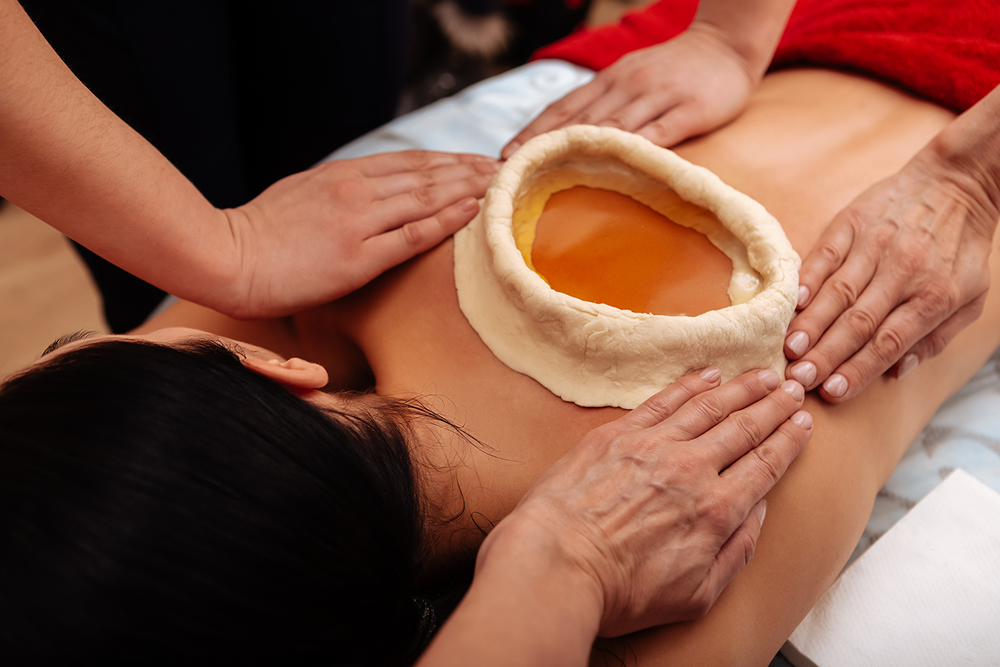
  • Kati Basti: A unique Ayurvedic treatment where warm herbal oil is retained on the lower back for pain relief.
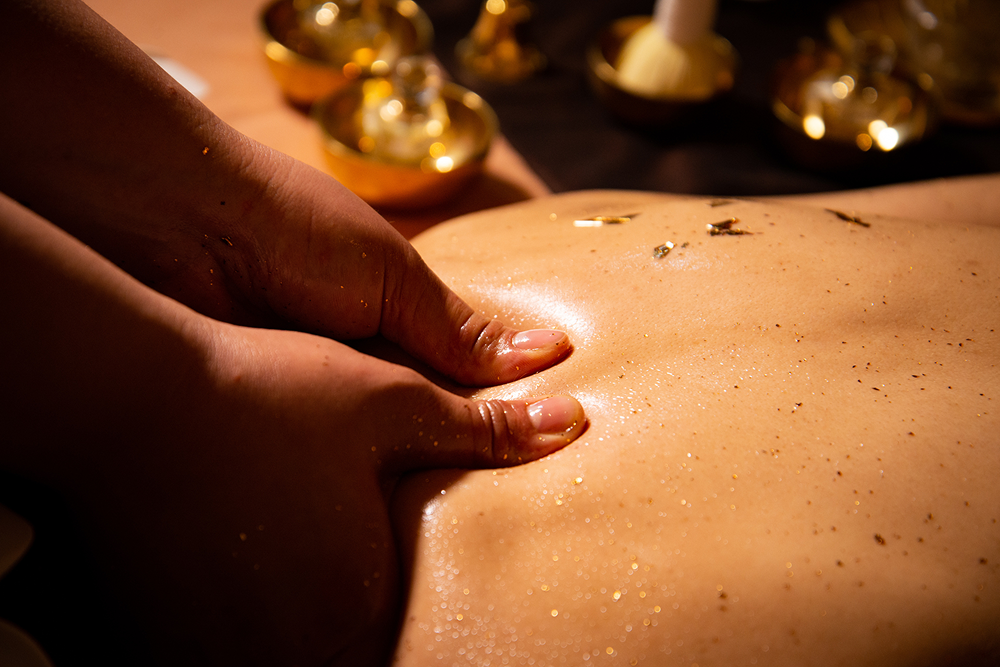
  • Abhyanga (full-body oil massage): Improves circulation, reduces stiffness, and nourishes tissues.
  • Basti therapy: Herbal enemas that balance Vata and strengthen the spine.

2. Ayurvedic Oil Massage for Back Pain

  • Use of medicated oils like Mahanarayan oil, Dhanwantharam oil, and Sahacharadi oil provides deep relief.
  • Regular massage reduces inflammation and promotes the healing of muscles and ligaments.

3. Siddha Treatments for Spine & Back Pain

  • Siddha medicine uses herbal poultices, external oil applications, and Varma therapy (pressure point therapy).
  • Helps in conditions like sciatica, slipped disc, and chronic lumbar pain.

4. Herbal Remedies for Back Pain

Some time-tested remedies include:

  • Ashwagandha – Strengthens muscles and nerves
  • Shallaki (Boswellia) – Natural anti-inflammatory
  • Guggulu – Reduces stiffness
  • Turmeric – Relieves pain and swelling

Conditions Managed with Ayurveda & Siddha

  • Chronic lower back pain
  • Sciatica Ayurvedic treatment – Relieves radiating pain and nerve irritation
  • Slip disc pain – Natural Ayurvedic remedies reduce swelling around nerves
  • Arthritis-related back pain
  • Muscle stiffness from a sedentary lifestyle

Holistic Back Pain Management with Ayurveda

Ayurveda and Siddha do not stop at external therapies. They also focus on:

  • Diet corrections: Warm, easily digestible foods, avoiding excess cold or dry items.
  • Lifestyle tips: Regular yoga, stretching, proper posture, and mindful relaxation.
  • Daily Abhyanga (oil massage): Prevents recurrence of pain.

Key Benefits of Ayurveda & Siddha for Back Pain:

  • Natural and safe – no harmful side effects
  • Long-lasting relief by treating the root cause
  • Improves mobility and strength
  • Boosts overall energy and wellness

Home Remedies & Self-Care in Ayurveda

  • Apply warm sesame oil with turmeric to the lower back.
  • Drink ginger tea daily to reduce inflammation.
  • Practice gentle yoga asanas like Bhujangasana and Shalabhasana.
  • Maintain regular sleep and hydration.

Final Thoughts

Holistic Back Pain Management with Ayurveda & Siddha Medicine is more than just pain relief-it is about restoring balance, rejuvenating the body, and preventing recurrence. With therapies like Panchakarma, Ayurvedic oil massage, Siddha herbal remedies, and diet corrections, individuals can experience long-lasting recovery and improved quality of life.

FAQs

Ayurveda doesn’t just suppress pain; it addresses the root cause through therapies, herbal medicines, and lifestyle corrections, offering long-term relief.

Yes, Siddha Hospital specializes in Ayurvedic and Siddha therapies, offering Panchakarma, oil massages, and personalized treatment plans for spine and back issues.

Mahanarayan oil, Dhanwantharam oil, and Sahacharadi oil are highly recommended for massages.

Yes, Sciatica Ayurvedic treatment and natural Ayurvedic remedies for slipped disc back pain are effective in reducing pain and improving mobility.

Balanced diet, yoga, meditation, avoiding long sitting hours, regular oil massage, and detox therapies play a key role.

Ayurvedic Treatment for Abhyanga: Ancient Oil Massage Therapy for Complete Wellness

Ayurveda, the age-old healing science of India, emphasizes the balance of body, mind, and soul through natural therapies. Among its many traditional treatments, Abhyanga therapy holds a very special place. Known as the Ayurvedic treatment for abhyanga, this full-body oil massage is not just a relaxation technique but a holistic therapy that promotes rejuvenation, detoxification, and inner healing.

At Siddha Hospital and other leading Ayurvedic & Siddha centers in Bangalore, abhyangam treatment is practiced as a core part of wellness programs. People suffering from stress, muscle stiffness, fatigue, poor circulation, skin problems, or even early signs of aging often turn to abhyanga, an Ayurvedic massage, as a natural, side-effect-free solution.

What is Abhyanga Massage?

Abhyanga (pronounced Ah-bhee-yang-ga) comes from the Sanskrit words “Abhi” (towards) and “Anga” (limb or body part). It literally means “massaging the body with oil in the direction of energy flow.”

  • In Ayurveda, abhyanga massage is performed using warm herbal oils prepared with specific medicinal herbs tailored to the individual’s body constitution (doshas: Vata, Pitta, Kapha).
  • It is a full-body abhyanga massage, applied from head to toe, often followed by a mild steam therapy (Swedana) to enhance absorption of herbal oils and flush out toxins.
  • This isn’t just a beauty or relaxation massage – it’s a therapeutic abhyangam treatment designed to nourish tissues, improve circulation, calm the nervous system, and restore balance.

At Siddha Hospital in Bangalore, doctors recommend abhyanga ayurvedic massage for those struggling with lifestyle stress, chronic fatigue, joint pain, or skin conditions.

Abhyanga Massage Benefits

The benefits of abhyanga massage go far beyond relaxation. Ayurvedic texts and modern clinical observations highlight its holistic healing effects. Some of the abhyangam treatment benefits include:

  • Deep relaxation & stress relief – Calms the nervous system, reduces anxiety, and promotes sound sleep.
  • Improved circulation – Stimulates blood flow, helping nourish tissues and remove toxins.
  • Joint and muscle health – Relieves stiffness, improves flexibility, and supports arthritis management.
  • Healthy skin – Regular abhyanga makes skin soft, smooth, and radiant while delaying signs of aging.
  • Detoxification – Helps flush out ama (toxins) from the body when followed by steam therapy.
  • Boosts immunity – Strengthens the body’s defense system against seasonal illnesses.
  • Balances doshas – Especially effective in reducing Vata imbalance (dryness, anxiety, fatigue).

Tip: Using specific herbal oils such as Dhanwantharam Thailam, Ksheerabala Thailam, or Bala Ashwagandha oil enhances the abhyanga oil massage benefits depending on individual health needs.

Abhyangam Treatment at Siddha Hospital in Bangalore

If you are searching for an authentic Ayurvedic massage in Bangalore, Siddha Hospital offers specialized abhyangam treatment under the guidance of trained Ayurveda and Siddha doctors.

  • Customized approach – Oils are selected based on your dosha and health condition.
  • Therapeutic techniques – Abhyanga follows traditional strokes prescribed in Ayurvedic texts.
  • Professional therapists – Experienced hands ensure proper pressure, rhythm, and energy flow.
  • Integration with Siddha care – Patients benefit from a blend of Ayurvedic and Siddha medicine for deeper healing.

Many patients have experienced relief from stress-related health issues, chronic fatigue, joint stiffness, and skin conditions after regular sessions of abhyanga therapy.

How Abhyanga Massage Works in Ayurveda

Ayurveda believes that most health problems arise from imbalances in Vata, Pitta, and Kapha. Among these, Vata imbalance is often responsible for dryness, joint pain, anxiety, and aging symptoms.

  • Abhyanga ayurvedic massage uses warm oil to pacify Vata, lubricate joints, and nourish the skin.
  • Oils infused with herbs penetrate deep into tissues (dhatus), promoting regeneration and energy flow.
  • Regular full-body abhyanga massage also enhances ojas (vital life force), which boosts immunity and vitality.

Best Oils Used for Abhyanga Ayurvedic Massage

Different oils are recommended for different dosha types:

  • For Vata imbalance – Sesame oil, Bala Ashwagandha oil
  • For Pitta imbalance – Coconut oil, Brahmi oil, Ksheerabala Thailam
  • For Kapha imbalance – Mustard oil, Triphala oil

Note: At Siddha Hospital in Bangalore, doctors often combine oils with specific Siddha herbal formulations for enhanced healing results.

Step-by-Step Abhyanga Therapy (Traditional Process)

  • Warm herbal oil is selected according to dosha.
  • The oil is gently heated and applied from head to toe.
  • Massage strokes are rhythmic, moving in the direction of blood flow.
  • Extra attention is given to joints, spine, and pressure points.
  • A mild steam bath (swedana) follows, helping oils penetrate deeper.
  • Finally, the body is wiped clean or bathed with herbal powders.

When Should You Try Abhyanga?

  • Daily self-massage (even for 10–15 minutes)

For conditions like:

  • Insomnia
  • Dry skin & early aging
  • Arthritis & joint pain
  • Fatigue & poor immunity

Final Thoughts

The Ayurvedic treatment for abhyanga is more than a massage-it is a healing ritual for body, mind, and spirit. With regular practice or professional therapy at places like Siddha Hospital, you can enjoy the benefits of abhyanga, such as stress relief, detoxification, joint support, glowing skin, and improved immunity.

FAQs

It is a traditional full-body Ayurvedic massage with herbal oils designed to balance doshas, improve circulation, and promote overall well-being.

Daily self-abhyanga is recommended. For therapeutic purposes, doctors suggest 2–3 times per week.

It helps regulate hormones, eases menstrual discomfort, reduces stress, and nourishes the skin.

Yes, regular abhyanga therapy calms the nervous system, reduces anxiety, and promotes deep sleep.

Siddha Hospital in Bangalore is one of the best centers offering authentic Ayurvedic and Siddha abhyanga treatments.

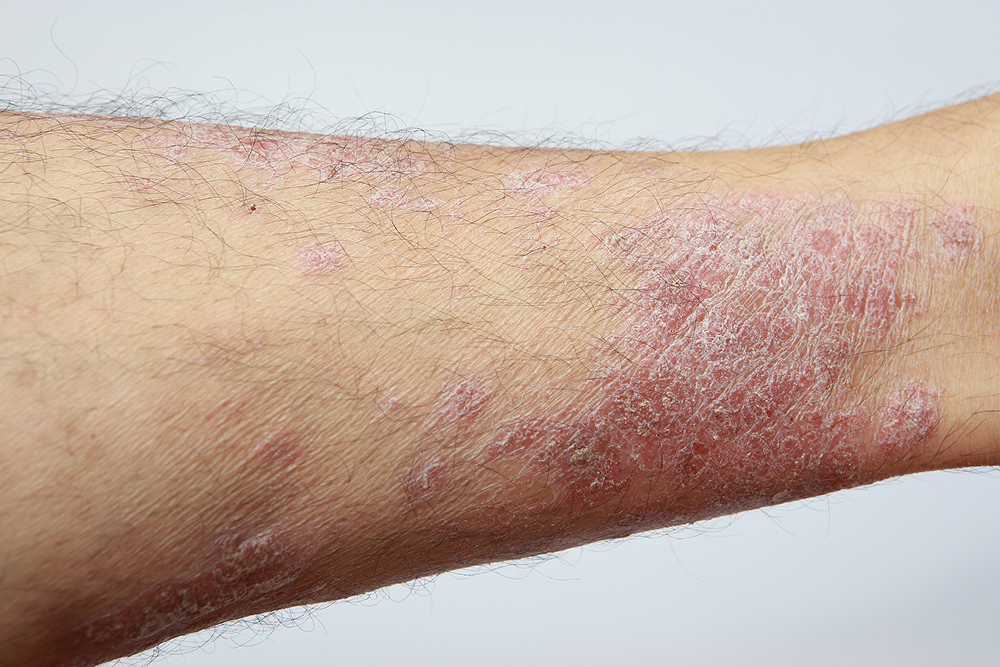
How Ayurveda Treats Fungal Infections Naturally Without Side Effects

Fungal infections are a common health concern today, ranging from skin rashes, athlete’s foot, and ringworm to more chronic issues like candida overgrowth. Many people rely on chemical-based creams and antifungal drugs that often provide temporary relief but come with side effects. This is where Ayurvedic treatment for fungal infection and Siddha medicine stand apart, offering natural remedies without harmful chemicals.

At Siddha Hospital in Bangalore and other Ayurvedic care centers across India, specialists utilize herbal antifungal remedies, Ayurvedic creams, and lifestyle modifications to treat fungal infections at their root. Ayurveda focuses on balancing the doshas, removing toxins (Ama), and strengthening immunity, rather than just suppressing symptoms.

Ayurveda’s View on Fungal Infections

In Ayurveda, fungal infections are often categorized under “Dadru” (ringworm-like skin diseases) or related “Kushtha rogas” (skin disorders). They arise due to:

  • Kapha and Pitta imbalance – leading to excessive moisture and heat in the body.
  • Weak digestion (Agni) – causing accumulation of Ama (toxins).
  • Low immunity (Ojas imbalance) – making the body prone to fungal growth.

Unlike modern creams, Ayurveda addresses the root imbalance, so recurrence is minimized.

Best Ayurvedic Medicine for Fungal Infection

When it comes to fungal infection, Ayurvedic medicine has several herbs and formulations that have been trusted for centuries:

  • Neem (Azadirachta indica) – Potent antifungal and antibacterial.
  • Turmeric (Haridra) – Reduces inflammation, fights fungal spores.
  • Aloe vera gel – Soothes itching and burning.
  • Triphala – Detoxifies blood and removes Ama.
  • Guggulu formulations – Work well in chronic skin infections.

For fungal infection treatment in Ayurveda, doctors often prescribe herbal powders, decoctions, and Ayurvedic creams for fungal infection on the skin and private parts (both male and female).

Siddha Medicine for Fungal Infections

Siddha Hospital in Bangalore also provides excellent care for skin fungal infections and Ayurvedic treatment. Siddha medicine uses herbs like:

  • Vettiver (Khus)
  • Karunjeeragam (Black cumin seeds)
  • Avarampoo

These herbs are combined in oils and pastes to naturally cure infections.

Ayurvedic Treatment for Fungal Infections in the Private Parts

Fungal infections in sensitive areas can be painful and embarrassing. Instead of harsh chemical creams, Ayurvedic medicine for fungal infection in the private parts (for both male and female) uses:

  • Neem oil with turmeric – applied externally.
  • Ayurvedic antifungal powders – to keep the area dry.
  • Dietary changes – to reduce excess Kapha (avoid dairy, fried foods, sugar).

This natural cure for fungal infection works gently without side effects.

Panchakarma for Chronic Fungal Infection

When fungal infections become chronic, Ayurveda recommends Panchakarma therapies, which deeply detoxify the body.

  • Virechana (medicated purgation) – removes excess Pitta.
  • Raktamokshana (blood purification) – balances skin health.
  • Abhyanga with antifungal oils – reduces itching and irritation.

Panchakarma not only removes toxins but also strengthens immunity, preventing recurrence.

Herbal Home Remedies for Fungal Infections

Here are some effective Ayurvedic home remedies for fungal infections:

  • Neem leaves decoction wash – excellent for skin fungal infection.
  • Turmeric paste – natural antifungal for ringworm and athlete’s foot.
  • Aloe vera with sandalwood paste – a cooling remedy for candida and eczema.
  • Garlic paste – strong antifungal for stubborn skin patches.
  • Ayurvedic herbal teas (Triphala, Tulsi, Neem) – to detoxify blood.

Diet & Lifestyle for Fungal Infection Prevention

A strong Ayurvedic diet ensures long-term healing. Avoid foods that aggravate Kapha and Pitta, and include more immunity-boosting items.

Foods to Avoid:

  • Excess sugar and sweets
  • Fermented foods
  • Fermented foods
  • Excess dairy

Foods to Include:

  • Bitter vegetables (bitter gourd, neem leaves)
  • Fresh fruits (pomegranate, apple, papaya)
  • Herbal teas with tulsi and ginger
  • Whole grains like barley and millet

Ayurveda vs Allopathy for Fungal Infections

AspectAllopathyAyurveda
FocusSymptom suppressionRoot cause healing
TreatmentCreams, antifungal drugsHerbs, oils, Panchakarma
Side EffectsCommon (skin irritation, liver strain)Minimal to none
RecurrenceOften frequentRare with a proper lifestyle

Conclusion

Ayurvedic treatment for fungal infection is a safe, effective, and holistic solution. By combining herbal medicines, Panchakarma therapies, diet corrections, and natural remedies, Ayurveda cures fungal infections from the root without harmful side effects.

If you are struggling with recurrent fungal infections, consult Siddha Hospital in Bangalore or any reputed Ayurvedic practitioner for a personalized treatment plan. With the right approach, Ayurveda ensures long-lasting healing, stronger immunity, and infection-free skin.

FAQs

Neem, turmeric, Triphala, and antifungal Ayurvedic oils are highly effective.

Yes. Ayurveda offers gentle herbal remedies for both men and women without side effects.

It detoxifies the body, purifies blood, and boosts immunity to prevent recurrence.

Mild infections may heal in 2–3 weeks, while chronic cases may need 2–3 months of therapy.

Yes, since Ayurveda uses natural herbs and oils, it is much safer than chemical creams.

Ayurvedic Treatment for Hair Loss: Natural Remedies for Strong, Healthy Hair

Introduction

Hair loss has become one of the most common concerns today, affecting both men and women. Stress, poor diet, hormonal imbalance, pollution, and chemical-based products often make the condition worse. Many turn to quick fixes, but Ayurveda and Siddha medicine offer natural, long-lasting solutions for hair fall, dandruff, premature greying, and even baldness.

At Siddha Hospital in Bangalore, Ayurvedic and Siddha doctors offer holistic treatments that combine Ayurvedic hair loss therapies, personalized diet plans, herbal remedies, and therapeutic oils to promote natural hair regrowth. Unlike temporary solutions, Ayurveda and Siddha focus on root-cause healing, ensuring stronger, thicker, and healthier hair over time.

Causes of Hair Loss in Ayurveda and Siddha

In Ayurveda, hair fall is linked to an imbalance in Vata, Pitta, and Kapha doshas:

  • Excess Pitta – Leads to premature greying, hair thinning, and scalp inflammation.
  • High Vata – Causes dryness, brittle hair, and dandruff.
  • Kapha imbalance – Results in oily scalp, clogging of follicles, and hair fall.

Siddha medicine also recognizes similar imbalances and prescribes Siddha hair care remedies to nourish the scalp, improve blood circulation, and encourage regrowth.

Ayurvedic & Siddha Therapies for Hair Regrowth

Ayurveda and Siddha hospitals offer a range of therapies that promote natural hair health.

1. Ayurvedic Oils for Preventing Hair Thinning and Baldness

  • Bhringraj Oil – Known as “Keshraj” (king of hair), it promotes regrowth and prevents premature greying.
  • Amla Oil – Strengthens roots, reduces dandruff, and nourishes scalp.
  • Neem Oil – Effective against fungal infections on the scalp.
  • Coconut & Brahmi Oil – Improves scalp circulation and relaxes the mind.

Siddha oils are also prepared with unique herbs like Vallari, Vettiver, and Curry leaves, offering deep scalp nourishment.

2. Siddha Hair Care Therapies

  • Thala Pothichal (herbal paste applied on scalp) – Prevents excess hair fall.
  • Nasiyam (medicated nasal drops) – Improves oxygen flow and reduces stress-induced hair fall.
  • Oil massage with Siddha herbal oils – Strengthens hair follicles.
  • Dietary changes – Focus on iron-rich foods, leafy greens, nuts, and seeds for better scalp health.

3. Ayurvedic Diet & Herbs for Healthy Hair Growth

Diet plays a crucial role in hair health. A Pitta-balancing diet is highly recommended.

Best Ayurvedic foods for hair:

  • Amla (Indian gooseberry)
  • Methi seeds
  • Curry leaves
  • Black sesame seeds
  • Coconut
  • Triphala

Vata-balancing foods like ghee, warm soups, and nuts are helpful for dry scalp issues.
Kapha-reducing foods like ginger, turmeric, and leafy greens prevent oily scalp conditions.

Herbal Hair Loss Remedies (Home-Based)

You can try some effective Ayurveda and Siddha remedies at home:

  • Amla juice or oil daily for hair strength.
  • Fenugreek (Methi) paste applied to the scalp reduces dandruff and hair thinning.
  • Aloe vera gel soothes scalp irritation and promotes regrowth.
  • Bhringraj powder + oil pack for hair thickening.
  • Hibiscus flower paste to prevent premature greying.

Effective Ayurveda Hair Packs for Stronger, Thicker Hair

  • Amla + Reetha + Shikakai – Natural shampoo for cleansing..
  • Fenugreek + Yogurt – Reduces dandruff and dryness.
  • Hibiscus + Aloe Vera pack – Boosts shine and thickness.

Best Siddha & Ayurvedic Remedies for Stress-Related Hair Fall

Stress is one of the biggest triggers for hair loss. Both Ayurveda and Siddha therapies recommend:

  • Shirodhara – Warm medicated oil poured on the forehead for relaxation.
  • Yoga & Meditation – Reduces cortisol, improves blood circulation.
  • Pranayama & Breathwork – Enhances oxygen flow to hair roots.

Bullet Point Summary – Why Choose Ayurvedic & Siddha Hair Treatments?

  • Root-cause healing by balancing doshas.
  • Personalized diet & herbal care for each body type.
  • Effective for dandruff, premature greying, baldness, and hair fall.
  • Proven oils & packs for scalp nourishment and regrowth.

Ayurvedic Dosha & Hair Remedies

Dosha ImbalanceSymptomsAyurvedic & Siddha Remedies
VataDry scalp, brittle hairWarm oil massage, ghee, nuts, Triphala
PittaThinning, greying, dandruffAmla, Bhringraj, and cooling foods
KaphaOily scalp, clogged folliclesGinger, neem oil, turmeric, leafy greens

Conclusion

Hair loss can be distressing, but Ayurvedic treatment for hair loss and Siddha remedies offer natural, safe, and effective solutions. From herbal oils to Siddha therapies, from dosha-balancing diets to stress relief techniques, these ancient systems provide holistic care for scalp and hair health.

For individualized care if you are dealing with baldness, dandruff, or hair thinning, speak with a skilled Ayurvedic physician or Siddha Hospital in Bangalore. You can naturally restore the strength, thickness, and gloss of your hair with regular maintenance.

FAQs

Regular oiling with Bhringraj or Amla oil, diet correction, and herbal remedies like Triphala are considered best.

Yes, Siddha Hospital provides personalized therapies combining herbal oils, scalp treatments, and diet for effective regrowth.

Bhringraj oil, Brahmi oil, and Amla oil are excellent for preventing bald patches.

Typically, 3–6 months of consistent treatment show visible improvements.

A balanced Ayurvedic diet supports scalp health, but combining it with oils, herbs, and stress management gives the best results.

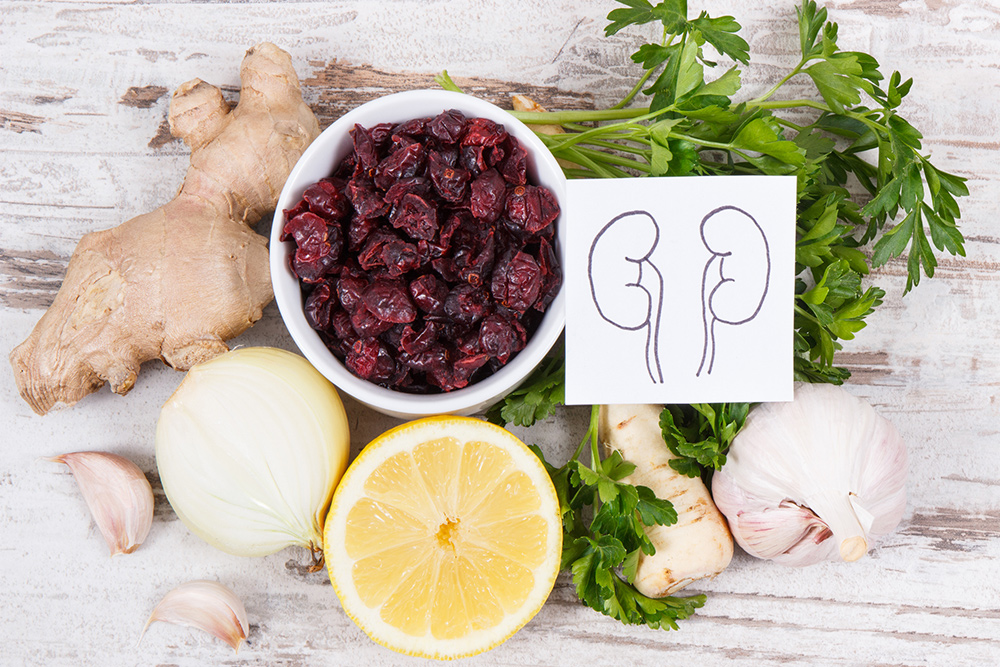
Home Remedies to Reduce Creatinine Naturally with Ayurveda

Creatinine is a natural waste product in the body, formed when muscles break down creatine during daily activity. Normally, the kidneys filter creatinine and expel it through urine. However, when kidney function weakens, serum creatinine levels increase, which can be hazardous if not managed promptly. Elevated creatinine may indicate chronic kidney disease, diabetes-related kidney stress, or lifestyle issues.

Ayurveda offers holistic solutions to naturally reduce creatinine, focusing on balancing doshas, strengthening the kidneys, and utilizing herbal medicines, dietary changes, and lifestyle therapies. If you are looking for home remedies to reduce creatinine, Ayurveda provides effective ways without harmful side effects.

In this blog, we’ll explore Ayurvedic medicine for creatinine, diet guidelines, lifestyle tips, and natural remedies, along with insights into Siddha Hospital in Bangalore, where traditional medicine supports kidney health.

Understanding Creatinine and Kidney Health in Ayurveda

According to Ayurveda, the kidneys are governed by the Apana Vata and play a major role in filtering toxins (ama) from the blood. When Vata dosha is aggravated or when Kapha imbalance causes blockages, kidney filtration gets hampered, leading to elevated creatinine levels.

Normal Creatinine Levels:

  • Men: 0.7 – 1.3 mg/dL
  • Women: 0.6 – 1.1 mg/dL

Higher levels may indicate renal dysfunction. Ayurveda views this as a dosha imbalance, primarily Vata aggravation with Kapha accumulation in the urinary tract.

Ayurvedic Approach: How to Reduce Creatinine Naturally

Ayurveda recommends a comprehensive healing plan instead of suppressing symptoms. Treatment includes:

  • Ayurvedic medicines for creatinine control
  • Kidney-supporting herbs
  • Dietary modifications (Pathya-Apathya)
  • Lifestyle corrections for Vata balance

Ayurvedic Medicines for Creatinine Control

Several herbs and formulations are effective in lowering creatinine levels and restoring kidney function:

  • Punarnava (Boerhavia diffusa): Natural diuretic that reduces swelling and supports kidney detox.
  • Gokshura (Tribulus terrestris): Strengthens the urinary tract and improves kidney filtration.
  • Varun (Crataeva nurvala): Clears urinary blockages and prevents stone formation.
  • Chandraprabha Vati: Classical formulation for kidney, bladder, and urinary health.
  • NeerKovai (used in Siddha medicine): Traditionally prescribed in Siddha hospitals for renal function.

Siddha Hospital in Bangalore offers specialized care combining Ayurvedic and Siddha medicines for creatinine control, focusing on root-cause healing.

Home Remedies to Reduce Creatinine Levels

Here are simple and effective home remedies you can try along with Ayurvedic treatment:

  • Stay Hydrated (But Avoid Overhydration): Drink adequate warm water, not excess.
  • Barley Water: Helps reduce creatinine by promoting diuresis.
  • Coriander Seeds Water: Natural kidney cleanser.
  • Boiled Drumstick Leaves Soup: Supports detoxification.
  • Cucumber & Bottle Gourd Juice: Keeps kidneys cool and helps in toxin removal.
  • Avoid a High-Protein Diet: Too much protein increases creatinine. Stick to light, plant-based food.
  • Reduce Salt and Processed Food: Lowers kidney strain.
  • Limit Phosphorus-rich Foods (Red meat, dairy, soda).

Panchakarma and Creatinine Reduction

Panchakarma therapies are effective in detoxifying the kidneys and balancing doshas:

  • Virechana (Purgation therapy): Clears Pitta toxins from the blood.
  • Basti (Medicated Enema): Balances Vata dosha and improves Apana Vata function.
  • Raktamokshana (Bloodletting): Helps purify blood and reduce toxin load.

Foods to Reduce Creatinine in Ayurveda

Here’s a simple diet guide:

Foods to IncludeFoods to Avoid
Barley waterRed meat
Cucumber, bottle gourdProcessed foods
Fresh fruits like apples, papayaFried food
Herbal teas (coriander, cumin, ginger)Alcohol
Moong dal (easily digestible protein)Excess dairy

Lifestyle Tips for Lowering Creatinine

  • Practice Pranayama (deep breathing) to balance Vata.
  • Include Yoga poses like Bhujangasana, Vajrasana, and Pawanmuktasana.
  • Maintain proper sleep; avoid late nights.
  • Reduce stress through meditation.
  • Avoid smoking and alcohol.

Conclusion

High creatinine is a warning sign of kidney stress. Ignoring it may lead to complications like chronic kidney disease. Ayurveda and Siddha medicine provide a safe, natural, and effective solution by combining herbal medicine, Panchakarma, lifestyle changes, and diet modifications.

If you are in South India, you can also consult Siddha Hospital in Bangalore for personalized care. By adopting these home remedies to reduce creatinine, along with Ayurvedic guidance, you can protect kidney health and restore natural balance.

Takeaway: With the right Ayurvedic diet, herbal medicine, and lifestyle, it is possible to reduce creatinine levels naturally without side effects.

FAQs

Ayurveda doesn’t “suppress” but balances doshas and restores kidney function. With proper diet, herbs, and lifestyle, levels can be managed naturally.

Herbs like Punarnava, Gokshura, and Varun, along with classical formulations like Chandraprabha Vati, are highly recommended.

Siddha hospitals in Bangalore use herbs like NeerKovai, SiruKurinjan, and formulations that strengthen kidney filtration.

Barley water, cucumber juice, bottle gourd, coriander water, and papaya are natural remedies.

Yes. Panchakarma therapies like Virechana and Basti detoxify the kidneys and restore balance.

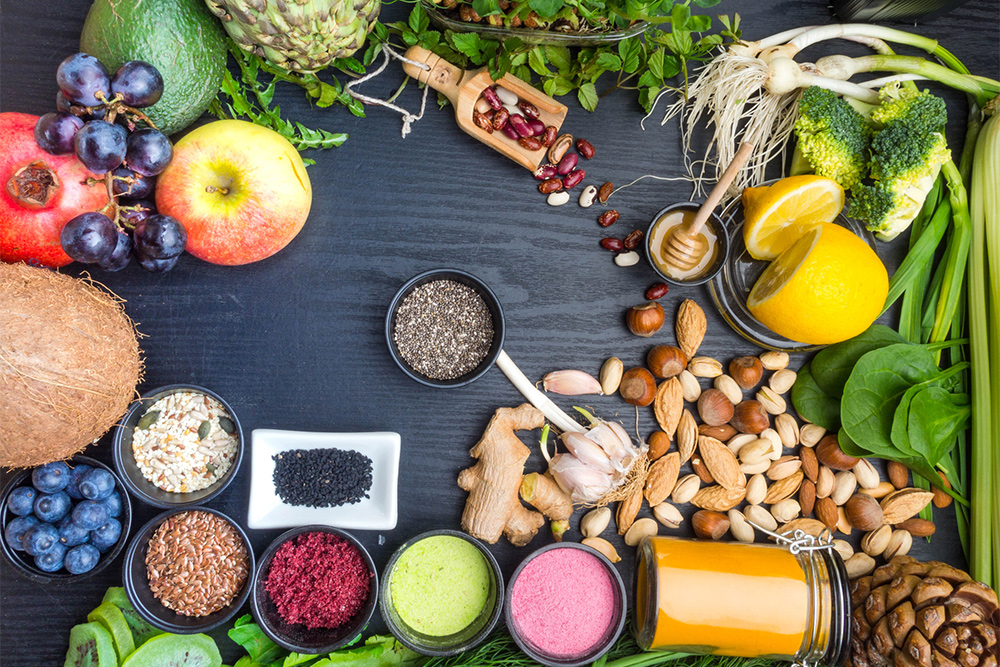
Ayurvedic Dosha Balancing Diet: A Complete Guide to Restoring Health & Harmony

Introduction: Why an Ayurvedic Diet Matters

When it comes to restoring balance in the body, the Ayurvedic Dosha Balancing Diet is one of the most effective natural approaches. Ayurveda, the ancient Indian system of healing, teaches us that each person is governed by three biological energies, or doshas: Vata, Pitta, and Kapha. An imbalance in these doshas often leads to digestive issues, fatigue, stress, weight fluctuations, and even chronic illness.

If you have ever wondered why some foods make you feel energized while others leave you sluggish, Ayurveda explains it through doshas. The right Ayurvedic diet and foods that balance all doshas can help restore inner harmony. Even leading holistic centers like Siddha Hospital in Bangalore use diet therapy alongside Ayurvedic treatments for optimal results.

Understanding the Three Doshas in Ayurveda

1. Vata Dosha – Governs movement, creativity, energy, and flexibility.

  • When imbalanced, it causes anxiety, constipation, dry skin, and restlessness.

2. Pitta DoshaControls digestion, metabolism, and transformation.

  • When imbalanced, it leads to acidity, anger, skin rashes, and ulcers.

3. Kapha Dosha – Provides structure, strength, and immunity.

  • When imbalanced, it causes obesity, lethargy, respiratory issues, and water retention.

The goal of an Ayurvedic diet is to bring harmony among these doshas.

Ayurvedic Diet for Vata Dosha

People with dominant Vata dosha often feel cold, restless, and have irregular digestion. They benefit from warm, grounding, and oily foods.

Best Vata-Balancing Foods:

  • Grains: Rice, oats, wheat
  • Vegetables: Cooked carrots, beets, squash, sweet potatoes
  • Fruits: Ripe bananas, mangoes, oranges, papayas
  • Proteins: Moong dal, urad dal, warm milk, paneer
  • Spices: Ginger, cinnamon, fennel, cardamom

Foods to Avoid:

  • Raw salads
  • Dry snacks
  • Cold drinks
  • Excess caffeine

Ayurvedic Diet for Pitta Dosha

People with Pitta dominance tend to have strong digestion but are prone to acidity, ulcers, and skin inflammation. They need cooling and calming foods.

Best Pitta-Balancing Foods:

  • Grains: Barley, wheat, rice
  • Vegetables: Cucumber, zucchini, asparagus, leafy greens
  • Fruits: Melons, pears, pomegranates, cherries
  • Dairy: Cow’s milk, ghee, fresh butter
  • Herbs: Coriander, mint, fennel

Foods to Avoid:

  • Spicy chilies, sour pickles
  • Fermented foods
  • Alcohol and coffee
  • Oily fried foods

Ayurvedic Diet for Kapha Dosha

Those with Kapha dominance gain weight easily and feel heavy or sluggish. They need a light, warming, and stimulating diet.

Best Kapha-Balancing Foods:

  • Grains: Barley, millet, quinoa
  • Vegetables: Spinach, kale, bitter gourd, cabbage
  • Fruits: Apples, pears, berries
  • Proteins: Lentils, beans, light dairy
  • Spices: Turmeric, black pepper, ginger, clove

Foods to Avoid:

  • Excess sweets
  • Fried and oily food
  • Heavy dairy
  • Cold desserts and ice creams

Foods That Balance Each Dosha

DoshaBest FoodsAvoid Foods
VataWarm milk, rice, ghee, sweet fruitsRaw salads, cold drinks
PittaCooling fruits, cucumber, coriander, and gheeSpicy, oily, sour pickles
KaphaQuinoa, barley, leafy greens, ginger teaFried foods, heavy sweets

Balancing Multiple Doshas: Pitta-Vata & Vata-Kapha Diet Plans

Many people are a combination of two doshas. For example:

  • Pitta-Vata Diet: Focus on cooling, moist foods (to balance Pitta) but keep them warm and grounding (to balance Vata). Example: Warm khichdi with ghee, mint chutney, and cooked vegetables.
  • Vata-Kapha Diet Plan: Focus on warm, light foods with spices that aid digestion. Example: Moong dal soup, ginger tea, and lightly steamed greens.
  • Pitta-Kapha Prakriti Diet: Opt for light, cooling foods with mild spices-example: Barley porridge with cucumber raita and coriander chutney.

Benefits of Following an Ayurvedic Dosha Balancing Diet

  • Improves digestion & reduces bloating
  • Balances weight naturally
  • Boosts energy & mental clarity
  • Enhances skin health
  • Strengthens immunity
  • Prevents lifestyle diseases

Even traditional centers like Siddha Hospital use Ayurvedic food therapy alongside herbal remedies to heal conditions like acidity, obesity, and skin problems.

Daily Routine for a Balanced Ayurvedic Diet

  • Start the day with warm water and herbal tea.
  • Include fresh fruits for breakfast.
  • Have wholesome grains and lentils for lunch.
  • Keep dinner light and early.
  • Use ghee, spices, and seasonal vegetables.
  • Avoid processed foods and late-night snacking.

Conclusion

The Ayurvedic Dosha Balancing Diet is not just about eating healthy-it’s about aligning your food choices with your body’s unique constitution. Whether you are following a Kapha diet, Vata dosha diet, or Pitta-Vata diet, the key is moderation, mindfulness, and seasonal eating.

By practicing this, you’ll experience better digestion, clearer skin, improved energy, and a balanced mind-body connection. If you are seeking deeper guidance, clinics like Siddha Hospital in Bangalore integrate diet with Ayurvedic therapies for long-term healing.

FAQs

Yes, eating seasonal, fresh, and sattvic foods (light, pure foods) helps balance all doshas naturally.

An Ayurvedic doctor or tools at clinics like Siddha Hospital in Bangalore can help identify your prakriti (body type).

Yes, but in moderation. Natural sweet fruits are better than refined sugar.

Yes, but quantity differs. Vata and Pitta benefit more, while Kapha should use it sparingly.

Turmeric, ghee, leafy greens, and seasonal fruits improve skin naturally.

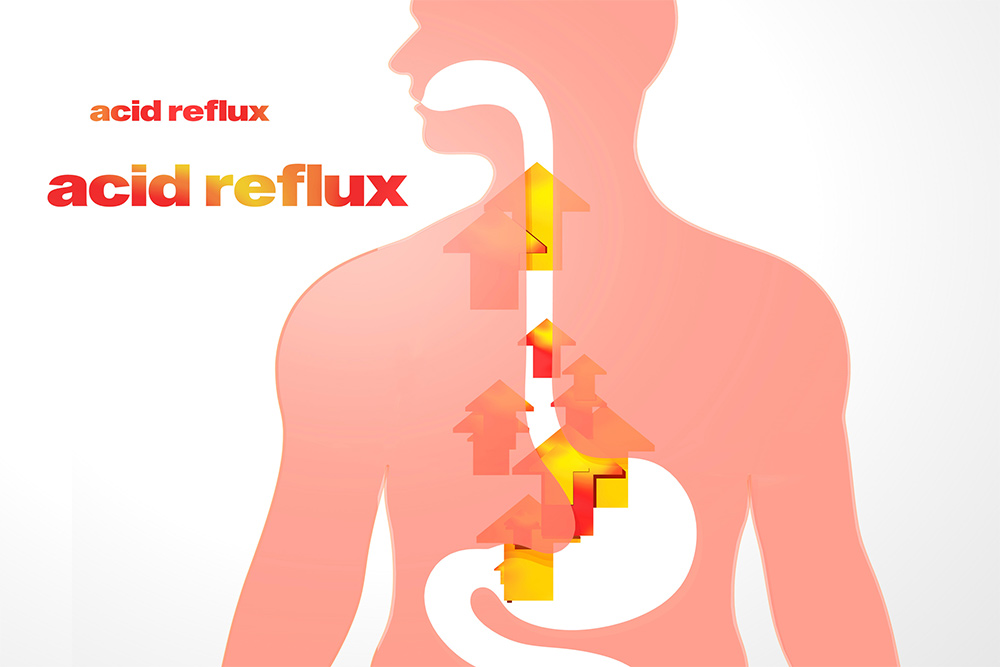
Ayurvedic Treatment for Acid Reflux: Natural Relief for Acidity & GERD

Acid reflux and GERD (Gastroesophageal Reflux Disease) have become extremely common in today’s fast-paced lifestyle. The burning sensation in the chest, known as heartburn, along with acidity, bloating, and indigestion, can disturb daily life. While modern medicine often prescribes antacids and proton pump inhibitors, these only provide temporary relief.

Ayurveda offers a holistic solution for acid reflux by addressing the root cause-imbalanced doshas, weak Agni (digestive fire), and accumulation of Ama (toxins). Through Ayurvedic treatment for acid reflux, lifestyle changes, diet corrections, herbal remedies, and therapies like Panchakarma, one can achieve lasting relief from acidity and GERD.

If you are seeking a natural Ayurvedic remedy for acid reflux, trusted centers like Siddha Hospital in Bangalore combine the strengths of Ayurveda and Siddha medicine to treat digestive disorders holistically.

Understanding Acid Reflux in Ayurveda

In Ayurveda, acid reflux is closely linked to Agni (digestive fire) and Pitta dosha imbalance. When Pitta becomes aggravated due to wrong diet, stress, and irregular routines, excess acid is produced in the stomach. This leads to burning sensations, sour belching, nausea, and reflux.

Key causes of acid reflux in Ayurveda:

  • Excessively spicy, oily, and junk foods
  • Eating late at night
  • Stress and anxiety
  • Irregular eating habits
  • Weak digestive Agni
  • Ama buildup (undigested toxins)

 Ayurveda refers to this condition as Amlapitta, which closely resembles modern acid reflux and GERD.

Ayurvedic Remedies for Acid Reflux

Ayurveda focuses on natural healing instead of suppressing symptoms. The following Ayurvedic treatments for acid reflux are widely recommended:

Herbal Medicines:

  • Triphala – improves digestion and detoxifies
  • Licorice (Yashtimadhu) – soothes the stomach lining
  • Amla (Indian Gooseberry) – balances Pitta and cools the system
  • Shatavari – excellent for acidity and esophageal healing
  • Ghee for acid reflux – lubricates and protects the stomach lining

Panchakarma Therapies:

  • Virechana (therapeutic purgation) for excess Pitta
  • Basti (medicated enema) to balance Vata and Pitta

Dietary Recommendations:

  • Eat warm, light meals
  • Avoid spicy, fried, and sour foods
  • Include cooling foods like cucumber, coconut water, and buttermilk
  • Drink warm water with cumin seeds

Ayurvedic Diet & Lifestyle for Acid Reflux

Food plays a major role in controlling GERD naturally. Ayurveda recommends a Pitta-pacifying diet to balance acidity.

Diet Tips

  • Eat at regular intervals
  • Include herbs like coriander, fennel, and cumin
  • Avoid caffeine, alcohol, and carbonated drinks
  • Prefer freshly cooked meals

Lifestyle Tips

  • Practice yoga postures like Vajrasana and Pawanmuktasana
  • Sleep on your left side to prevent reflux
  • Manage stress with meditation and pranayama
  • Avoid lying down immediately after meals

Modern vs Ayurvedic Approach to Acid Reflux

AspectModern TreatmentAyurvedic Treatment
FocusSymptom reliefRoot cause healing
MedicinesAntacids, PPIsHerbal formulations
Side EffectsPossible long-term risksMinimal / none
Lifestyle ConsiderationRarely addressedStrongly emphasized
Long-term ReliefTemporarySustainable relief

Best Ayurvedic Medicines for Acid Reflux

Here are some commonly prescribed Ayurvedic medicines for indigestion and GERD:

  • Avipattikar Churna – balances Pitta
  • Kamdudha Ras – relieves burning sensation
  • Sutshekhar Ras – excellent for acidity and nausea
  • Dadimashtaka Churna – improves digestion and reduces bloating

(Always consult an Ayurvedic doctor before consuming medicines.)

Siddha Hospital & Ayurveda for Acid Reflux

If you are looking for professional care, Siddha Hospital in Bangalore offers specialized treatments that combine Ayurvedic medicine and Siddha therapies. They offer:

  • Customized diet plans for Pitta balance
  • Herbal remedies for GERD and acid reflux
  • Stress management therapies

This holistic approach helps patients not only reduce symptoms but also permanently strengthen their digestion.

FAQs

Yes, Ayurveda treats the root cause by balancing Pitta and improving digestion. With diet, lifestyle, and herbal medicines, long-term relief is possible.

Amla, licorice, Shatavari, coriander, and Triphala are commonly used.

Yes, ghee for acid reflux is highly beneficial as it soothes the stomach lining and reduces burning.

Virechana and Basti are highly recommended for balancing aggravated doshas.

Relief can be noticed in a few weeks, but consistent lifestyle and dietary practices are essential for long-term results.

Ayurvedic Treatment for Acne: Natural Remedies for Clear & Healthy Skin

Acne is one of the most common skin conditions that affects teenagers, young adults, and even people in their 30s and 40s. While modern medicine often relies on creams and antibiotics, Ayurvedic treatment for acne offers a holistic and long-term approach. Through Ayurveda for acne, the focus is on correcting internal imbalances, detoxifying the body, and using natural remedies to promote clear and healthy skin.

At Siddha Hospital in Bangalore and many Ayurveda wellness centers across India, specialized therapies are designed to treat acne from its root causes, be it hormonal imbalance, poor digestion, or excess heat (Pitta) in the body. Unlike temporary chemical-based treatments, Ayurvedic medicine for acne works gently, offering sustainable and safe solutions.

Understanding Acne in Ayurveda

According to Ayurveda, acne is called “Yauvan Pidika”, a skin disorder caused mainly by:

  • Excess Pitta Dosha – leading to inflammation and redness
  • Kapha Dosha imbalance – causing oiliness and clogged pores
  • Vata Dosha imbalance – contributing to dryness and scarring

When these doshas are out of balance, toxins (Ama) accumulate in the blood, leading to pimples, blackheads, whiteheads, and even cystic acne.

Ayurvedic Remedies for Acne and Pimples

Ayurveda suggests a blend of internal purification and external treatments. Here are some effective Ayurvedic acne treatments:

1. Ayurvedic Herbs for Acne

  • Neem (Azadirachta indica) – antibacterial, purifies blood
  • Turmeric (Haridra) – anti-inflammatory, reduces swelling
  • Aloe Vera (Kumari) – soothing, promotes skin healing
  • Tulsi (Holy Basil) – prevents bacterial infections

2. Ayurvedic Oils & Powders

  • Kumkumadi Tailam – Ayurvedic oil for glowing skin and acne scars
  • Eladi Choornam – herbal powder for external application
  • Ayurvedic weight loss oils (indirectly help by balancing metabolism and hormones)

3. Panchakarma for Acne

Panchakarma therapies, especially Virechana (purification through purgation), help eliminate excess Pitta and toxins from the system.

Best Ayurvedic Treatments for Acne & Pimples

Ayurvedic TreatmentPurposeEffectiveness
Herbal Face Packs (Lepa)Reduces oiliness, clears poresGood for mild acne
Kashayam (Decoctions)Detoxifies bloodGood for persistent acne
Virechana TherapyEliminates toxinsBest for Pitta imbalance
Diet & Lifestyle ChangesPrevents recurrenceLong-term effect
Ayurvedic Medicine for AcneBalances hormones & digestionEffective for chronic acne

Diet & Lifestyle in Ayurvedic Acne Treatment

In Ayurveda, diet plays a crucial role in maintaining healthy skin.

Foods to Include:

  • Fresh fruits (pomegranates, papaya, melons)
  • Leafy greens and bitter vegetables (bitter gourd, spinach)
  • Whole grains (barley, oats, quinoa)
  • Herbal teas for detoxification

Foods to Avoid:

  • Deep-fried and oily food
  • Excess dairy products
  • Spicy and junk food
  • Refined sugar

Lifestyle Tips:

  • Sleep early and maintain 7–8 hours of rest
  • Practice yoga and pranayama to reduce stress (a trigger for acne)
  • Wash face with mild herbal cleansers (avoid chemical soaps)

Ayurveda vs Siddha: Approaches to Acne

Both Ayurveda and Siddha medicine focus on natural healing, but they differ slightly:

  • Siddha treatment emphasizes mineral-based medicines and external applications for acne.

At a Siddha hospital in Bangalore, you may find unique herbal-mineral formulations for acne alongside diet therapy.

Benefits of Ayurvedic Acne Treatment

  • Holistic approach – treats root causes like hormonal imbalance
  • Natural remedies – free from harmful chemicals
  • Long-lasting results – prevents recurrence of acne
  • Improved skin health – promotes a glow and a clear complexion
  • Safe for all ages – suitable for teenagers and adults

FAQs

Yes, herbs like neem, turmeric, and manjistha, combined with detox therapy, help reduce cystic acne naturally.

Ayurveda focuses on root causes-balancing hormones, detoxifying blood, and correcting digestion-thus providing long-term relief.

Siddha often uses mineral formulations, while Ayurveda emphasizes herbs, diet, and Panchakarma therapies.

Neem and turmeric are considered the most effective herbs due to their antibacterial and anti-inflammatory properties.

Yes, Panchakarma therapies like Virechana help remove toxins and balance Pitta, which is crucial for reducing acne.

Ayurvedic Treatment for High IgE: A Natural Path to Allergy Relief

Introduction: Why High IgE Levels Matter

When your body detects allergens, it produces a type of antibody called Immunoglobulin E (IgE). High IgE levels are often linked with asthma, sinusitis, skin allergies, eczema, and breathing issues. Modern medicine often manages these conditions with long-term medications, but Ayurveda and Siddha hospitals in Bangalore are offering natural, root-cause-based solutions.

In Ayurveda, allergies are considered an imbalance of doshas (Vata, Pitta, Kapha) and impaired immunity (Ojas). By addressing these imbalances, Ayurveda helps restore balance and reduce IgE naturally.

Understanding High IgE and Allergies in Ayurveda

In Ayurveda, allergic responses are viewed as a result of weakened digestion (Agni) and toxin build-up (Ama). When toxins accumulate, the immune system overreacts, leading to skin rashes, sneezing, asthma, or sinusitis.

  • Kapha imbalance → congestion, sinusitis, asthma
  • Pitta imbalance → skin rashes, eczema, hives
  • Vata imbalance → dry cough, wheezing, breathlessness

Ayurveda for Allergies

Ayurveda doesn’t just suppress symptoms. It takes a holistic approach, combining diet, lifestyle, and herbal remedies to bring long-lasting relief.

Ayurvedic Therapies for High IgE and Related Conditions

1. Panchakarma Detox

Panchakarma is a deep detox therapy used in Siddha hospitals in Bangalore. It helps eliminate toxins and balance immunity.

  • Virechana (purgation) for skin allergies
  • Nasya (nasal therapy) for sinusitis & breathing problems
  • Abhyanga (herbal massage) to strengthen immunity

2. Ayurvedic Medicine for Asthma

Some of the best herbal formulations for asthma and high IgE include:

  • Sitopaladi Churna – for respiratory congestion
  • Vasaka (Adhatoda vasica) – for cough and breathlessness
  • Kantakari (Solanum xanthocarpum) – for bronchial asthma

3. Ayurveda for Skin Allergy & Eczema

For eczema, hives, and skin rashes, Ayurveda uses:

  • Neem (Azadirachta indica) – natural blood purifier
  • Manjistha (Rubia cordifolia) – skin detox herb
  • Khadira (Acacia catechu) – an anti-allergic herb

4. Siddha Medicine & Siddha Hospitals in Bangalore

Siddha hospitals in Bangalore provide herbal remedies and therapies like:

  • Thuthuvalai (Solanum trilobatum) – for respiratory health
  • Adathodai Manapagu – for asthma and bronchitis
  • Siddha herbal oils – for immunity strengthening

Natural Ayurvedic Solutions for Allergy-Related Issues

Here’s a table showing common allergy-related conditions and their Ayurvedic & Siddha remedies:

ConditionAyurvedic RemedySiddha Remedy
Asthma & High IgEVasaka, Sitopaladi, KantakariThuthuvalai, Adathodai
SinusitisNasya therapy, Haridra (Turmeric)Herbal nasal drops
Skin Allergy & EczemaNeem, Manjistha, KhadiraSiddha herbal ointments
Breathing IssuesDashamoola, TulsiHerbal syrups

Holistic Ayurvedic Lifestyle to Lower IgE Naturally

Ayurveda emphasizes prevention and lifestyle correction. To reduce high IgE and allergy symptoms, follow these practices:

Diet:

  • Avoid cold, heavy, oily, and processed foods.
  • Eat warm, freshly cooked meals with spices like turmeric, ginger, and cumin.
  • Include Tulsi tea, turmeric milk, and honey water.

Lifestyle:

  • Practice Pranayama (Anulom-Vilom, Bhramari) daily for lung health.
  • Follow a regular sleep schedule to improve immunity.
  • Reduce dust exposure and allergens at home.

Ayurvedic Home Remedies:

  • Turmeric with honey reduces cough and boosts immunity.
  • Neem juice – detoxifies blood and reduces skin allergy.
  • Tulsi with black pepper – effective for sinusitis and asthma.

Benefits of Ayurvedic & Siddha Treatment for High IgE

  • Targets root cause, not just symptoms
  • Improves digestion and metabolism
  • Boosts immunity naturally
  • Safe and effective with no side effects
  • Long-term relief for asthma, sinusitis, and skin allergies

Conclusion

If you are struggling with asthma, sinusitis, skin allergies, or high IgE levels, Ayurvedic and Siddha treatments offer safe, natural, and lasting solutions. Unlike conventional medicine, these approaches aim to heal from within by balancing immunity, detoxifying the body, and strengthening Ojas (vital energy).

By choosing Ayurveda for allergies and asthma, you invest in a holistic healing journey that not only relieves symptoms but also improves your overall health and quality of life.

FAQs

Yes, Ayurvedic treatments like Panchakarma, herbal remedies, and diet correction can balance immunity and reduce IgE levels naturally.

Herbs like Vasaka, Kantakari, and Sitopaladi Churna are widely used for asthma relief.

Yes, Siddha hospitals in Bangalore specialize in natural, holistic allergy and respiratory care with proven remedies.

Absolutely. Neem, Manjistha, Khadira, and Panchakarma therapies are highly effective for skin conditions.

Results vary, but most patients experience improvement within 3–6 weeks of continuous Ayurvedic care.